
Solar-Ready Commercial Roofing
A solar array can make a small roof defect difficult to reach. A seam that was accessible during an earlier inspection may later sit beneath modules and wiring, increasing the work needed to investigate a leak. Solar-ready commercial roofing in Sugar Land, TX evaluates the assembly before those access conditions change. We explain the roof's condition, necessary corrections and the interfaces the solar project must coordinate.
Being ready for solar involves more than choosing a durable membrane. Roof life, structural review, attachment, electrical routing and maintenance access all affect the project. We address the roofing scope and identify questions belonging to the solar designer or other qualified trades. The manager receives a practical record for the owner rather than a declaration that a roof inspection alone establishes suitability for an array.
Roof Condition Before Coverage
We inspect seams, terminations, drains and prior repairs across the areas proposed for modules and access routes. Available records help identify roof material and age, while selected testing can investigate suspect concealed moisture. A building's construction date does not establish the current roof's age. Earlier replacement or recover work must be confirmed from the records or the assembly itself.
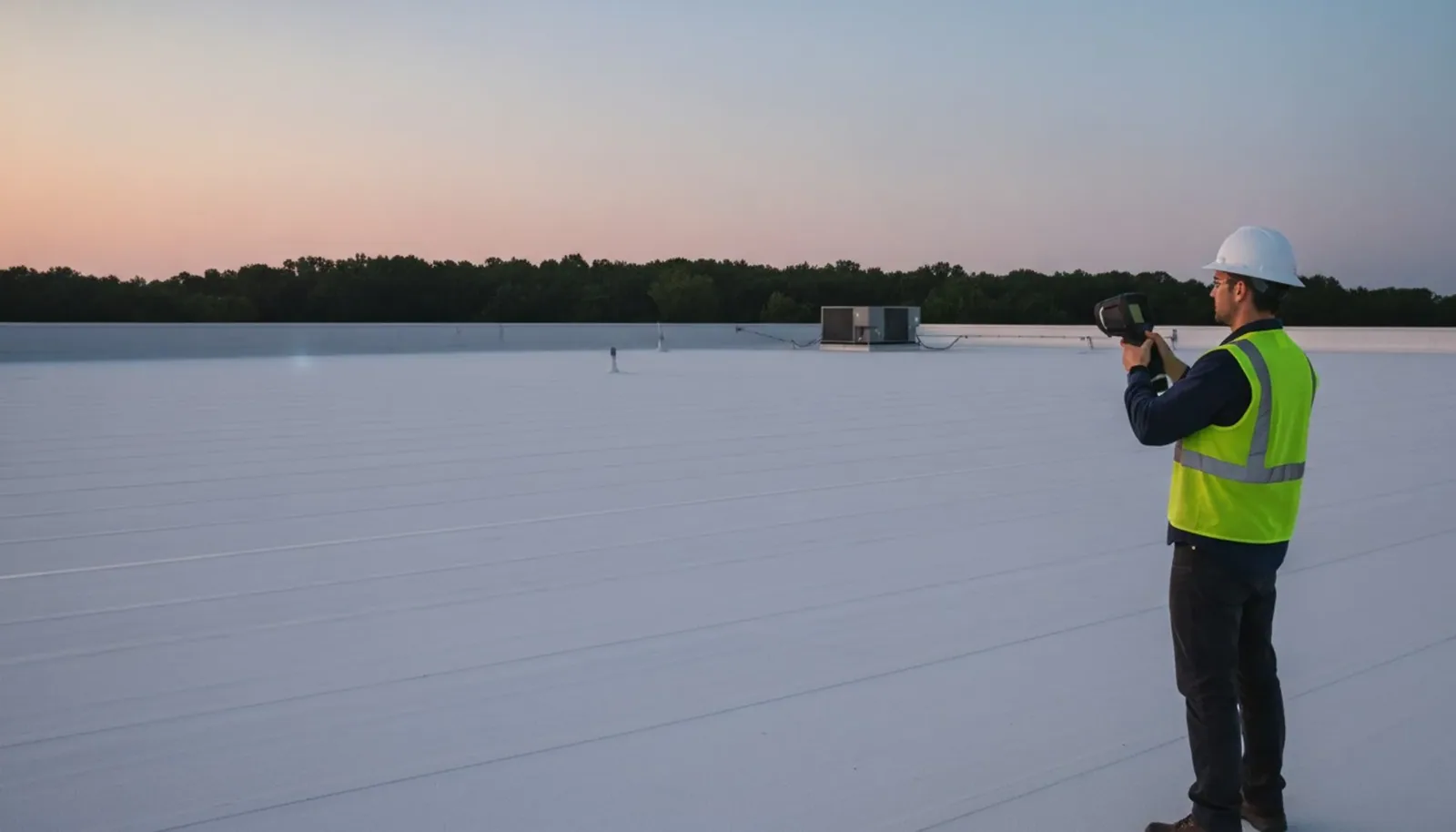
An infrared survey with suitable confirmation can help evaluate moisture extent where construction and weather provide useful contrast. The report distinguishes directly sampled findings from interpreted areas. Repairs or removal are then planned from the combined evidence. Covering unresolved wet material with an array can make later roof work more complicated, so those questions are addressed before the installation layout is finalized.
Roof Life and Project Sequence
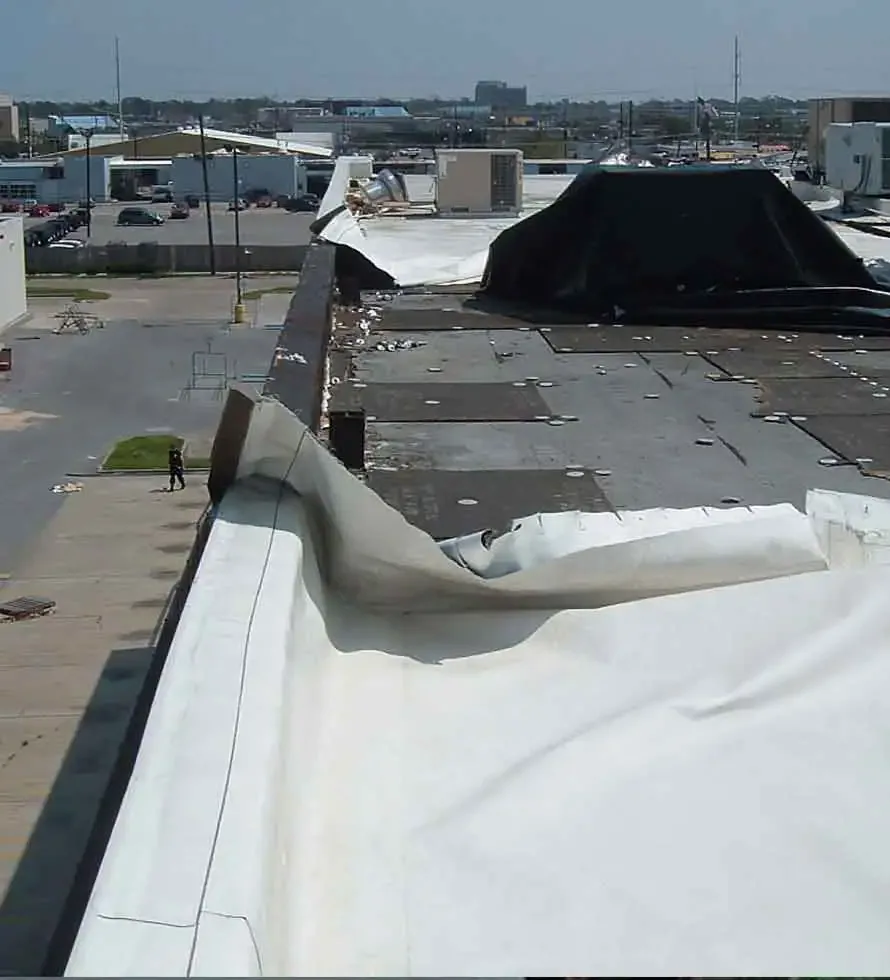
The array and roof may have different maintenance and replacement schedules. A roof approaching extensive reconstruction deserves evaluation before equipment is installed over it. We compare repair, eligible retention and roof replacement using observed condition, documented history and the proposed access changes. The recommendation does not assign remaining life from age alone.
If roof replacement is appropriate, its sequence is coordinated with the solar design. Curbs, attachment interfaces and cable routes can be incorporated into suitable details rather than added after the new membrane is complete. The owner receives separate scope boundaries for roofing and solar work. This helps prevent a later penetration or support change from bypassing the assembly requirements established during the roof project.
Structural Questions and Attachment
Module weight, ballast, attachments and environmental loads require the appropriate structural evaluation. A surface roof inspection cannot establish spare capacity or the suitability of an existing deck for the proposed arrangement. The solar design team supplies its layout and loads, while available building records inform review. Uncertain supporting conditions are investigated before the array is approved for installation.
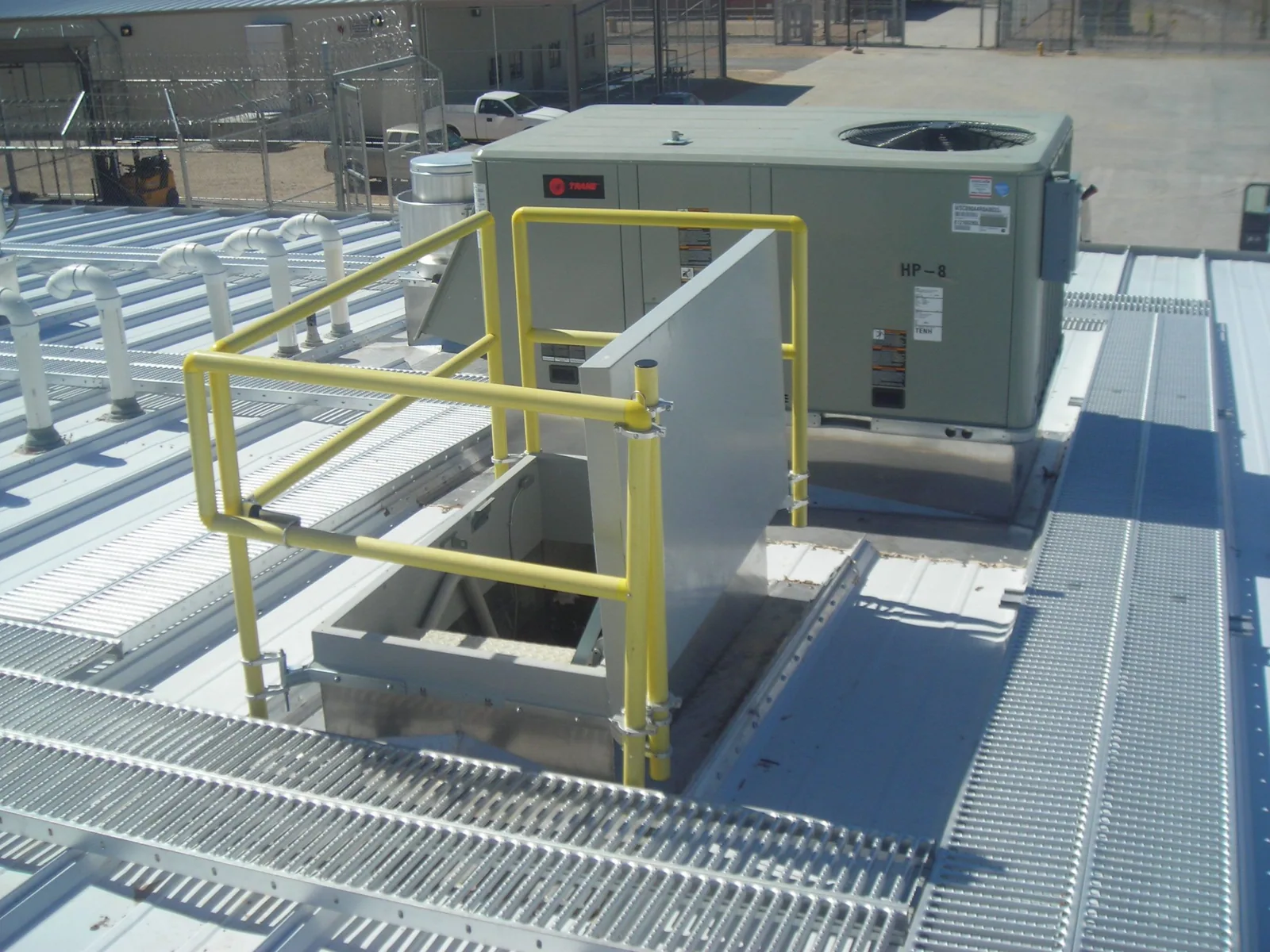
The roofing interface must suit the selected support method. Ballasted equipment can affect membrane protection and drainage, while penetrative attachment requires a supported, flashed connection. Roof support and curb work coordinates those details without substituting roof pads for a verified load path. Product and assembly approvals are checked for the actual proposal rather than inferred from a generic description of solar equipment.
Related Roofing Pages
Infrared Roof Moisture Surveys
How the work is scoped, documented and phased on occupied Sugar Land buildings.
Commercial Roof Replacement
What we check on the roof, what we recommend and how the crew keeps the building open.
Rooftop Equipment Curbs and Supports
Conditions, options and next steps for commercial buildings in Fort Bend County.
Resolve the Roof Questions Before the Array Arrives
Call for a roof assessment for your proposed solar project. We will explain the condition and interface findings with photos so the owner and solar team can plan the next steps.
Call 555-555-5555 or email [email protected].
Commercial Roofing Questions
Straight answers to the questions building owners and managers ask us most often.
Can your roof assessment approve the solar structure?
Structural and solar design approval require the appropriate qualified reviewers. We provide roof-condition and interface findings within our scope. The project team evaluates loads, attachment and required access.
Should an older roof always be replaced before solar?
Observed condition and the proposed installation matter more than age alone. We compare suitable roof options and the access consequences of later work. Documented roof history helps inform the decision.
Does ballast avoid every roofing concern?
Ballast still creates loads and support interfaces. Membrane protection, drainage and access require evaluation. The approved arrangement must suit both the roof assembly and the structural design.
Who approves new penetrations through the roof?
The roofing and solar teams coordinate a suitable detail with any required product or warranty review. Structural and electrical responsibilities remain assigned to their qualified teams. The owner receives the agreed scope before installation.
What should be kept after the project?
Keep roof and array plans, interface photographs, product approvals and maintenance responsibilities. The records should identify access and isolation procedures. They help future repairs proceed without guessing what lies beneath the modules.
Drainage and Access Beneath Modules
An array layout can alter how technicians reach drains and flashings. Clear service routes and suitable access to outlets need consideration before modules are placed. We identify roof divisions, low areas and drainage paths relevant to that layout. A support arrangement should not become an unexplained barrier across a path carrying water to an outlet.
Drain and scupper assessment remains necessary where water already collects. The solar structure does not correct an outlet restriction or an unsuitable roof slope. Proposed changes are reviewed with the relevant designer, including any impact on maintenance access. A drain hidden beneath equipment still needs a workable inspection and cleaning method, with responsibilities identified in the building's maintenance plan.
Materials and Future Repair Interfaces
Roof chemistry affects protection pads, flashing and repair materials used beside solar equipment. The selected membrane's instructions and the issued warranty documents need review for the proposed interfaces. A warranty term is not established by the product family alone. The owner should understand any required approvals and how later array work may affect the roof record.
Reflective roof options can be considered within the broader assembly design. Surface temperature and reflectance do not establish a specific solar output or building-energy saving without a supported project analysis. We provide the roof information available from the assessment and keep those predictions with the appropriate design team. Material selection remains tied to exposure, compatibility and water-control performance.
Future service should be considered at the same time as the array layout. The roof plan can show walk paths, drain clearances, junctions that need periodic inspection and areas that should remain reachable for repair. A module field that blocks access may make routine roof work more complex even when the original membrane is sound. We identify those interface points for coordination with the solar designer before attachments and conduit routes are finalized.
How a Roof Project Runs
Every roof we take on moves through the same six steps:
01
Roof Walk
We walk the whole roof and photograph the membrane, seams, flashings, drains and equipment.
02
Moisture Check
Readings and core cuts show what is wet below the surface before anyone prices a repair.
03
Written Findings
You get plain-language findings, photos and the options that fit the roof.
04
Scope and Price
One written scope covers the system, the details, drainage changes and the price.
05
Scheduled Work
Crews work around tenants, deliveries and weather, closing the roof every night.
06
Closeout
We walk the finished roof with you and hand over photos and warranty paperwork.
Electrical Work and Occupied Areas
Electrical routing and interconnection belong to the assigned qualified team. Roofing work addresses the membrane at penetrations and any agreed support interface. Access, isolation and protection of occupied areas are coordinated before openings are made. A cable route through an existing detail needs review rather than being treated as harmless because the penetration is small.
Occupied-building planning identifies the rooms, entrances and equipment affected by the work. Ventilation controls follow a coordinated facility plan, with any required isolation window approved by the responsible team. Fire and emergency access considerations also belong to the project design. The roof sequence responds to those requirements instead of assuming the array can be placed wherever the surface appears open.
Local Portfolio and Maintenance Records
An array project at Sugar Land Town Square needs roof access coordinated with the center's office, retail and hotel operations. The manager identifies the affected building, service entrance and notices needed for material handling. The survey measures installation areas and locates outlets, curbs and usable maintenance routes. The solar team can compare its proposed layout with those findings before modules change access to the roof. The owner receives the roofing corrections and coordination items needed to move the actual project into its next design review.
A Stafford property requires its own jurisdiction and project review. Nearby addresses can have different roof records, equipment needs and permit requirements. Roof maintenance after installation needs coordination between the owner, solar service team and roofing provider. The closeout identifies access routes, interfaces and repair responsibilities so a future leak investigation can proceed without an improvised equipment-removal sequence. A future array at a South Houston property needs roof condition and support review for that building.