
Manufacturers
A process vent can leave residue that changes how a roof repair bonds. A patch selected without identifying that exposure may detach even when the adjacent membrane remains intact. Commercial roofing for Sugar Land manufacturers examines the roof and the plant conditions affecting it. We identify observed defects, confirm equipment responsibilities and explain a suitable repair or replacement scope.
Manufacturing is a broad category rather than one roof environment. Production processes, operating temperatures and service routes differ between buildings. We obtain that information from the plant team instead of assuming it from the company name or industrial location. The manager receives photographs and an assembly recommendation connected to verified conditions.
Process Exposure and Membrane Compatibility
We record residue locations and ask the operating team about discharge sources and maintenance materials. A stain does not identify a chemical by appearance alone. The relevant product information and exposure review guide membrane or repair selection. Where written compatibility confirmation is needed, it is obtained for the proposed material and actual condition.
PVC and KEE-containing membranes are options to compare where suitable, with their specific documentation rather than a universal chemical-resistance claim. Other assemblies may also be appropriate. The proposal explains the exposure basis for the choice and any equipment correction required. A new sheet is not a substitute for repairing uncontrolled discharge that continues to reach the roof.
Equipment Connections and Loads
Roof openings often intersect pipes, ducts and units whose support belongs to another part of the building. We inspect the flashed transition and accessible connections while the assigned trade evaluates its equipment. Movement at a service line can strain a roof detail, but the membrane cannot become the line's structural support. The scope addresses those tasks separately.
Equipment curb and support planning also reviews proposed load changes through the appropriate structural process. Roof appearance does not establish spare capacity for a new unit. Mechanical and electrical isolation are assigned before equipment is moved. This keeps the roofing sequence connected to a verified support and operating plan instead of leaving the crew to improvise around live plant systems. Where the plant expects another equipment change soon, that proposal is reviewed alongside the roof work. The team can identify whether a curb, support or service penetration should be addressed now or left for a separately approved project. The decision remains tied to actual information rather than constructing a detail around equipment that has not been specified.
Moisture and the Production Interior
Interior operation can affect the moisture profile of the assembly, but manufacturing use alone does not establish condensation. Humid air must reach a surface below its dew point for that mechanism to occur. We consider air leakage, insulation continuity and equipment discharge alongside rain entry. A dry-weather drip is timing evidence rather than a diagnosis.
An infrared moisture investigation can help define suspect roof areas where conditions provide useful contrast. Temperature patterns require suitable confirmation, and samples document their specific layers and locations. The report identifies unresolved source questions. Replacing insulation without correcting the verified water route may leave the plant with the same complaint beneath new material.
Related Roofing Pages
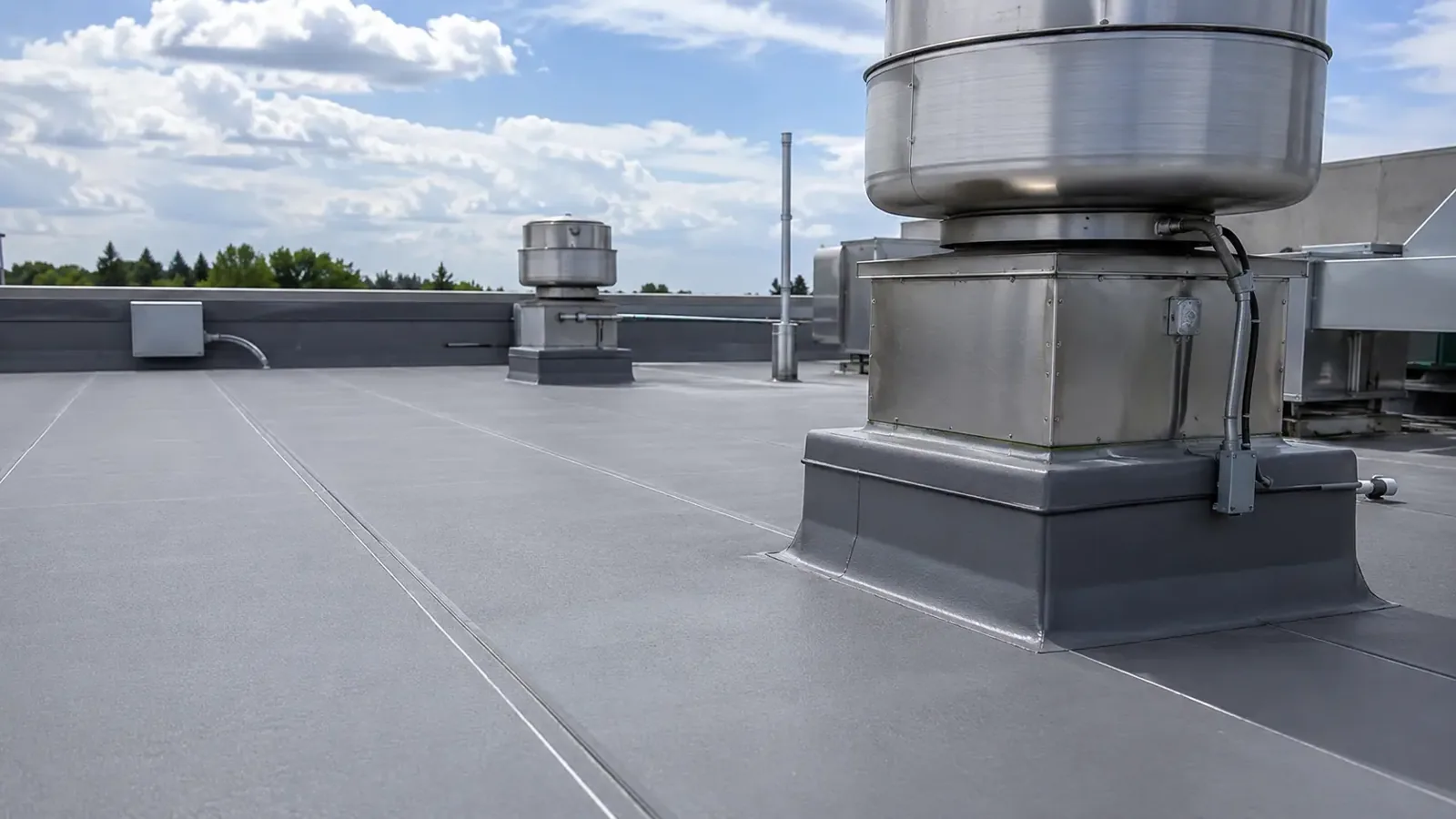
PVC Commercial Roofing
How the work is scoped, documented and phased on occupied Sugar Land buildings.
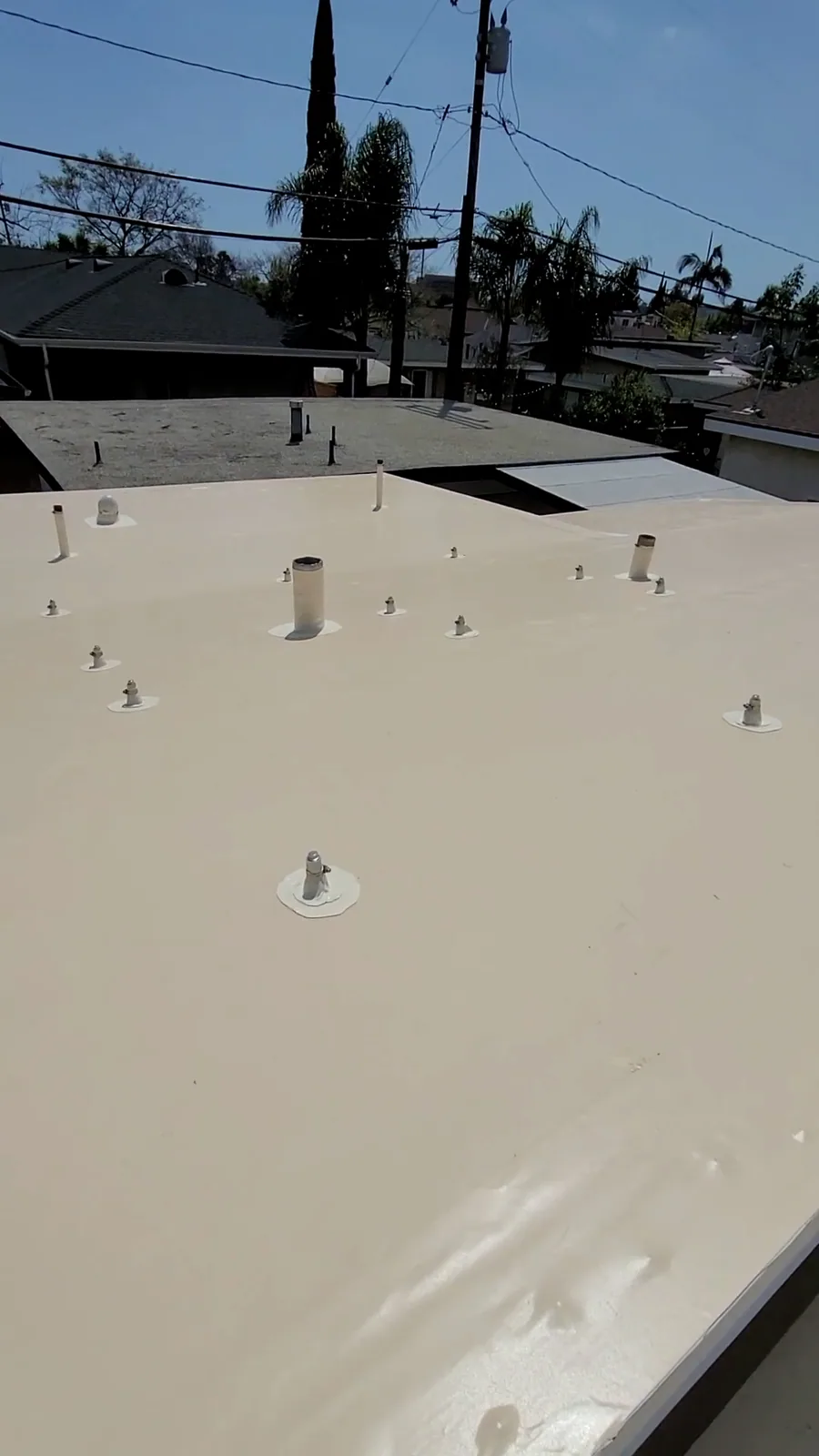
KEE Commercial Roofing
What we check on the roof, what we recommend and how the crew keeps the building open.
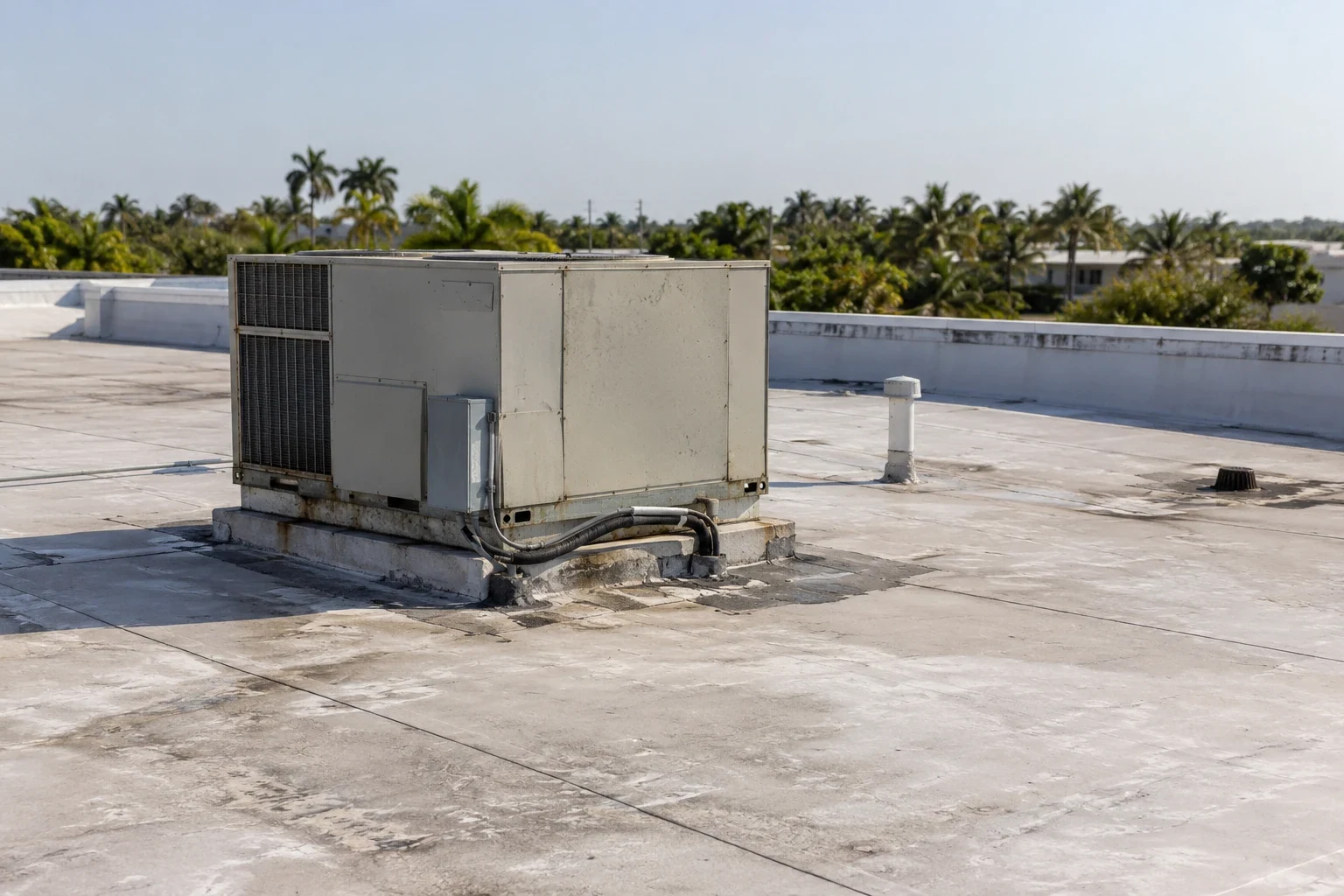
Occupied-Building Reroofing
Conditions, options and next steps for commercial buildings in Fort Bend County.
Match the Roof Work to Verified Plant Conditions
Call to discuss your facility roof. We will explain the exposure, moisture and equipment findings with photos and identify a suitable sequence for owner review.
Call 555-555-5555 or email [email protected].
Commercial Roofing Questions
Straight answers to the questions building owners and managers ask us most often.
Can a manufacturer's roof be selected from its industry label?
Actual process exposure, assembly and operating needs require review. The category does not establish membrane chemistry or condensation risk. We use information from the plant and inspected roof.
Does a membrane repair correct an equipment discharge defect?
The equipment trade evaluates and repairs its assigned source. Roofing addresses the compatible membrane and flashing scope. Both may be needed for a complete correction.
What makes a shutdown window workable?
The facility identifies affected operations and approves the controls. The roof method must also meet application and closure requirements. The sequence is coordinated before openings or isolation occur.
How are quantities established for an industrial building?
Measure the roof and its details rather than using published floor space. Additions and separate assemblies are recorded individually. Those quantities support the proposed removal and reconstruction.
What should the plant report after completion?
Notify the roof team of changed processes, discharge, equipment or service routes. Keep the installed material record available. New conditions may require a compatibility or detail review even when the earlier work remains intact.
Production Windows and Facility Controls
The plant team identifies operations that cannot accept debris, water or an interruption at the planned time. We map those spaces beneath proposed work areas and agree on access, protection and notification. The work plan includes daily closure suitable for the assembly and forecast. A production calendar influences the sequence but cannot override the selected product's application requirements.
Occupied-building reroofing coordinates ventilation through the responsible facility team. Any intake isolation window is approved with required airflow and restoration considered. The roof team does not arbitrarily cover an operating intake near a work area. If conditions change the plan, the affected operating team is notified before the sequence is revised.
Drainage and Service Traffic
Support frames, pipe stands and walkway pads can interrupt water movement. We inspect how those features relate to low areas and accessible outlets. A blocked strainer is a different finding from a path obstructed by equipment supports. The repair recommendation identifies the actual route and any design question requiring another reviewer.
Drain and scupper work follows the water toward discharge, including accessible restrictions beyond the roof surface. Clearing debris cannot establish hydraulic capacity. Service routes are also checked for punctures and displaced protection. Suitable walkways protect the membrane according to its system details while preserving drainage rather than creating another barrier across the field.
How a Roof Project Runs
Every roof we take on moves through the same six steps:
01
Roof Walk
We walk the whole roof and photograph the membrane, seams, flashings, drains and equipment.
02
Moisture Check
Readings and core cuts show what is wet below the surface before anyone prices a repair.
03
Written Findings
You get plain-language findings, photos and the options that fit the roof.
04
Scope and Price
One written scope covers the system, the details, drainage changes and the price.
05
Scheduled Work
Crews work around tenants, deliveries and weather, closing the roof every night.
06
Closeout
We walk the finished roof with you and hand over photos and warranty paperwork.
Industrial Context in the Region
Sugar Land economic development identifies advanced manufacturing among its target business sectors and names employers such as Applied Optoelectronics and Systel. For a plant roof project, operating information comes through the authorized facility contact. The manager identifies equipment service routes, discharge sources and spaces beneath the proposed work. We survey the roof and review exposure information with the appropriate product or technical team. Those findings form the basis for a compatible assembly and the plant's planned repair window.
Stafford and Missouri City are nearby commercial locations served by the regional freeway and highway network. A plant delivery needs an agreed site entrance and staging route within that building's operating plan. The project team confirms the address-based requirements while we measure the field and details. A portfolio owner can review the same evidence categories across facilities, with each roof's exposure and trade responsibilities retained separately. The report makes the next approval and work sequence clear for the manager at each address.
Removal, Repair and Retention
A local roof repair needs sound retained material and a compatible connection. Moisture, deterioration or unsuitable attachment may extend removal beyond the visible opening. The report explains the preliminary boundaries and how exposure can change them. Photographs link the final scope to the condition found beneath the surface.
Replacement or eligible restoration is compared where recurring defects make isolated work less useful. Roof age, where documented, is one consideration rather than a conclusion by itself. Closeout retains material records and completed detail photographs, with maintenance instructions from the installed system. The plant team also records later process or equipment changes so compatibility assumptions can be reviewed when the exposure changes.
For a plant in Missouri City, confirm inbound movement with any involved logistics provider. Give the general contractor the accepted equipment and roofing handoffs where a wider alteration project controls their sequence.
Manufacturing operations make sequence and protection central to a roof scope. We map equipment, exhaust paths, interior processes and the production areas below before selecting where removal can occur. Material compatibility matters when a process may expose the roof to heat, residue or service traffic; those exposures are verified at the site instead of guessed from the industry label. The phase plan explains daily closure, ventilation precautions and any outage coordination. A separate list tracks equipment or structural items that fall outside the roofing correction.