
General Contractors
A roof sequence can stall when a curb arrives at the wrong height or the substrate is not ready for the specified bond. The membrane crew has material on site, but the detail cannot be completed suitably. Commercial roofing for Sugar Land general contractors identifies those interfaces before mobilization. We connect the inspected assembly, project documents and trade responsibilities in a scope the construction team can review.
On existing buildings, concealed conditions can change the planned removal and reconstruction. On new work, receiving construction and approved details determine whether installation can proceed. We explain the evidence and readiness requirements for either setting. The general contractor receives a practical roof sequence rather than a material list that leaves the supporting work and daily closure unexplained.
Substrate Readiness and Acceptance
The selected system identifies the required receiving surface, attachment and preparation. Deck condition, moisture and available bonding surfaces are checked through the assigned project process. A clean appearance cannot establish every requirement, just as material delivery cannot establish that the work area is ready. Outstanding substrate items are identified before installation conceals them.
Insulation and cover board belong to the approved assembly, with their own attachment and transition needs. A change in layer thickness can affect curb and wall heights. The roofing scope coordinates those relationships with the receiving trade. When the installed substrate differs from the documents, the condition is reviewed before the field team improvises a detail that bypasses the project requirements.
Existing Layers and Removal Scope
Available roof records and selected openings help identify the retained layer sequence. Samples document local condition; broader moisture extent requires suitable evidence. A historic building date does not establish the current membrane's age. The preliminary scope preserves those limits so the contractor can plan how unexpected conditions will be documented and resolved.
An infrared moisture survey can guide confirmation when useful contrast is available. Thermal patterns are not direct proof of wet insulation. Removal quantities follow the combined investigation and can change during exposure. Replacement planning identifies how revised findings affect reconstruction, with photographs supporting the changed boundary before affected work continues.
Curbs, Penetrations and Assigned Trades
Equipment loads, service lines and upper connections require the appropriate mechanical, electrical or structural responsibility. Roofing addresses the specified water-control transition within that coordinated arrangement. The contractor identifies who provides the curb, who verifies its support and who makes the equipment available for flashing. Those assignments are made before the roof detail becomes an unresolved gap between trades.
Curb and support work also considers the finished roof height and drainage around the opening. A new penetration needs a compatible detail for the actual membrane. The plan does not assume that a pipe boot can accommodate any service temperature or movement. Flashing requirements are confirmed with the intersecting systems before the opening is made.
Related Roofing Pages
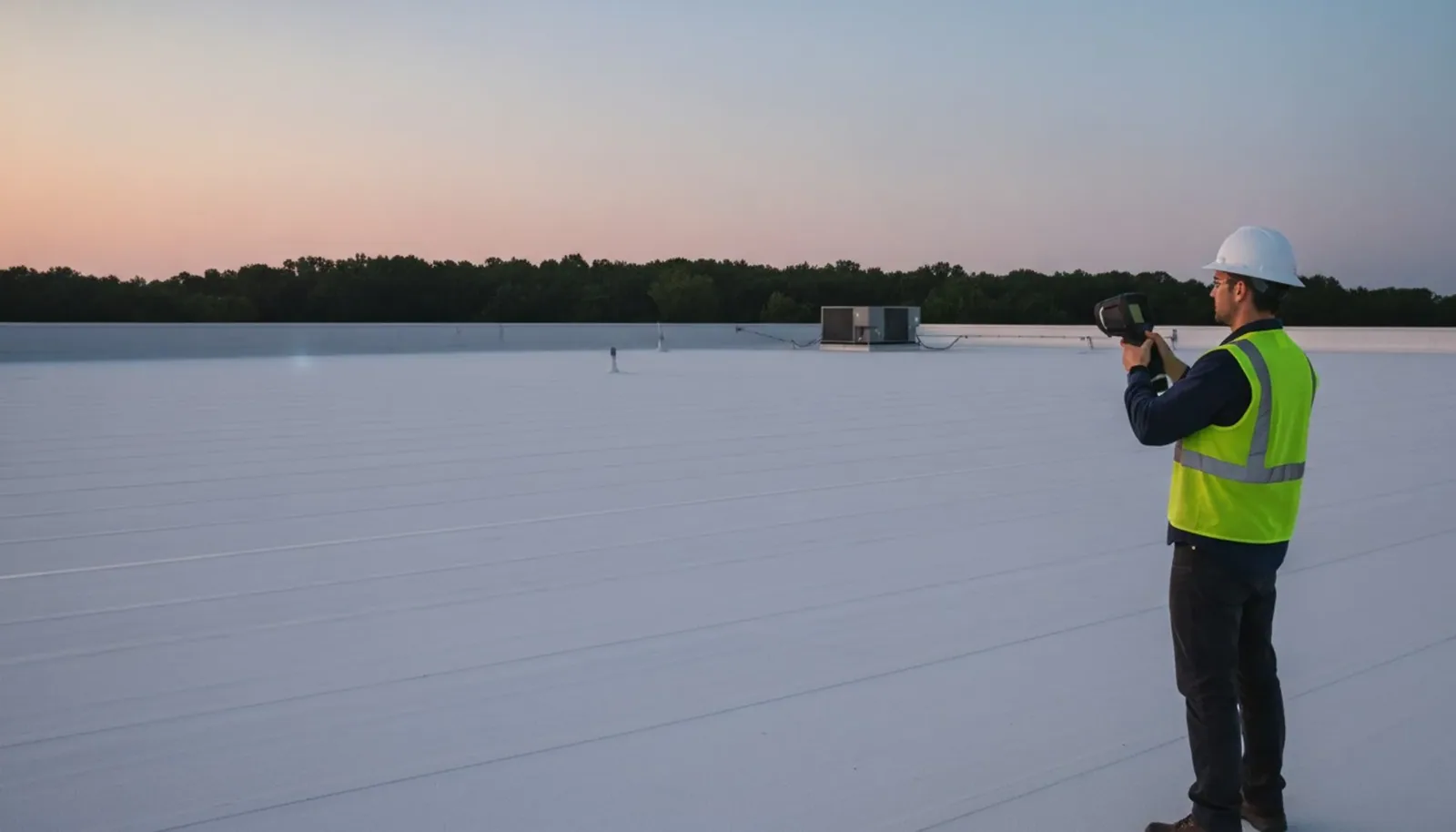
Infrared Roof Moisture Surveys
How the work is scoped, documented and phased on occupied Sugar Land buildings.
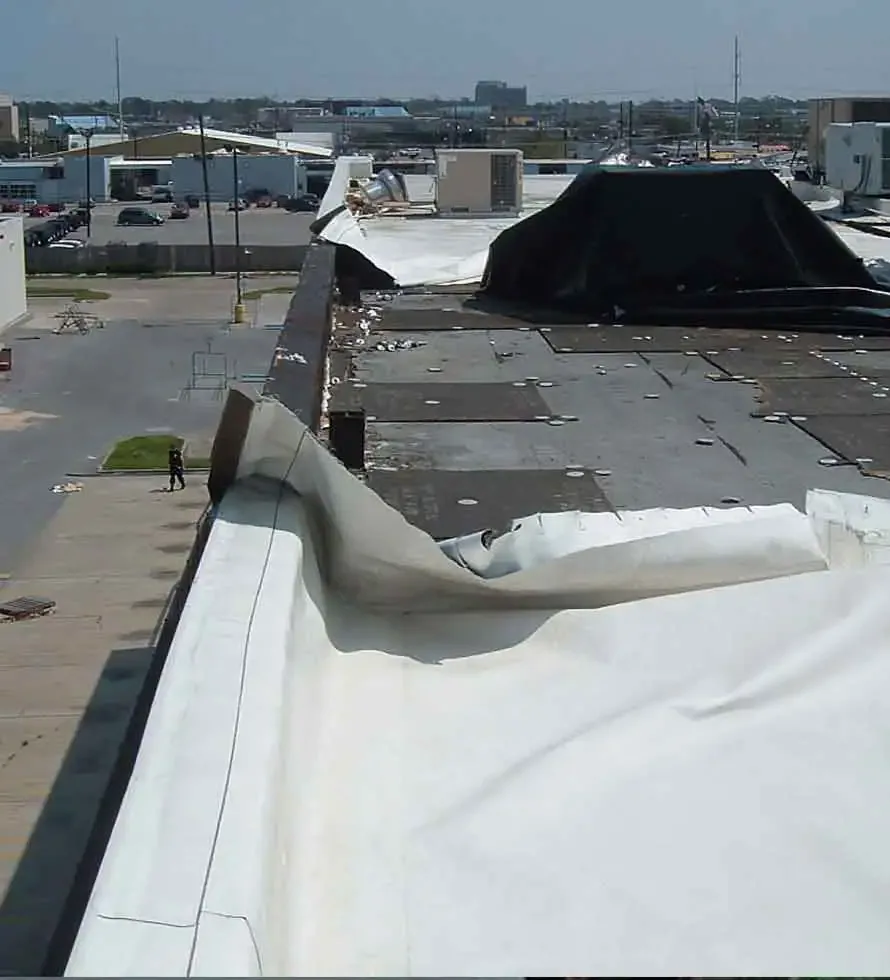
Commercial Roof Replacement
What we check on the roof, what we recommend and how the crew keeps the building open.
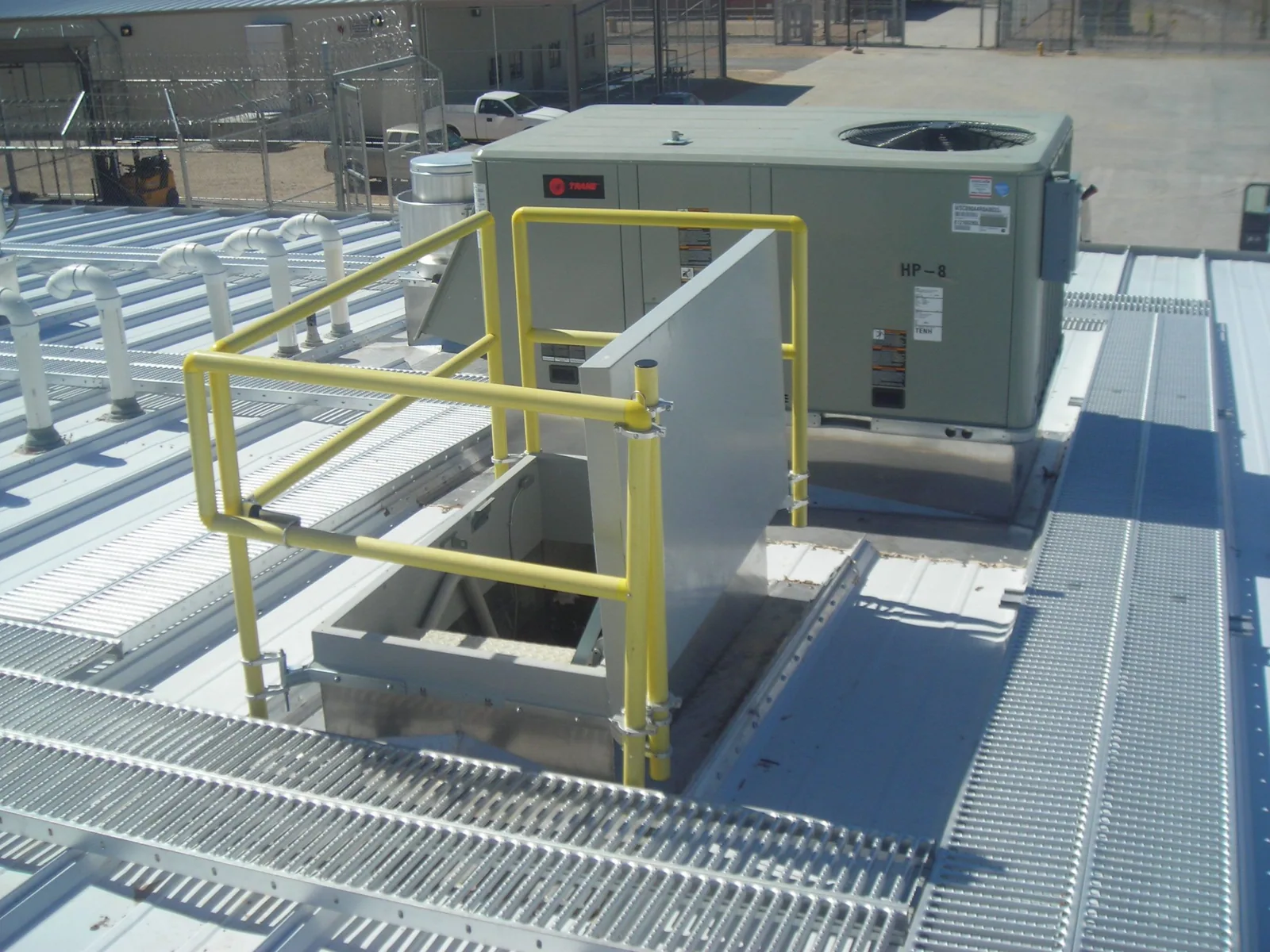
Rooftop Equipment Curbs and Supports
Conditions, options and next steps for commercial buildings in Fort Bend County.
Resolve the Roof Interfaces Before They Delay the Sequence
Call to review the proposed roof work. We will explain substrate and detail findings with photos and define the scope and coordination needed for your project team.
Call 555-555-5555 or email [email protected].
Commercial Roofing Questions
Straight answers to the questions building owners and managers ask us most often.
What should be resolved before roof mobilization?
Confirm the approved assembly, receiving substrate, trade interfaces and access plan. Identify readiness checks and daily closure requirements. Unresolved conditions should remain visible in the project sequence.
Can roof thickness change a supplied curb detail?
Added layers can alter the finished height and termination relationship. The detail needs coordination before installation. The project team reviews the actual assembly and curb arrangement together.
Who approves a change found during removal?
The authorized project reviewers assess the documented exposed condition. Roofing explains its effect on removal and reconstruction. Affected work proceeds through the agreed change process.
Does a dry sample approve retention of all layers?
The sample describes one location. Moisture extent, attachment and applicable requirements still need evaluation. The broader evidence supports the retention decision.
What establishes roof closeout?
The project's required checks, completed details and acceptance process establish the handover requirements. Materials on site or a finished-looking field are insufficient by themselves. The record identifies open responsibilities.
Sequencing and Daily Closure
The work area is sized for the ability to install or protect it suitably under the expected conditions. Access, forecast, material preparation and crew resources all inform that decision. A production target alone does not justify a larger opening. Temporary transitions are designed for their role and documented with their limits. The contractor also identifies who checks the closure and how a changed condition is reported before the next work area is opened.
Product application requirements determine when adhesive, coating or welding work can proceed. Actual substrate conditions are checked rather than inferred from reported air temperature. A short schedule window cannot remove a required cure interval. If weather or exposed findings interrupt the plan, the contractor receives the effect on the next roof activity and the proposed closure before work is expanded.
Occupied Buildings and Facility Controls
For work over occupied spaces, the facility team identifies access restrictions, sensitive rooms and equipment duties. The general contractor coordinates those requirements across the involved trades. Roofing specifies its debris route, material handling and protection below. The plan records who approves an operating change and who communicates it to affected occupants.
Occupied-building work also includes ventilation coordination. Any intake isolation window follows the responsible mechanical team's approval, with required airflow and restoration planned. An active intake is not covered arbitrarily to simplify roof application. Fire and emergency access controls remain part of the site plan rather than being changed unilaterally by the roofing crew.
How a Roof Project Runs
Every roof we take on moves through the same six steps:
01
Roof Walk
We walk the whole roof and photograph the membrane, seams, flashings, drains and equipment.
02
Moisture Check
Readings and core cuts show what is wet below the surface before anyone prices a repair.
03
Written Findings
You get plain-language findings, photos and the options that fit the roof.
04
Scope and Price
One written scope covers the system, the details, drainage changes and the price.
05
Scheduled Work
Crews work around tenants, deliveries and weather, closing the roof every night.
06
Closeout
We walk the finished roof with you and hand over photos and warranty paperwork.
Regional Project Logistics
Sugar Land Town Square brings office, retail and hotel uses into a compact mixed-use setting. A construction team working there needs agreed delivery locations and notices for affected building entrances. The roofing proposal identifies the route from unloading to the work area, along with any lift access or staging requirement. Those arrangements help the contractor coordinate the roof activity with other active site operations.
Stafford lies along the I-69/US 59 and US 90A corridors, providing another regional commercial setting for deliveries and project coordination. The particular site determines the usable entrance, work hours and jurisdiction review. The contractor supplies those verified requirements while the roof team surveys measured areas and details. A shared project process can organize both locations without forcing identical access or assembly assumptions onto them.
Drainage and Perimeter Completion
Drain and scupper work coordinates the finished surface with outlets and discharge. Capacity and concealed piping questions belong to their assigned reviewers. Edge metal and wall transitions also need completion within the approved roof detail. A finished field sheet is not acceptance of a roof whose required perimeter or outlet connection remains incomplete.
Closeout identifies the installed products, detail photographs and checks required by the project. Remaining items are described by location and responsibility, with acceptance following the authorized review process. Warranty terms come from the issued documents. The contractor can see what has been completed, what awaits another trade and what evidence supports the roof's handover, rather than treating a visual walkthrough as proof of every concealed requirement.
For a Stafford assignment, send the completed roof interfaces to the property manager and retain the unresolved construction items for investment review. Each recipient should see the physical task behind the remaining approval.
Roofing work interfaces with sheet metal, mechanical, structural and envelope scopes. We identify who owns each curb, wall transition, support and drain connection before construction reaches that detail. A sequencing note can prevent a new membrane from being cut for equipment work that has not been coordinated. Field changes are photographed and routed through the project's approval process before they alter the agreed scope. At closeout, the roofing record identifies its own completed work and any interface left for another trade, reducing ambiguity during punch review.