
Commercial Roof Repair
A low-slope membrane in Sugar Land, TX moves with the heat every single day. It expands and contracts as its temperature changes, and the places that absorb that movement are the seams, flashings and terminations. A repair that lasts is the one that allows for the movement and matches the chemistry of the membrane around it. A repair that only covers the visible opening tends to fail beside itself within a season or two.
Where Heat Cycling Opens a Membrane
The roof surface can run far hotter than the air above it through a Gulf summer, and Houston climate records describe roughly 102 days annually at 90 degrees or higher, a regional planning context rather than a roof-temperature measurement. Every cycle pulls on laps, base flashings and the fasteners that hold them. Plasticizers and other compounds that keep some membranes flexible migrate out with age, and the surface stiffens first at the corners and around penetrations, where stress is greatest.
Humidity adds a second layer of trouble. Air leakage can introduce moisture where the assembly and temperature profile permit condensation. Gaps do not invariably produce it; rain entry and equipment condensate also need checking. The owner sees a stain and calls it a leak, when part of the cause is vapor finding a path. A good repair closes the path as well as the opening, and it addresses the cause of the movement where that cause is a missing fastener, a loose edge or a failed termination bar.
Details That Usually Need Work
Most planned repairs concentrate on a short list of weak points. A walk of the roof tells us which are active, which are aging and which can wait for the next maintenance visit.
- Open or thin seams at laps, where welds or adhesive have let go under thermal movement.
- Base flashings that have shrunk, split or pulled away from walls, curbs and parapets.
- Penetration boots and pipe seals that have cracked in the sun.
- Blisters, fishmouths and punctures from foot traffic and fallen debris.
- Edge metal and coping that have loosened and let water behind the membrane.
Each defect needs a cause assessment, sometimes including concealed layers or attachment testing, and the repair is written to remove that reason. Nothing gets a blanket of mastic and a quick pass with a brush if the underlying detail still moves. A small, correct repair at the right spot costs far less than a large cosmetic one that leaves the cause alone, and the owner can see the difference in the photographs.
The repair limit should be visible before material is removed. We mark the affected seam, flashing or penetration, then check whether the adjacent sheet and substrate can support a compatible connection. If a previous patch has covered the original detail, that material may need controlled removal to expose sound surfaces. The estimate names preparation and rebuilt components separately so a manager can understand why the work extends beyond the first visible split.
Repair Materials Matched to the Membrane
Compatibility decides whether a repair bonds or peels. A hot-air welded patch goes onto TPO where the surface is clean and the membrane is weldable. PVC needs its own weld process, and weathered PVC may need the surface refreshed before new material will fuse. EPDM relies on seam tapes and splice adhesives rather than welding, and modified bitumen takes heat-applied or cold-applied patches.
Product incompatibility can weaken a repair alongside poor preparation, unsuitable substrate or unaddressed movement. Before any material is chosen, we identify the membrane, check for old coatings or sealants that will block adhesion, and test a small area. When the old layer is too far gone to hold a repair, we say so and describe what the next step would be.
Related Roofing Pages
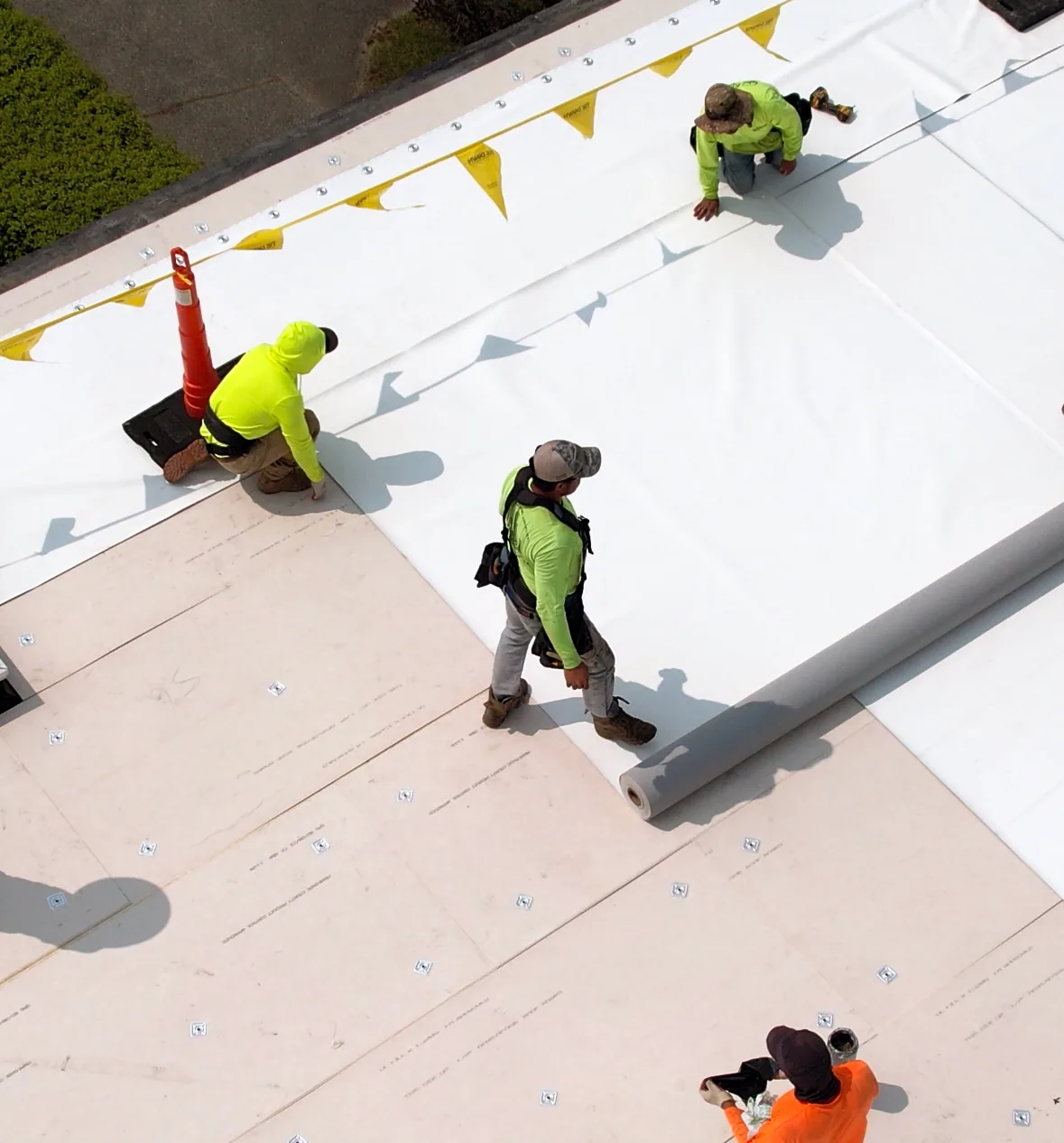
TPO Commercial Roofing
How the work is scoped, documented and phased on occupied Sugar Land buildings.
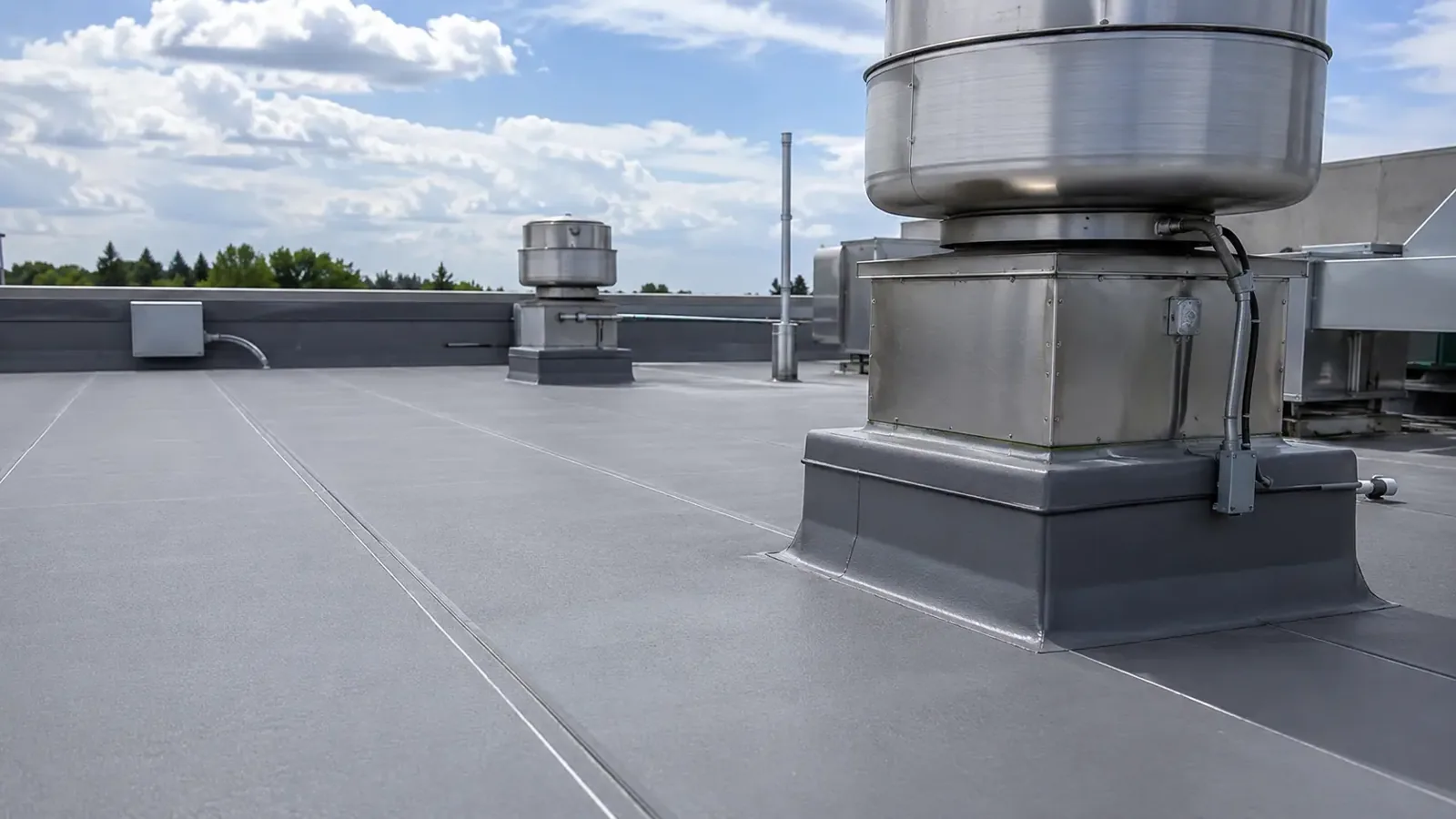
PVC Commercial Roofing
What we check on the roof, what we recommend and how the crew keeps the building open.
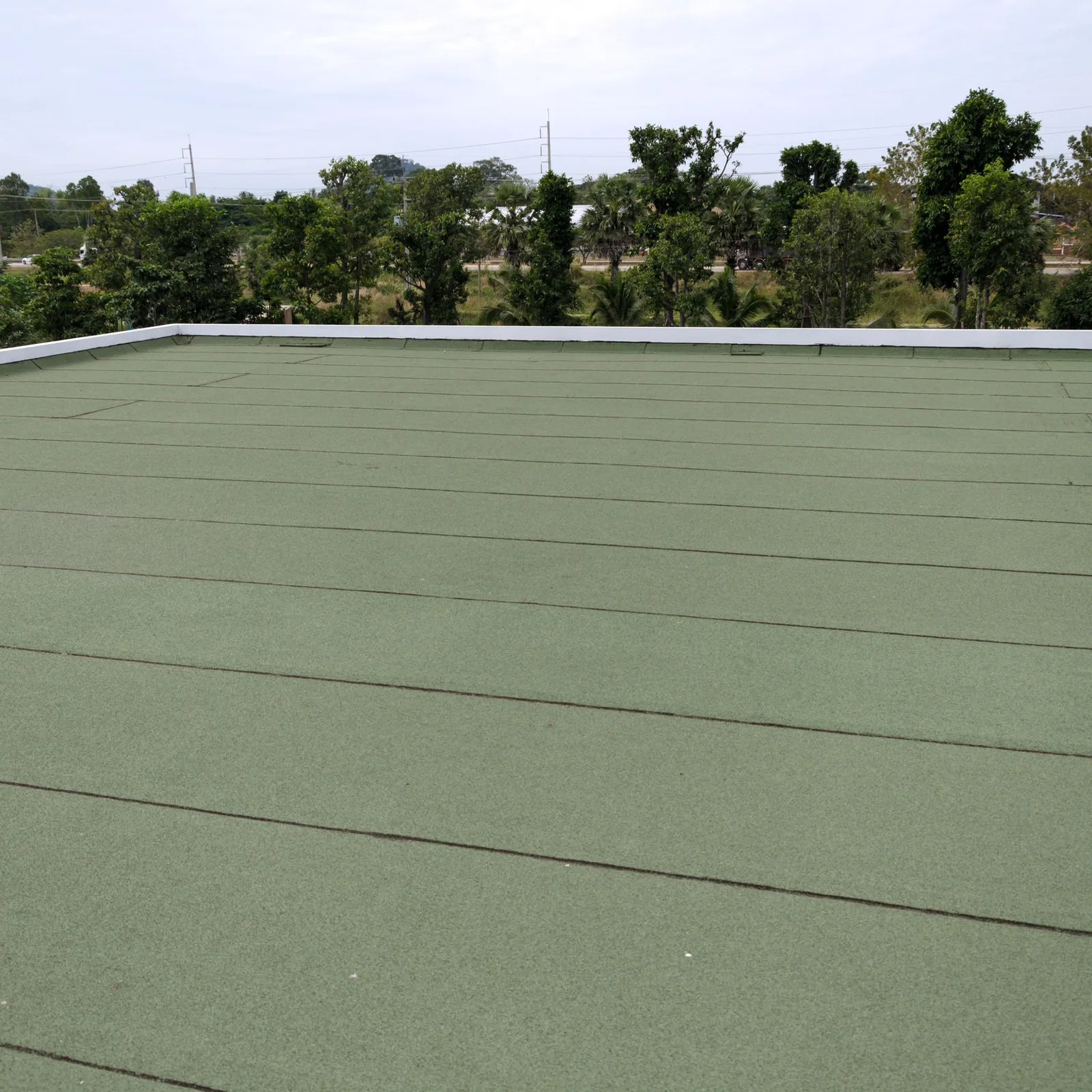
EPDM Commercial Roofing
Conditions, options and next steps for commercial buildings in Fort Bend County.
Ask What Is Happening on Your Roof
We will explain the repair in plain terms, with photos of each defect, so you can describe the cause and the fix to the owner without guessing.
Call 555-555-5555 or email [email protected].
Commercial Roofing Questions
Straight answers to the questions building owners and managers ask us most often.
How long should a membrane repair last?
Service depends on the surrounding sheet, substrate, preparation and exposure. We distinguish permanent repairs from limited temporary treatments and record the follow-up needed; a patch cannot assure the remaining life of the whole roof.
Why does my roof leak again right next to a recent patch?
Movement is one possibility. If the patch is stiffer than the membrane around it, the edge of the patch becomes the new weak line. The cure is to correct what is moving, then repair with a material that flexes like the original.
Can any membrane be repaired, or is some of it too old?
Some is too old. Chalked, brittle or shrunken membrane may not accept a weld or adhesive at all. A test patch shows whether the surface will bond, and a poor result is a sign to plan for recovering or replacing the area.
Are repairs covered by an existing manufacturer warranty?
Warranty terms vary by manufacturer, and some require that repairs follow the manufacturer's own procedures. We work from the warranty documents when the owner has them, and we keep the photo record that most claims need.
What should I report to the roofer before a repair visit?
Tell us where the stains appear, when they show up and whether they follow rain or dry weather. That timing helps direct the investigation, but dry-day drips can also involve retained rainwater or HVAC condensate. We check the equipment, entry details and assembly before assigning the cause.
Planned Repair Compared With Emergency Patching
A planned repair is scheduled around the building, with the right material and the right weather window. It has a written scope and photos before and after. Emergency patching is a different job, aimed at stopping water tonight. Our leak repair and emergency roof repair services handle the urgent cases, and a temporary dry-in is often followed by planned permanent work once the roof has dried.
Owners sometimes keep paying for emergency fixes when the building really needs a scheduled one. If the same corner at an office building in Town Square or a retail wing at First Colony Mall has been patched three summers running, the team compares a corrected detail or larger scope with the likely value and limits of further temporary visits. Another repair in South Houston should be scoped from that building's confirmed defect and surrounding membrane.
Storm Seasons and Repair Timing
Gulf hurricane season and spring hail set the calendar. A May 2019 hail event exposed a large part of the Houston area to golf-ball-size stones, and Hurricane Beryl in July 2024 brought gusts of 60 to 70 mph. Repairs made before those seasons, especially to flashing and seams, give the roof a better chance to ride out a storm without the owner paying for water damage inside.
Timing also depends on what the building houses. A distribution building on the Southwest Freeway corridor can usually take a longer closure of one roof bay than a hospital wing can take above an operating floor. Houston Methodist Sugar Land Hospital, with its patient towers and medical office buildings, is the kind of occupancy where we plan access, noise and water protection around the clinical schedule, and where a small flashing repair gets the same care as a large one. Warehouse owners along US 59 have the opposite concern, which is keeping dock doors and conveyor lines clear of tools and material. Either way, the repair plan is written around the people and equipment under the roof.
How a Roof Project Runs
Every roof we take on moves through the same six steps:
01
Roof Walk
We walk the whole roof and photograph the membrane, seams, flashings, drains and equipment.
02
Moisture Check
Readings and core cuts show what is wet below the surface before anyone prices a repair.
03
Written Findings
You get plain-language findings, photos and the options that fit the roof.
04
Scope and Price
One written scope covers the system, the details, drainage changes and the price.
05
Scheduled Work
Crews work around tenants, deliveries and weather, closing the roof every night.
06
Closeout
We walk the finished roof with you and hand over photos and warranty paperwork.
A Repair Record That Prevents Repeats
Every repair is logged with location, photos and the reason it was needed. Over time the log shows which corners keep moving and which drains clog, and that history informs a preventive maintenance program that treats the pattern, not each leak on its own.
After installation, we check that the repaired edge is bonded or welded as the system requires and that nearby water paths remain open. The closeout record identifies any follow-up after rainfall or equipment operation. A new symptom beside the repair should be compared with the documented boundary rather than assumed to be the same defect. That history helps distinguish a failed connection from a separate movement or drainage condition during the next visit.