
EPDM Commercial Roofing
An EPDM sheet can remain serviceable while a seam or flashing adhesive has lost its connection. Rain finds the opening, and a broad patch may conceal the symptom without addressing contaminated preparation or movement at the detail. EPDM roofing in Sugar Land, TX examines those connections before selecting a repair or new assembly. We explain the observed condition and specify preparation suited to the retained or proposed materials.
EPDM is an elastomeric roofing membrane. Its compatible field seams generally use the selected system's tapes or adhesive methods rather than the heat welding used for thermoplastic sheets. That distinction matters during installation and later repair. The owner receives a scope that identifies the actual product and joining method instead of treating all flexible commercial membranes as interchangeable.
A PVC membrane alternative uses suitable thermoplastic welded connections rather than the EPDM seam procedure. Standing seam panels require another supporting and movement arrangement. The comparison needs those complete details and the actual building requirements, not a ranking based on material labels.
Seam Bond and Surface Preparation
A seam needs a clean, suitably prepared surface and the specified primer or adhesive arrangement. Dust, moisture and an earlier treatment can interfere with the bond. We identify the retained membrane and examine the surface before selecting repair products. Where the material is deteriorated or preparation cannot produce a suitable connection, removal extends to a supported repair boundary.
The selected instructions establish application and cure conditions. Air temperature alone does not describe the roof substrate, and a sunny day is not a universal adhesive cure requirement. We check the actual conditions and the product's limits, recording the material used and any preparation test that informs the selected repair method. Seam repair work also evaluates recurring movement, because another adhesive patch may fail when the same connection remains strained.
Flexibility and Detail Geometry
EPDM's flexibility can help form suitable details, but the membrane still needs the required support and restraint at transitions. Corners, pipes and walls receive the specified flashing materials and termination arrangement. An unsupported gap or sharp change in shape can concentrate strain. We inspect those conditions rather than relying on the sheet's flexibility to accommodate every movement.
Uncured and cured accessories can have different roles within the system, with preparation and protection following product instructions. A penetration flashing repair is chosen for the pipe or curb and the retained roof, including any exposure from equipment. Sealant is used where the detail calls for it, not as a substitute for a missing membrane connection or unsuitable upper closure.
Moisture Beneath a Flexible Sheet
Surface appearance cannot establish concealed insulation condition. We compare interior reports, drainage observations and selected tests to investigate suspect water. A dry sample is useful local evidence but does not describe every roof section. Differences between additions or earlier repairs may require separate investigation rather than a single assumed layer sequence.
An infrared moisture survey can guide the investigation when the assembly and weather support useful contrast. Thermal findings require appropriate confirmation. The repair or removal limits follow the combined evidence and may change with exposure. For a proposed recover, moisture is one eligibility question alongside attachment, retained condition and the applicable requirements.
Related Roofing Pages
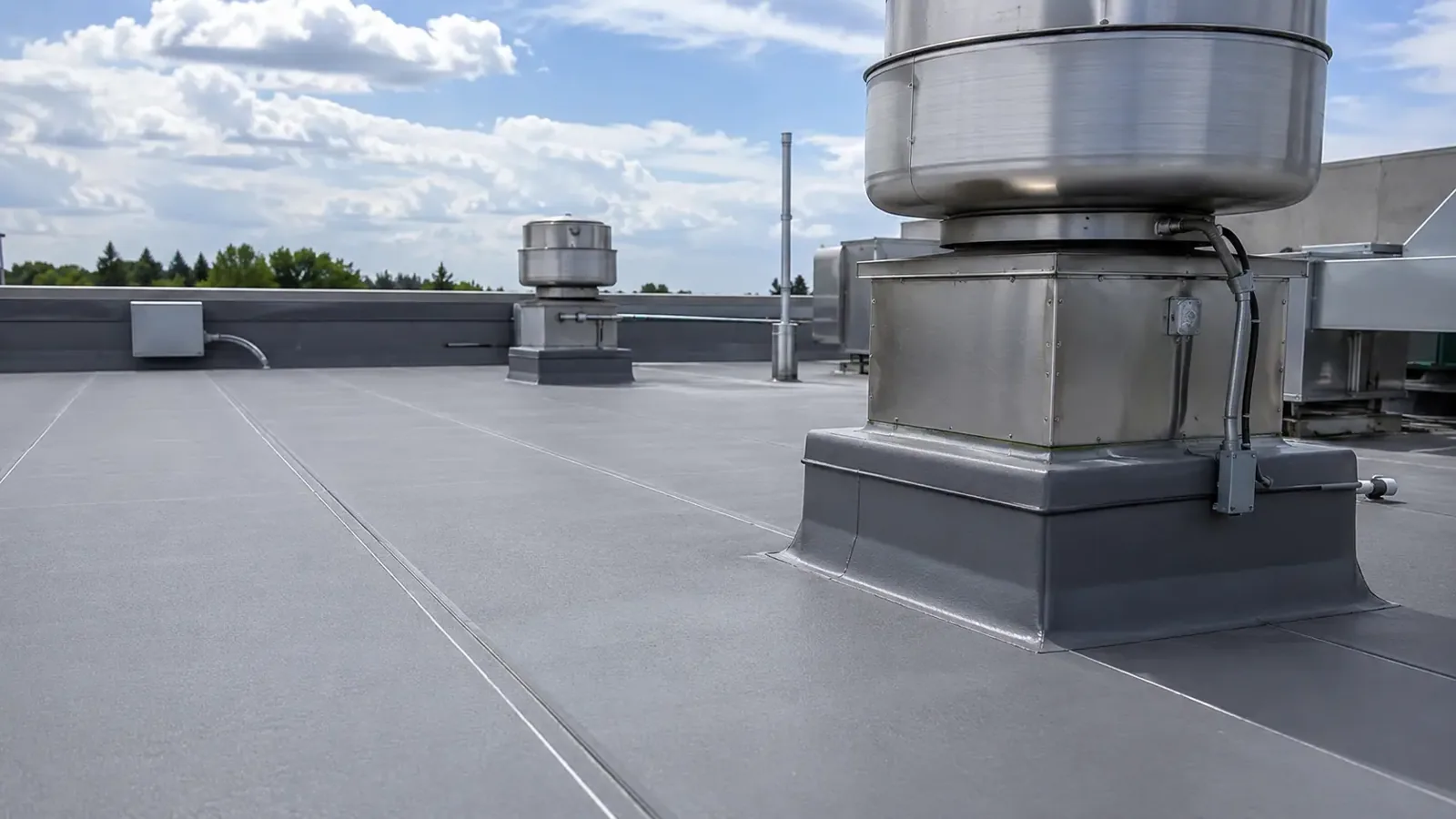
PVC Commercial Roofing
How the work is scoped, documented and phased on occupied Sugar Land buildings.
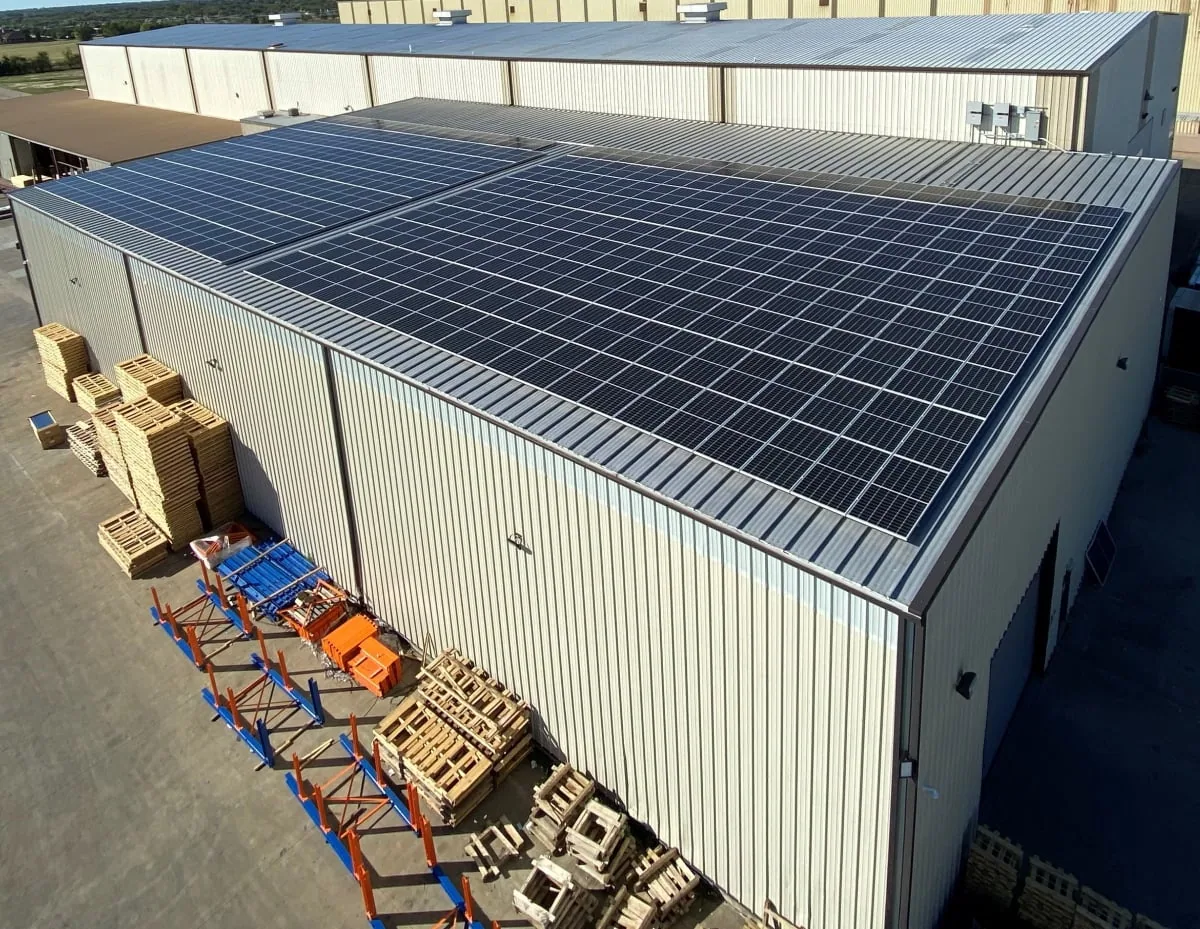
Standing Seam Metal Roofing
What we check on the roof, what we recommend and how the crew keeps the building open.
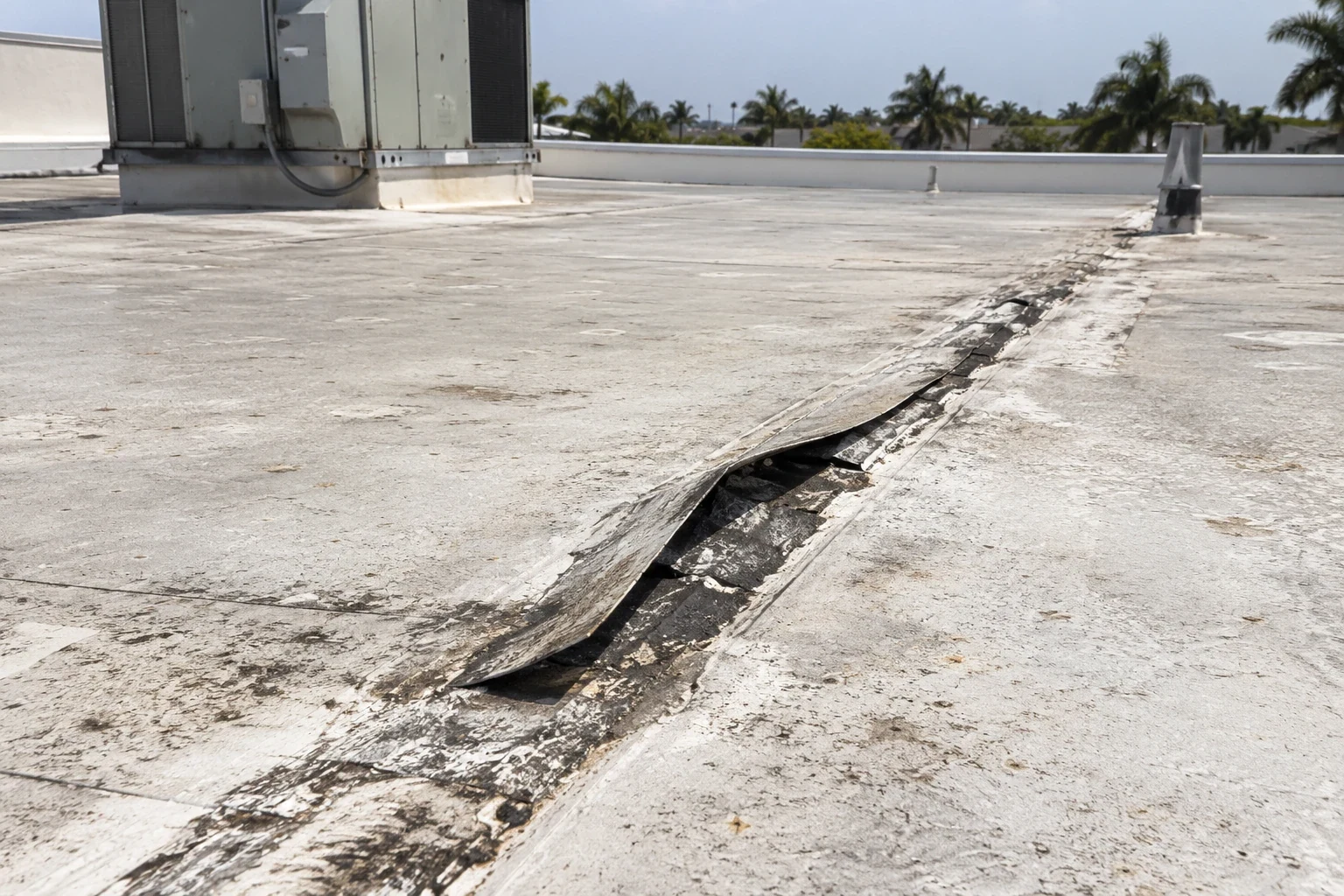
Commercial Roof Seam Repair
Conditions, options and next steps for commercial buildings in Fort Bend County.
Evaluate the EPDM Sheet and Its Connections
Call for an assembly assessment. We will explain seam, moisture and detail findings with photos and identify suitable repair or roofing options for the owner.
Call 555-555-5555 or email [email protected].
Commercial Roofing Questions
Straight answers to the questions building owners and managers ask us most often.
Can EPDM be heat welded like TPO?
The selected EPDM system generally uses compatible tape or adhesive joining methods. Thermoplastic welding methods are different. Repairs need products and preparation suitable for the actual membrane.
Does flexibility mean a detail can move without restraint?
The connection still requires its specified support, termination and movement arrangement. A strained detail can fail despite a flexible sheet. We examine the geometry before selecting another patch.
Is a ballasted assembly suitable for every deck?
Loads and the proposed arrangement require the appropriate structural and assembly review. Visible condition does not establish capacity. Drainage and maintenance access also need consideration.
What makes an adhesive seam fail?
Preparation, moisture, material condition or detail movement can contribute. We investigate the observed connection rather than assigning a cause from appearance alone. The repair addresses confirmed conditions.
When should repair be compared with replacement?
Widespread moisture, recurring defects or unsuitable retained material can change repair value. The comparison follows the investigation and measured scope. A calendar age does not establish the answer by itself.
Attachment and the Deck
EPDM assemblies can use different attachment methods according to the selected design. Adhered, mechanically attached and suitable ballasted arrangements have distinct substrate and detailing needs. The deck and building conditions inform the choice. A system approved for another roof does not establish suitability here without the relevant assembly and project review.
Where ballast is considered, weight, placement and structural capacity require appropriate evaluation. Surface inspection cannot confirm spare capacity. Insulation and cover board likewise need the specified attachment or retention method within the assembly. Their layout is coordinated with the membrane and details, including any change in height at equipment curbs, drain bowls or perimeter terminations.
Color, Heat and Moisture Control
EPDM products can differ in color and surface characteristics. Product ratings and the proposed assembly provide the basis for discussing heat absorption or reflectance. A dark surface does not establish a particular utility cost, and a reflective option does not establish a particular saving. Building insulation, equipment and operating conditions remain relevant to any supported energy analysis.
The humid regional climate also does not dictate a single vapor-control design. Air leakage, interior conditions and the layer sequence determine whether humid air can reach a surface below its dew point. The project team evaluates those relationships where needed. Cool roof comparisons therefore consider the complete assembly rather than assuming that surface color settles every thermal or moisture question.
How a Roof Project Runs
Every roof we take on moves through the same six steps:
01
Roof Walk
We walk the whole roof and photograph the membrane, seams, flashings, drains and equipment.
02
Moisture Check
Readings and core cuts show what is wet below the surface before anyone prices a repair.
03
Written Findings
You get plain-language findings, photos and the options that fit the roof.
04
Scope and Price
One written scope covers the system, the details, drainage changes and the price.
05
Scheduled Work
Crews work around tenants, deliveries and weather, closing the roof every night.
06
Closeout
We walk the finished roof with you and hand over photos and warranty paperwork.
Regional Buildings and Installation Planning
Richmond's routes include US 90A and US 59, while Rosenberg is served by I-69/US 59 and Highway 36. A roof delivery in either setting needs a usable site entrance, unloading area and route to the work. The manager identifies those arrangements with the occupied rooms and equipment affected by installation. We measure the field and survey details during the assessment. The proposal then carries the EPDM assembly and the building's access instructions together into the work plan.
During removal or detail work, the opening is limited to an area that can receive suitable closure under the planned conditions. Material odors and nearby ventilation are coordinated with the facility team. The mechanical team approves the operating window and manages equipment restoration, preserving the required airflow through that coordinated sequence. The schedule is adjusted when the product's preparation or application conditions cannot be met.
Repair Value and the Future Record
A local opening can be repaired where retained material supports a suitable connection. Repeated defects, broad moisture or unsuitable attachment may change the value of that approach. We explain the comparison with roof replacement using observed condition and repair extent. Age alone is not a reason to declare the entire sheet unusable, just as flexibility alone does not prove it remains sound.
Closeout includes the product information, repair locations and photographs of completed seams and transitions. Warranty and maintenance duties follow the issued documents. Later roof visits examine service wear, drains and the condition of earlier patches. If another coating or treatment is proposed, compatibility is reviewed before it changes the surface available for future EPDM repairs.
EPDM field repairs can involve adhered seams, tape, uncured flashing or factory-made accessories, depending on the original design. We remove enough failed material to expose a surface suitable for the selected product and check for moisture at the interface. A patch placed over dust, release residue or damp substrate can fail even when its edges appear secure. Terminations and drain bowls need compatible connections as well as field membrane. The work notes describe the preparation and materials used so later maintenance can inspect the same joint.