
Telfair
Equipment changes can leave a commercial roof with new supports, altered service routes and a flashing detail that no longer matches the opening beneath it. For a Telfair property, we inspect those changes alongside the surrounding membrane before choosing a repair. The task is to restore the roof connection while protecting the occupied building, with moisture findings explained separately from visible surface wear. That gives the manager a clear reason for the proposed work.
Telfair lies along University Boulevard in Sugar Land, TX. Texas Instruments opened a development facility here in early 2014, within a planned community developed on former Central Prison Unit land. For an operating commercial building, inspection begins with its actual equipment, interior use and available roof records. We then define the roof sections included and the access needed for photographs or selected tests.
Supports and Penetrations After an Equipment Change
A support should carry its intended load without damaging the roof surface or creating an uncontrolled opening. We examine the installed base, nearby membrane and flashing for lifting, wear or gaps. A piping change may also leave a capped penetration whose closure needs inspection. Each finding is located so the manager can coordinate roofing tasks with the mechanical or electrical trade involved.
Equipment curb and support work includes the connection to the assembly and the service route around it. Added loads or a changed support arrangement may need structural review before installation. The flashing method follows the actual membrane and curb configuration. A unit installed successfully by another trade does not establish that its roof opening has been closed with compatible materials and adequate movement allowance.
Before a new unit is set, its curb or support arrangement should be matched to the roof assembly and the available structural information. A roofer can identify the flashing and membrane work, while equipment weight, vibration and support design may call for the appropriate mechanical or structural review. We record the location, connection detail and responsible trade before the roof is opened. This keeps a new penetration from being treated as a simple patch after the equipment is already operating.
Water Reports That Follow Equipment Operation
A water report during dry weather should include the time, room and equipment operating nearby. Condensate drainage can continue while the air-conditioning system runs, and retained rainwater may appear after the storm has ended. Condensation is possible where humid air contacts a surface cold enough to be below its dew point. Those mechanisms require different corrections, so the inspection does not begin by treating every drip as an open membrane seam.
We compare interior observations with roof penetrations, mechanical drainage and accessible assembly details. A leak investigation may need controlled testing, an authorized sample or mechanical review to settle the path. The report states what the visit established and which further check is useful. Photographs help the manager explain why a confirmed flashing repair is separate from an equipment drain adjustment or an air-control correction.
Heat Aging Around Earlier Repairs
Sugar Land reached a record 109 F in August 2023. On a sunlit roof, material temperatures and daily movement can expose weak bonding at an earlier patch. We inspect cracking, edge lifting and changes in texture where present, then assess compatibility with the underlying membrane. The correction includes preparation and removal of unsuitable material rather than simply covering the same failed edge again.
A reflective finish can change solar absorption, but it does not establish the cause of a leak or correct unsuitable insulation. For a proposed cool roof assembly, the decision considers substrate condition, moisture, attachment and drainage as well as the selected surface. Interior temperature performance also depends on the rest of the building. The owner receives the roofing purpose of the change without treating reflectivity as a complete explanation of the energy bill.
Related Roofing Pages
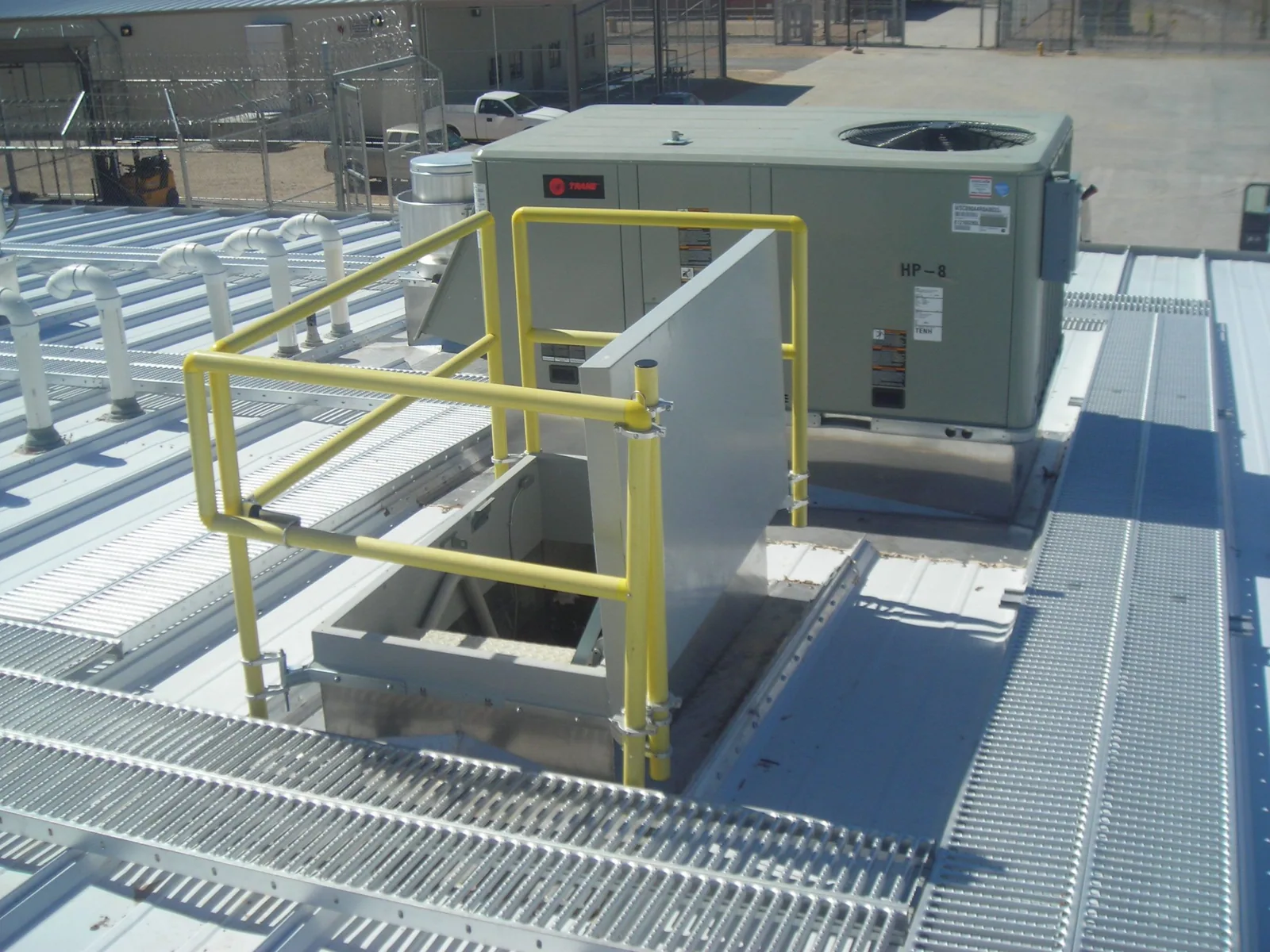
Rooftop Equipment Curbs and Supports
How the work is scoped, documented and phased on occupied Sugar Land buildings.
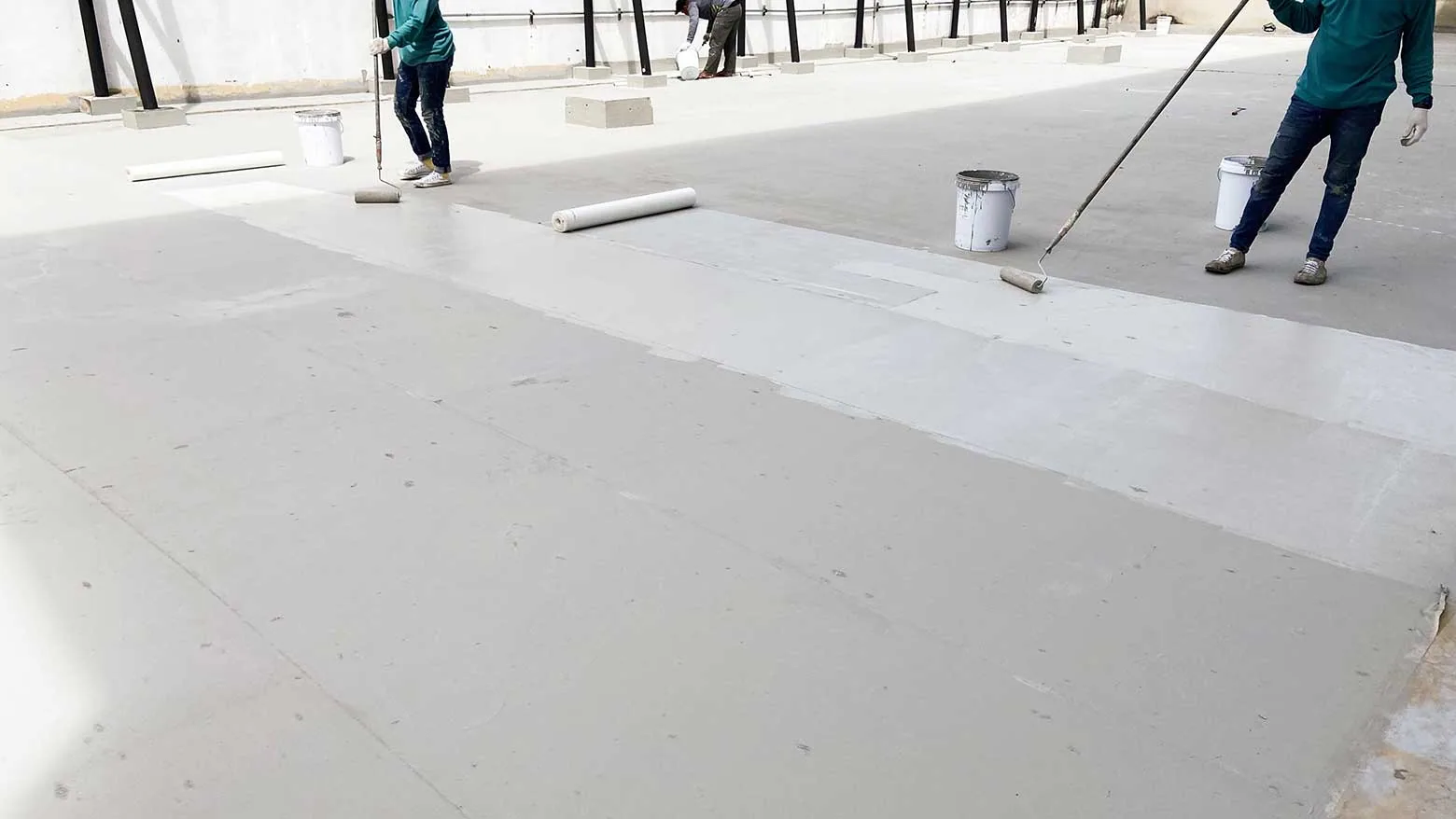
Commercial Roof Leak Repair
What we check on the roof, what we recommend and how the crew keeps the building open.
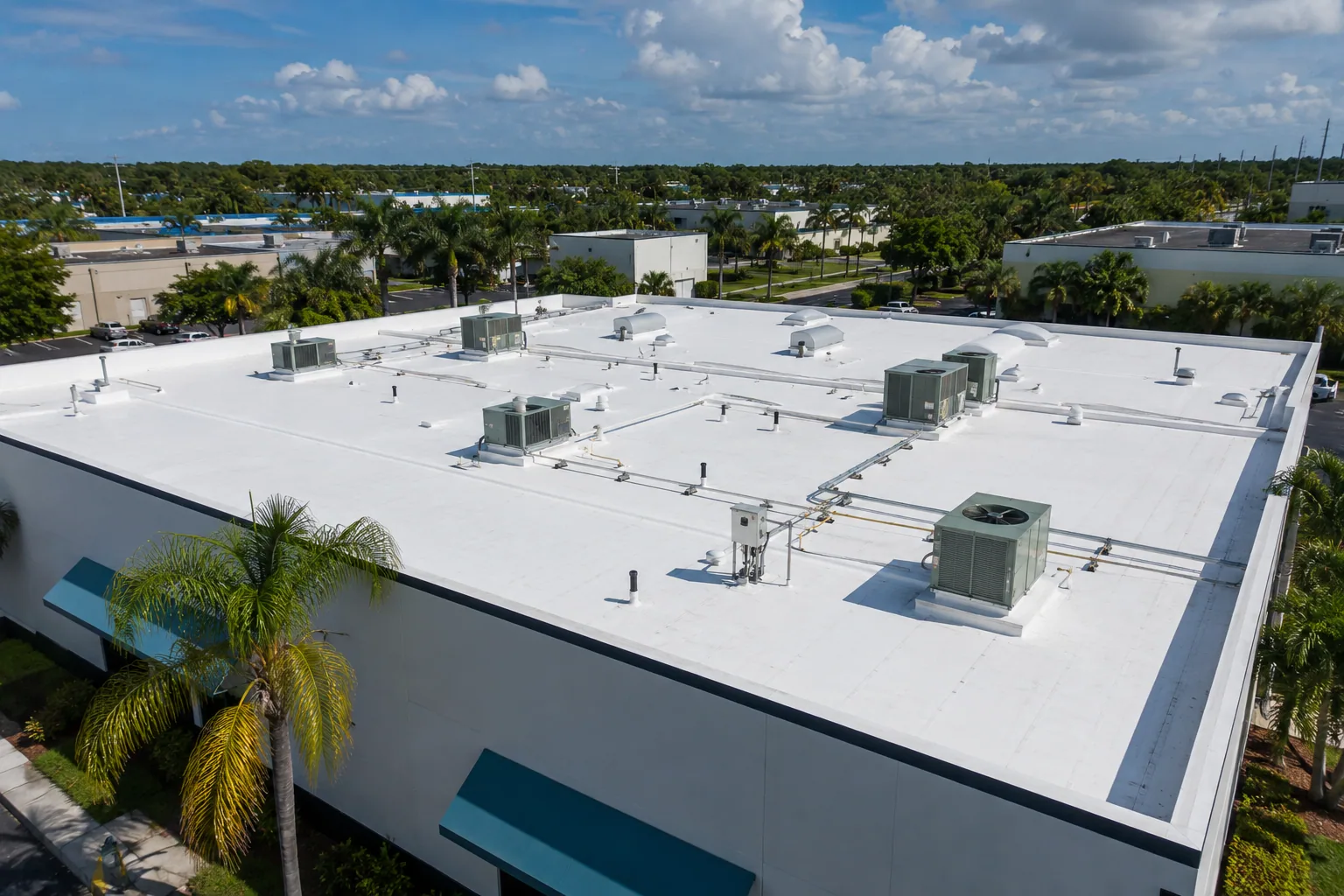
Cool Roof Installation
Conditions, options and next steps for commercial buildings in Fort Bend County.
Understand the Telfair Roof and Equipment Detail
Arrange photos and a clear explanation of the moisture path, equipment connections and work options for your Telfair commercial building.
Call 555-555-5555 or email [email protected].
Commercial Roofing Questions
Straight answers to the questions building owners and managers ask us most often.
What should be checked after equipment is moved to another curb?
Inspect the new flashing, support and surrounding membrane, then examine the closure at the old location. Loading and attachment may need review. We record both areas so the completed equipment move does not leave an undocumented roof opening.
Can dry-weather water entry come from the roofing assembly?
Retained rainwater can appear after weather clears, and condensation can occur under suitable moisture and temperature conditions. Equipment drainage is another possibility. Reported timing and targeted investigation establish which path needs correction.
Does a reflective surface remove the need for moisture testing?
Reflectivity concerns solar absorption, while moisture testing investigates concealed condition. Both can matter to a replacement or restoration choice. A reflective finish cannot make saturated or poorly attached layers suitable to retain.
Why does the proposal identify estimated moisture boundaries?
Tests examine selected locations, and some wider boundaries remain interpretations. Identifying them shows the owner where quantities are supported and where further investigation is needed. That helps explain changes if opened areas reveal additional deterioration.
Moisture Boundaries and Outlet Conditions
A stain near a drain can involve the drain flashing, restricted flow or water arriving from another roof section. We examine the outlet and surrounding surface, record debris and compare standing-water locations with elevations. Cleaning is distinguished from changing the design. An added outlet or tapered area requires coordination with plumbing and structural requirements before a correction is installed.
A thermal moisture survey can identify patterns for further investigation when conditions provide useful contrast. The patterns need interpretation with the installed assembly and appropriate confirmation. A sample describes layers at its selected location rather than every concealed section. We map tested points and estimated boundaries so the owner can understand the basis of removal quantities and any areas still requiring examination.
The Extent of Work the Findings Support
Localized damage may support a defined repair where adjoining materials, attachment and drainage are suitable. Wet or deteriorated layers within the affected area need correction as part of that scope. We state the removal depth, rebuilt detail and closure method before the work begins. If findings expand after opening the assembly, the manager receives the evidence and revised work needed rather than an unexplained change in quantity.
A coating needs a compatible, sound substrate and adequate adhesion, with moisture and drainage concerns addressed. A recover requires additional review of retained layers, structural suitability and applicable project requirements. Widespread deterioration may support replacement. The comparison separates preparation, insulation corrections, access equipment and rebuilt penetrations, showing the owner how each option responds to the documented condition.
Installation timing follows actual material limits and operating requirements. Surface moisture and product storage affect the available application window, while a short access period can require repeated protection and mobilization. The scope records those provisions rather than promising a fixed sequence before the building restrictions are known. Any proposed assembly is reviewed for the permit, energy and attachment requirements applying to that property.
When a repair reveals a different layer sequence than the records describe, the exposed area is photographed and the next step is paused for review. The revised work may involve additional removal, a compatible transition or an engineering question. We explain how the finding affects the closure plan and quantities before expanding the scope. An estimate based on observed construction is easier to evaluate than a broad allowance with no stated trigger for its use.
How a Roof Project Runs
Every roof we take on moves through the same six steps:
01
Roof Walk
We walk the whole roof and photograph the membrane, seams, flashings, drains and equipment.
02
Moisture Check
Readings and core cuts show what is wet below the surface before anyone prices a repair.
03
Written Findings
You get plain-language findings, photos and the options that fit the roof.
04
Scope and Price
One written scope covers the system, the details, drainage changes and the price.
05
Scheduled Work
Crews work around tenants, deliveries and weather, closing the roof every night.
06
Closeout
We walk the finished roof with you and hand over photos and warranty paperwork.
A Service Route That Protects the Membrane
Repeated equipment access can concentrate traffic around particular curbs and seams. We identify worn routes, displaced protective material and supports rubbing against the roof, then propose compatible measures where needed. A maintenance entry records the defect and the task completed. Subsequent photographs can show whether traffic has moved or another equipment alteration introduced a new concern.
Telfair's University Boulevard setting guides the approach to the property, while its receiving hours and actual entrances determine staging. For a separate building in First Colony or at Sugar Land Business Park, we establish new access and roof findings. Here, the manager agrees interior protection and air-handling precautions before openings are made. Emergency reports are accepted overnight and on holidays, with possible measures assessed against available crews, weather and safe access.