
Cool Roof Installation
A reflective roof can reduce absorbed sunlight while an open seam still admits rain beneath it. Surface reflectivity and water control are different requirements, and a useful roof proposal addresses both. Cool roof installation in Sugar Land, TX begins with the existing assembly and the building's needs. We compare suitable membranes or coatings, explain the insulation and drainage work and show the owner what the selected system is intended to accomplish.
A light surface does not establish a sound roof or predict a particular utility saving. Heat flow also depends on insulation, air leakage, building operation and equipment efficiency. We keep those influences visible when discussing options. The manager receives an assembly recommendation based on observed condition and product information rather than a promise derived from roof color alone.
Reflectivity and the Surface Record
Solar reflectance describes the portion of sunlight reflected by the surface, while thermal emittance describes how it releases heat. Product ratings provide useful comparison within their stated test conditions. Aged values can be particularly relevant because exposure changes the surface over time. The proposal identifies the specified product rather than assuming every white membrane has the same performance.
Accumulated dirt, residue and biological growth can change the surface condition. Cleaning methods need to suit the product and the existing roof, with wastewater handling coordinated for the property. Abrasive treatment that damages the membrane is not a useful route to a brighter appearance. We retain product care instructions so later maintenance preserves water-control details as well as the surface characteristics.
The Existing Roof Beneath the Color
Before selecting a reflective overlay or coating, we inspect seams, terminations, attachment and drainage. Suitable testing investigates suspect moisture below the sheet. A dry sample describes its location and does not establish that the whole roof is suitable to retain. A coating can improve the surface characteristics of an eligible assembly, but it cannot dry concealed insulation or replace a compromised substrate.
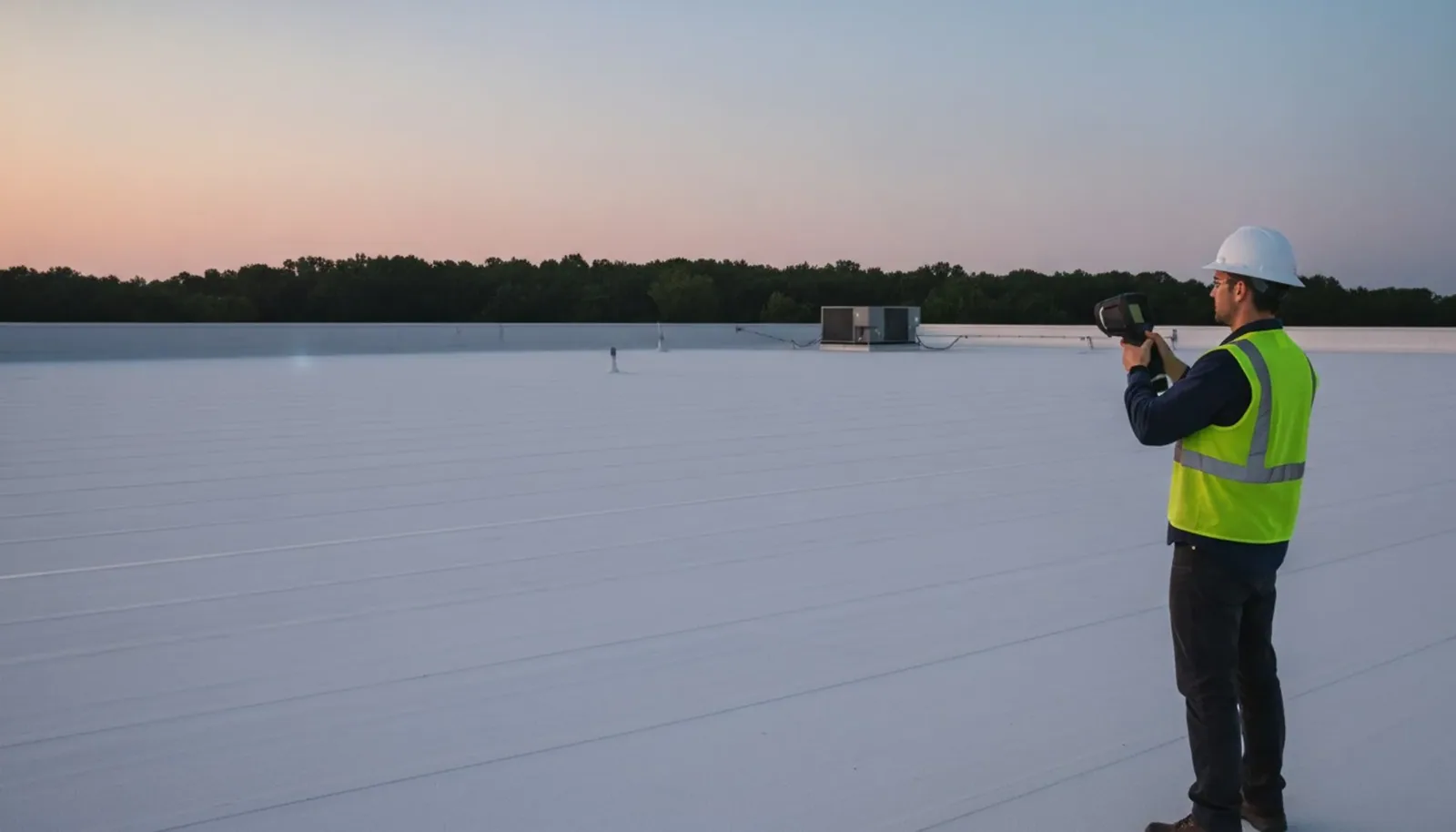
An infrared survey with confirmatory checks may help identify suspect areas under suitable weather and construction conditions. The resulting report distinguishes thermal patterns from verified moisture. If deterioration or moisture makes retention unsuitable, the comparison shifts toward roof replacement. The owner can then judge options that address the assembly rather than choosing an appearance while leaving defects beneath it.
Membranes and Coating Alternatives
A reflective single-ply membrane provides its surface properties as part of a new sheet system. TPO roofing and other suitable membranes need compatible flashing, attachment and seam work, with selection based on the actual building. Product chemistry and exposure can influence the choice. A roof serving equipment with particular residues needs evaluation of those conditions before material selection.
Reflective coating restoration is another route where the retained roof is eligible. It requires preparation, adhesion testing and an application sequence suitable for the specified product. Coating chemistry, thickness and cure conditions remain product-specific. Comparing a coating with a new membrane therefore involves preparation and retained condition as well as reflectance, with distinct scopes for any necessary wet-area removal.
Related Roofing Pages
Infrared Roof Moisture Surveys
How the work is scoped, documented and phased on occupied Sugar Land buildings.
Commercial Roof Replacement
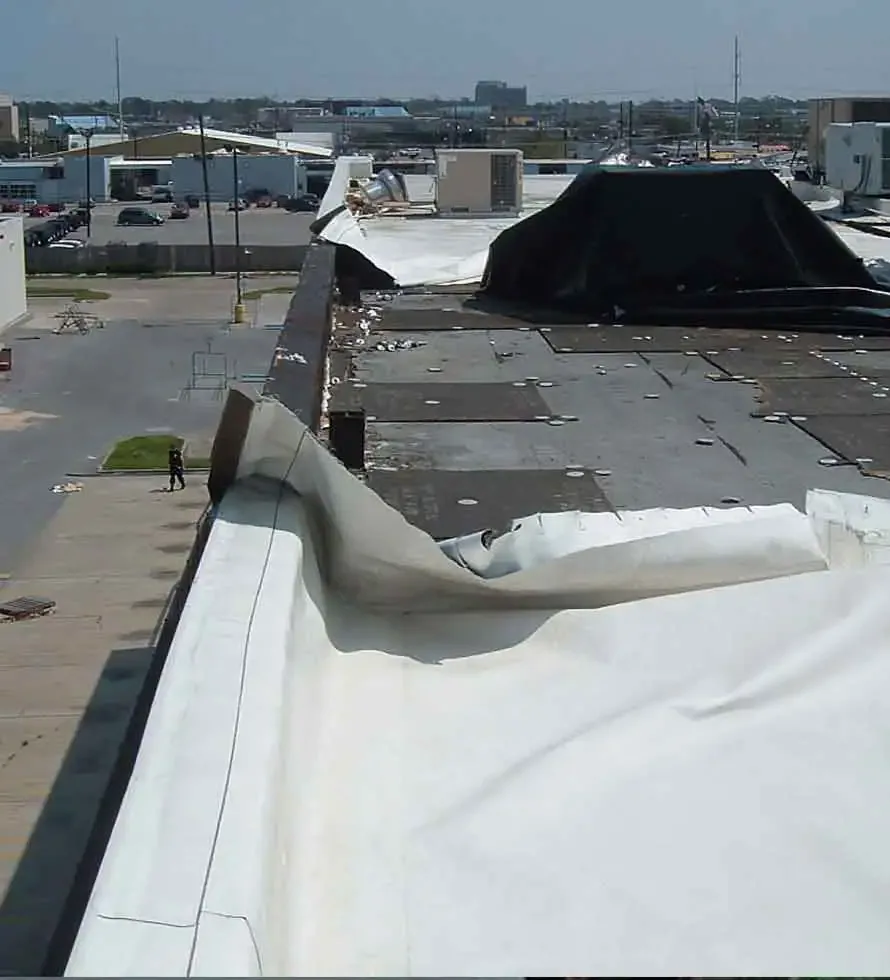
What we check on the roof, what we recommend and how the crew keeps the building open.
TPO Commercial Roofing
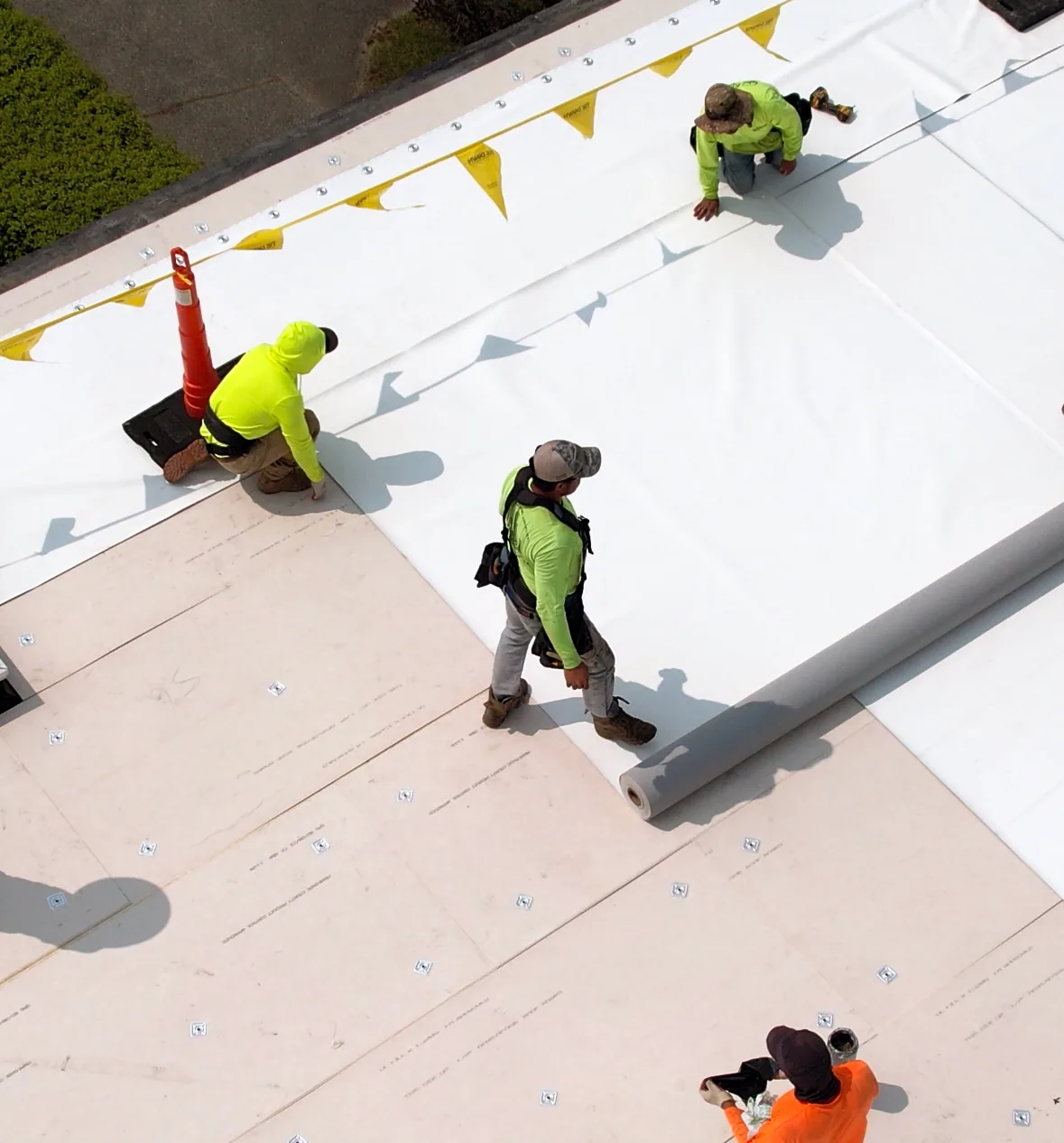
Conditions, options and next steps for commercial buildings in Fort Bend County.
Compare the Complete Cool Roof Assembly
Call for a roof assessment. We will explain the surface, moisture and drainage findings with photos so the owner can compare suitable reflective roof options.
Call 555-555-5555 or email [email protected].
Commercial Roofing Questions
Straight answers to the questions building owners and managers ask us most often.
Does a white roof always reduce utility bills by the same amount?
Energy effects depend on the building and its operation. Surface ratings do not establish a particular saving. A supported prediction requires a building-specific analysis with the relevant roof and equipment information.
Can a reflective coating cover wet insulation?
Unsuitable wet material needs investigation and removal within supported limits. Coating does not dry it or resolve its water source. Retention is considered only after the assembly is evaluated.
Is reflectivity a substitute for insulation?
The two address different parts of heat transfer. The selected roof and insulation need to meet the applicable project requirements. We explain both in the proposed assembly.
Will a cool roof correct ponding?
Surface color does not change slope or outlet capacity. We investigate the retained water separately and identify suitable drainage work. The selected product also needs appropriate exposure limits.
What should the manager keep after installation?
Retain product ratings, assembly details, application records and maintenance instructions. Photographs locate the completed repairs and transitions. Those records support later care and compatible repair work.
Insulation and Moisture Control
Insulation changes resistance to heat flow through the roof. A reflective finish affects the solar energy absorbed at its surface. Those effects work at different parts of the assembly, so one does not automatically substitute for the other. We evaluate the proposed insulation and cover board together with the roof system and applicable project requirements.
A change in roof surface temperature can also alter drying and condensation behavior in some assemblies. The air-control layers, vapor movement and interior conditions need consideration where the design warrants it. Sugar Land's humidity does not by itself establish a need for a particular vapor retarder. The project team evaluates the actual building rather than turning a regional climate description into a universal layer sequence.
Drainage and Installation Conditions
Reflectivity does not move water toward an outlet. Persistent ponding still needs investigation of slope, drainage components and any suspected structural issue. We inspect the path to drains and scuppers, then identify the work needed to correct observed restrictions or unsuitable details. Product resistance to retained water does not settle a drainage capacity question.
Installation conditions follow the selected membrane, adhesive or coating instructions. Actual roof temperature, moisture and weather can differ from the reported air conditions. A product that requires a dry substrate or a defined cure interval cannot be installed based only on a favorable-looking morning. The sequence includes suitable daily closure and communication when conditions postpone bonding or application work.
How a Roof Project Runs
Every roof we take on moves through the same six steps:
01
Roof Walk
We walk the whole roof and photograph the membrane, seams, flashings, drains and equipment.
02
Moisture Check
Readings and core cuts show what is wet below the surface before anyone prices a repair.
03
Written Findings
You get plain-language findings, photos and the options that fit the roof.
04
Scope and Price
One written scope covers the system, the details, drainage changes and the price.
05
Scheduled Work
Crews work around tenants, deliveries and weather, closing the roof every night.
06
Closeout
We walk the finished roof with you and hand over photos and warranty paperwork.
Local Properties and Work Planning
Sugar Land Town Square brings retail, offices and a hotel together in its mixed-use center. The installation plan identifies the particular building's entrances and the spaces affected by deliveries, removal or coating. The manager names the contacts who receive work notices and approves the route from unloading to the roof. We measure the field and survey curbs, outlets and walls while planning those logistics. That gives the owner a complete scope in which the reflective finish, required detail work and operating arrangements can be compared together.
A First Colony building receives the same assembly-based review. The survey records the membrane and supporting assembly, while the manager supplies the current equipment and service information. When removal is needed over occupied rooms, occupied-building sequencing coordinates protection, access and any planned mechanical controls. Those requirements belong in the scope so a surface-performance comparison does not overlook the construction needed to achieve it. A reflective-system proposal for South Houston starts with the roof's existing condition and drainage.
Performance Questions and Maintenance
The owner may want to understand how the proposal affects energy use. A building-specific analysis is needed for a supported prediction because roof area, insulation and operation influence the result. We provide the roof quantities and specified material information available from the assessment. A reflectance rating alone does not quantify the change in that building's bills.
Closeout includes product records, repaired detail photographs and the maintenance instructions relevant to the installed assembly. Later inspections check seams, drains and surface condition together. A bright roof with a failed termination still needs repair, while dirt alone does not prove loss of waterproofing. The condition history helps the manager distinguish an appearance concern from a functional defect and select the appropriate next action.
Product comparison should use the same performance measure and assembly assumptions. We identify whether a stated rating applies to a new membrane, a coating or a tested product configuration, then compare it with the roof condition and insulation plan. A surface change can affect absorbed solar energy, but it does not establish a building-specific utility result. If energy savings are part of the decision, a separate analysis can use the property's area, use and operating data.