
Built-Up Commercial Roofing
A built-up roof can have a small surface opening above a more complicated layer history. Earlier patches, added plies and retained moisture may change the repair needed beneath that visible defect. Built-up commercial roofing in Sugar Land, TX evaluates the layered assembly before another surface treatment is selected. We record its accessible condition and explain the investigation needed to define suitable work.
Built-up roofing uses multiple reinforcing plies within an asphalt-based assembly, with the selected surfacing and details completing the system. The redundancy of layers does not establish that concealed water is harmless or that attachment remains sound. We evaluate those questions separately. Owners receive a scope based on the roof found at the building, rather than a general assumption that several plies always make retention appropriate.
Modified bitumen sheet systems share bituminous construction with built-up roofing but need their own materials and installation method. An EPDM assembly changes the connection procedure further. Compare the actual proposed layers and operating controls before selecting between those scopes.
Ply History and Repair Boundaries
Available records can describe the installed system, but selected openings may be needed to confirm the layer sequence. We identify reinforcement, insulation and deck conditions where examined. An addition or earlier repair can differ from the surrounding roof. Those differences remain on the roof plan instead of being simplified into one presumed assembly.
A roof inspection links the visible defects to those findings. The age of a building or district cannot establish the roof's current age, especially where later work is undocumented. Repair boundaries need sound material for the connection and support. If the opening exposes conditions beyond the preliminary scope, the revised removal and reconstruction are explained before affected work proceeds.
Surfacing and Water Routes
Aggregate or another specified surface treatment protects the built-up assembly according to its design. Displaced surfacing, exposed reinforcement and cracked asphalt are recorded as distinct observations. A bare area may require restoration without proving that water has reached the insulation. Conversely, water can enter at a flashing while much of the field surface remains protected.
Where aggregate conceals the relevant detail, controlled removal or another suitable inspection method may be needed. We do not infer seam condition from a distant image of the gravel surface. Leak investigation compares roof findings with interior water timing and location. The resulting repair addresses the verified route rather than treating every stain as evidence of a field-ply failure directly above it.
Blisters, Splits and Movement
Blisters and splits need investigation of their condition and surrounding assembly. A raised area does not by itself establish wet insulation, and a recurring split can involve movement below the surface. We identify whether the finding affects the connection, support or broader removal scope. Testing is chosen to answer those questions rather than assigned automatically to every surface mark.
Flashing reconstruction can be necessary where a wall or curb detail repeatedly separates. The selected system's materials and movement requirements guide the repair. Applying another layer over an unsupported transition may repeat the same problem. Photographs preserve the exposed detail and the reason for rebuilding it so future maintenance does not mistake a larger patch for unexplained excess work.
Related Roofing Pages
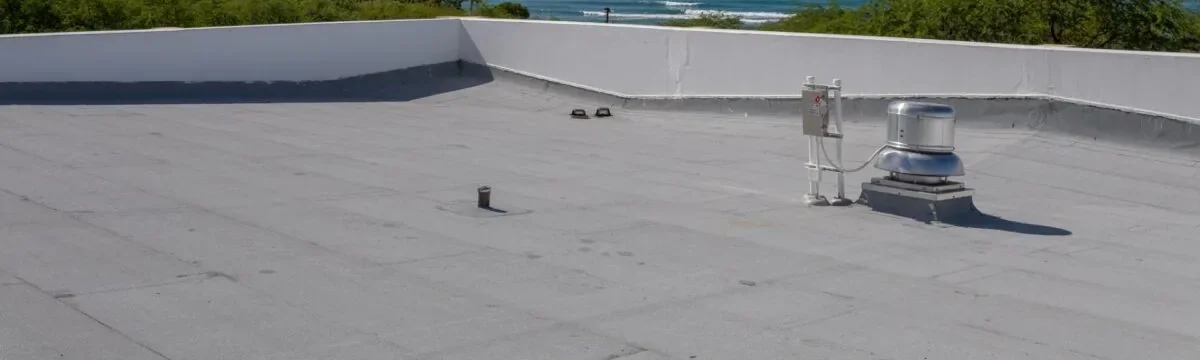
Modified Bitumen Roofing
How the work is scoped, documented and phased on occupied Sugar Land buildings.
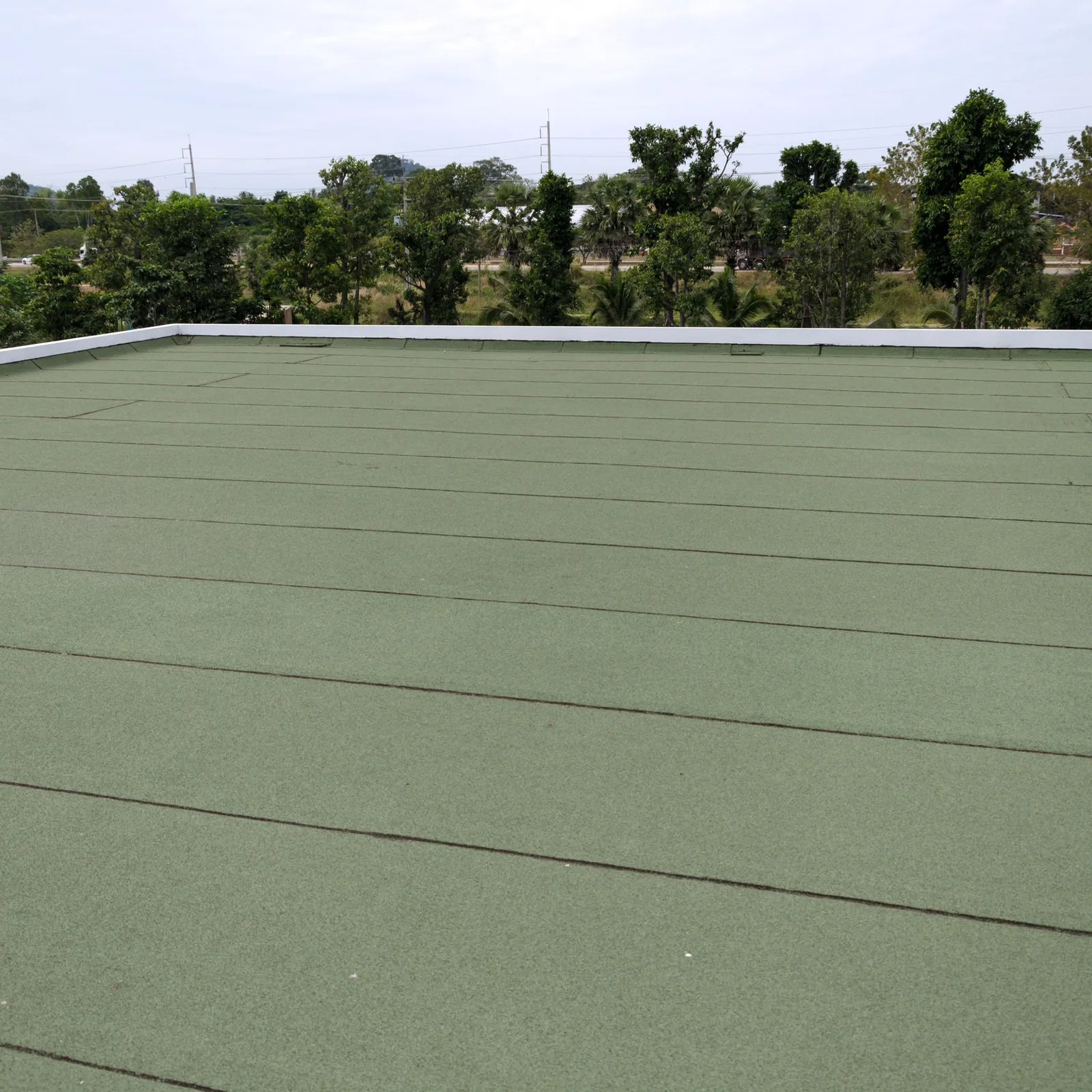
EPDM Commercial Roofing
What we check on the roof, what we recommend and how the crew keeps the building open.
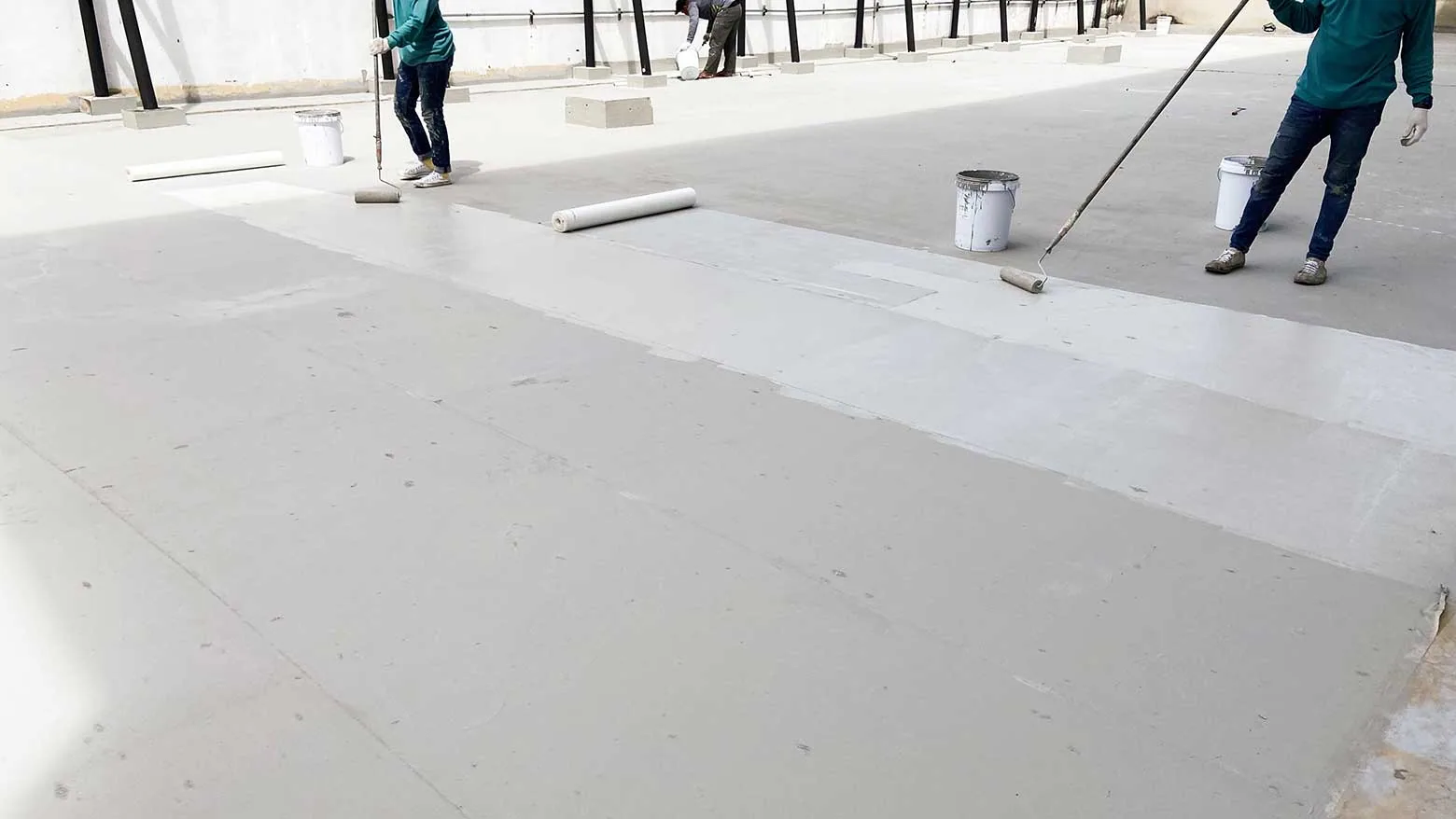
Commercial Roof Leak Repair
Conditions, options and next steps for commercial buildings in Fort Bend County.
Read the Layers Before Adding Another Treatment
Call for a built-up roof assessment. We will explain the surfacing, moisture and detail findings with photos and compare suitable work for the owner.
Call 555-555-5555 or email [email protected].
Commercial Roofing Questions
Straight answers to the questions building owners and managers ask us most often.
Do multiple plies make concealed moisture acceptable?
Layer count does not establish suitability of wet materials. Moisture extent and retained condition need investigation. The removal scope follows the findings and applicable assembly requirements.
Can a gravel surface be inspected fully from aerial photographs?
Images can provide orientation but may conceal details beneath the surfacing. Close inspection or selected opening may be needed. The report identifies observation limits.
Does a blister always require full roof replacement?
The cause, condition and extent need evaluation. Some findings can be addressed locally when surrounding materials are suitable. Broad deterioration can change the value of that approach.
Will a new layer correct an existing low area?
Drainage geometry and the cause of retention require separate evaluation. Another layer may change detail heights without correcting the water path. The proposed layout needs a supported design.
How should restoration be compared with replacement?
Compare complete scopes using moisture, attachment, surface condition and required preparation. A lower-removal option is useful only where retention is suitable. The owner receives the evidence and remaining uncertainty.
Concealed Moisture and Retention
Moisture methods must suit the roof construction and conditions. Surfacing and layered materials can affect the usefulness of thermal or other observations. An infrared investigation is used where a useful pattern can be obtained, with suitable confirmation of suspect areas. The report states what was verified and where interpretation remains limited.
Retaining a built-up roof beneath a new assembly requires more than a dry sample. Recover evaluation considers attachment, material condition, layer configuration and applicable requirements together with moisture extent. Unsuitable materials receive a supported removal scope. Broad deterioration or uncertainty may justify comparison with replacement rather than another layer that makes future investigation harder.
Application and Occupied Operations
A new built-up assembly follows its specified materials and application method. Where hot-applied asphalt is proposed, equipment placement, handling and fire-prevention controls need an appropriate project plan. Other approved methods can have different preparation and exposure requirements. The scope identifies the actual work so operating controls are planned around a known process.
Occupied-building sequencing coordinates room protection, daily closure and nearby ventilation with the facility team. Odor and access concerns are evaluated for the chosen materials and installation. An intake isolation window is approved by the responsible mechanical team when needed; arbitrary covering of an operating intake is not a roofing shortcut. The manager receives notification when changing conditions require a different sequence.
How a Roof Project Runs
Every roof we take on moves through the same six steps:
01
Roof Walk
We walk the whole roof and photograph the membrane, seams, flashings, drains and equipment.
02
Moisture Check
Readings and core cuts show what is wet below the surface before anyone prices a repair.
03
Written Findings
You get plain-language findings, photos and the options that fit the roof.
04
Scope and Price
One written scope covers the system, the details, drainage changes and the price.
05
Scheduled Work
Crews work around tenants, deliveries and weather, closing the roof every night.
06
Closeout
We walk the finished roof with you and hand over photos and warranty paperwork.
Drainage and the Supporting Roof
Added layers can change heights at curbs and drains, so those transitions are checked before reconstruction. The insulation layout and attachment belong to the selected assembly, with the deck evaluated where its condition is uncertain. Roof layers do not establish structural capacity simply because they appear intact. Concentrated material staging likewise needs the appropriate loading plan.
Drainage work distinguishes debris removal from alterations to outlet position or capacity. Persistent low areas require evaluation of geometry and cause rather than another surface layer by default. Ground movement reported across the region cannot diagnose a particular deck. The proposal explains the drainage correction and any separate review needed before the assembly is rebuilt.
Regional Context and Future Care
For a property in Pecan Grove, the roof assessment begins with the authorized building, available records and the detail interfaces the project team wants examined. The community includes varied residential, commercial, school and recreation uses, so the particular building's installed layers and drainage must be established on site. We locate access points, adjoining walls and transitions on the survey plan. Selected openings and photographs preserve assembly findings for technical review. Where other restoration work is planned, the sequence identifies the related team before the roofing connection is rebuilt.
In Rosenberg, each commercial property receives its own layer and condition review. Closeout retains repair photographs, product information and the locations of reconstructed details. Later maintenance checks surfacing, outlets and recurring defects against that record. An eligible restoration treatment is considered only with suitable moisture, preparation and adhesion evidence, keeping the next decision tied to condition instead of adding material simply because the roof is asphalt-based.
Built-up roofs can have multiple plies, surfacing and earlier repairs that conceal the original assembly. We use accessible edges, records and authorized openings to identify what remains before pricing removal or restoration. A gravel surface may need local displacement to expose a defect, and a patch must join a suitable layer rather than bridge loose surfacing. Drainage and wall flashings receive separate checks because water can enter at those transitions while the field still appears sound. Findings mark the tested point and the broader area that remains unconfirmed.