
Manufacturing Plant Roofing
Residue beside a process exhaust can change a roof repair even when the opening looks small. The substance, its temperature and the exposed membrane determine whether a patch will remain suitable at that location. For a manufacturing plant in Sugar Land, TX, we examine the deposit and the surrounding assembly before selecting repair materials. Discoloration or stiffness is recorded as a symptom, not proof of chemical damage. The property manager receives an explanation that connects the observed condition with the investigation still needed.
Process Residue and Material Compatibility
Kitchen grease, process oil and cleaning compounds cannot be treated as one exposure. Concentration, temperature and duration matter, as does the exact membrane formulation. We ask the operator what reaches the roof, where it is released and whether operating changes altered the deposit. Product-specific compatibility information is checked before a repair or replacement assembly is proposed. A generic recommendation for PVC, TPO or another family is insufficient without that comparison.
Equipment can also leak water independently of the roof. Condensate lines, cooling equipment and washdown runoff are traced separately from rainfall entry. A collection tray or changed exhaust arrangement may form part of the correction, but that work needs mechanical coordination. The roofing scope identifies the contaminated area, preparation requirements and material that must be removed. Suitable PVC assemblies are considered on the evidence, alongside alternatives permitted for the actual exposure.
A cleaning trial has a limited purpose: it shows how a proposed preparation method affects the sampled surface. It does not prove long-term resistance to every process substance. The trial location, preparation, observed reaction and resulting adhesion are recorded for review. Where the deposit cannot be identified or safely removed, a patch should not proceed on an assumed clean substrate. The operator may need to change collection or exhaust handling before roof material is replaced.
Equipment Loads and Flashing Clearance
A new machine or fan can alter the demands on an existing support. Its weight, vibration and attachment may differ from the equipment removed, even where the opening has not changed. Roof drawings and accessible framing help the designer review the proposed load path. We inspect flashing clearance, movement at the curb and drainage around the support. A sound-looking membrane cannot establish that the support is adequate for new equipment.
The curb and equipment support work is coordinated with the operator before lifting or isolation. Changes to ducts and pipes should preserve their required movement without pulling at the membrane detail. Service walkways protect appropriate routes, but cannot obstruct water flow or substitute for structural review. Access restrictions are shown on the working plan. The manager can then explain why an equipment change may require more than sealing around a larger pipe.
Industrial Use and Building-Specific Findings
Sugar Land Business Park contains light-industrial and warehouse space. That mix makes operating conditions an essential part of the inspection: one tenant may require clean handling while another needs exhaust access or a protected loading route. We establish what happens in the actual building rather than infer it from the park address. Plant floor area and employer size do not describe roof area or membrane condition. The inspection records the roof sections, materials and defects directly.
In Telfair, the Texas Instruments development facility provides a different local industrial context. A facility's opening date still does not identify the current roof layers or prove a replacement history. Records and authorized samples resolve those questions for the building under review. Where a property combines manufacturing with office space, work restrictions may change across the same roof. The scope distinguishes occupied areas and their actual protection needs.
Related Roofing Pages
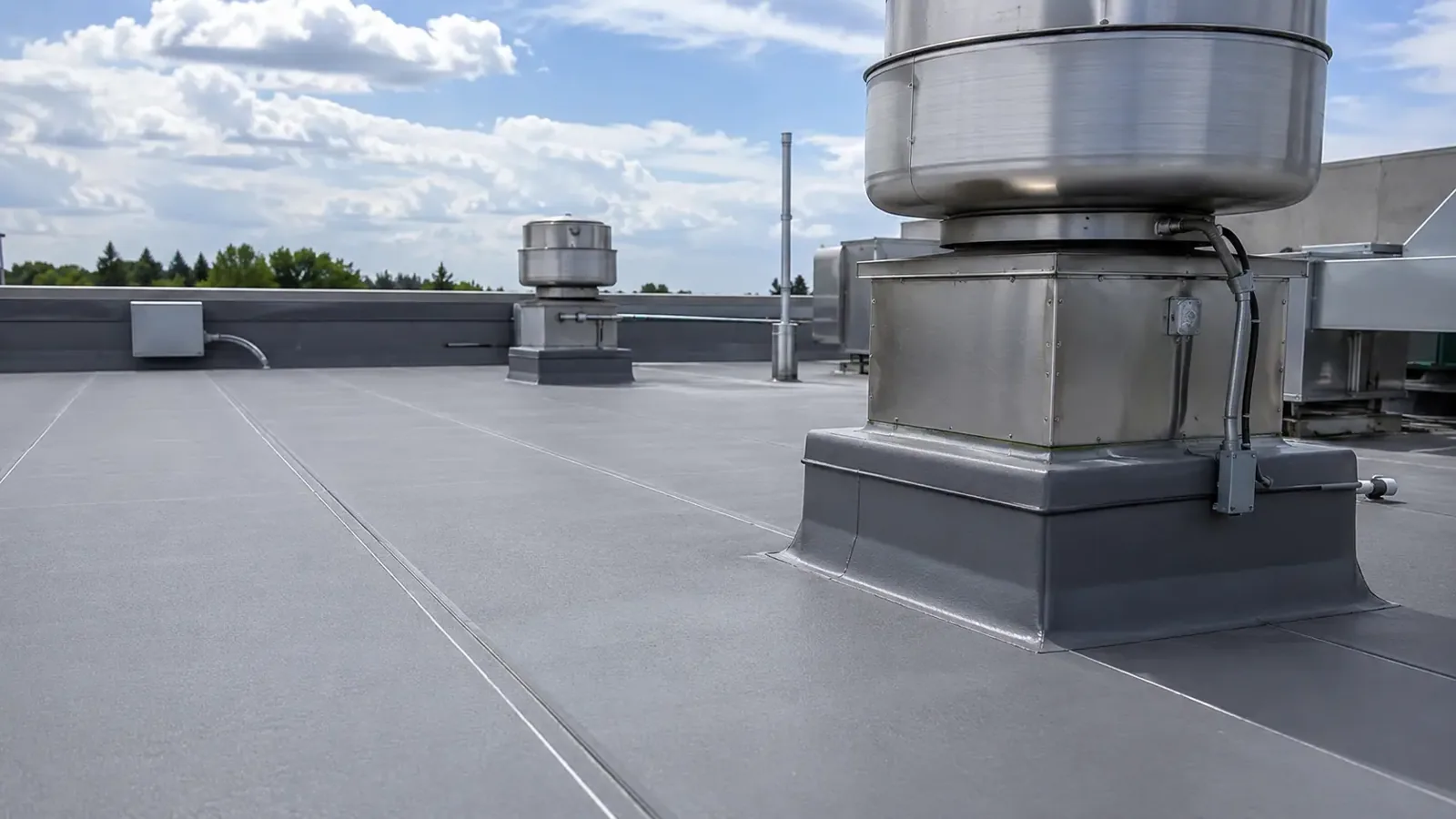
PVC Commercial Roofing
How the work is scoped, documented and phased on occupied Sugar Land buildings.
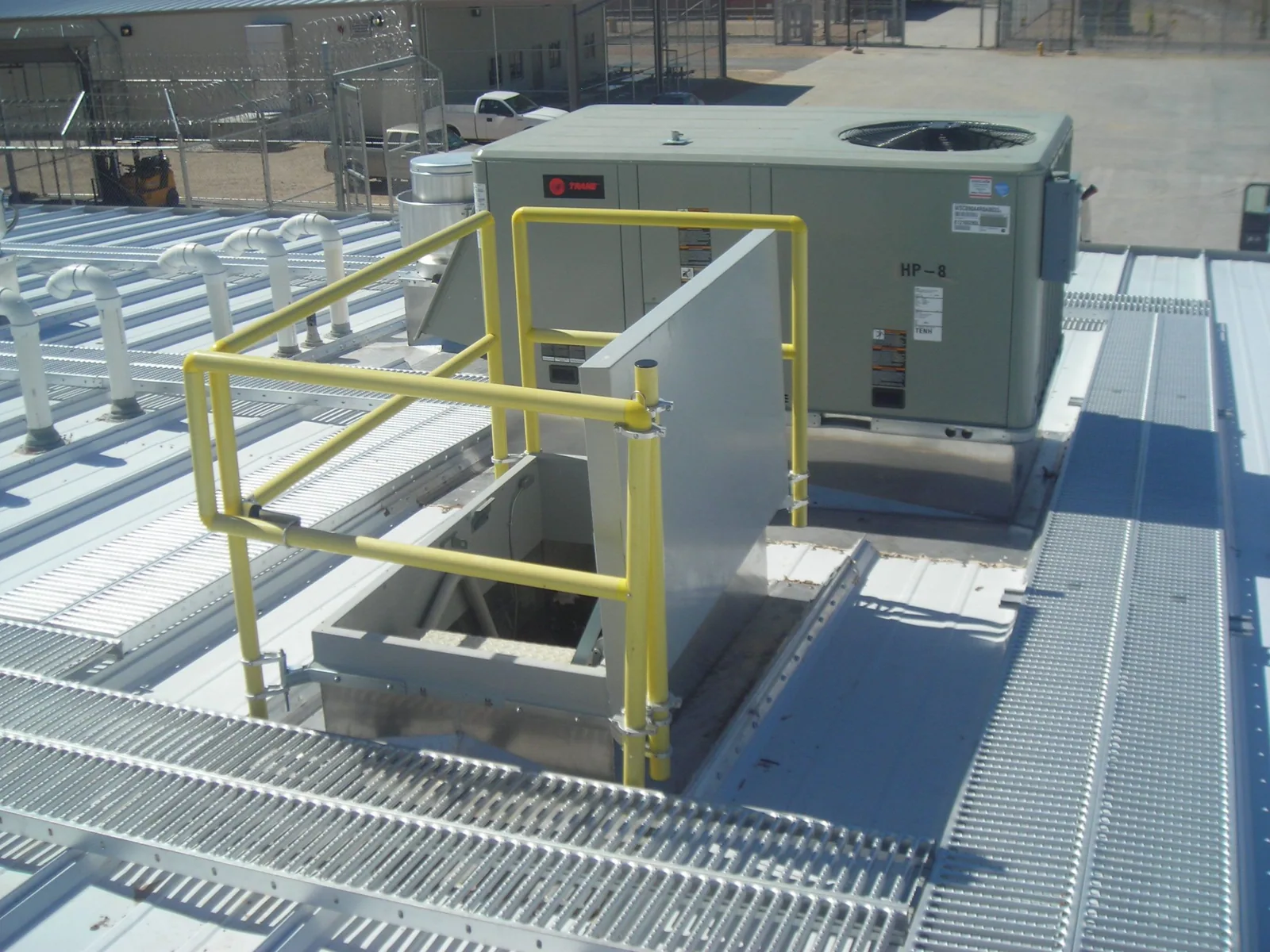
Rooftop Equipment Curbs and Supports
What we check on the roof, what we recommend and how the crew keeps the building open.
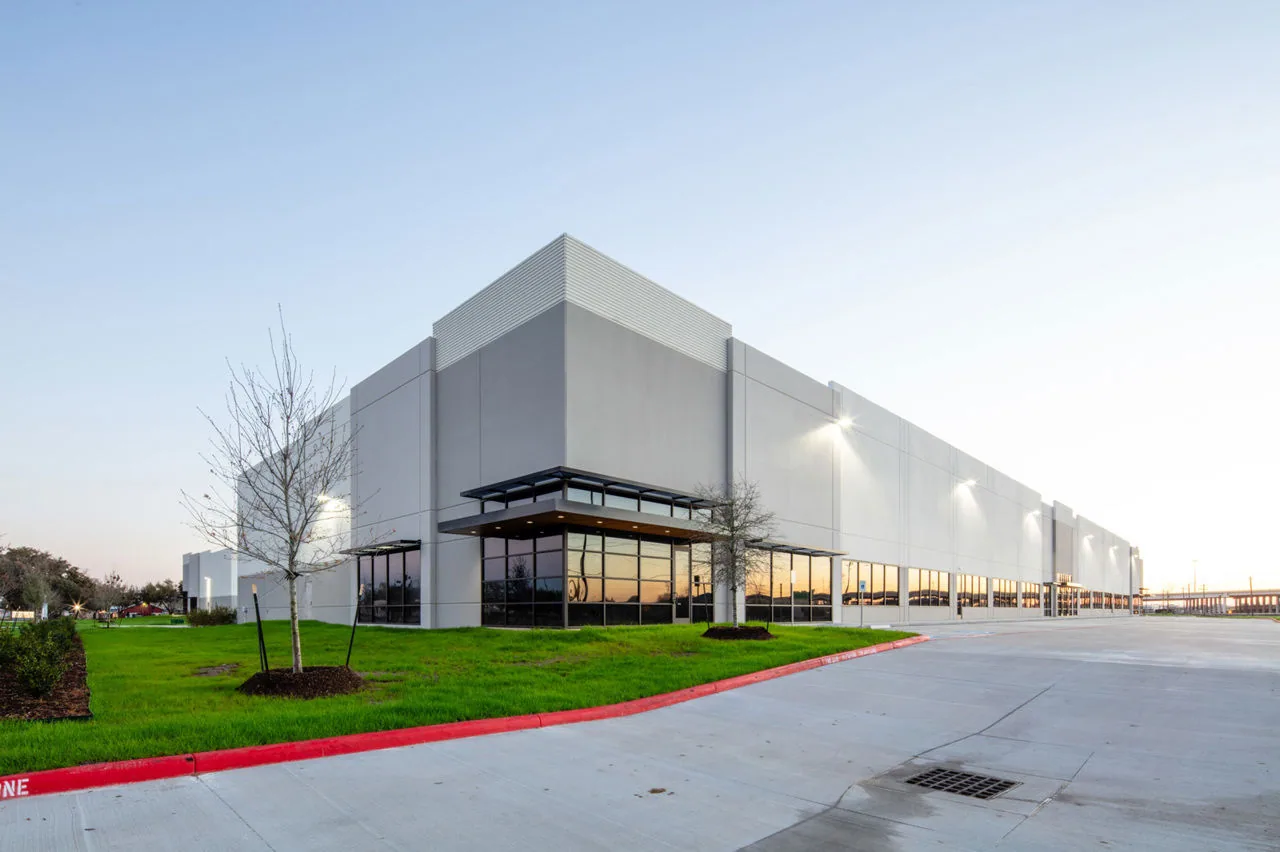
Sugar Land Business Park
Conditions, options and next steps for commercial buildings in Fort Bend County.
An Explanation of the Plant Roof and Its Exposure
Call for photos and a clear assessment of exhaust deposits, moisture and repair options. We will help you explain the roof problem and production constraints to the owner.
Call 555-555-5555 or email [email protected].
Commercial Roofing Questions
Straight answers to the questions building owners and managers ask us most often.
Can the membrane be identified from its color near an exhaust?
Color cannot establish an exact product or chemical suitability. Records, markings and qualified material identification are compared with field observations. We retain unresolved identification questions before specifying a compatible repair.
Does oil staining require the entire plant roof to be replaced?
The deposit's extent and effect need investigation. Local contamination may support localized removal and corrected exhaust handling. Deterioration beyond that area, damaged layers or unsuitable attachment can justify a broader scope after confirmation.
Who decides whether a fan can stay on its current support?
The designer reviews its load and attachment against the actual structure. We supply accessible roof and flashing observations and coordinate with the equipment contractor. Matching the old footprint alone does not establish adequate support.
Why might a roof drip appear during production but not after rain?
Process water, condensate drainage and operating humidity deserve examination. Retained rainwater may still contribute. We compare equipment cycles and moisture paths before attributing the drip to condensation or a membrane opening.
What can be completed during a short maintenance shutdown?
The planned task must fit access, isolation, preparation and closure requirements. A limited repair may fit a short window; deck correction or larger removal may not. We define the work boundary and contingency before the operator commits to the shutdown.
Air Leakage, Moisture and Heat Aging
Air movement through an assembly can carry moisture toward a cold surface, but a humid day does not automatically produce condensation in the insulation. Indoor conditions, air sealing, temperature and the layer arrangement influence that mechanism. Rain entry and equipment water must remain in the investigation. We compare the timing of interior symptoms with process operation and weather. Suspect areas are checked using appropriate measurements and physical confirmation at selected locations.
A thermal image is read as a temperature pattern before it is called a wet area. Samples expose local material condition and layer arrangement, while broader readings help assess extent. A cold-storage production area deserves particular attention to air paths and temperature differences. Heat aging at the exposed surface presents another issue: cracking, separated laps or deteriorated sealant can remain repairable only while suitable surrounding material exists. We explain those separate mechanisms so an owner does not mistake one repair for a remedy to every source of moisture.
Production Windows and Removal Limits
A manufacturing shutdown is planned against the actual roof task. Some localized surface work may proceed with limited restrictions, while removal above exposed product, electrical controls or sensitive equipment can require closure. The operator defines the allowable work window and isolation procedure. We assess whether the intended section can be removed, corrected and protected in that time. Changes in weather or a newly exposed deck defect may reduce the planned area.
Cost follows the layers and operating constraints. Contaminated material removal, damaged board, support correction and specialized preparation increase the scope beyond a surface patch. A proposed recover needs review of weight, retained layers, attachment and applicable requirements, not just dry readings. Where replacement is supported, daily protection and tie-ins are included in the work sequence. Emergency assistance is available at night and during holidays, with safe approach and practical temporary protection evaluated before the permanent production window.
Plant roofing work must be sequenced against production, process exhaust and equipment service. We confirm which lines or work areas lie below each roof section, then coordinate access and protection with operations. Exposure information matters where heat or residue may affect a membrane, but the material and affected surface need to be examined before a repair product is chosen. If a proposed penetration or curb change alters supporting conditions, that work is separated for design review. The daily plan defines closure, debris control and any production coordination needed for each phase.
How a Roof Project Runs
Every roof we take on moves through the same six steps:
01
Roof Walk
We walk the whole roof and photograph the membrane, seams, flashings, drains and equipment.
02
Moisture Check
Readings and core cuts show what is wet below the surface before anyone prices a repair.
03
Written Findings
You get plain-language findings, photos and the options that fit the roof.
04
Scope and Price
One written scope covers the system, the details, drainage changes and the price.
05
Scheduled Work
Crews work around tenants, deliveries and weather, closing the roof every night.
06
Closeout
We walk the finished roof with you and hand over photos and warranty paperwork.