
Data Center Roofing
An open flashing beside cooling equipment creates a rain-entry risk that a sensitive equipment room cannot treat as ordinary ceiling maintenance. The detail may move with equipment operation, while blocked drainage keeps water against the opening. On a data center roof in Sugar Land, TX, inspection compares those physical conditions with the protected spaces below. The facility's operating requirements determine access and repair restrictions. We explain the defect and its limits before an operator approves work above active equipment.
Cooling Curbs and Separate Water Mechanisms
A cooling installation has more than one possible water path. Rain can enter displaced flashing, condensate can escape from equipment drainage and humid air may condense where it reaches a sufficiently cold surface. A damp ceiling beside a unit does not identify which path is present. We record the operating cycle, drain connections and accessible roof details together. Mechanical correction is coordinated separately where a pan, pipe or equipment fault is involved.
The support matters as much as the flashing. Added equipment weight or changed vibration can require review of the load path into the structure. We measure curb clearance and inspect visible movement without treating the surface condition as proof of structural adequacy. A cooling equipment support detail must suit the selected assembly and the operator's requirements. Pipe movement, insulation and weather sealing should be resolved as related parts rather than independent patches.
Protected Rooms and Approved Work Zones
The operating map identifies electrical rooms, controls, cooling dependencies and spaces where debris or water would create an unacceptable exposure. The facility approves restrictions for each work zone rather than assuming all roof sections have equal consequences. Roof access, delivery routes and material storage are reviewed before inspection equipment arrives. A localized repair may need only a small controlled area, while removal can require more extensive protection or an outage. The work method is evaluated against that specific task.
For roof work over active operations, daily opening limits reflect weather, closure time and the contingency for an interruption. Temporary protection is available before removal starts. The operator receives notice when an exposed deck defect changes the planned task or an equipment isolation must be extended. Continuous operation is a goal to coordinate, not a result to promise without reviewing the scope. A written decision path makes those changes manageable.
Temperature Patterns and Confirmed Moisture
Cooling below and equipment above can create thermal variation unrelated to wet insulation. An infrared image is therefore evaluated against the assembly, recent weather and equipment arrangement. Appropriate measurements help select locations for further investigation. Physical samples, where authorized, document the layers and moisture at those points. The report identifies where an accessible finding supports a repair boundary and where concealed conditions remain uncertain.
A connected office area may operate under different temperature and occupancy conditions than an equipment room. A production or technology facility can add process exhaust and other restrictions. These differences matter when water appears without recent rainfall. We compare retained rainwater, equipment drainage and possible air leakage instead of automatically calling the symptom condensation. Repair materials are selected only after the existing system and preparation requirements are understood.
Related Roofing Pages
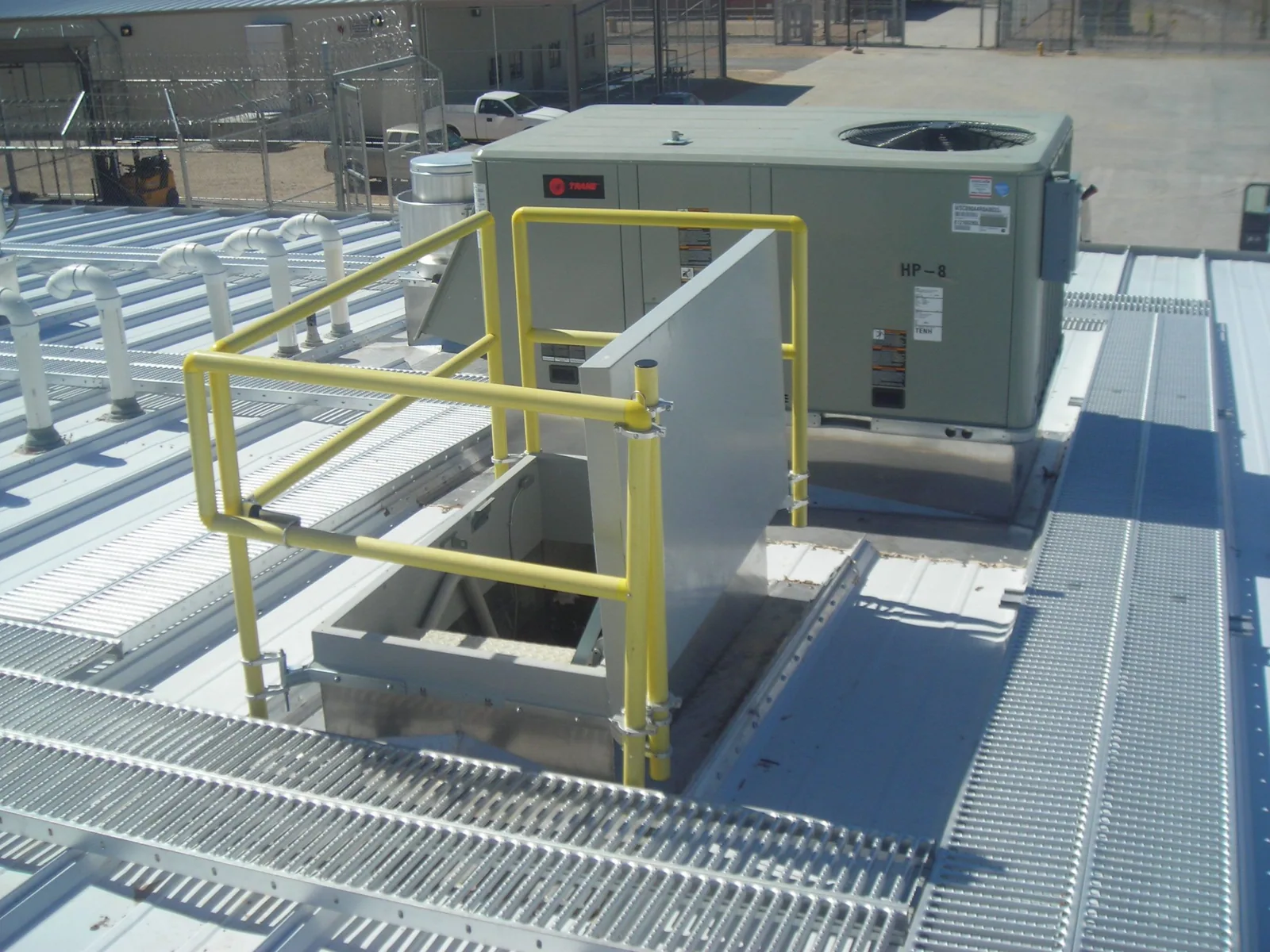
Rooftop Equipment Curbs and Supports
How the work is scoped, documented and phased on occupied Sugar Land buildings.
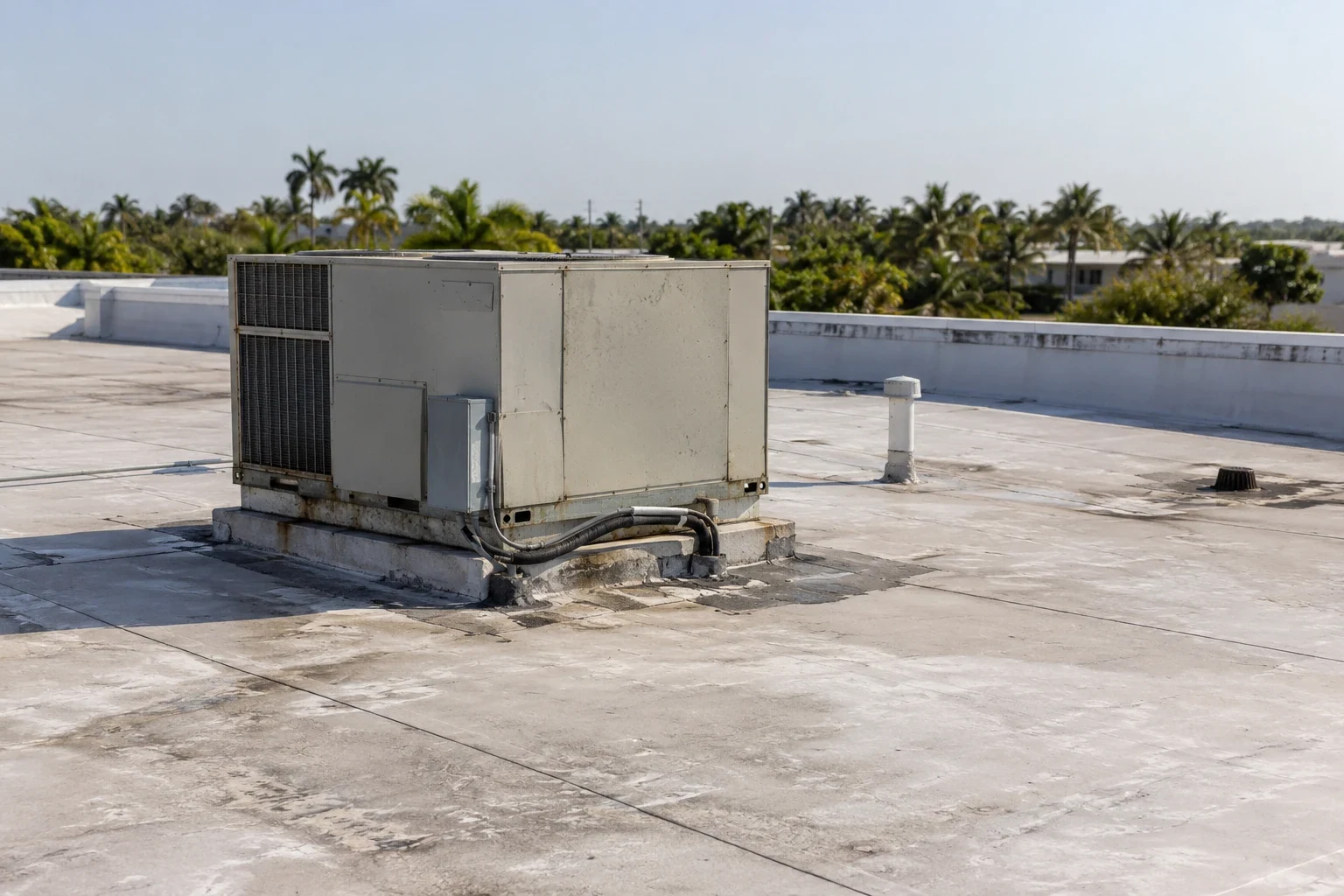
Occupied-Building Reroofing
What we check on the roof, what we recommend and how the crew keeps the building open.
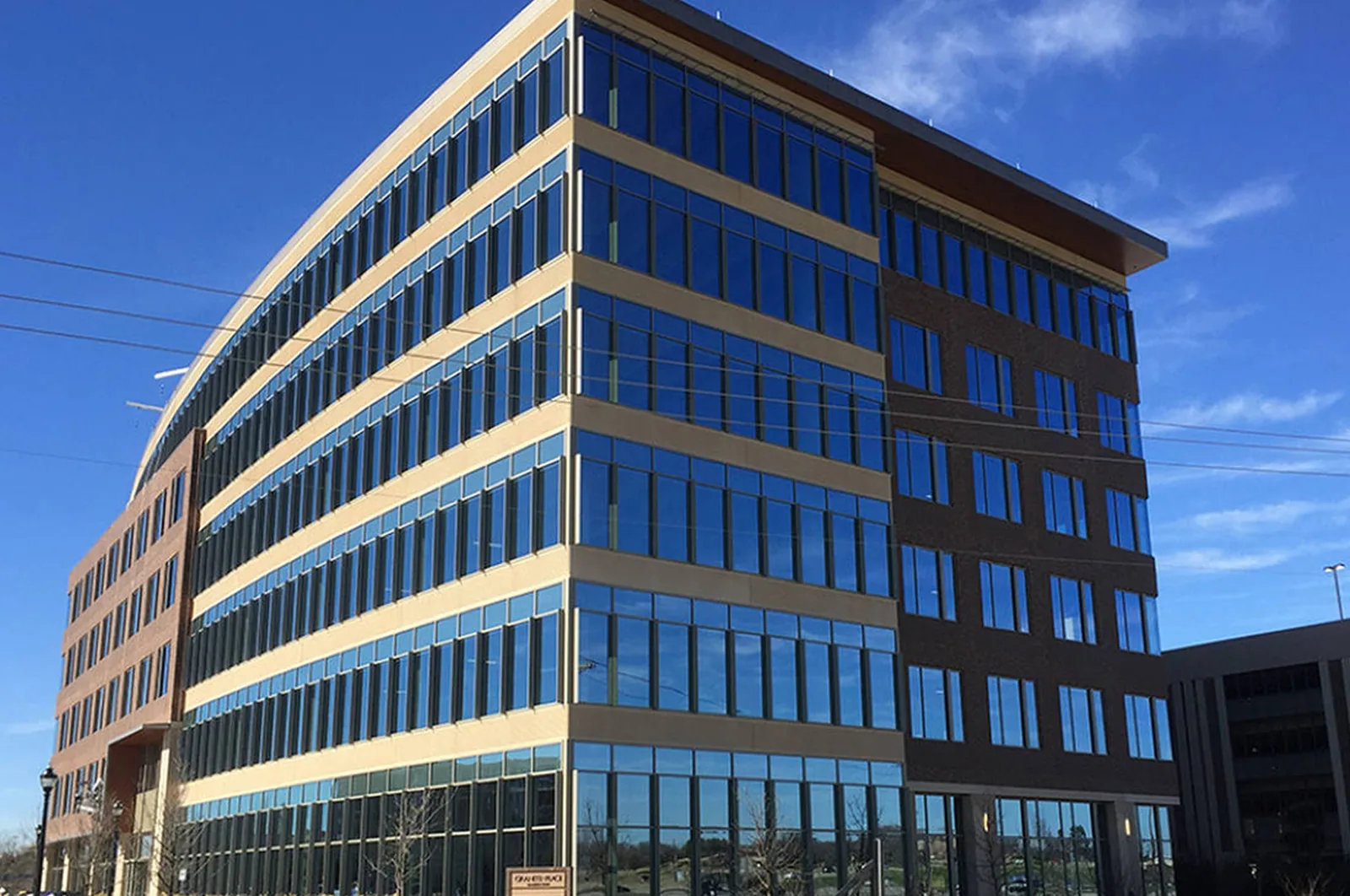
Office Building Roofing
Conditions, options and next steps for commercial buildings in Fort Bend County.
A Clear Assessment Above Sensitive Equipment
Call for a data center roof assessment with photos and a plain explanation of moisture, repair choices and operating restrictions to share with the owner.
Call 555-555-5555 or email [email protected].
Commercial Roofing Questions
Straight answers to the questions building owners and managers ask us most often.
Can a cooling unit stay running while its curb is repaired?
The repair's location, isolation needs and protection requirements determine whether operation can continue. Some exterior details are accessible without stopping the unit; concealed work may require mechanical coordination. The operator approves the conditions before roofing begins.
Why does the thermal image look different above the equipment room?
Interior cooling, assembly variation and rooftop equipment can affect surface temperature. Moisture is one possible explanation, not the only one. We compare the image with operating conditions and selected physical confirmation before defining removal limits.
Does a water mark beside a cable penetration prove rain entry?
It establishes a location to investigate. Rain, retained water, piping and condensation can produce overlapping marks. Accessible flashing and air-sealing details are compared with symptom timing before the cause is assigned.
What if an unexpected deck problem appears during a small repair?
The exposed area is assessed and protected within safe limits, and the operator is notified. Structural review or a revised closure plan may be needed. Work should not simply expand beyond the approved zone above active equipment.
Which records help building engineering review the completed work?
Photographs of the corrected detail, installed materials, sampling locations, temporary tie-ins and any equipment coordination. Unresolved conditions and other-trade items are listed explicitly. The operator can then compare later findings with a clear completion record.
Technology Buildings and Actual Roof Conditions
Sugar Land's economic development activity includes information technology and business services. Telfair includes a Texas Instruments development facility, which provides a local technology-building context without establishing a data center's location or roof system. The building under inspection still needs its own operating map, material identification and condition assessment. Employer size does not describe the membrane area or equipment density. Those dimensions and details are measured directly for the proposed work.
Office space at Sugar Land Town Square provides another setting where rooftop work must respect active occupants and engineering systems. Mixed use does not identify a server room or its roof requirements. We ask the operator to identify sensitive spaces and cooling dependencies for the actual property. Material routes and permitted work hours follow that information. The manager receives a plain explanation of how the occupied spaces change the sequence, separate from the physical roof diagnosis. A South Houston facility requires its own equipment, drainage and access review.
Drain Paths and Post-Storm Decisions
Standing water near a cooling curb can reflect an obstructed outlet, surface level or a support-related irregularity. We record outlet elevations and overflow paths before proposing tapered material or another drain. Those changes require an appropriate design that addresses plumbing and structure, not just membrane geometry. The review also checks whether equipment or service pads interrupt runoff. A sound patch can still remain exposed to unnecessary water if the drainage defect is ignored.
The May 2024 Houston derecho damaged towers in downtown Houston, and Beryl brought strong winds to the region in July. Those events explain the importance of post-storm review without proving what happened at an individual Sugar Land address. Displaced edge components, debris and openings are documented before safe temporary protection is installed. A wind-related repair is scoped from the actual assembly and observed damage. Emergency calls are handled through the night and holidays, with access, structural concerns and feasible protection assessed first.
How a Roof Project Runs
Every roof we take on moves through the same six steps:
01
Roof Walk
We walk the whole roof and photograph the membrane, seams, flashings, drains and equipment.
02
Moisture Check
Readings and core cuts show what is wet below the surface before anyone prices a repair.
03
Written Findings
You get plain-language findings, photos and the options that fit the roof.
04
Scope and Price
One written scope covers the system, the details, drainage changes and the price.
05
Scheduled Work
Crews work around tenants, deliveries and weather, closing the roof every night.
06
Closeout
We walk the finished roof with you and hand over photos and warranty paperwork.
Repair Choices and Closeout Evidence
Localized repair needs compatible surrounding material and a resolved moisture boundary. Coating or recover requires additional review of substrate, layers, weight, attachment and applicable project provisions. A new surface cannot restore a damaged deck or correct a mechanical drain fault. Where replacement is supported, the approved sequence includes the protections and restrictions needed below each section. Closeout photographs identify corrected details and any items left for another trade.
Data center roof work needs careful coordination with cooling equipment, electrical penetrations and any operation that must remain available. We confirm the approved access route and protection rules with facility staff before bringing tools or materials to the roof. Equipment curbs, conduit supports and drains are mapped so a repair does not obstruct service access or discharge. If a proposed opening could affect a critical room below, its size and closure plan are agreed in advance. The scope distinguishes roof defects from equipment or controls issues that need a separate specialist.
We also confirm that drains remain reachable after the repair and that no new flashing blocks equipment service. The facility team can then check the corrected detail during its next roof walk.