
Katy
A repair over a distribution area needs a defined opening and a workable material route before removal starts. For a Katy commercial roof, we examine the damage and the retained assembly, then connect those findings with the operation below. The proposal explains the moisture correction, detail rebuilding and protective sequence. Photos give the manager the information needed to compare a local repair with broader work without losing the operating provisions in the price.
Katy's I-10 corridor includes Katy Mills and a distribution center near Highway 90 and Woods Road. The city also has institutional and retail development associated with its university campus and Katy Asian Town. We repair and replace low-slope and metal roofs here using each property's measured work areas and actual construction. A separate portfolio building in Sugar Land, TX receives its own inspection and project review.
Receiving Hours and the Roof Work Area
A delivery route can affect where material is lifted and where removed layers are placed. We identify entrances, occupied rooms and receiving areas before selecting staging. The work period needs enough time for the planned closure, with weather and product limits considered. Short windows can introduce repeated handling and protection tasks beyond the repair's measured area.
For distribution-building work, the manager confirms which operations cannot be interrupted and what interior access is available. We map those constraints against the roof sections under review. The proposed sequence identifies the area opened, its closure method and the contact approving a changed condition. That coordination helps a facility remain protected without promising that every operation can continue under every removal scope.
A distribution building's listed floor area is not a roof measurement. We measure the actual repair zone, note adjoining roof levels and identify routes for lifting material and removing debris. Loading activity, truck circulation and interior storage can determine where protection is needed below. Those conditions are confirmed with the operator before removal quantities and daily limits are set. This turns an access assumption into a practical scope the property manager can compare across proposals.
A Leak Report Beside an Equipment Change
New equipment, service piping or capped openings can create connections needing examination. We compare the installed details with available alteration records and inspect the surrounding membrane. A drip after an equipment change may relate to its flashing, drainage or another pre-existing defect. The timing is useful evidence, but not proof of the cause by itself.
Equipment support and curb repairs address the actual roof connection. Added loads or changed supports may require engineering review, while product compatibility guides the flashing method. The manager receives roofing tasks separately from equipment adjustments. A completed mechanical installation does not replace inspection of its tie-in or establish that adjoining roof layers are dry and suitable to retain.
Thermal Patterns and the Concealed Layer
Moisture investigation needs a method suited to the assembly and the question. A thermal survey may identify differences for further checking when conditions provide useful contrast. Selected confirmation and available construction records help interpret that pattern. A damp sample establishes local condition rather than the full extent of concealed moisture across the building.
Rain entry, equipment condensate and condensation are different possible paths. Condensation can occur at a sufficiently cold layer when moist air reaches it. The assessment considers that air path and the assembly temperatures. We compare reported timing, indoor observations and accessible equipment details. An infrared investigation supports that assessment without substituting for the work needed to establish cause.
Related Roofing Pages
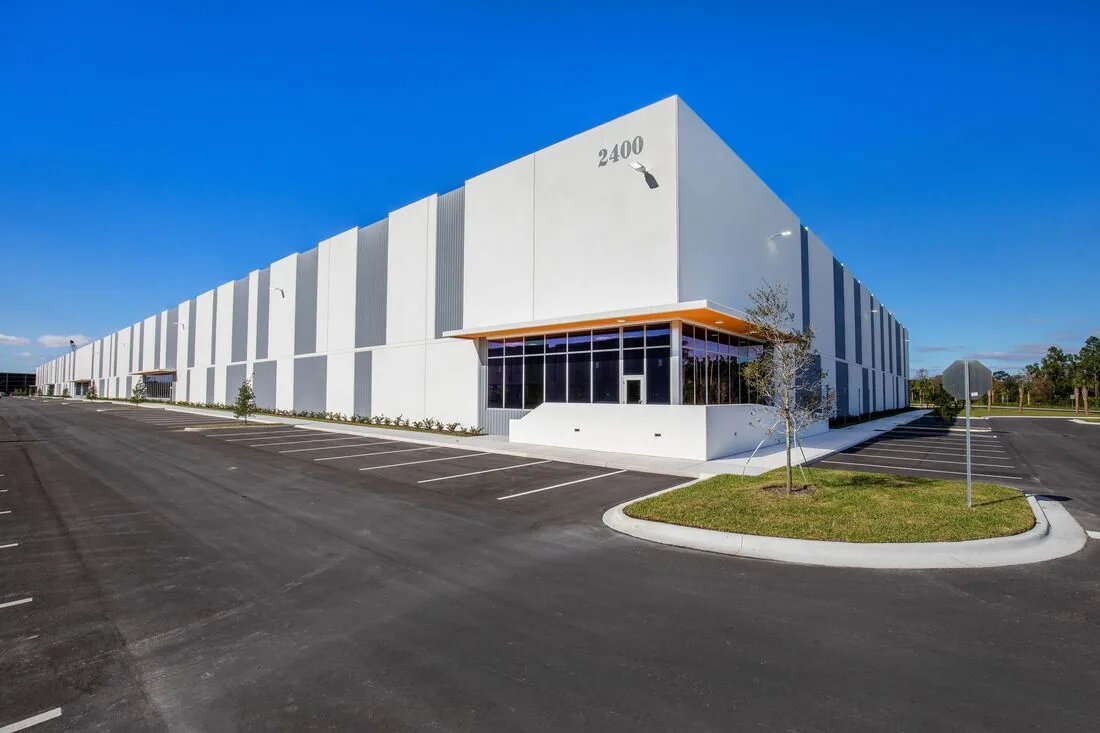
Distribution Center Roofing
How the work is scoped, documented and phased on occupied Sugar Land buildings.
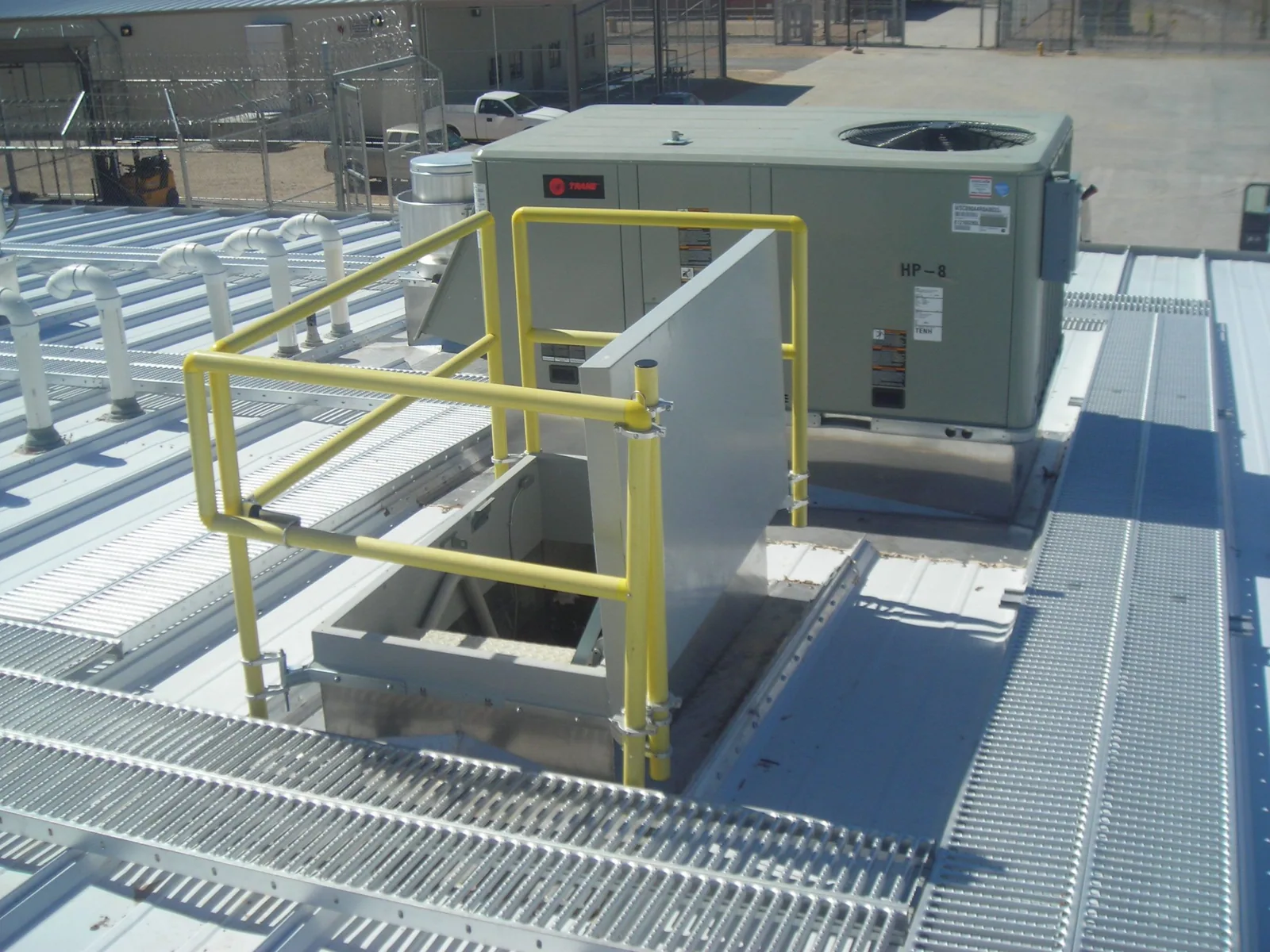
Rooftop Equipment Curbs and Supports
What we check on the roof, what we recommend and how the crew keeps the building open.
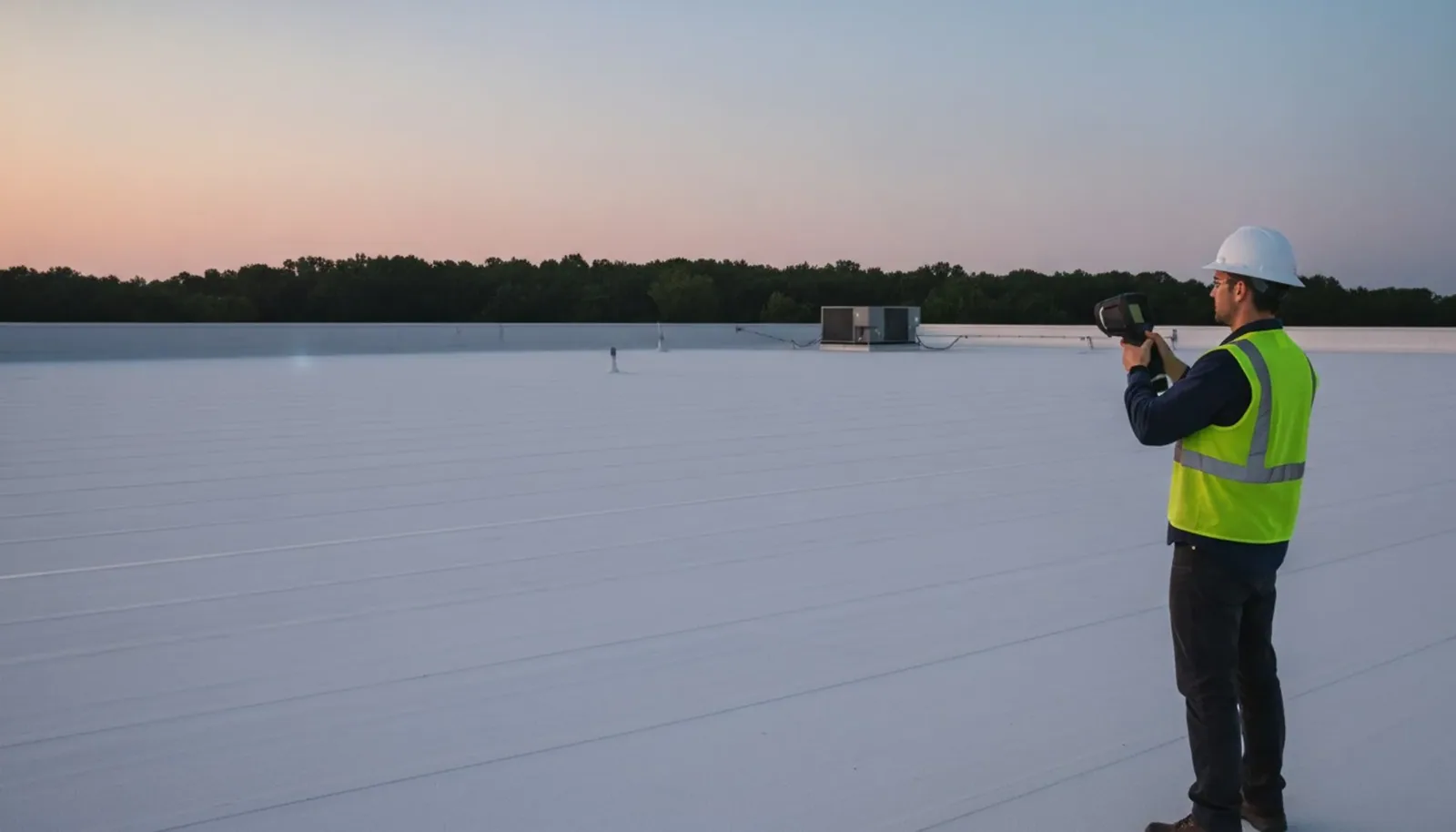
Infrared Roof Moisture Surveys
Conditions, options and next steps for commercial buildings in Fort Bend County.
Explain the Katy Roof Work and Its Sequence
Arrange an assessment with photos, defined repair quantities and operating provisions for your Katy warehouse, retail or other commercial property.
Call 555-555-5555 or email [email protected].
Commercial Roofing Questions
Straight answers to the questions building owners and managers ask us most often.
Why does a distribution repair need the receiving plan?
Material handling and protection may cross routes used by the operation. We identify those conflicts before selecting staging and work hours. The sequence needs both a suitable repair method and a practical closure plan.
Does a leak after an equipment change prove that its curb failed?
The timing identifies a connection to examine, but other paths can remain. We compare the installed detail with drainage, adjoining membrane and interior reports. The findings distinguish confirmed damage from a suspected cause.
What roof history is useful for a retail property opened years ago?
Collect roof installation, replacement and alteration records, then compare them with actual materials and section boundaries. The building opening date alone cannot establish current membrane age. The inspection states which history is documented and which remains uncertain.
How should moisture findings affect a restoration comparison?
Identify the tested areas and unsuitable layers needing correction. Compatibility, adhesion, attachment and drainage also affect eligibility. Each option includes those tasks so a surface treatment is not compared with replacement using different known defects.
Transitions at the Mall and Retail Property
Katy Mills opened in 1999 near I-10. For an individual retail building, the roof inventory identifies actual levels, wall connections and outlets rather than using that opening date to establish the membrane age. Available roof records explain replacements or alterations. Visible changes in material receive their own inspection locations so the repair can follow the installed section boundaries.
A shopping-center assessment checks the flashing at transitions and the equipment routes used by service personnel. Open laps, cracked repair edges and loose components are documented where present. Preparation and rebuilding follow the selected roofing system. Responsibility between tenants and owners is confirmed through management and the applicable documents rather than decided solely from where a stain appears.
Ponding Corrections Before a Finish Is Chosen
A restricted outlet can leave water, but so can the surrounding surface shape. We examine debris, drain rim levels and the route across the roof. Insulation irregularities or supporting deflection may require further investigation. A drain cleanout is recorded as maintenance, while a proposed slope or outlet alteration needs its own design review.
A roof restoration depends on compatible materials, adequate adhesion and corrected moisture and drainage concerns. An overlay proposal identifies the retained materials and reviews their attachment and loading suitability. Saturated layers require correction; broader deterioration can favor removal and replacement. The proposal shows the required preparation and detail corrections for each option, so the owner compares more than different finishes on the same unresolved defects.
Cost includes removal depth, insulation, deck corrections, rebuilt penetrations and protection below. Permit, energy and attachment requirements are checked for the specific Katy address and proposed assembly. Access equipment and disposal routes are also identified before final pricing. The comparison keeps unresolved investigation visible rather than assuming a dry-looking surface establishes eligibility for another layer.
The comparison also identifies who confirms any specialist question before work proceeds. A plumbing review may establish the route for a new outlet, while an engineer may need to examine a supporting concern. Those dependencies stay attached to the affected task. The manager can then schedule the review without treating an unapproved design option as a ready installation item.
Retail and warehouse roofs can have different drainage constraints even within one property. A higher section may discharge onto a lower area, while a parapet or equipment curb can interrupt the intended route. We map accessible outlets and overflows, then check whether a persistent low area remains after debris is removed. If altered slope or added drainage is considered, the proposal identifies the design information needed before installation rather than treating a surface patch as a drainage correction.
How a Roof Project Runs
Every roof we take on moves through the same six steps:
01
Roof Walk
We walk the whole roof and photograph the membrane, seams, flashings, drains and equipment.
02
Moisture Check
Readings and core cuts show what is wet below the surface before anyone prices a repair.
03
Written Findings
You get plain-language findings, photos and the options that fit the roof.
04
Scope and Price
One written scope covers the system, the details, drainage changes and the price.
05
Scheduled Work
Crews work around tenants, deliveries and weather, closing the roof every night.
06
Closeout
We walk the finished roof with you and hand over photos and warranty paperwork.
The I-10 Approach and the Maintenance Record
I-10 serves Katy's commercial corridor, with Highway 90 providing another relevant route near the distribution development. The approved property entrance and receiving arrangements determine how the crew reaches its work area. We coordinate pedestrian protection, material handling and any required air-handling precautions with the operator. The closure and completion checks are documented by section.
An owner with another property in Cinco Ranch or Brookshire can use comparable condition categories while keeping each inspection distinct. In Katy, the record locates completed repairs, drain cleaning and equipment concerns needing follow-up. Emergency intake accepts reports after hours and on holidays. Available crews assess safe conditions, weather and possible immediate measures before attempting temporary protection.