
Roof Coating and Restoration
A coating can separate from a roof even when the liquid was spread evenly. Oxidation, residue or an earlier incompatible treatment can prevent adhesion, leaving a film that looks finished until it lifts at an edge. Roof restoration in Sugar Land, TX therefore begins with the surface beneath the proposed coating. We test preparation and adhesion, investigate concealed moisture and explain whether the assembly is suitable to retain.
Restoration is useful where the existing roof can support another protective layer. It does not replace a damaged deck, remove water from insulation or reconnect a loose membrane to its substrate. Those conditions need their own work before a coating is considered. The manager receives photos and findings that separate preparation, necessary repairs and the coating itself.
The Retained Assembly
A surface walk identifies open seams, blisters, loose flashing and obvious ponding. It cannot establish whether every concealed layer is dry. We use suitable moisture readings and selected samples to check suspect areas, recording the material sequence and condition at each opening. An infrared moisture survey can help estimate extent when the roof construction and weather provide useful contrast; temperature patterns still need confirmation.
Wet or unsuitable materials are removed rather than sealed beneath the coating. Extensive moisture can change the value of restoration enough to justify comparison with roof replacement. The recommendation also considers attachment and the remaining membrane condition. Dry sample locations are positive evidence, but they do not by themselves establish adhesion across the roof or eligibility for the proposed system.
Chemistry for the Actual Exposure
Water-based acrylic and moisture-curing silicone behave differently during application and service. The selected product's instructions establish substrate compatibility, primer requirements, application conditions and resistance to standing water. We do not assume every member of a coating family has identical limits. Equipment residue, earlier coatings and the roof's drainage pattern are identified before the product is chosen.
A silicone system may have published ponding resistance, while an acrylic system commonly requires reliable drainage. Neither chemistry moves water toward an outlet. Where a low area needs correction, the drainage scope is evaluated separately. A proposed change from one coating chemistry to another requires written compatibility approval and testing, including the transition details and future repair method.
Preparation That Remains Visible in the Record
Cleaning removes the material that would interfere with the bond. The method and pressure must suit the existing roof so washing does not open weak laps or force water into the assembly. Rust treatment on metal, removal of loose coating and primer application follow the approved system. After preparation, test patches are placed at representative areas rather than only at the easiest location to reach.
Open seams and failed flashing receive compatible repairs before the field is coated. Reinforcement at joints follows the selected system's details; adding fabric everywhere is not a substitute for understanding a moving joint. Photographs record the exposed substrate and finished repairs. That evidence helps a later reviewer understand what the liquid covered and whether another repair can bond to the retained materials.
Preparation is verified on the surface that will receive the coating. We remove contaminants and loose material within the approved scope, then assess whether the exposed base can hold the intended system. A small adhesion check can inform the method, but its result applies only to the tested location and preparation. If the roof contains different patches or prior coatings, those areas may need separate evaluation before a continuous application is proposed.
Related Roofing Pages
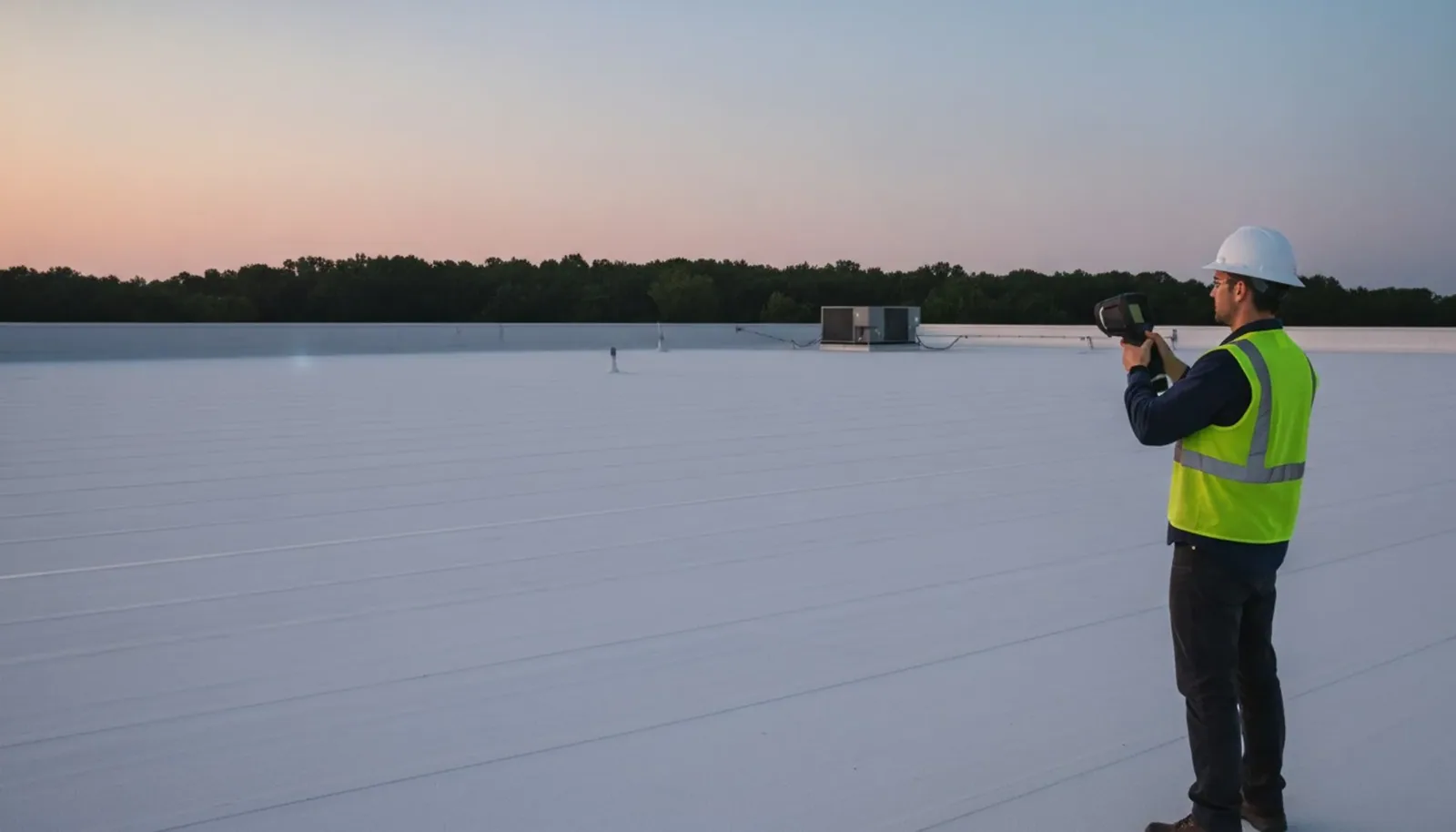
Infrared Roof Moisture Surveys
How the work is scoped, documented and phased on occupied Sugar Land buildings.
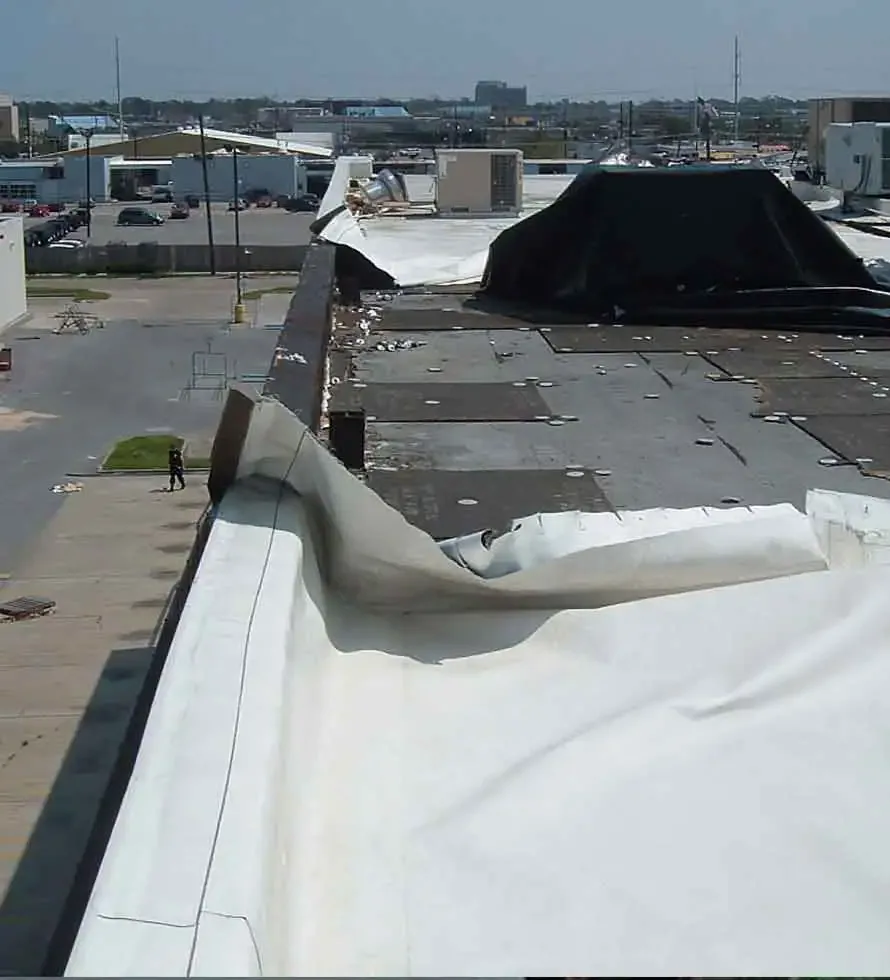
Commercial Roof Replacement
What we check on the roof, what we recommend and how the crew keeps the building open.
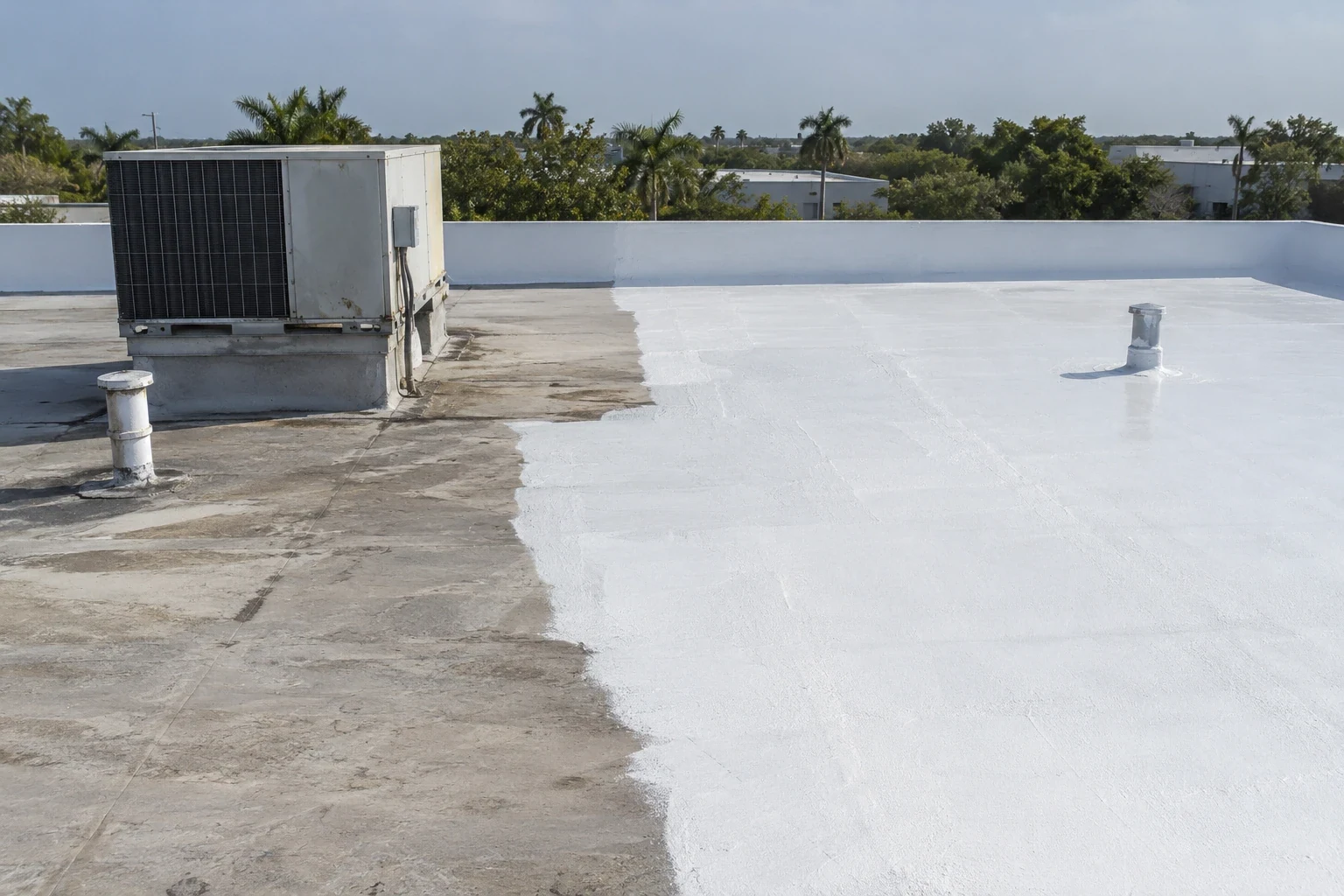
Silicone Roof Coatings
Conditions, options and next steps for commercial buildings in Fort Bend County.
Understand the Roof Before Choosing a Coating
Call for a restoration assessment. We will explain the substrate, moisture and drainage findings with photos so you can brief the owner on the suitable options.
Call 555-555-5555 or email [email protected].
Commercial Roofing Questions
Straight answers to the questions building owners and managers ask us most often.
Can restoration replace repairs to an active leak?
The entry defect needs to be found and repaired first. Coating does not dry wet insulation or correct a loose termination. We distinguish the repair scope from the surface treatment and confirm that retained materials remain suitable.
What does an adhesion test actually establish?
It checks the bond at the tested location under the specified preparation and cure conditions. Several representative areas help identify variation. A passing patch does not excuse poor preparation elsewhere or prove that concealed insulation is dry.
Is silicone automatically the right answer for a low spot?
The product may tolerate ponding, but drainage and structural concerns remain. We assess why water stays and check the selected system limits. Deep or recurring retention can require slope or outlet work before coating.
How is a coating project priced?
Area, preparation, existing repairs, specified thickness, detail count and access shape the price. Removal of unsuitable material is identified separately. The owner can compare the actual restoration scope with other eligible options rather than comparing liquid quantities alone.
What should we keep for the next recoat?
Keep the product and primer records, application dates, thickness measurements, adhesion results and repair photographs. That file identifies what a future coating must bond to. Warranty and maintenance instructions are retained with it because terms depend on the issued documents.
Weather, Thickness and Cure
Sugar Land's August 2023 record high of 109 degrees illustrates why air temperature alone is an incomplete application check. The roof surface can have a different temperature, and shade can change conditions between work areas. We check substrate temperature, dew point, humidity and the forecast against the product instructions. A dry morning does not establish that the film will have the required cure interval before an afternoon shower.
Application thickness is measured as work proceeds, with the locations and material usage recorded. Coat count, recoat interval and dry-film verification follow the specified system. Extra liquid applied too quickly can create cure problems rather than improve the roof. If weather interrupts a coat, the affected area is assessed before more material is added, and the manager receives a revised sequence for completing it.
Application is planned around both product requirements and the roof's daily closure needs. We identify how rain could reach a prepared section, where tools and materials can be kept, and what area can be completed before the workday ends. Thickness checks and cure observations are recorded as the project proceeds. A delayed section remains protected and clearly identified, rather than being counted as complete because material has been delivered or partially applied.
Occupied Buildings and Future Work
At Sugar Land Town Square, offices, shops and the hotel create different operating windows under the same mixed-use setting. A coating can reduce tear-off disturbance where retention is appropriate, but cleaning, odors, spray drift and access still need coordination. The facility's mechanical team approves ventilation controls and any equipment isolation window. Required airflow must be maintained rather than stopped by covering an operating intake.
Sugar Land Business Park's warehouse and distribution setting makes loading and service access important parts of a coating visit. The manager identifies active doors, equipment service routes and any residue source affecting the proposed finish. We measure the field and details, then select a preparation and application plan for the observed assembly. After application, scheduled roof maintenance records surface wear, outlet condition and repair needs. The same roof plan locates those checks for the next visit and helps explain when recoating deserves evaluation.
A portfolio that extends into Stafford also needs a jurisdiction check for each proposed project. Sugar Land's adopted requirements do not automatically apply across the city boundary. The coating scope identifies whether related removal, drainage or insulation work changes the permit review, and the project team confirms the applicable requirements before mobilization. Bid comparisons should use that same scope. An inexpensive surface application with omitted preparation is a different proposal from a tested system with wet-area removal and reinforced details. We explain those differences through measured areas, photographs and written exclusions so the owner can judge what each price buys. The final record also names any retained defect that remains outside the authorized coating work, with its location and the recommended next evaluation. A coating proposal at a South Houston site still depends on confirmed adhesion and retained-layer conditions.
How a Roof Project Runs
Every roof we take on moves through the same six steps:
01
Roof Walk
We walk the whole roof and photograph the membrane, seams, flashings, drains and equipment.
02
Moisture Check
Readings and core cuts show what is wet below the surface before anyone prices a repair.
03
Written Findings
You get plain-language findings, photos and the options that fit the roof.
04
Scope and Price
One written scope covers the system, the details, drainage changes and the price.
05
Scheduled Work
Crews work around tenants, deliveries and weather, closing the roof every night.
06
Closeout
We walk the finished roof with you and hand over photos and warranty paperwork.