
Real Estate Investors and REITs
A property can have a clean-looking roof and a repair history that hides recurring moisture. If the acquisition review stops at appearance, the owner may discover wet insulation only when a new tenant reports water or another project opens the assembly. Commercial roofing for Sugar Land real estate investors and REITs investigates the condition behind that surface. We explain the findings, estimate suitable work and keep uncertainty visible in the ownership decision.
The report needs to distinguish a present defect from a prediction about future expense. Roof records, testing and measured repair quantities provide different kinds of evidence. We connect them while preserving uncertainty about future service. The investor receives a building-specific assessment that can be compared with other properties while preserving the limits of what was actually inspected.
Records Before the Transaction
Available drawings, installation documents and repair invoices help establish the assembly's history. A building construction date cannot identify when its current membrane was installed. A recover may also preserve older layers beneath a more recent sheet. We record what the documents establish and identify gaps requiring field investigation.
Due diligence roof surveys compare that history with accessible seams, flashing, drainage and service routes. A seller's statement is kept separate from the inspector's observation. Areas that cannot be accessed remain within the report's stated limitations. The buyer can then judge whether further testing is needed before relying on a broad description of roof condition.
Concealed Moisture and Sample Limits
Water can move beyond an entry point through insulation joints or another concealed route. Surface patches do not establish that the retained layers have dried. We investigate suspected extent using methods appropriate to the roof and transaction question. Samples describe their locations and the layers observed, while the interpretation of surrounding areas uses the combined evidence.
An infrared investigation requires useful thermal conditions and suitable confirmation. Temperature patterns may also reflect shading, equipment or layer variation. The report labels verified moisture separately from suspect boundaries. A preliminary removal quantity therefore includes its evidentiary basis and any conditions that could change during exposure, rather than presenting every mapped area as directly sampled.
Repair Scope and Ownership Choices
A localized defect can support a suitable repair where the surrounding assembly remains usable. Broad moisture, recurring connection failure or deteriorated substrate can change the value of that approach. We identify the material to remove, the sound material to retain and the detail needed at the boundary. Quantities come from the roof assessment instead of the property's advertised floor area.
The comparison may include repair, eligible restoration and replacement. These are complete scopes rather than material labels. Preparation, removal, attachment and equipment coordination can account for meaningful differences between prices. The owner sees those differences before a lower initial figure is treated as equivalent work. The report also identifies items awaiting another trade or technical reviewer. That boundary helps the ownership team recognize which costs are established by the roof scope and which remain dependent on a separate evaluation.
Related Roofing Pages
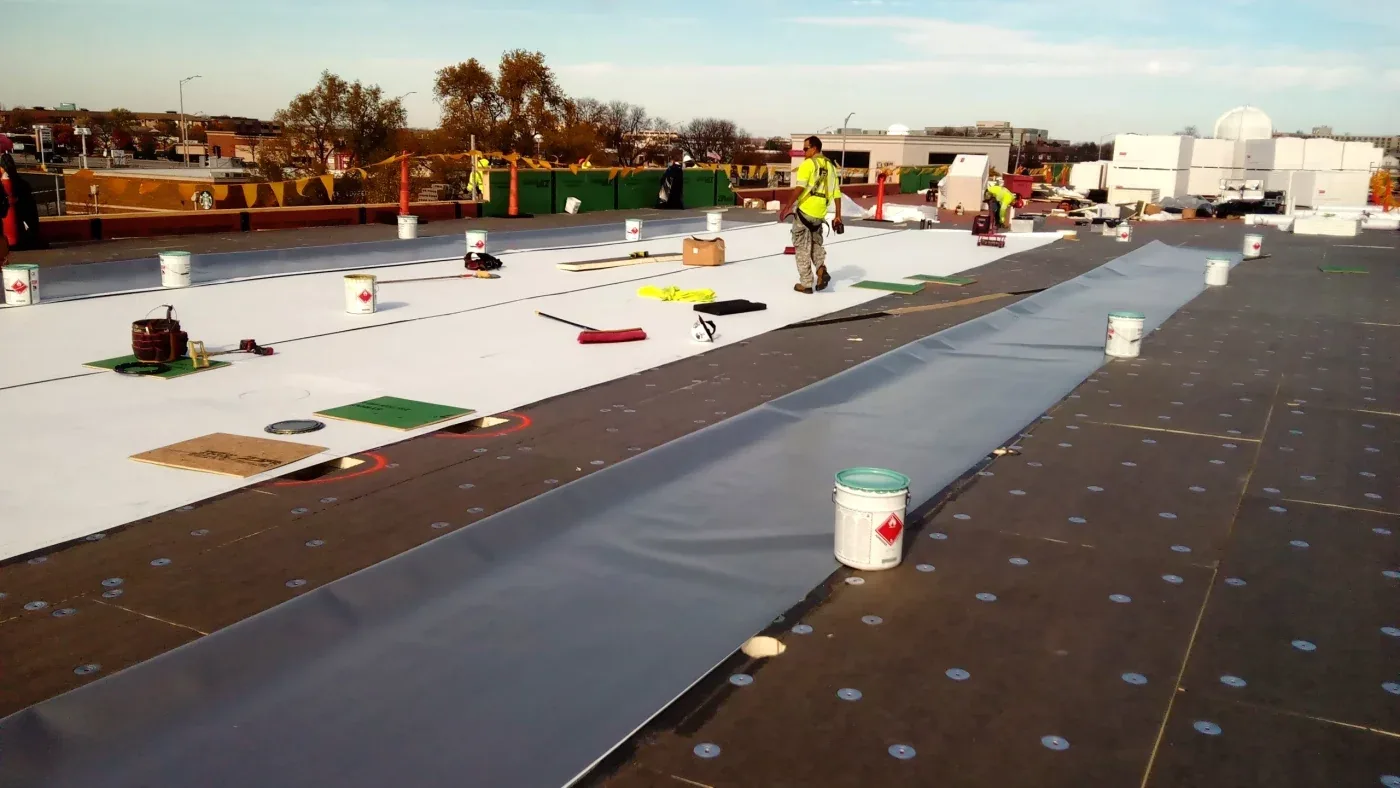
Commercial Roof Repair
How the work is scoped, documented and phased on occupied Sugar Land buildings.
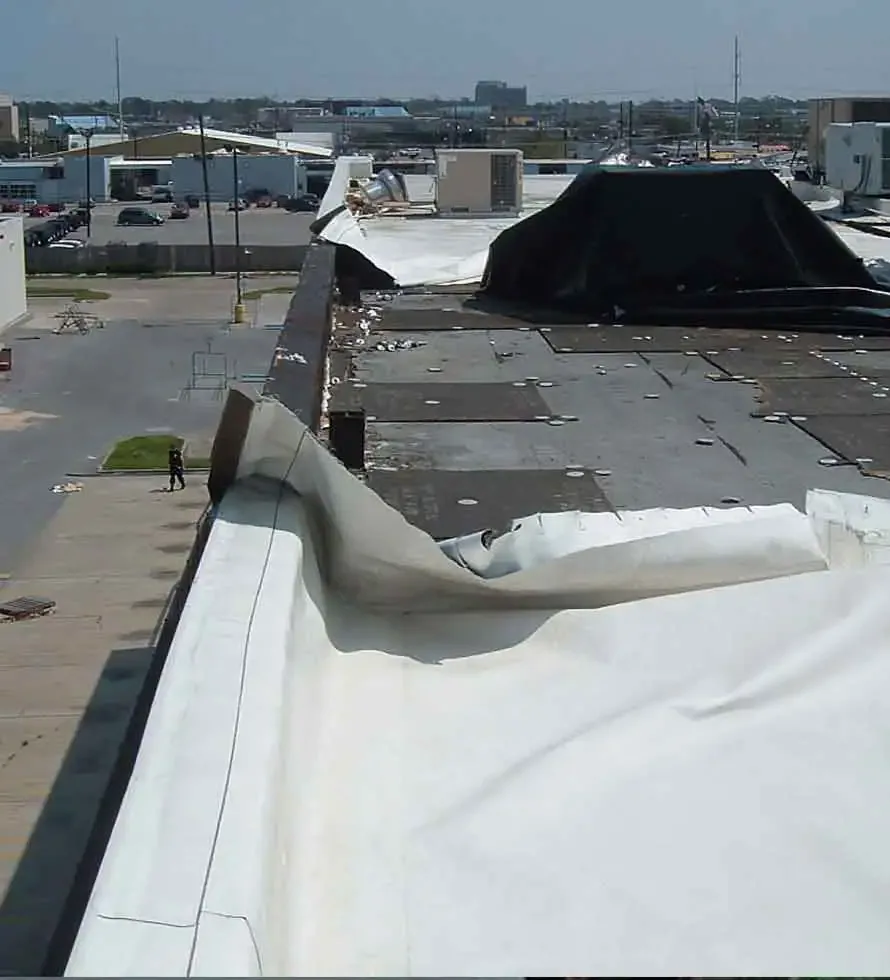
Commercial Roof Replacement
What we check on the roof, what we recommend and how the crew keeps the building open.
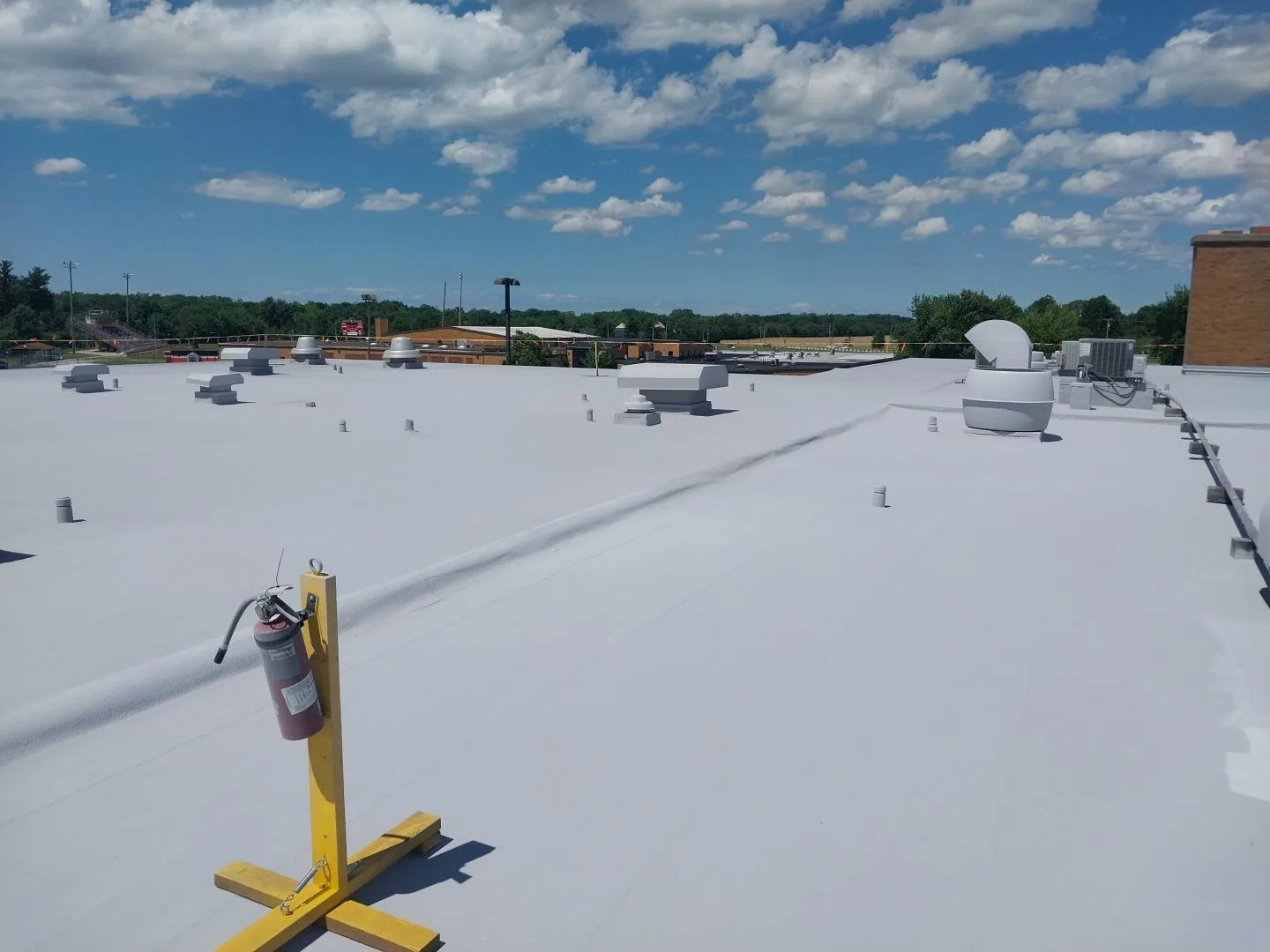
Roof Recover and Overlay
Conditions, options and next steps for commercial buildings in Fort Bend County.
Put Roof Evidence Behind the Ownership Decision
Call to arrange an asset assessment. We will explain the condition and scope findings with photos so you can review the roof questions in the transaction or ownership plan.
Call 555-555-5555 or email [email protected].
Commercial Roofing Questions
Straight answers to the questions building owners and managers ask us most often.
Can a survey assign an exact remaining roof life?
An inspection documents current condition and relevant history. Future performance depends on exposure, maintenance and concealed conditions. We explain supported work priorities without promising an exact service interval.
Does the seller's floor area establish roof replacement cost?
Roof measurements and detail quantities are required for the scope. Stories, additions and roof geometry can make floor space different. Published figures provide property context rather than a roofing quantity.
What should a buyer do with an inaccessible roof section?
Keep the limitation visible and identify what access or testing would answer the outstanding question. The transaction team decides how to address that uncertainty. We do not describe an uninspected area as verified sound.
Can warranty terms be assumed from the brand?
The issued document governs its conditions. Transfer and maintenance duties may require specific action. We identify the available evidence and unresolved paperwork.
How are several assets compared usefully?
Use consistent condition categories with separate building findings and scopes. Quantities and uncertainty remain attached to each address. A shared format helps comparison without forcing the same recommendation everywhere.
Retention Eligibility and Hidden Layers
A proposed overlay needs evaluation of moisture, condition, attachment and the applicable requirements. Selected core cuts contribute evidence but cannot answer every retention question. Existing layer count and deck condition may require further records or investigation. We identify those requirements before recommending that an older roof remain beneath a new one.
Recover planning also considers drain, curb and wall heights after added thickness. A technically suitable field assembly can still need substantial transition work. If retention remains uncertain, the comparison explains the investigation or alternative scope needed. The report does not convert a dry sample into approval for the entire property simply to simplify an acquisition estimate.
Regional Assets and Separate Building Records
Westchase has a substantial office inventory served by Beltway 8, while the Energy Corridor concentrates commercial offices along I-10. For an asset review in either district, the buyer's team arranges building access and obtains roof records before the inspection window. We survey the roof sections, measure relevant work areas and document the equipment interfaces that affect proposed repairs. The investor receives a condition comparison with the location and supporting evidence for each recommended scope.
A portfolio owner can use consistent multi-site reporting to compare those findings. Consistency belongs in the evidence categories and record format, not an assumption that all nearby assets need the same membrane or work sequence. Each address retains its jurisdiction, equipment and access requirements. This makes the comparison useful when one property has a local defect and another has broad concealed deterioration.
How a Roof Project Runs
Every roof we take on moves through the same six steps:
01
Roof Walk
We walk the whole roof and photograph the membrane, seams, flashings, drains and equipment.
02
Moisture Check
Readings and core cuts show what is wet below the surface before anyone prices a repair.
03
Written Findings
You get plain-language findings, photos and the options that fit the roof.
04
Scope and Price
One written scope covers the system, the details, drainage changes and the price.
05
Scheduled Work
Crews work around tenants, deliveries and weather, closing the roof every night.
06
Closeout
We walk the finished roof with you and hand over photos and warranty paperwork.
Operating Requirements and Project Timing
Tenant use and equipment restrictions influence when the proposed work can occur. We obtain those conditions through the authorized building team rather than inferring them from an investor's intended lease plan. Roof removal needs a suitable daily closure sequence and protection below. New information about occupancy can change the construction plan without changing the observed defect itself.
Occupied-building sequencing identifies access routes, material handling and facility controls. Mechanical teams approve any ventilation isolation window, with required airflow considered. A contractor cannot create that authority by covering an active intake. The investor's schedule is evaluated against those requirements and product application conditions so timing assumptions remain supported.
Warranty Evidence and Later Condition
A warranty can contain transfer, notice, maintenance and work-approval conditions specific to the issued document. We review the available paperwork rather than infer terms from the membrane manufacturer. Missing documents remain a question for the ownership review. The technical condition assessment is still needed because paperwork does not establish the present state of every detail.
Maintenance records help preserve the baseline after purchase. Dated photographs, completed repairs and later equipment changes show how the roof develops during ownership. Comparable follow-up testing can investigate changes where warranted, with method limits preserved. The investor receives a condition history that supports future spending decisions instead of treating the acquisition report as a permanent declaration that the roof will remain unchanged.
For an acquisition in Sienna, pass the outstanding roof decisions to property management. If a general contractor also prepares tenant improvements, identify which roof support and flashing interfaces its estimate includes before the reserve is approved.
A portfolio standard can simplify review, but it should not erase differences between buildings. We can organize observations by roof area, condition, urgency and supporting photos while preserving each property's assembly and access limits. A scoring method is useful only when the underlying inspection notes remain available. Before combining estimates, we identify the assumptions about removal, interior protection and other trades. That lets an asset manager compare similar work while keeping site-specific drainage, attachment or occupancy issues visible in the investment decision.