
Preventive Roof Maintenance
Sunlight can age a sealant joint while the membrane around it still looks serviceable. The joint opens, rain enters at the wall, and the next ceiling stain appears in a room that was dry during the last storm. Preventive maintenance in Sugar Land, TX follows those small changes before they become a larger removal scope. We compare the roof with its earlier photographs, check how it sheds water and repair suitable minor defects within the agreed visit scope.
The useful result is a record of condition, rather than a calendar stamped complete. A property manager needs to know what changed, what was corrected and what still requires an owner's decision. We explain those findings with photos and locations so the next approval is based on the roof itself.
Drainage Between Heavy Rains
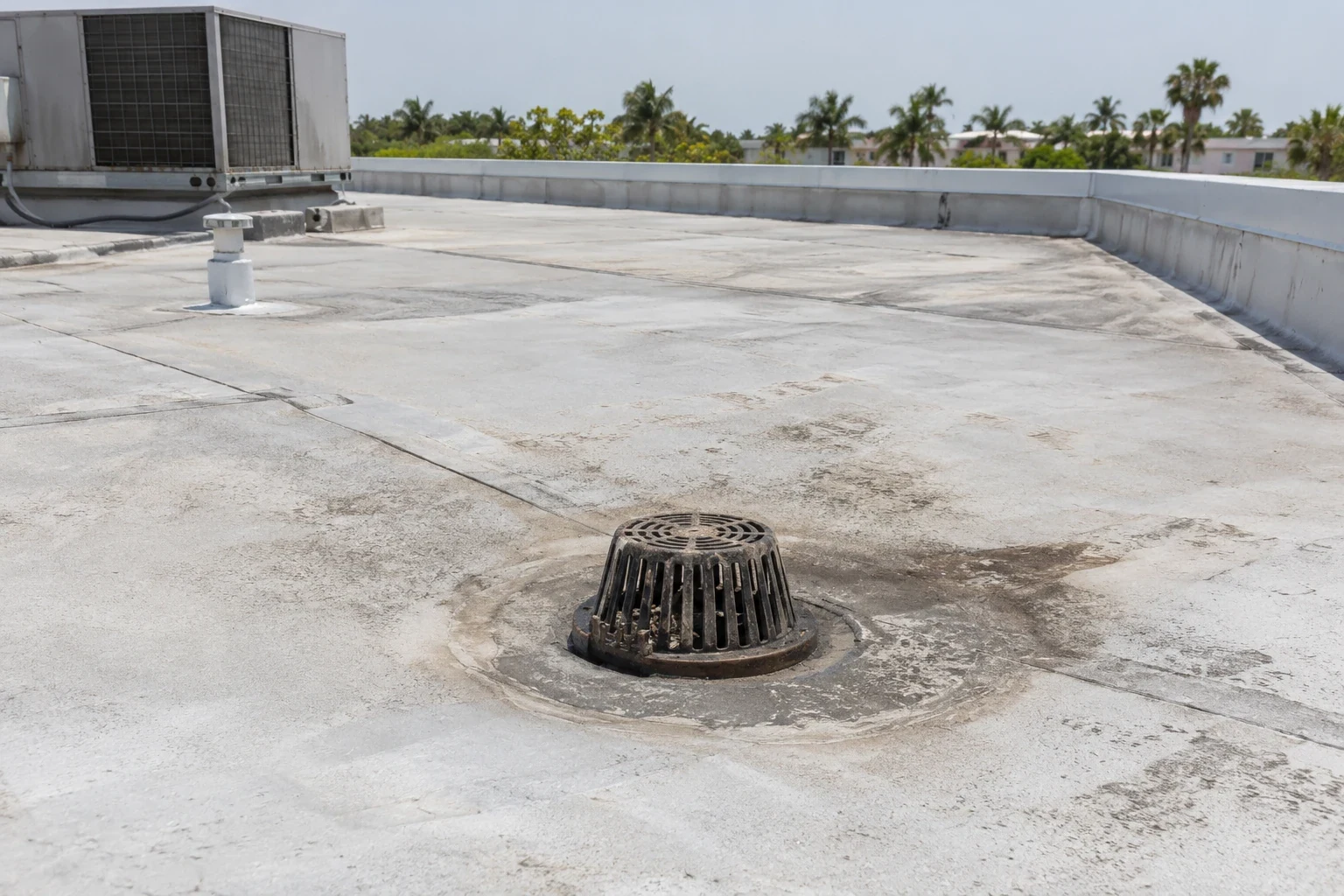
Leaves and equipment-service debris can collect at a strainer without blocking it completely. During a light shower the outlet appears to work; during heavier rain, the same restriction leaves water across the low area. We inspect strainers, sumps, scuppers and overflow openings, record obstructions and check accessible discharge routes. Where a plumbing restriction is suspected below the roof, the finding goes to the building team for the appropriate trade review.
Our work on roof drains and scuppers distinguishes cleaning from a change in drainage design. An outlet that is clear but poorly positioned needs more than repeated sweeping. Photos taken after rain, together with level observations, help explain whether the next step is outlet repair, slope correction or further investigation. A maintenance visit does not establish hydraulic capacity by looking into the drain bowl.
Surface Aging and Detail Movement
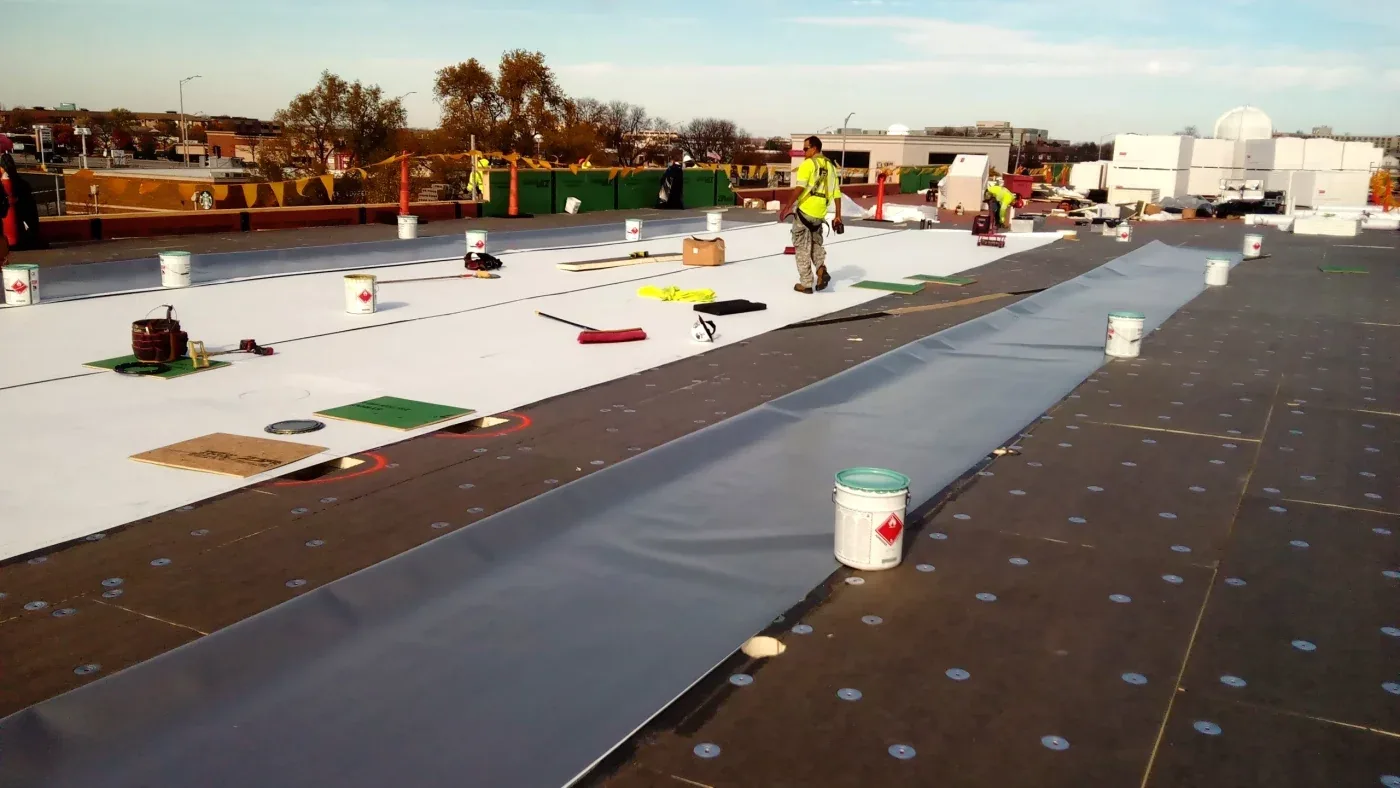
Chalking, cracks and an opening at a lap are different findings. Chalking can be a surface-weathering observation, while an open channel at a seam creates a possible water route. We identify the membrane before choosing probing or cleaning methods, then check corners, wall terminations, pipe boots and earlier patches. A compatible repair depends on the sheet and the soundness of the material it must bond to.
We also compare the location of repeated defects. A flashing that separates at the same corner can indicate restraint or movement that a new bead of sealant will not correct. The repair recommendation names the detail and the condition behind it. More extensive membrane and flashing repairs are priced separately when the work exceeds the visit allowance, so the owner can distinguish routine maintenance from corrective construction.
Small defects are recorded with their exact roof area and the material they affect. A loose termination may need immediate correction, while a surface mark without an open water path can remain under observation. We distinguish maintenance completed during the visit from repairs requiring separate authorization or special materials. That record gives the owner a clear basis for approving follow-up and avoids turning a routine inspection into an undefined project.
Equipment Routes and Interior Clues
A service route often has more wear than the open field. Technicians turn beside equipment, set tools near curbs and cross seams on the way from the hatch. We inspect those routes for scuffs, displaced pads and small punctures, then check condensate discharge and supports that bear on the membrane. Walkway protection follows the approved roof detail and needs to preserve drainage rather than become a barrier across a low spot.
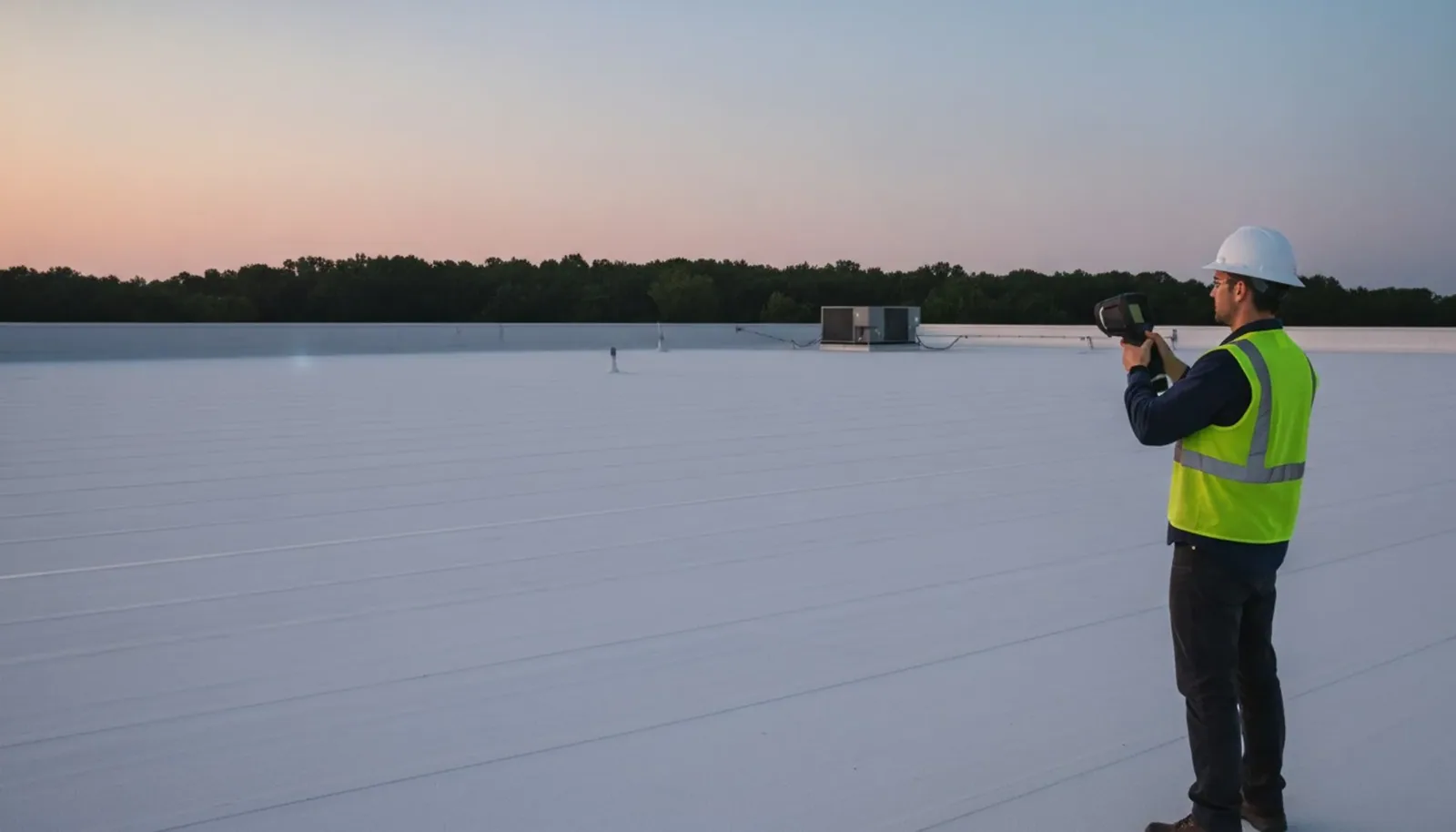
An interior drip during dry weather does not prove condensation. Retained rainwater and equipment condensate can also arrive after the weather has cleared. The manager's timing notes help us choose what to examine, but the repair follows confirmed findings. A recurring moisture question can justify an infrared and core-cut survey under suitable conditions, with selected samples checking what the thermal patterns suggest.
Related Roofing Pages
Roof Drains and Scuppers
How the work is scoped, documented and phased on occupied Sugar Land buildings.
Commercial Roof Repair
What we check on the roof, what we recommend and how the crew keeps the building open.
Infrared Roof Moisture Surveys
Conditions, options and next steps for commercial buildings in Fort Bend County.
Give the Owner a Clear Maintenance Record
Call to arrange a roof visit. We will explain the observed changes with photos and identify the work that needs an owner decision.
Call 555-555-5555 or email [email protected].
Commercial Roofing Questions
Straight answers to the questions building owners and managers ask us most often.
Which repairs belong in the maintenance allowance?
The agreed allowance identifies minor compatible work and its limits. Larger removal, structural concerns and drainage alterations need a separate scope. We photograph the finding and explain why it exceeds the routine visit.
Should a clean-looking roof receive the same attention as one with leaks?
Appearance cannot establish concealed moisture or seam integrity. The inspection checks details and earlier repairs even where no ceiling complaint exists. Testing is added when observations justify it, rather than performed without a question to answer.
How should visits be scheduled around hurricane exposure?
A check before the expected storm period can identify loose details and blocked outlets. A visit after significant weather records changes when access permits. The final schedule also follows the roof condition and any warranty maintenance duties.
Can our staff clear debris between visits?
Staff need suitable access, training and fall protection before entering the roof. Surface debris removal does not include modifying drains, scraping membrane or disturbing equipment. The manager can report visible obstructions without sending someone onto an unsafe surface.
What makes the records useful after a manager changes?
A roof plan, dated photographs and a list of completed and open items preserve the working history. Product names and repair locations explain what was used. The incoming manager can continue the program and identify questions requiring a fresh inspection.
A Visit Plan for Different Occupancies
The warehouse, distribution and light-industrial buildings at Sugar Land Business Park give a manager several operating questions to settle before a maintenance visit. The building team identifies the loading route, active rooms and equipment areas under the work. We inventory the roof sections and penetrations, then agree on access and suitable protection below. The visit record includes those arrangements with the detail photographs. A later technician can follow the same approved route and recognize when a new service installation needs review.
At Sugar Land Town Square, the mixture of office, retail and hotel uses makes notification another part of the visit. The manager identifies active entrances, tenant hours and any equipment restriction before access is scheduled. Work near ventilation intakes is coordinated with the facility team; an operating intake is not simply covered to make a repair convenient. These operating requirements remain attached to the roof record for the next visit.
Storm Checks and the Longer Repair Plan
Hurricane Beryl's regional wind history gives owners a reason to examine attachment after a storm, but the event report cannot establish what happened at one building. A post-event visit looks for changed coping, torn flashing, displaced materials and fresh openings, using earlier photos where available. Suspected damage is recorded before suitable repairs conceal it. Coverage decisions remain with the insurer and the policy documents.
A manager with another building in Stafford should keep a separate work history for that address. The repair products, access instructions and responsibility for equipment can differ even when the same staff oversee both properties. We record the date, precise detail and preparation method for completed work, then identify any item awaiting further testing or approval. A photograph of a stain belongs beside the roof finding that explains it, rather than becoming a diagnosis on its own. When a repair remains under observation, the record states what evidence would justify reopening the area and who should receive the next report.
A maintained roof can still reach the point where repeated repairs have limited value. We compare moisture findings, seam condition and the recurrence of defects, then explain whether continued maintenance, restoration or replacement deserves evaluation. Written condition reports support that comparison. Owners managing several addresses can use the same evidence in a coordinated roof program, while retaining a separate record for each building.
After a severe-weather report, the follow-up visit compares current conditions with the prior roof plan and photographs. We note any new displacement, puncture or blocked drainage and keep unrelated pre-existing conditions separate. If access was unavailable during the first response, that area remains a specific inspection task. The manager can then coordinate repairs by urgency and occupied-area needs, using observed building conditions rather than a regional weather report as the work list.
How a Roof Project Runs
Every roof we take on moves through the same six steps:
01
Roof Walk
We walk the whole roof and photograph the membrane, seams, flashings, drains and equipment.
02
Moisture Check
Readings and core cuts show what is wet below the surface before anyone prices a repair.
03
Written Findings
You get plain-language findings, photos and the options that fit the roof.
04
Scope and Price
One written scope covers the system, the details, drainage changes and the price.
05
Scheduled Work
Crews work around tenants, deliveries and weather, closing the roof every night.
06
Closeout
We walk the finished roof with you and hand over photos and warranty paperwork.