
TPO Commercial Roofing
A TPO roof can leak at a poorly formed seam while the surrounding sheet remains intact. Contamination, unsuitable welding settings or an interrupted detail can leave a water route that is difficult to identify from a distant view. TPO roofing in Sugar Land, TX considers the sheet and its connections as one assembly. We inspect the retained roof, explain the proposed attachment and document seam and flashing work during installation.
TPO is a thermoplastic membrane whose compatible seams are heat welded. That connection method is different from adhesive seams used in some other systems, but it still requires suitable preparation and workmanship. Product selection does not replace assembly design. The owner receives a scope describing insulation, substrate, attachment and details rather than a membrane name standing alone.
KEE-identified membrane products provide another product-specific comparison, while EPDM construction uses a different seam method. Assess each proposed sheet with its installation, exposure and supporting assembly information. The useful choice explains those requirements and the condition findings that support the complete roof scope.
The Existing Roof and Retained Layers
Where TPO is proposed over an existing roof, we investigate whether that roof can remain. Moisture, layer condition, attachment and applicable requirements all influence eligibility. Selected samples identify the layers and conditions at their locations. A clean-looking surface or one dry opening does not establish that every concealed area is suitable for another assembly.
Roof recover evaluation distinguishes supported retention from uncertain conditions. If wet insulation or deteriorated material needs removal, the scope identifies those areas and how exposed findings may change the boundary. Broader replacement can become the appropriate comparison when retention lacks a workable basis. The proposal explains that reasoning before the new membrane conceals the old roof.
Weld Preparation and Verification
A heat weld depends on the compatible materials, their condition and the equipment settings used for the work. Weather and roof temperature can change those conditions across the day. Trial welds and checks follow the selected manufacturer's instructions, with adjustments made when the results call for them. Welding speed or temperature is not copied from another project as a universal setting.
Seam examination after suitable cooling helps identify areas requiring correction. Corners, starts, stops and transitions deserve attention because their geometry can differ from a straight field seam. Dirt or an earlier coating can interfere with repair preparation on an aged roof. For seam repairs, we identify the retained material and use an approved preparation and connection method rather than assuming every old sheet welds like new material.
Attachment and the Supporting Surface
Mechanically attached and adhered TPO assemblies use different connection details. The deck, project design and selected system determine the suitable method. Fastener engagement, insulation attachment and adhesive preparation are evaluated within that assembly. A heavier sheet does not correct weak attachment beneath it or establish resistance to a specific building's design pressures.
Insulation and cover board selection provides the required thermal layers and suitable surface for the approved system. Changes in thickness affect drain sumps, curbs and wall heights. The layout coordinates those transitions before installation begins. Where substrate condition is uncertain, appropriate evaluation precedes attachment rather than relying on the new membrane to bridge a compromised supporting layer.
Related Roofing Pages
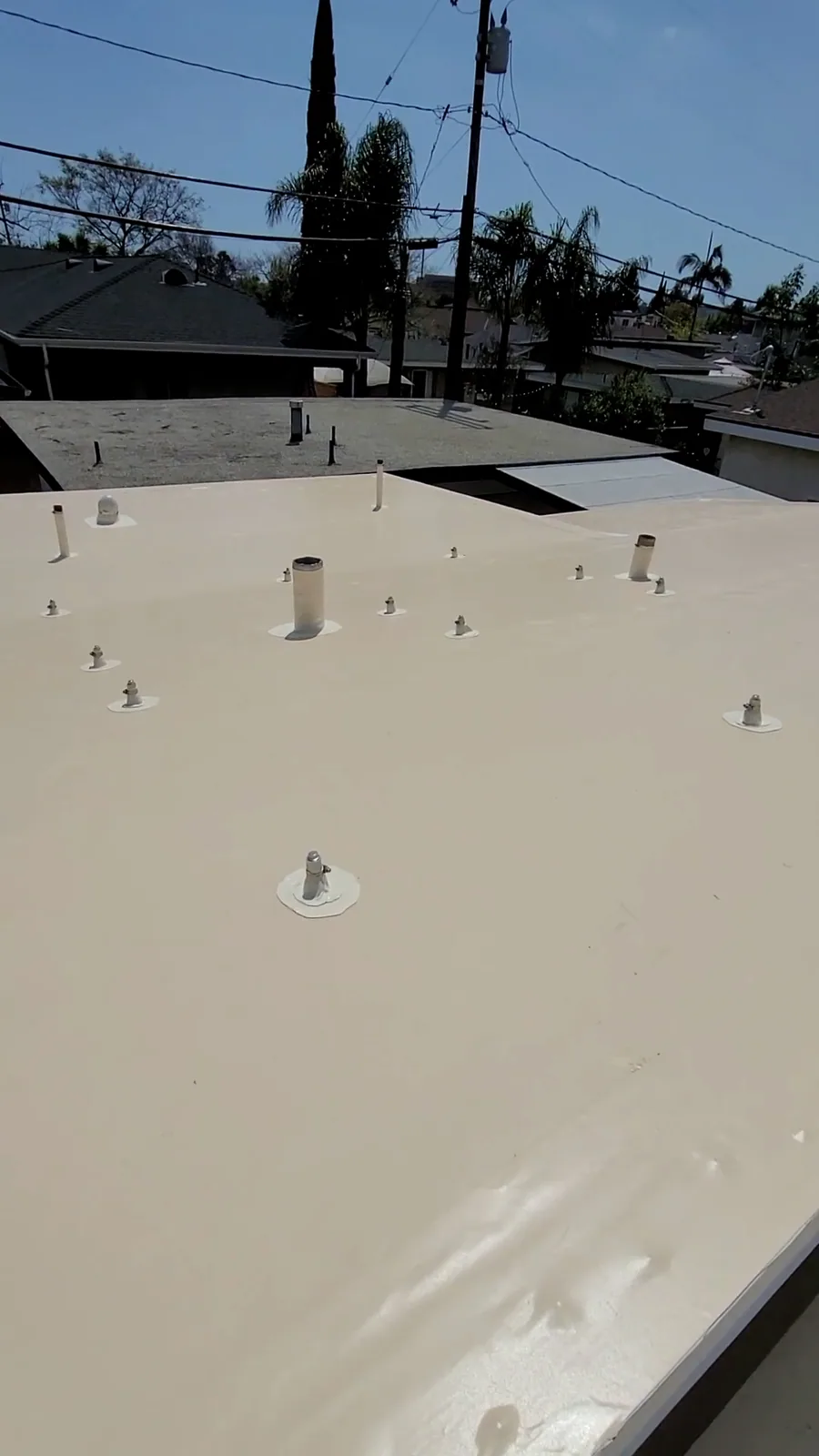
KEE Commercial Roofing
How the work is scoped, documented and phased on occupied Sugar Land buildings.
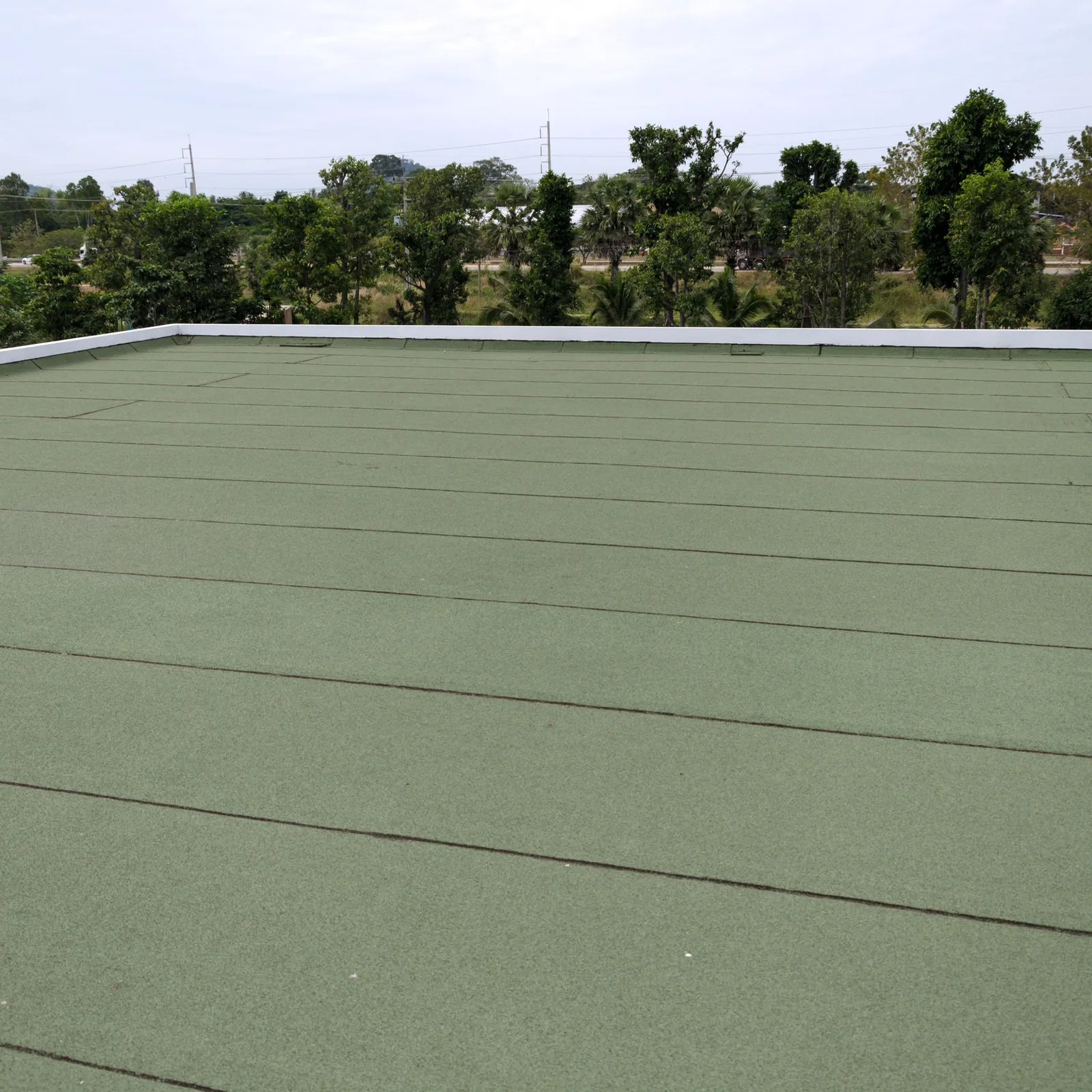
EPDM Commercial Roofing
What we check on the roof, what we recommend and how the crew keeps the building open.
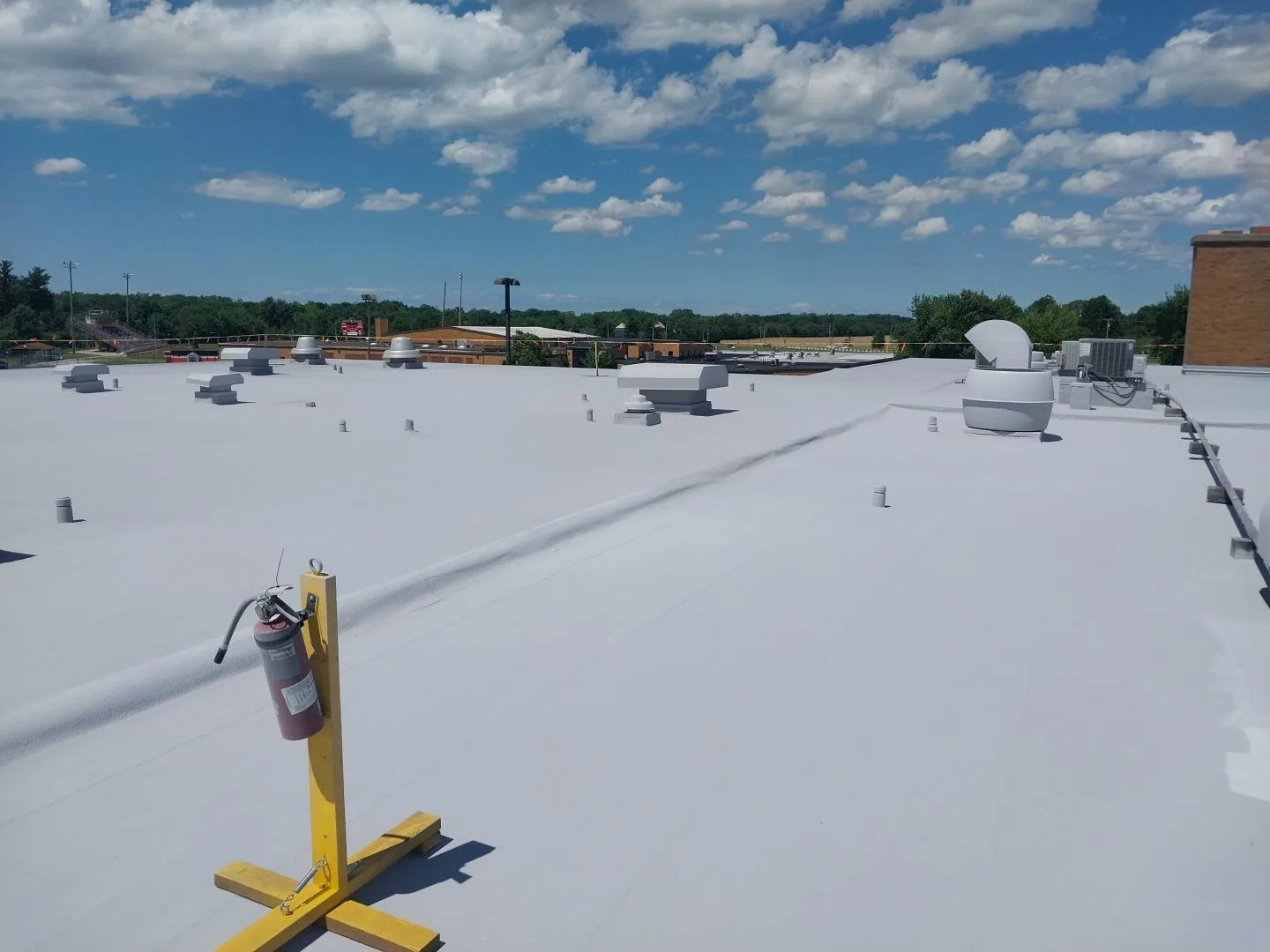
Roof Recover and Overlay
Conditions, options and next steps for commercial buildings in Fort Bend County.
Review the Complete TPO Assembly
Call for a roof assessment. We will explain the substrate, moisture and detail findings with photos so the owner can compare a suitable TPO scope.
Call 555-555-5555 or email [email protected].
Commercial Roofing Questions
Straight answers to the questions building owners and managers ask us most often.
Are all TPO seams suitable for the same welding settings?
Settings follow the selected product and field conditions. Trial welds and the required checks guide adjustments. A setting used on another roof does not establish a suitable weld here.
Can TPO cover any existing roof?
Retention requires evaluation of moisture, condition, attachment and applicable requirements. Some materials need removal or an approved separation arrangement. We explain the eligible assembly rather than assuming an overlay is always appropriate.
Does a reflective TPO sheet establish a specific saving?
Product surface ratings do not quantify building energy use. Insulation, operation and other factors matter. A supported prediction requires the relevant building analysis.
What happens when an old seam cannot be repaired suitably?
The scope may need removal to sound material or a rebuilt detail using approved components. We document the retained condition and repair boundary. Another patch is not selected solely because it is smaller.
What should staff watch after installation?
Report changed water patterns, equipment work and damage along service routes. Keep the roof records available for comparison. Access and inspection require suitable authorization and protection.
Reflective Surface and Heat Questions
Many TPO products have reflective surfaces, with product ratings describing their tested characteristics. That information is useful for comparison, but a light color does not quantify the building's energy saving. Insulation, air leakage and equipment operation also affect heat flow. We identify the specified material and keep any energy prediction tied to a supported building analysis.
Sugar Land's hot weather makes actual substrate conditions important during adhesive application and detailing. Reported air temperature does not establish the roof's surface temperature. The selected product instructions govern preparation and application limits. Cool roof planning evaluates those surface characteristics alongside moisture control and the rest of the assembly, rather than treating reflectivity as a substitute for a sound roof.
Curbs, Walls and Drainage
Field sheet performance depends on suitable perimeter and penetration connections. We identify pipe boots, curb corners, wall terminations and edge metal within the proposed scope. Preformed accessories and field-fabricated details follow the selected system requirements. A repeated opening at a moving connection may need detail reconstruction rather than another small patch over the same strain point.
Drain and scupper details connect the membrane to a usable water path. Ponding requires its own investigation because a sheet's exposure limits do not determine drainage capacity or structural adequacy. Equipment supports and walkway protection are arranged to preserve that path. The completed records locate these details so future service does not disturb an unexplained connection beneath the membrane.
How a Roof Project Runs
Every roof we take on moves through the same six steps:
01
Roof Walk
We walk the whole roof and photograph the membrane, seams, flashings, drains and equipment.
02
Moisture Check
Readings and core cuts show what is wet below the surface before anyone prices a repair.
03
Written Findings
You get plain-language findings, photos and the options that fit the roof.
04
Scope and Price
One written scope covers the system, the details, drainage changes and the price.
05
Scheduled Work
Crews work around tenants, deliveries and weather, closing the roof every night.
06
Closeout
We walk the finished roof with you and hand over photos and warranty paperwork.
Local Use and Installation Sequence
Sugar Land Town Square's offices, retail space and hotel bring several building contacts into installation planning. The manager identifies the affected rooms and the route from the unloading area to the roof. We survey the assembly and details while developing that plan, then show the measured areas and transitions in the proposal. Each day's notice names the work zone and any approved equipment window. The owner can review the TPO installation alongside the access and protection needed to construct it.
First Colony properties can likewise differ in construction and service needs. The roof survey and manager's service information identify the assembly, equipment routes and details included in the installation. Installation near ventilation equipment follows the facility's approved controls, and daily closures are suited to the planned opening and weather. If conditions prevent the required bond or weld preparation, the work sequence is revised rather than forcing the same production plan. For a separate project in South Houston, confirm the installed sheet and seam method before specifying material.
Care and Future Repairs
Closeout records include the specified membrane, relevant installation checks and photographs of completed transitions. Issued warranty documents identify their own conditions and maintenance duties; product family alone does not establish those terms. We explain any item remaining outside the work scope and retain the locations of repaired or reconstructed details.
Routine roof maintenance examines service routes, outlets, seams and earlier repairs. New equipment residue or traffic can change the exposure after installation. Future repairs begin by identifying the material and its surface condition before choosing preparation. This preserves a usable history of the assembly rather than relying on the assumption that a white sheet has remained unchanged since the roof was installed.
After installation, rooftop service traffic can scrape a sheet, leave debris at drains or disturb a flashing while equipment is being replaced. Maintenance staff should keep a record of those changes and report cuts, displaced accessories or altered penetrations before water reaches occupied space. We compare the new condition with closeout photos and identify whether a repair remains within the original work scope. That review keeps later maintenance tied to the actual membrane instead of assuming every white sheet has the same repair requirements.