
Missouri City
A roof over several occupied suites can have one drainage system and several different reports of water entry. On a Missouri City commercial property, we examine the roof connections and compare each report with its room location and timing. The repair follows the confirmed defect rather than assuming all occupants have the same cause. Photos and a mapped scope help the manager coordinate access and explain the work to the owner.
Commercial activity along SH 6, US 90A and Texas Parkway includes retail and medical uses. Missouri City also has Lake Olympia and Sienna south of Highway 6, with the Fort Bend Toll Road among its access routes. We repair and replace low-slope and metal roofs within that setting using the assembly actually installed at each address. A property elsewhere in Sugar Land, TX has its own findings and project requirements.
A Leak Report With Its Operating Conditions
The time water appeared helps select the investigation, but does not settle the cause. A room may drip during rain, later as water leaves a wet layer, or while equipment is operating. We ask the property contact to identify the affected room, visible damage and nearby mechanical activity. The inspection then compares those observations with roof seams, penetrations and outlets.
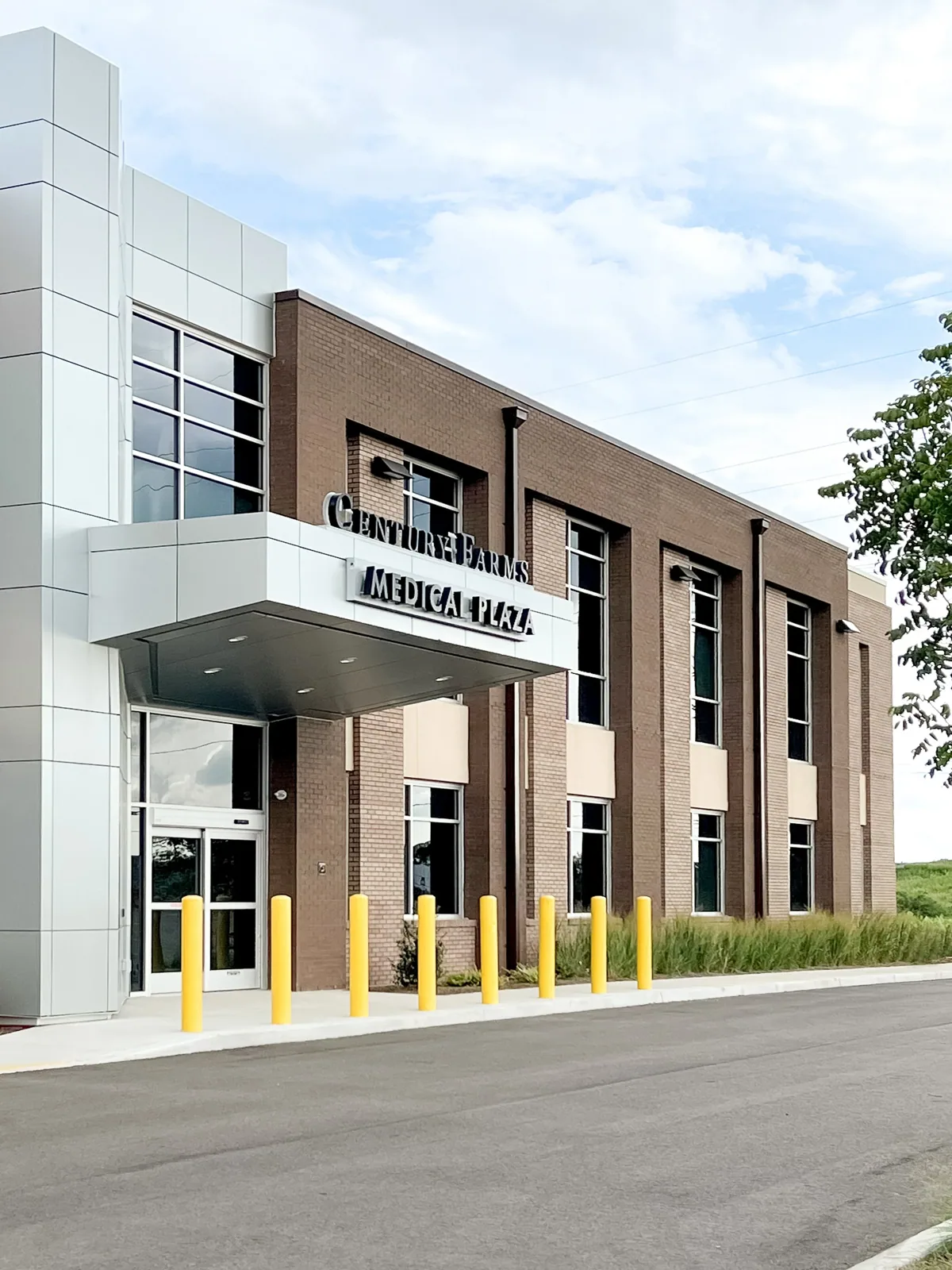
For a medical office roof, interior access and protection need coordination with the facility team. The assessment identifies air-handling equipment and the precautions required for the proposed products and work. A stained ceiling may need immediate interior protection while the roof path remains under investigation. Those tasks are stated separately so the manager can act on the supported concern without treating a tentative cause as established.
Condensation as a Condition to Test
Condensation requires moisture to reach a surface colder than its dew point. An air-control opening or an equipment-related air path can contribute, depending on the temperatures and assembly. Outdoor humidity alone cannot establish that this has happened within the roof. We examine accessible construction and reported indoor conditions where that mechanism is plausible.
A roof leak investigation also examines rain entry and condensate drainage. Several mechanisms can coexist, particularly when an equipment detail and its adjacent flashing both need attention. Suitable tests are selected to answer the actual question. The report states which path was confirmed, which remains suspected and what further mechanical or assembly review would help resolve it.
Transitions Between Tenant Areas
A tenant boundary inside does not necessarily align with a roof joint. We map the installed roof levels, wall connections and equipment locations before assigning repair quantities to suites. Water may travel along layers or framing, so an interior stain is a reference point rather than proof of the opening directly above. The inspection record retains the observed path and any uncertainty.
At a retail property, equipment additions and capped penetrations receive their own entries where found. A wall termination can require rebuilding if the attachment or overlap is unsuitable. Sealant maintenance may be appropriate for a sound designed joint, but it cannot replace a missing flashing connection. We show the detail needing correction and identify any responsibility information that management must confirm separately.
Where a roof serves multiple suites, the repair map should identify each reported room without implying that one leak feeds every stain. We compare the ceiling location with walls, curbs, drains and any change in roof level above it. A long water path can make the interior symptom misleading. Separate photographs and findings help the manager arrange tenant access and explain why two nearby rooms can require different investigations or repair boundaries.
Related Roofing Pages
Medical Office Roofing
How the work is scoped, documented and phased on occupied Sugar Land buildings.
Commercial Roof Leak Repair
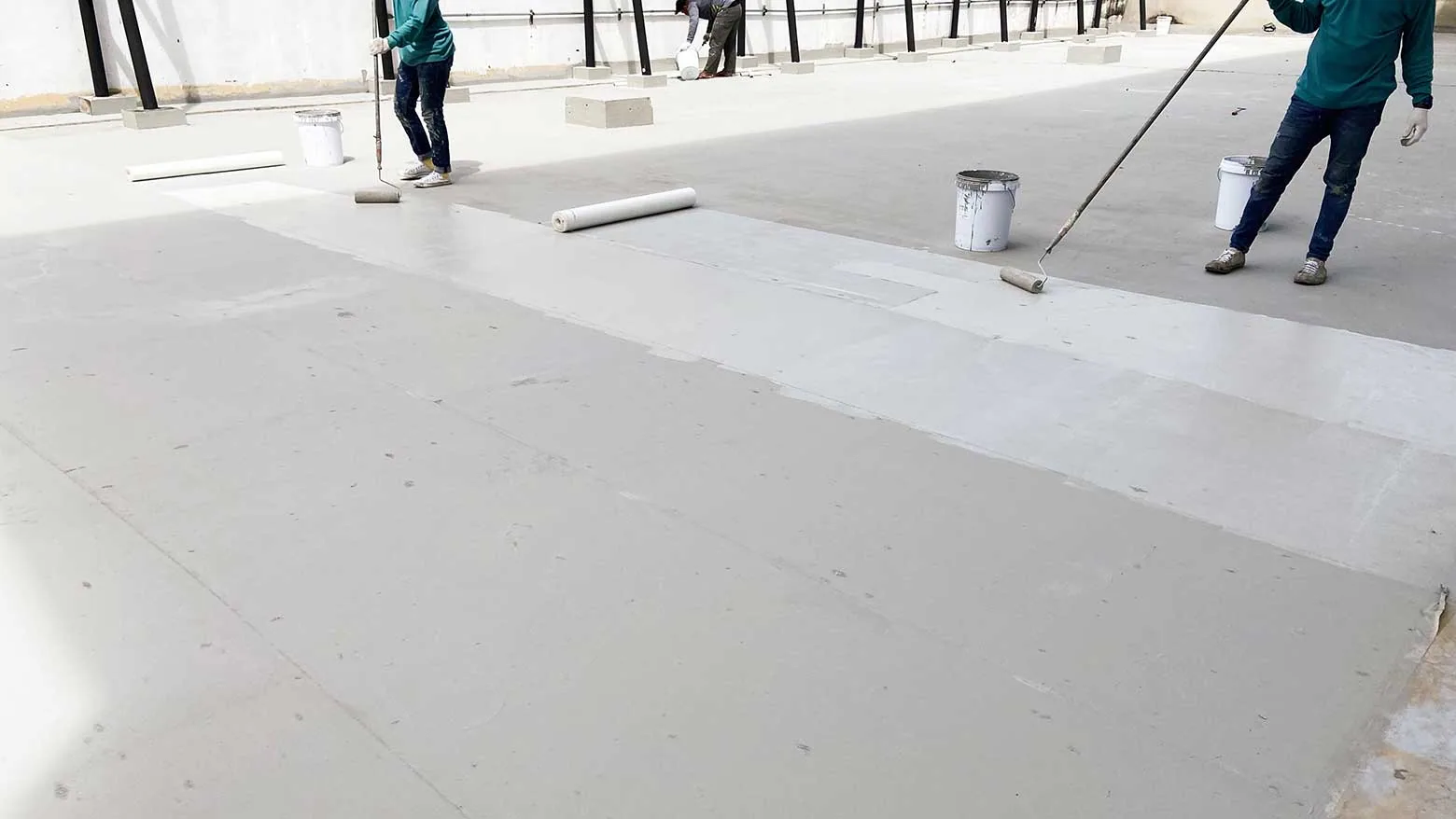
What we check on the roof, what we recommend and how the crew keeps the building open.
Shopping Center Roofing
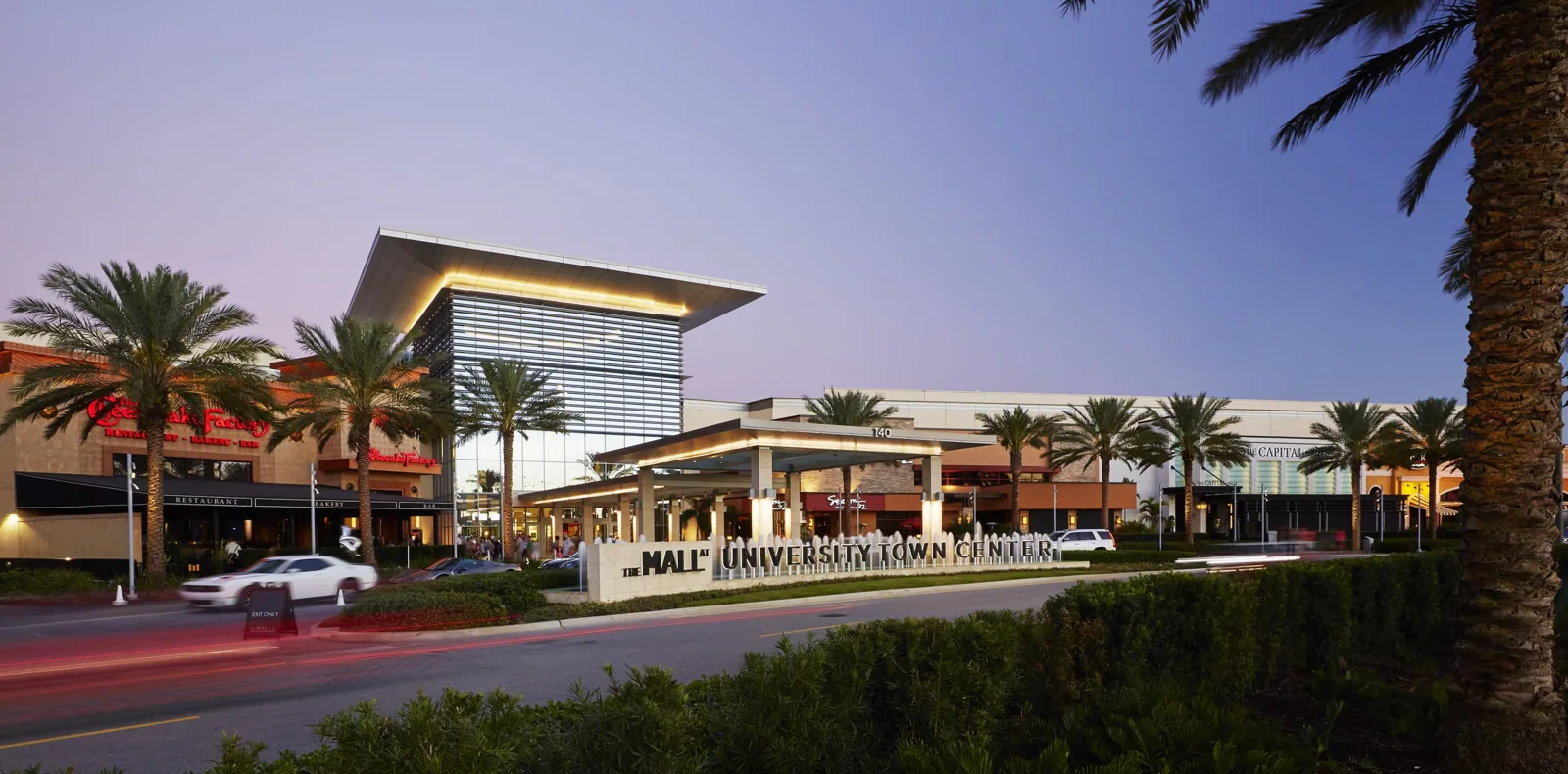
Conditions, options and next steps for commercial buildings in Fort Bend County.
Explain the Missouri City Roof Findings
Request photos and a practical explanation of the moisture path, repair detail and operating precautions for your Missouri City commercial property.
Call 555-555-5555 or email [email protected].
Commercial Roofing Questions
Straight answers to the questions building owners and managers ask us most often.
Why should separate suites receive separate leak findings?
Their reports may involve different timing, equipment and roof connections. We compare each interior location with the actual roof plan. A confirmed defect over one area does not establish the cause of another suite's water entry.
Can a medical office stay open during a small flashing repair?
The facility team confirms the required protection, access and air-handling controls before the schedule is set. We define the opening and closure sequence around those conditions. The roof quantity alone cannot establish whether the work is suitable during occupied hours.
Does a clear drain rule out a drainage problem?
Water can remain because of local elevations, insulation irregularities or supporting conditions even when the inlet is clear. We inspect the route and measure where needed. Proposed slope or outlet changes require the appropriate design review.
What makes a coating recommendation supportable?
A compatible substrate, suitable adhesion, sound retained materials and corrected details are needed. Moisture and drainage findings also need consideration. The proposal states preparation and remaining questions before treating the roof as eligible for coating.
Warm Surfaces and Restricted Drainage
The neighboring Sugar Land climate includes a record 109 F high in August 2023. That event provides regional heat context, while material condition at the Missouri City property establishes the repair need. Sun-exposed surfaces can develop substantial temperature differences through the day. We inspect cracked patches, loose metal and lifted laps individually, then review compatible preparation and movement details.
Drainage is examined at the same visit without treating every stain as heat damage. Debris, inlet elevations and the route across the surface are recorded. Drain and overflow work distinguishes cleaning from adding an outlet or altering slope. Those design changes need review of plumbing, structural conditions and the applicable project requirements before installation. A clear inlet and a wet low area can indicate different tasks rather than one repair applied to both.
The Findings Behind a Larger Scope
A thermal difference can guide moisture investigation when weather and surface conditions make the pattern useful. The interpretation needs assembly information and suitable confirmation. Authorized samples show layers and condition at selected points, with testing coverage stated. The wider roof decision considers attachment, supporting condition, drainage and the extent of deterioration alongside those findings.
A restoration coating proposal identifies substrate preparation, adhesion and compatibility as well as the moisture corrections required. A recover needs its own eligibility and loading review, with unsuitable wet layers removed. Replacement may be more appropriate where the retained assembly or necessary rebuilding makes partial treatment impractical. The manager receives the reason for each option and a clear list of additional investigation needed before final pricing.
Prices separate removal, insulation correction, rebuilt penetrations and the occupied-building provisions. A short access window may increase repeated protection or handling tasks even when the measured repair area is limited. We identify the reviewing jurisdiction for the Missouri City address and confirm the proposed assembly's requirements. A code edition or approval from Sugar Land does not by itself establish the requirements here.
How a Roof Project Runs
Every roof we take on moves through the same six steps:
01
Roof Walk
We walk the whole roof and photograph the membrane, seams, flashings, drains and equipment.
02
Moisture Check
Readings and core cuts show what is wet below the surface before anyone prices a repair.
03
Written Findings
You get plain-language findings, photos and the options that fit the roof.
04
Scope and Price
One written scope covers the system, the details, drainage changes and the price.
05
Scheduled Work
Crews work around tenants, deliveries and weather, closing the roof every night.
06
Closeout
We walk the finished roof with you and hand over photos and warranty paperwork.
Access Along the Commercial Routes
US 90A, SH 6 and the Fort Bend Toll Road provide approaches to Missouri City, but the actual property entrance and receiving arrangements establish delivery access. We coordinate staging, pedestrian routes and the location of equipment before removal begins. The building team confirms which air-handling precautions and interior controls the work needs. Each opened section receives the planned closure and a record of the protection completed.
For an owner with another property in Stafford or a building serving Sienna, the maintenance record uses separate locations and inspection findings. In Missouri City, the record also identifies equipment concerns and the next task for each unresolved detail. Urgent water entry can be reported overnight or on holidays. Available crews assess safe access, weather and possible protective measures before attempting immediate work.
Occupied retail and medical spaces can place limits on noise, odors, ceiling access and interruptions to air handling. Those constraints are confirmed for the specific work area before products or removal methods are selected. We identify when interior protection is needed and who can authorize access to a suite. If a condition needs a longer opening or a controlled test, the proposal states the operating dependency so the schedule can be coordinated with the affected occupant.