
Modified Bitumen Roofing
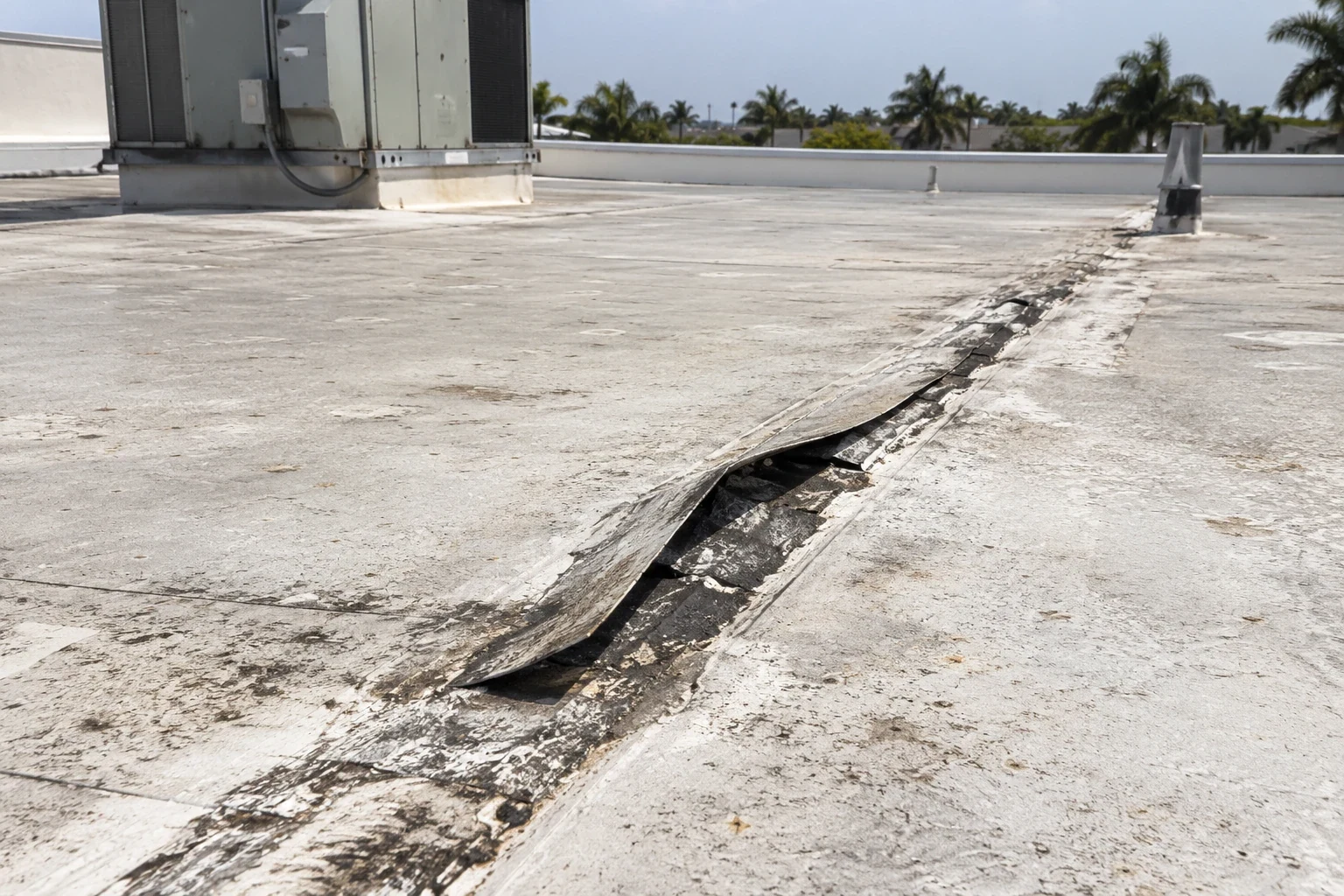
A split in an asphalt-based roof can reflect movement beneath the sheet rather than simple surface wear. The visible crack admits water, but another patch may open if the same unsupported transition remains. Modified bitumen roofing in Sugar Land, TX examines the sheet, its connection and the supporting layers together. We explain the observed defect and choose a repair or new assembly based on those findings.
Modified bitumen uses reinforced asphalt sheets with polymer modification. Products and application methods vary, so the material family does not establish one installation sequence. The selected system governs compatible layers, preparation and detail work. Owners receive a scope describing those components and any necessary removal rather than an assumption that all asphalt-based roofs can be repaired in the same way.
For a comparison with built-up plies, explain the chosen components and application process for each layered option. A proposed PVC roof uses a different material and joining method. Operating arrangements should follow the selected construction rather than transfer unchanged between proposals.
Sheet Type and Layer History
SBS- and APP-modified products can have different characteristics and approved application methods. We identify the retained material where records and inspection permit, including its surface and reinforcement. Earlier repairs may introduce another product or treatment that changes the available bond. The report records that uncertainty before a patch or coating is proposed.
Selected openings can show the layer sequence and local substrate condition. The building's original construction date does not establish the current roof's age, and a sample does not describe every concealed section. Assembly inspection compares those findings with drainage, flashing and repair history. This gives the owner a basis for retention or removal without turning one visible cap sheet into a complete account of the roof beneath it.
Laps and Movement at Details
A lap needs the specified connection across a suitably prepared surface. Open channels, damaged edges and contamination are recorded before repair. At walls and curbs, geometry and movement can strain the sheet differently from the open field. We examine those transitions to distinguish an isolated connection defect from a recurring condition requiring reconstruction.
For lap and seam repairs, the preparation and joining method follow the identified system. A surface coating is not a substitute for closing an unsuitable lap or rebuilding missing support. Where deteriorated material cannot receive a suitable bond, removal reaches sound material. The scope explains why that boundary may extend beyond the visible split. Before reconstruction, photographs show the retained edge and any underlying damage found during removal. If the exposed layers differ from the preliminary findings, the manager receives a revised explanation of the materials and area needing work. That documentation connects the final repair to the condition actually encountered rather than leaving an unexplained change in quantity.
Blisters and Concealed Water
A raised area can have several causes and should not automatically be labeled wet insulation. We examine its condition and the surrounding roof, then select suitable testing when the finding affects the repair scope. Opening is planned to avoid creating an unmanaged water route. Any sample records the layers, condition and location that were actually observed.
An infrared moisture investigation can help identify suspect extent if weather and construction produce useful thermal contrast. Patterns need confirmatory checks. The removal recommendation follows the combined evidence, with allowance for different exposed findings. A surface that appears dry after several warm days does not establish that every retained layer has dried or remains suitable.
Related Roofing Pages
Built-Up Commercial Roofing
How the work is scoped, documented and phased on occupied Sugar Land buildings.
PVC Commercial Roofing
What we check on the roof, what we recommend and how the crew keeps the building open.
Commercial Roof Seam Repair
Conditions, options and next steps for commercial buildings in Fort Bend County.
Understand the Asphalt Sheets and Their Connections
Call for a roof assessment. We will explain lap, moisture and substrate findings with photos so the owner can compare suitable modified bitumen work.
Call 555-555-5555 or email [email protected].
Commercial Roofing Questions
Straight answers to the questions building owners and managers ask us most often.
Are SBS and APP sheets installed the same way?
Approved methods vary by product and system. The selected instructions establish preparation and joining requirements. We identify the actual material before proposing repairs.
Does a blister always mean insulation is wet?
The raised area needs investigation before its cause is assigned. Suitable testing can establish the conditions relevant to repair. The report distinguishes observations from confirmed moisture.
Can a coating replace an open-lap repair?
The lap needs a suitable connection first. Coating eligibility also depends on moisture, adhesion and retained condition. Surface treatment does not rebuild an unsuitable detail.
Will every installation require torch work?
Application methods differ among systems. The proposal identifies the selected method and its controls. Fire, odor and operating requirements are planned for that actual work.
How is roof age confirmed?
Current roof records and inspected layers provide evidence. Neighborhood or building construction dates do not establish a present membrane age. We retain uncertainty when the history is incomplete.
Application Method and Facility Controls
Modified bitumen systems may use adhesive, self-adhered, hot-applied or other approved installation methods according to the product. The proposed method is selected before operating controls are planned. Substrate preparation, application conditions and required cure intervals follow the specified instructions. A sunny roof is not a universal condition for adhesive cure.
Where the selected work involves hot application or open flame, the project needs the appropriate fire-prevention and authorization process. Another method can have its own odor and preparation requirements. Occupied-building coordination identifies affected rooms, material handling and mechanical controls. An active ventilation intake is not covered arbitrarily; the facility team approves any operating restriction within a planned sequence.
Insulation, Attachment and Drainage
The supporting roof needs suitable attachment and condition beneath the sheet. We inspect available deck information and retained layers before selecting a new assembly. Wet or deteriorated material is addressed within supported removal limits. A reinforced cap sheet cannot compensate for an unsuitable substrate or establish the deck's structural capacity.
Insulation and cover board contribute their assigned roles within the approved system. Tapered layouts need coordinated heights at drains, curbs and walls. Drainage repairs also examine outlet restrictions rather than assuming another layer will correct ponding. Regional ground subsidence is not a diagnosis of a low spot on the individual roof; suspected structural movement receives the appropriate evaluation.
How a Roof Project Runs
Every roof we take on moves through the same six steps:
01
Roof Walk
We walk the whole roof and photograph the membrane, seams, flashings, drains and equipment.
02
Moisture Check
Readings and core cuts show what is wet below the surface before anyone prices a repair.
03
Written Findings
You get plain-language findings, photos and the options that fit the roof.
04
Scope and Price
One written scope covers the system, the details, drainage changes and the price.
05
Scheduled Work
Crews work around tenants, deliveries and weather, closing the roof every night.
06
Closeout
We walk the finished roof with you and hand over photos and warranty paperwork.
Surface Protection and Coating Questions
Granulated or other finished surfaces protect the selected sheet according to its design. Wear, exposed reinforcement and loose surface material are evaluated as observed conditions rather than assigned a remaining life from appearance alone. Equipment traffic and service routes can concentrate that wear. Suitable walkway protection follows the assembly and preserves the drainage path.
Coating restoration may be considered where the retained roof is eligible and the proposed product is compatible. Preparation, adhesion testing and detail repairs remain necessary. Coating does not reconnect an open lap, remove water from insulation or resolve a weakened deck. The comparison explains the actual restoration scope alongside repair or replacement options.
Local Records and Long-Term Care
First Colony and Greatwood are Sugar Land communities with commercial service access planned at the particular building. Greatwood's northern boundary follows I-69/US 59, while First Colony includes the retail setting near the freeway and SH 6. The manager identifies the unloading route, affected entrances and any equipment restriction before application is scheduled. We survey the asphalt sheets and details, then place the measured scope beside those operating instructions. The owner can review preparation, installation method and site coordination as one workable proposal.
Closeout photographs locate the completed laps, flashing and repaired surfaces. Product and application records support future compatible work, while warranty terms follow the issued documents. Maintenance compares new observations with that record and checks drains and service routes. When another repair is needed, the known layer history helps avoid placing an incompatible treatment over a surface that only resembles another asphalt roof.
At a modified-bitumen roof, a repair review records the ply arrangement, surfacing and transitions at drains, curbs and walls. A surface split may be limited to the cap sheet, or it may continue through more of the assembly. We check the actual exposed layers before setting removal quantities. Any heat-applied procedure is planned around combustibles, occupied space and fire controls; a torch-free method still needs compatible materials and a suitable connection. The closeout identifies where each rebuilt lap begins and ends.