
Roof Recover and Overlay
Putting a second roof over a first one seals in whatever the first roof is holding, and in Sugar Land, TX retained moisture is an important condition to investigate. Humid air can introduce water where air leakage and the temperature profile permit condensation, and a new membrane on top will not dry it out. A recover is a legitimate way to save the cost and disruption of a tear-off, but it works only on a roof that is dry, flat enough and structurally sound. The first step is finding out which kind of roof the building has.
What a Recover Traps
An old roof that looks tired on top can still be a dry, serviceable base, and that is the case where a recover makes sense. The danger is the roof that looks the same but has wet insulation beneath the membrane. Moisture trapped there cannot escape upward through a new membrane, so unsuitable wet material remains a concern beneath the new surface. Its effect on insulation and support is evaluated before retention is proposed.
The failure shows up later and farther from its cause. A stain appears on a dry afternoon, a fastener pops, a seam blisters, and the owner assumes the new roof is defective. Those symptoms cannot establish whether the new membrane or retained layers are responsible. The investigation checks both against the pre-work record. We treat the moisture survey as the price of admission to a recover, and when it comes back wet, we identify unsuitable material for removal and compare eligible retention with tear-off and replacement using the broader condition findings.
Conditions That Allow an Overlay
A recover is reasonable when the readings and the building agree. We look for these conditions before putting an overlay in a proposal.
- Dry, sound insulation evaluated through an appropriate infrared and core-cut moisture survey, with selected samples confirming conditions at their locations.
- A deck that is sound, with no corrosion, deflection or loose attachment under the old layer.
- Existing layer count and construction that satisfy the applicable recover provisions and project review.
- Drains and slope that work well enough that a thicker assembly will not trap ponding against walls and curbs.
- Wall, curb and parapet heights that can take the added thickness without cutting flashings short.
If any one of these fails, the answer changes. A recover that ignores a failed condition becomes a replacement problem later, with more material to remove.
Attachment deserves its own review before a new layer is approved. The existing membrane may be loose, brittle or bonded only at selected areas, and a new system can transfer those conditions rather than correct them. We identify the observed attachment, review available records and use suitable testing where the assembly remains uncertain. Structural questions about added weight are referred for the appropriate evaluation. The proposal states what evidence supports retaining the old roof and which areas would require removal.
Overlay Assemblies That Perform
The usual recover uses a cover board or a separation layer over the old membrane, then a new approved membrane assembly on top. The specified layer provides separation and a suitable installation surface for the selected assembly. Attachment follows that assembly’s requirements. Single-ply systems such as TPO can be adhered or mechanically attached over that board, depending on the deck and the wind uplift the building must resist.
On aging metal buildings, a metal roof retrofit follows the same idea. New framing or clips carry a new panel over the old one, and the cavity's insulation, air and vapor control follow the engineered assembly; ventilation is not assumed suitable in every retrofit. Each of these assemblies is chosen after the survey, never before it, and the details at every wall and penetration are drawn out so the added thickness does not cut flashings short.
Related Roofing Pages
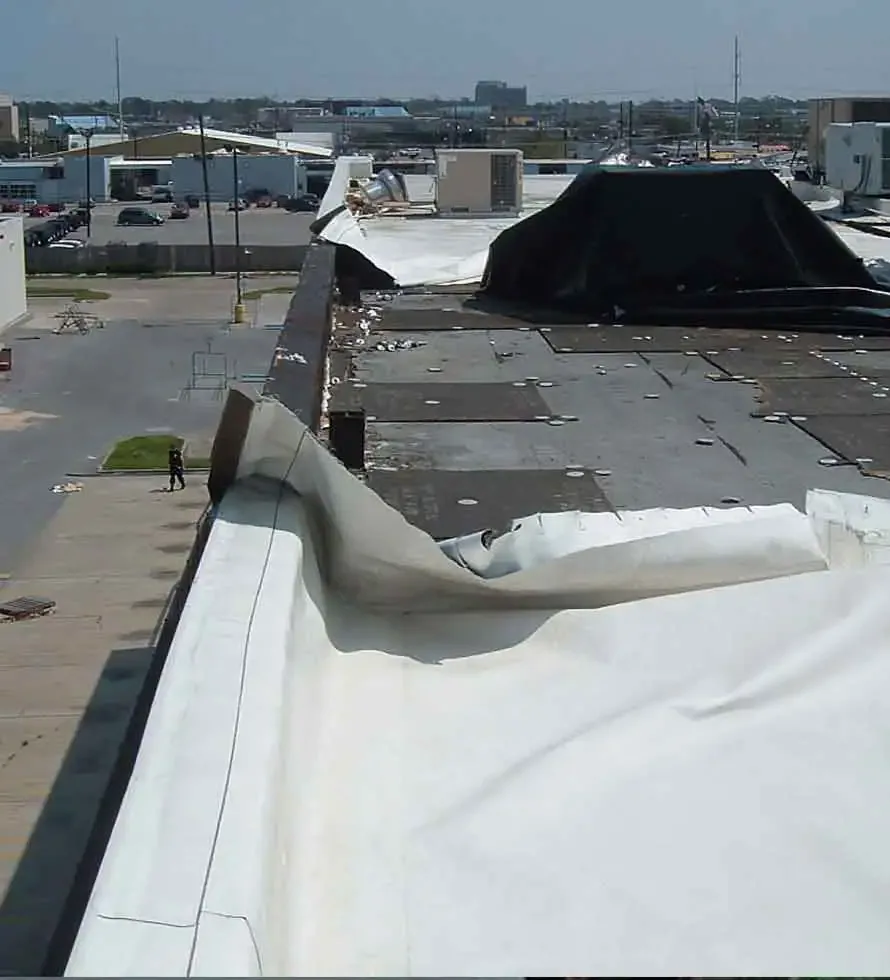
Commercial Roof Replacement
How the work is scoped, documented and phased on occupied Sugar Land buildings.
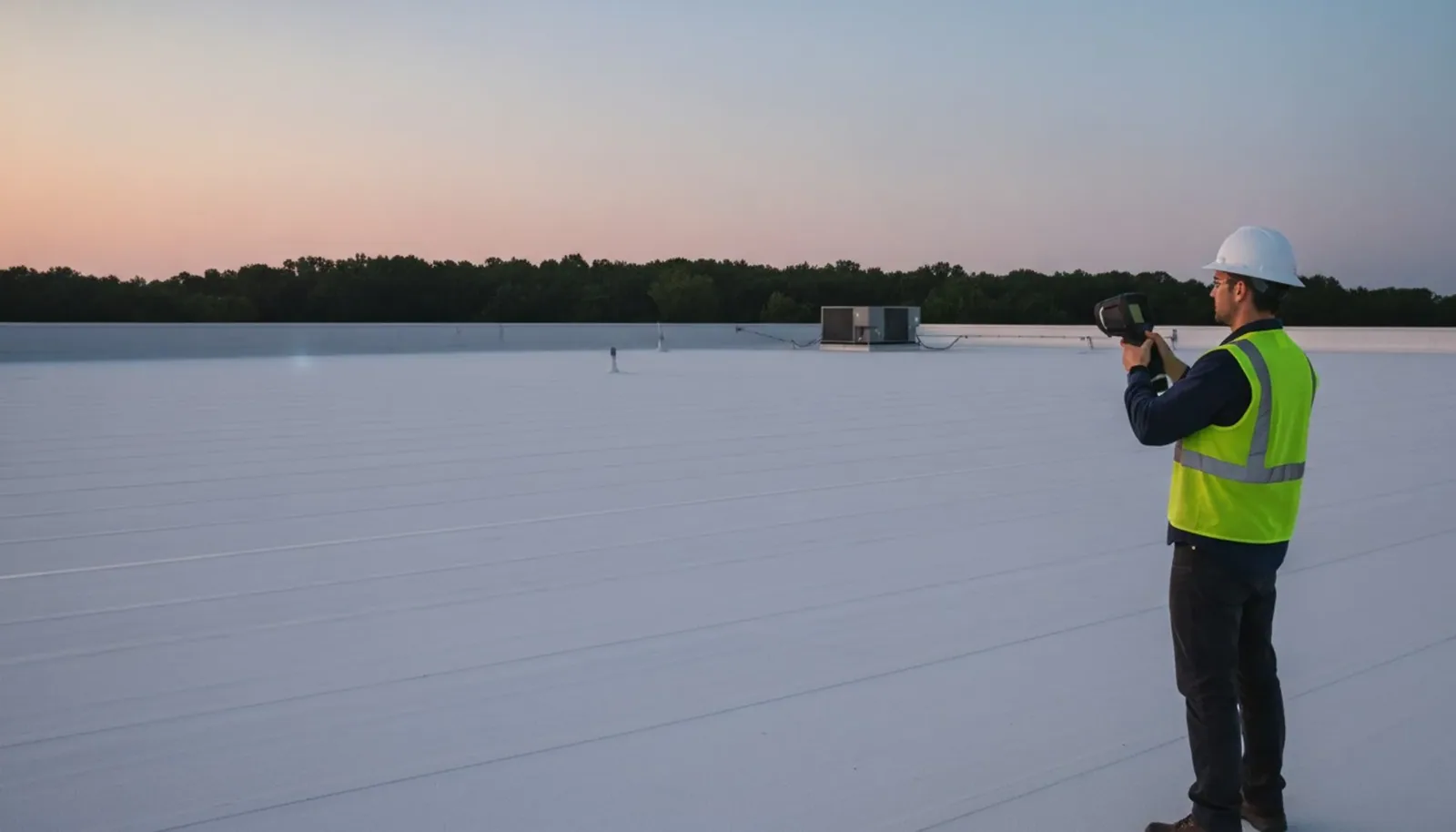
Infrared Roof Moisture Surveys
What we check on the roof, what we recommend and how the crew keeps the building open.
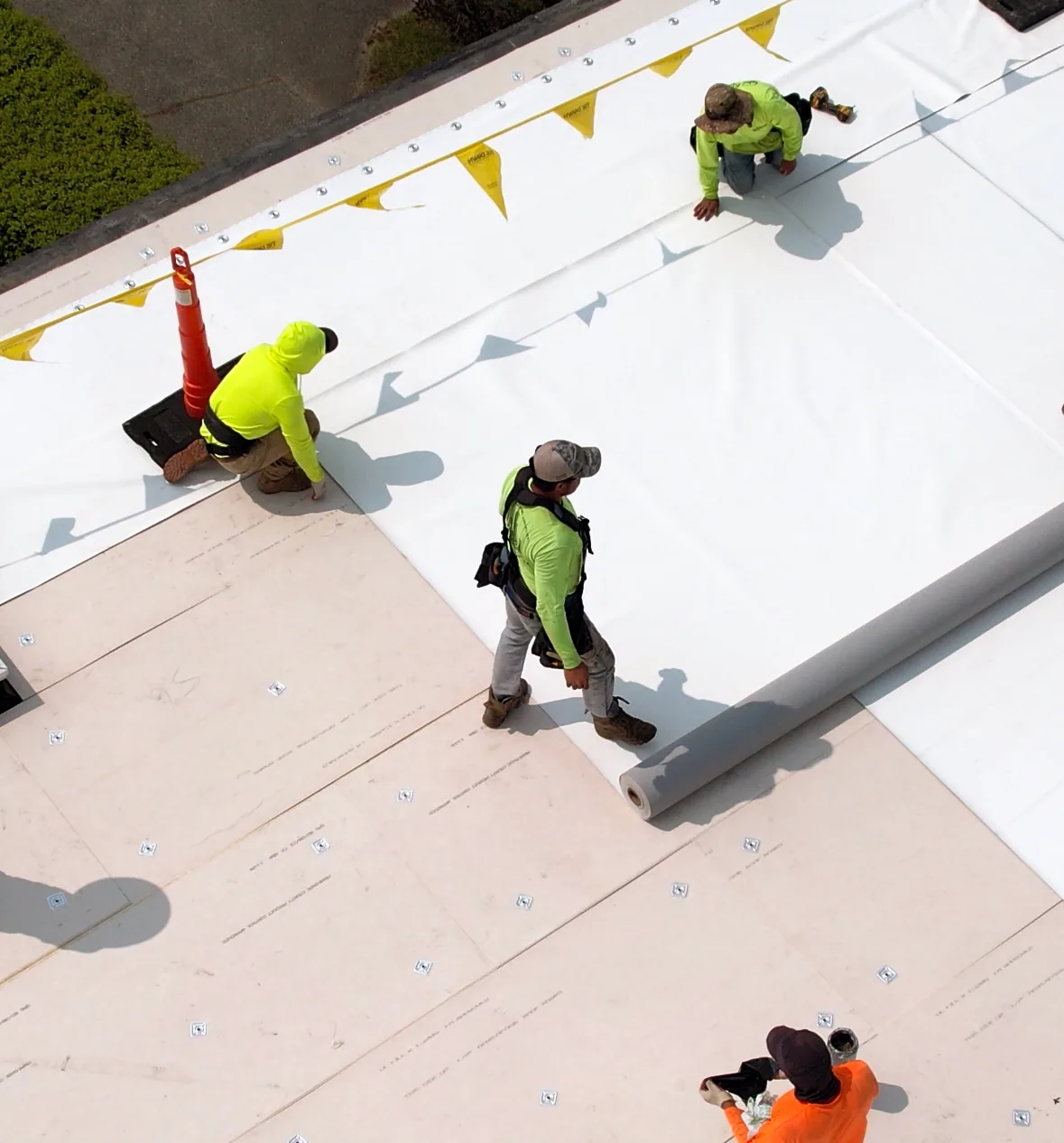
TPO Commercial Roofing
Conditions, options and next steps for commercial buildings in Fort Bend County.
Find Out Whether Your Roof Can Take a Recover
We will test the existing roof, explain the readings in plain terms, and send photos so you can show the owner whether an overlay or a tear-off is the better path.
Call 555-555-5555 or email [email protected].
Commercial Roofing Questions
Straight answers to the questions building owners and managers ask us most often.
Why would a contractor refuse to recover a roof?
Wet insulation is the usual reason. If the survey shows water in the board, a second membrane only hides the problem and shortens the life of both roofs. The recommendation identifies unsuitable materials for removal and checks the remaining recover conditions before retaining any area.
Does a recover cost less than a replacement over the life of the roof?
A recover can reduce tear-off, disposal and schedule costs when the existing assembly is suitable. Long-term cost depends on the retained roof condition and the work required to make it eligible. Wet or poorly attached layers can turn an overlay into added removal cost, so the proposal compares both options against confirmed findings.
How many layers of roofing can a building carry?
Check the existing coverings, materials and weight against the applicable project requirements. Layer count is one part of the recover review; structural capacity, drainage and attachment also matter. The proposal records the conditions supporting retention and any approval still needed.
Will a recover change the way my drains and flashings work?
It can, since the roof surface rises by the thickness of the new layers. Drain sumps, scuppers, curb flashings and wall terminations must be adjusted to match. Skipping that step is how a recover ends up with water standing near the details that already leak.
Can a recover be done in the hurricane season?
The proposed work needs suitable forecast conditions and a practical closure plan. Daily removal or exposed-detail work is limited by safe access, crew capacity and temporary protection. Reassess the sequence when the forecast changes, and identify interruption procedures before opening the assembly.
Code Limits on a Second Layer
Sugar Land has adopted the 2024 IBC and IEBC within its local code framework. The project review checks their reroofing provisions and amendments against the existing roof and proposed work. Deteriorated or water-soaked materials, existing applications and structural requirements affect whether retention can be approved. Energy provisions and wind uplift requirements also come into the permit review.
Neighboring jurisdictions write their own rules. A warehouse in Stafford, a retail strip in Missouri City and a building in unincorporated Fort Bend County can each follow a different edition, so we confirm the address with the right building department before a recover is priced. The permit path and required review time are confirmed before the work is scheduled.
Detail height is another recover constraint. New insulation and membrane add thickness at drains, door thresholds, curbs and wall terminations. We measure those transitions and show where extensions or rebuilt flashings may be required. A roof that passes a moisture check can still need extensive edge work to preserve drainage and weather protection. Including those items in the comparison makes the overlay scope more complete than the field membrane quantity alone.
Heat Load and Vapor Under a New Surface
A new reflective membrane lowers surface temperature, but a recover changes how vapor moves through the assembly. Condensation risk depends on temperature, humidity, air leakage and the vapor properties of the retained and new layers. Industrial buildings in Sugar Land Business Park and mixed-use roofs near Town Square need assembly-specific evaluation rather than a conclusion based on the building address.
Storm exposure matters too. Regional storms such as Beryl and the May 2024 Houston derecho make perimeter condition an important inspection item. A recover must be fastened or adhered for the same uplift a new roof would face, with the edge metal and perimeter details rebuilt to match, so the overlay does not become a sail.
How a Roof Project Runs
Every roof we take on moves through the same six steps:
01
Roof Walk
We walk the whole roof and photograph the membrane, seams, flashings, drains and equipment.
02
Moisture Check
Readings and core cuts show what is wet below the surface before anyone prices a repair.
03
Written Findings
You get plain-language findings, photos and the options that fit the roof.
04
Scope and Price
One written scope covers the system, the details, drainage changes and the price.
05
Scheduled Work
Crews work around tenants, deliveries and weather, closing the roof every night.
06
Closeout
We walk the finished roof with you and hand over photos and warranty paperwork.
Watching an Overlay Over Time
An overlay preserves concealed layers, so its inspection plan records the retained condition and the installed system requirements. We schedule a check after the first rainy season, record drain flow and seam condition, and rescan at intervals if the original survey found borderline readings. Where a manufacturer warranty applies, our roof warranty management keeps the paperwork and the photos in order.