
School Districts
A recurring classroom stain can remain unresolved when repair records identify only a campus name. The next visit starts again without the room location, timing or detail previously treated. Commercial roofing for Sugar Land school districts builds a more usable condition history. We connect interior reports to roof findings and explain the repair or replacement decisions with photographs and a building plan.
A district can manage roofs of different ages and assemblies across one campus or several schools. Construction dates do not establish the current membrane's installation date. Each section needs its own records and inspection. The facilities team receives comparable findings while preserving the differences that determine suitable material, removal and operating requirements.
Room Reports and Roof Sections
The campus team identifies the affected rooms, water timing and any recent mechanical work. We compare those reports with roof divisions, accessible flashing and drainage. A stain does not necessarily lie directly beneath the opening, and dry-day water does not by itself prove condensation. Retained rainwater and equipment discharge remain possible routes to investigate.
Leak investigation records the verified defect separately from staff reports and unresolved sources. A roof plan locates the repaired detail and any area needing further testing. The district can then tell which complaint was addressed rather than assume a repair on one section resolves every later report at the school. This also helps another manager continue the investigation from evidence.
Campus History and Concealed Layers
Available plans and installation records help identify original work and later changes. Additions may contain a different deck or roof assembly, even where the surface looks similar. Selected openings document the layers and condition at their locations. The report does not assign the same age or material to every campus building because it shares a name.
Roof inspections identify accessible seam, flashing and service-route conditions that samples alone cannot describe. Layer count, attachment and moisture all matter when retention is proposed. Historical school opening dates supply context rather than proof of a present roof's age. Uncertain history remains visible so the district can obtain further records or testing before approving an overlay.
Moisture Extent and Removal Quantities
Water beneath a membrane can spread beyond a small entry defect. We choose suitable methods to investigate extent when it changes the scope. Samples confirm local condition, while interpreted boundaries rely on the combined evidence. The estimate states how removal quantities were developed and what exposed findings could revise them.
An infrared moisture survey can guide confirmation under suitable construction and weather conditions. Shade, equipment and surface changes can also produce temperature patterns. Those effects are evaluated before areas are labeled wet. The facilities team receives photographs and mapped findings that distinguish verified layers from suspect extent, making a changed removal scope easier to assess when work opens the roof.
Related Roofing Pages
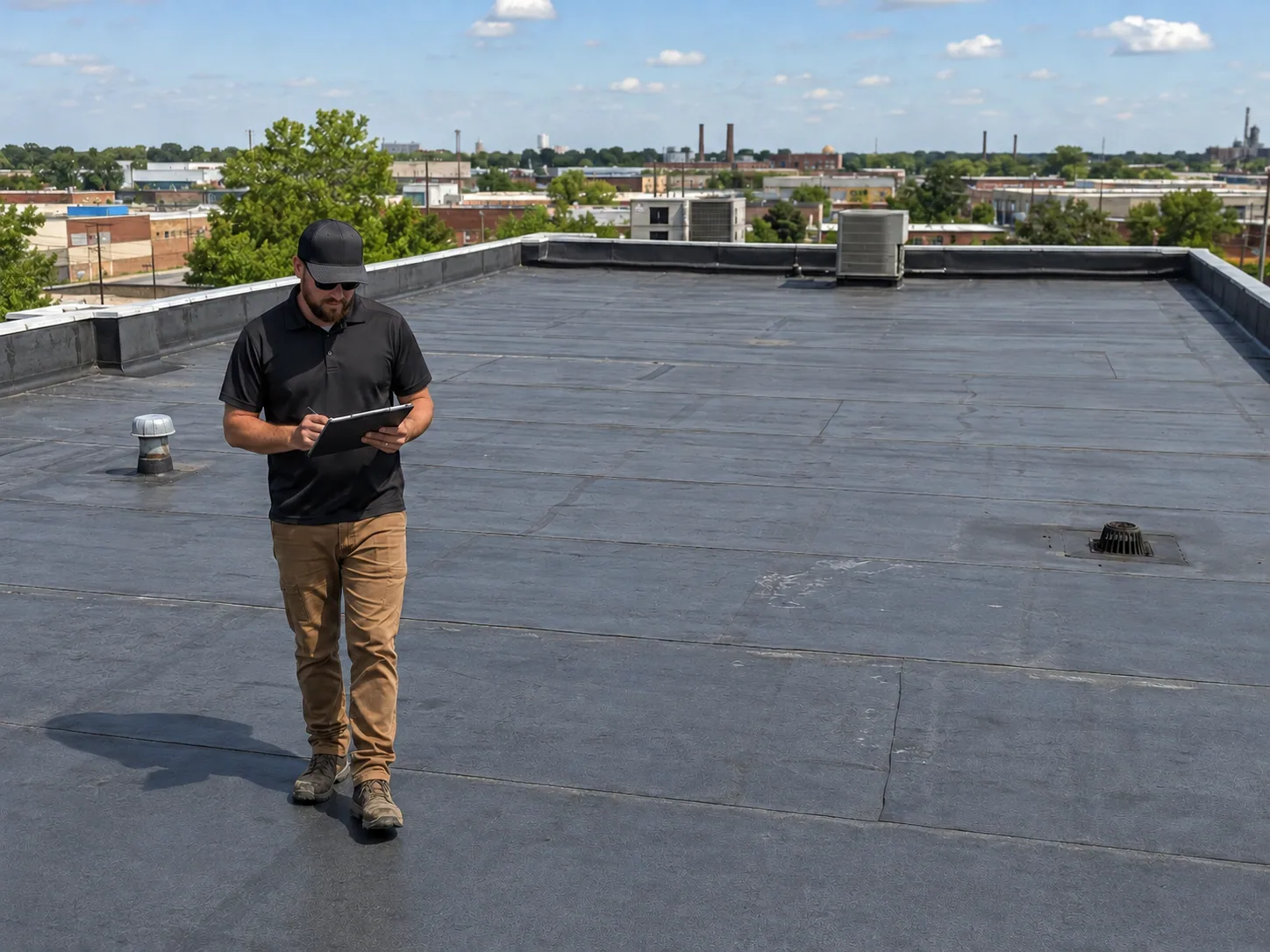
Commercial Roof Inspections
How the work is scoped, documented and phased on occupied Sugar Land buildings.
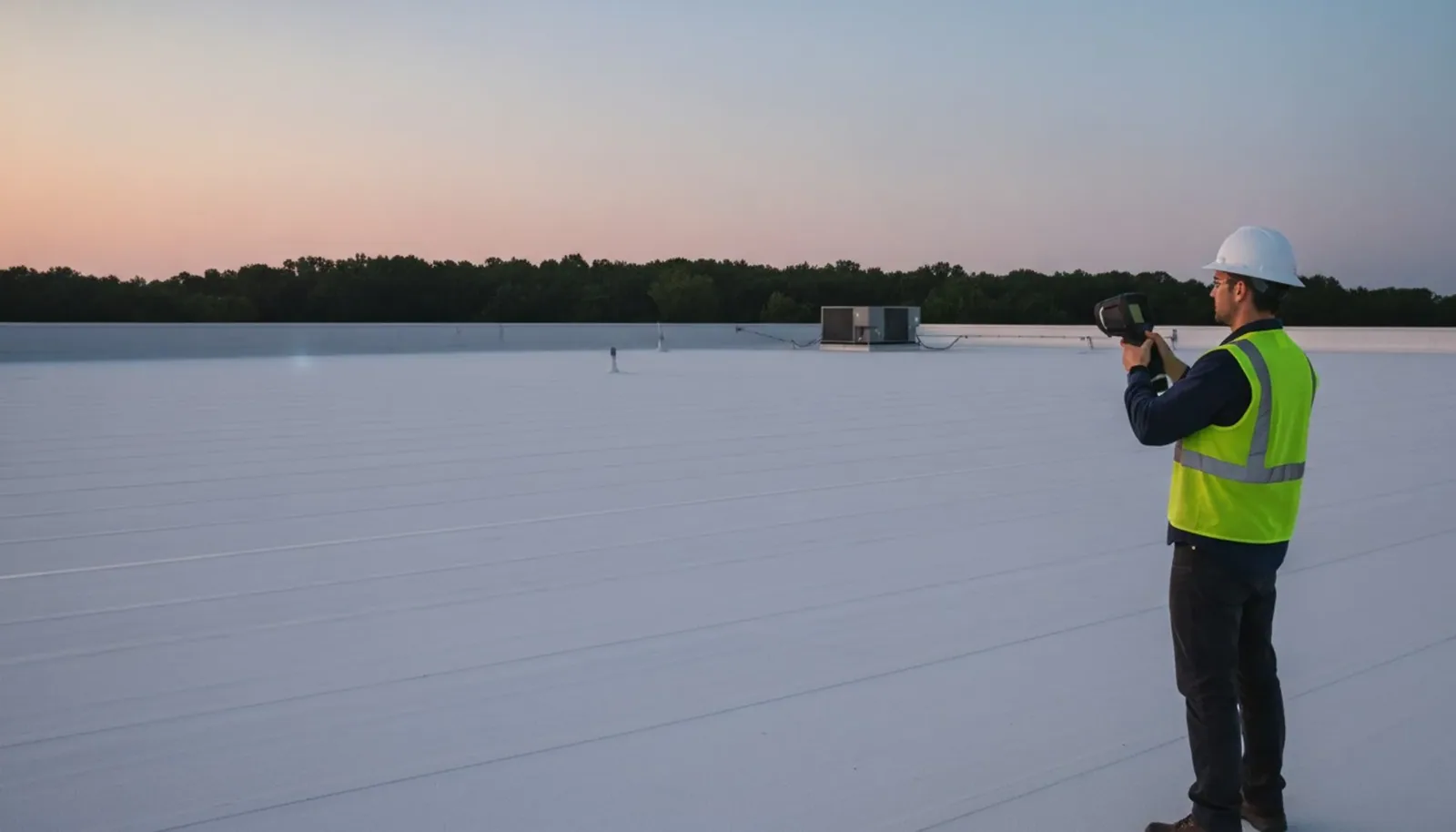
Infrared Roof Moisture Surveys
What we check on the roof, what we recommend and how the crew keeps the building open.
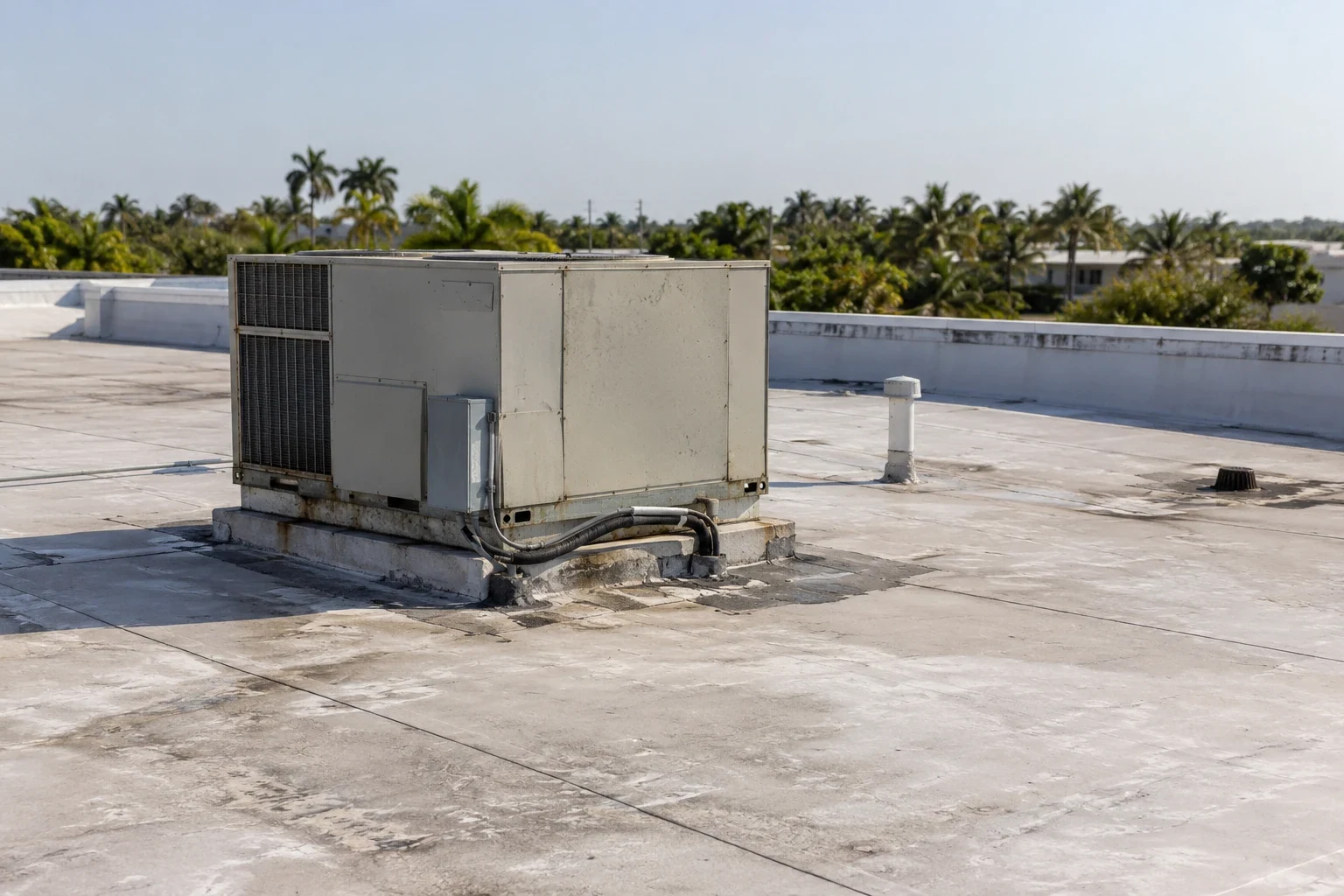
Occupied-Building Reroofing
Conditions, options and next steps for commercial buildings in Fort Bend County.
Make the Campus Roof Findings Clear for the District
Call to discuss an authorized roof assessment. We will explain moisture, detail and drainage findings with photos and identify suitable work windows and scope decisions.
Call 555-555-5555 or email [email protected].
Commercial Roofing Questions
Straight answers to the questions building owners and managers ask us most often.
Does a school opening date establish the roof age?
Later replacements or recovers may have changed the assembly. Installation records can establish a date, while opened layers help examine the described assembly. If that history remains incomplete, the report states what is known and what still needs confirmation.
Can all work be assumed suitable during summer?
The campus team confirms actual programs, occupancy and equipment needs. Weather and application requirements still apply. The sequence is planned for the verified operating window.
What helps compare several campus roofs?
Use consistent condition categories with separate plans, findings and quantities for each building. Material and history differences remain visible. A shared format supports comparison without forcing one roof specification everywhere. The district also identifies its required review and acceptance documents before a project begins. Installation checks and closeout evidence can then be planned for that process, with responsibilities assigned to the roof team and the district's technical reviewers.
How are unexpected wet areas handled?
Exposed findings are photographed and compared with the preliminary survey. The removal and reconstruction scope is reviewed before affected work proceeds. The district receives the reason for the change.
What should campus staff report between roof visits?
Record interior water location and timing, changed equipment and visible drainage concerns. Keep prior roof reports available. Roof access requires suitable authorization and protection.
Work Windows and Campus Access
School calendars provide possible work windows, but the campus team must confirm actual occupancy and activities. Summer programs, office operations and equipment service can keep parts of a building active. We identify those conditions before scheduling removal or deliveries. Daily openings are limited to areas that can receive suitable closure under the planned conditions.
Occupied-building sequencing coordinates entrances, debris handling and protection below the work. Any route restriction is agreed with the responsible campus team. Weather and product application conditions can change the sequence, so a calendar window is not permission to install over an unsuitable substrate. The district receives notification when the agreed area or closure plan needs revision.
Ventilation and Equipment Responsibilities
Mechanical teams identify equipment duties and approve any operating restriction. Required airflow and restoration are planned for the actual affected spaces. Roof activities near an intake must fit that sequence. Arbitrary covering of an operating intake is not a suitable way to avoid coordinating materials or odors.
Equipment interface repairs assign mechanical, electrical, structural and roofing work where needed. A curb opening can involve several water routes above and below the membrane termination. The report identifies the roof defect and any component requiring another trade. The district can track those responsibilities without treating completed flashing as proof that every upper equipment joint is sound.
How a Roof Project Runs
Every roof we take on moves through the same six steps:
01
Roof Walk
We walk the whole roof and photograph the membrane, seams, flashings, drains and equipment.
02
Moisture Check
Readings and core cuts show what is wet below the surface before anyone prices a repair.
03
Written Findings
You get plain-language findings, photos and the options that fit the roof.
04
Scope and Price
One written scope covers the system, the details, drainage changes and the price.
05
Scheduled Work
Crews work around tenants, deliveries and weather, closing the roof every night.
06
Closeout
We walk the finished roof with you and hand over photos and warranty paperwork.
Drainage and Assembly Choices
Drainage inspection records accessible outlets, obstructions and the observed water path. Clearing debris is different from establishing capacity or correcting an unsuitable slope. Added roof thickness can change curbs and sump heights, so the proposal coordinates those details. Suspected structural movement is evaluated independently rather than diagnosed from regional ground subsidence.
Repair, eligible recover and replacement are compared through condition and the applicable requirements. The district receives complete scopes with preparation and transition work identified. A lower-removal option is useful only where the existing assembly can remain. Roof age informs the history where documented but does not settle the suitability of every retained layer.
Regional Schools and District Records
Lamar CISD serves most of Rosenberg, and Katy ISD's Cinco Ranch area includes Seven Lakes and Cinco Ranch high schools. An authorized campus assessment begins with the facilities contact and the building sections to be examined. We review available roof documents, survey accessible details and identify rooms affected by proposed work. The district agrees on the entry route and notice process before sampling or reconstruction. Measured areas and condition photographs give its technical reviewer a clear basis for the next scope decision.
Closeout retains completed detail photographs, product information and any open item assigned to another trade. The district's maintenance record then compares drains, access routes and earlier repairs over time. New equipment or penetrations should be documented before they alter an approved detail. This preserves a usable roof history across budget cycles and staff changes rather than requiring each visit to reconstruct the same missing information.
A campus project in Katy can involve general contractors and other public agencies. Record which participant approves each receiving detail and inspection request so the district's roof file retains a clear route for unresolved construction questions.
A summer work window can help, but it does not remove the need to protect occupied summer programs, kitchens or administrative spaces. We confirm the rooms beneath a proposed opening, the dates when access is restricted and how materials can enter campus. Roof sections are labeled by building rather than combined into a district-wide note. If a discovered condition changes the scope, the facilities contact receives photos and the effect on schedule before removal expands. This record supports capital planning across schools while keeping each building's repair history intact.