
Cinco Ranch
A roof transition above a retail entrance has to manage water while the people below keep moving safely. At Cinco Ranch, we inspect those connections and coordinate the work area before defining commercial roof repairs. The proposal explains the damaged detail, preparation and protection needed to rebuild it. Photos help management brief the owner without reducing the decision to a membrane choice alone.
LaCenterra provides shopping and dining within Cinco Ranch, which spans unincorporated parts of Fort Bend and Harris counties. The community is served by the Grand Parkway and Westpark Tollway, with Katy ISD facilities including Cinco Ranch High School and Seven Lakes High School. We assess commercial roofs here by actual building and assembly. Another property in Sugar Land, TX needs its own inspection and applicable project review.
Water Shedding at a Visible Edge
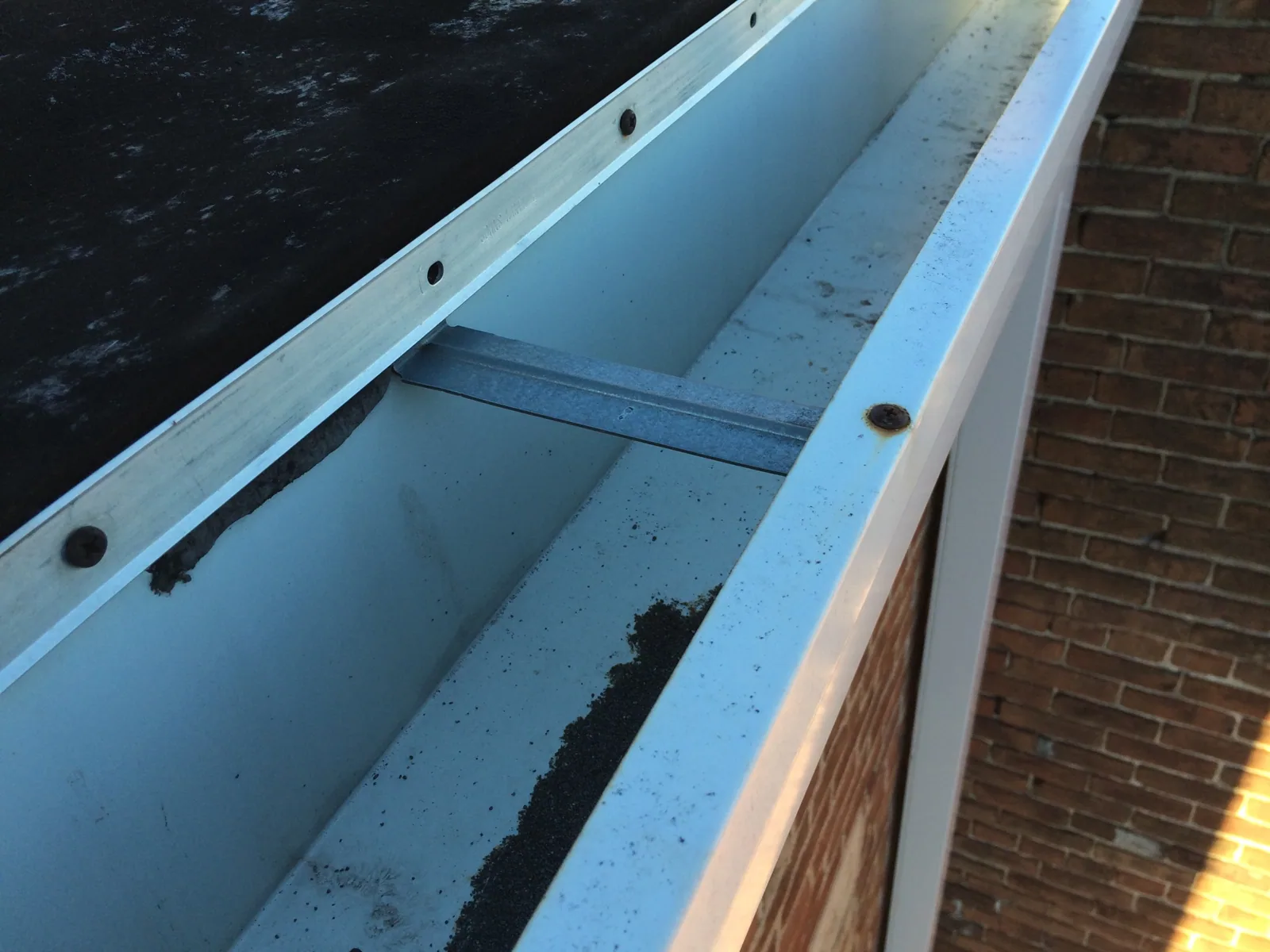
At a roof edge, the membrane, flashing and metal attachment work together. An open lap or loose component can allow water to reach the connection behind the visible face. We examine accessible overlaps, fasteners and the condition of the support. A cosmetic cover may hide the opening without rebuilding the detail that needs correction.
For perimeter metal work, the proposed profile and fastening are identified before fabrication. Compatibility with adjoining materials and the actual drainage path matter alongside appearance. The scope states any wall or structural coordination needed. The manager can then compare a maintenance task at a sound joint with reconstruction where the underlying connection is unsuitable.
Water Reports Across Different Occupied Areas
A retail or school building can report water at several rooms after the same rain without every report sharing one entry path. We record the location and timing, then compare roof levels, outlets, curbs and seams above. Water can travel through the assembly before appearing inside. Each reported location therefore receives its own investigation finding rather than one diagnosis assigned across the property.
A leak assessment can require suitable moisture testing or an authorized sample to examine concealed conditions. Equipment drainage is checked where relevant. The results distinguish a confirmed opening from an area needing further examination. Immediate interior protection and the permanent roofing correction are also recorded separately so the operator can act on the urgent task while investigation continues.
Air Movement and Moisture Below the Surface
Condensation can form when moisture reaches a sufficiently cold surface. Humid air moving through an opening may contribute, but the assembly, temperatures and indoor operation establish whether that mechanism is plausible. Retained rainwater or equipment condensate can create similar symptoms. The inspection compares those possibilities before treating a flashing patch as the complete correction.
Exposed roofing also responds to solar heating. We inspect earlier repairs for adhesion failure, cracking and movement at their boundaries. The selected preparation follows the installed material rather than a general preference for one compound. A sound field beside a failed patch may support a localized repair, while wider attachment or moisture concerns require their own assessment.
Related Roofing Pages
Edge Metal, Coping and Gutters
How the work is scoped, documented and phased on occupied Sugar Land buildings.
Commercial Roof Leak Repair
What we check on the roof, what we recommend and how the crew keeps the building open.
School Roofing
Conditions, options and next steps for commercial buildings in Fort Bend County.
Explain the Cinco Ranch Roof Detail
Arrange photos and a practical repair comparison for your Cinco Ranch property, with the drainage, protection and access tasks clearly identified.
Call 555-555-5555 or email [email protected].
Commercial Roofing Questions
Straight answers to the questions building owners and managers ask us most often.
Can a visible edge cover hide a defect that still needs rebuilding?
Yes. The underlying overlap, fastening or support may remain unsuitable. We examine the connection and define the correction beneath the finished face, with the proposed profile coordinated separately.
What keeps school scheduling from becoming a promise about installation conditions?
The work window is checked against actual substrate condition, product limits and the protection required below. The facilities calendar guides access, but does not make a wet surface suitable. We identify the necessary conditions before selecting dates.
Why report several interior stains separately?
They may have different connections or moisture paths above. Each location is compared with the actual roof plan and testing. A confirmed defect in one section cannot automatically explain another room's report.
What should accompany an unresolved condition in the maintenance file?
Keep its location, photographs and the next useful investigation or corrective task. Identify access or specialist review needed before it proceeds. The manager can then coordinate a concrete action rather than inherit an unexplained concern.
Facilities Access and the School Schedule
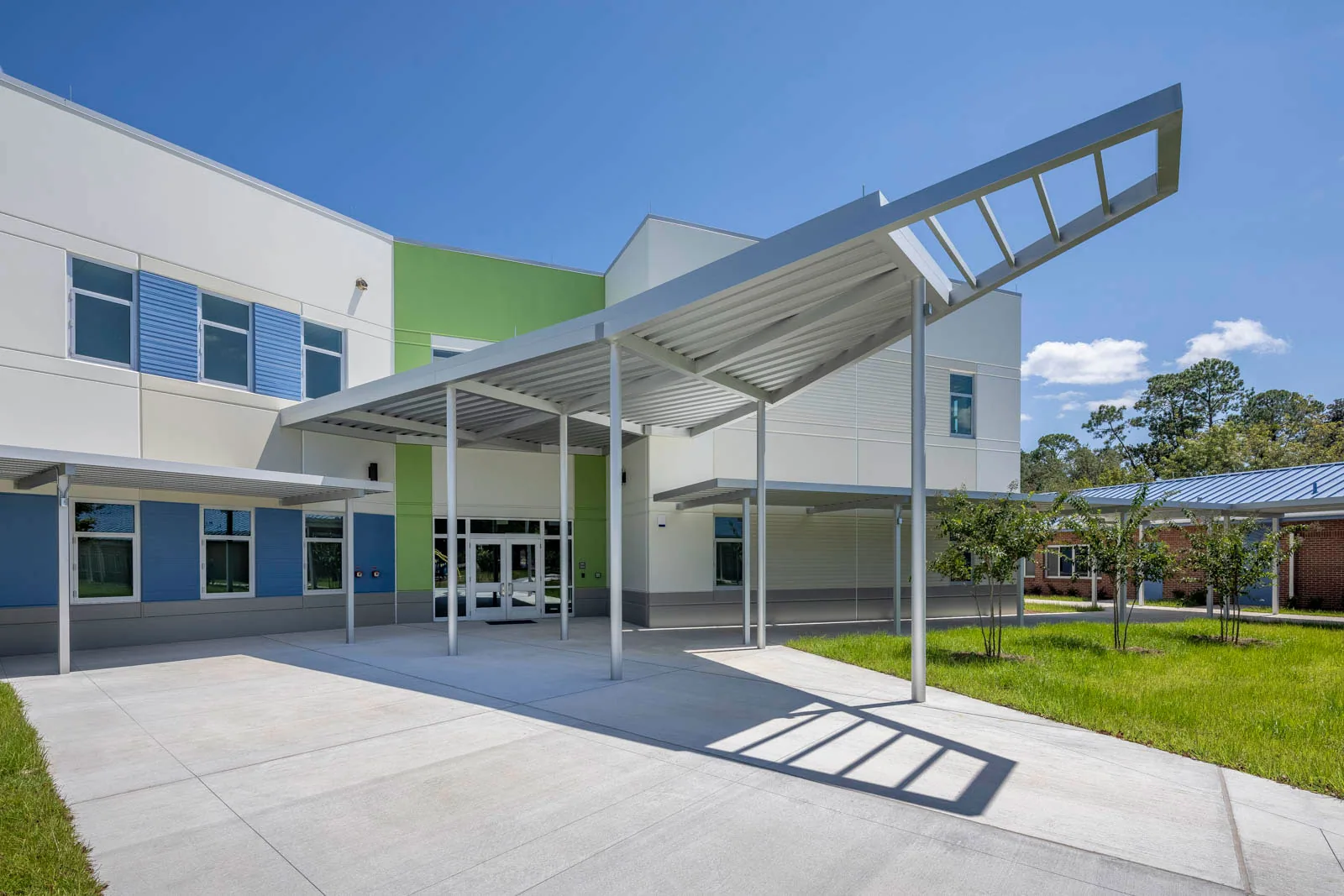
Roof work at a school property needs an agreed room-use and access plan. The facilities team identifies occupied areas, activity dates and any limits on noise or product use. We select a work area consistent with its protective closure and the available period. The calendar helps scheduling, while surface condition and material limits determine whether the intended installation is suitable.
A school roofing scope identifies the tested sections and the evidence for each task. Available drawings and repair records help establish installation history, with samples describing selected locations. The district name does not substitute for those assembly findings. Completed phases are photographed so facilities staff can locate the repair and inspect the same detail later.
School calendar coordination is only one part of a safe roof phase. The facilities contact identifies occupied wings, pickup or event activity, approved roof access and any sensitive interior areas beneath the work. We confirm how material will be staged and how a daily opening will be closed if conditions change. That plan makes it possible to discuss noisy or disruptive tasks in advance without promising that every installation step can occur on a preferred date.
The Correction Beneath a Restoration Proposal
Before choosing a surface finish, we examine outlets and standing-water locations. Cleaning can remove an obstruction, while local elevations or supporting conditions may leave a separate drainage problem. We locate accessible overflow provisions and identify missing connection information. A proposed outlet or slope change receives appropriate plumbing and structural review before installation.
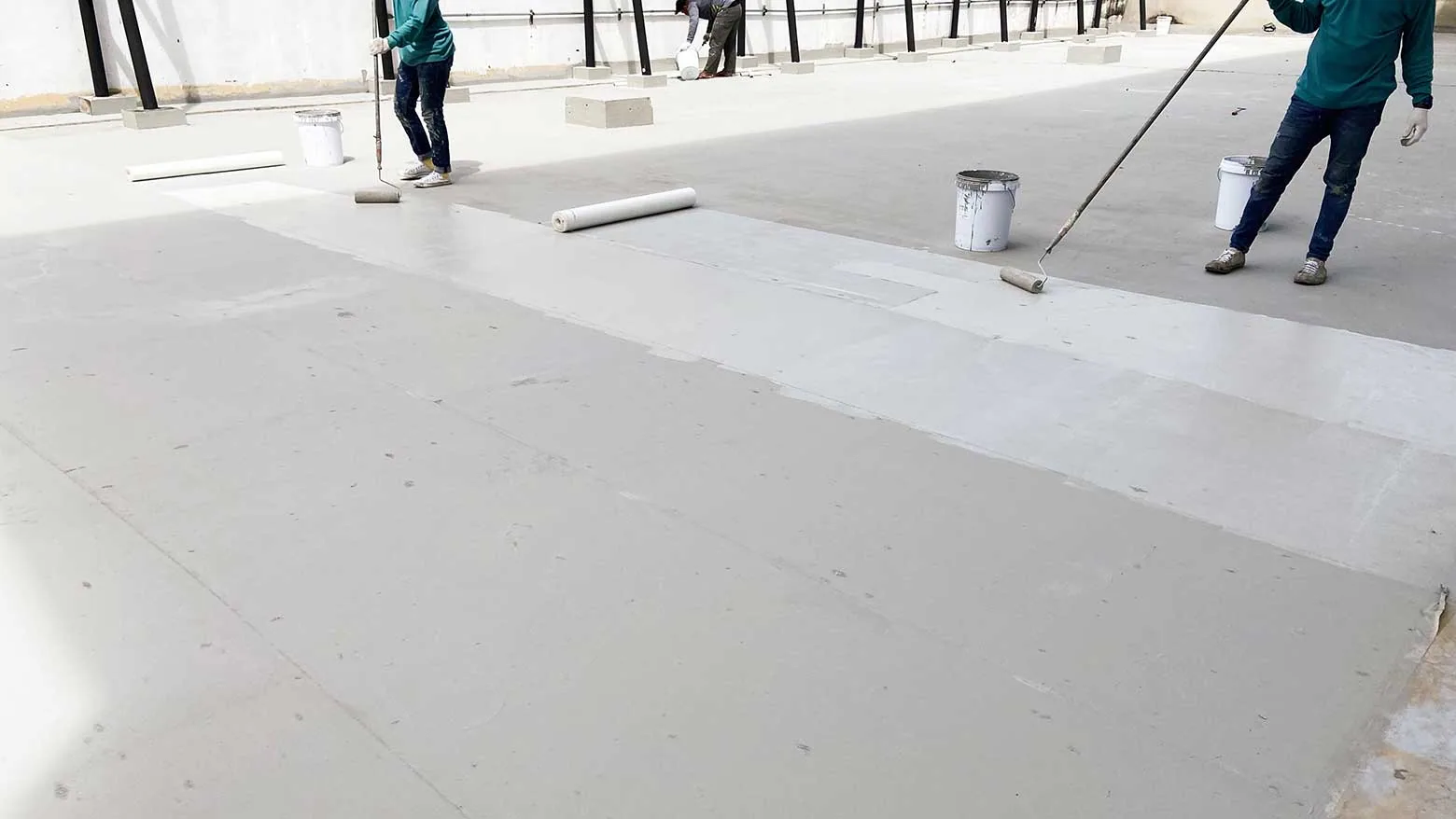
A coating restoration also needs compatible materials, adequate adhesion and suitable moisture conditions. A recover requires review of retained layers, attachment and loading, with unsuitable wet material corrected. Extensive deterioration may support replacement. The owner receives the corrective tasks for each option, including removal depth, insulation changes and rebuilt transitions, rather than a comparison that omits known defects from one proposal.
Labor and timing depend on access, material handling and repeated closure around occupied space. The proposed assembly's permit, energy and attachment requirements are confirmed for the actual parcel and jurisdiction. Any design dependency remains identified alongside the task it affects. That lets the manager arrange additional review before an option is treated as ready for construction.
The comparison lists excluded sections explicitly, allowing their next inspection to be scheduled without assuming they share the tested condition.
A proposal for restoration should state which existing layers stay in place and how the surface will meet walls, curbs and drains afterward. Added thickness can reduce flashing height or change the approach to an outlet. We measure those transitions before recommending a recover or coating. If the retained assembly fails a moisture or attachment check, the scope returns to the findings and describes the correction needed before a finish is applied.
How a Roof Project Runs
Every roof we take on moves through the same six steps:
01
Roof Walk
We walk the whole roof and photograph the membrane, seams, flashings, drains and equipment.
02
Moisture Check
Readings and core cuts show what is wet below the surface before anyone prices a repair.
03
Written Findings
You get plain-language findings, photos and the options that fit the roof.
04
Scope and Price
One written scope covers the system, the details, drainage changes and the price.
05
Scheduled Work
Crews work around tenants, deliveries and weather, closing the roof every night.
06
Closeout
We walk the finished roof with you and hand over photos and warranty paperwork.
A LaCenterra Visit and Separate Portfolio Findings
LaCenterra's town-center setting makes pedestrian routes and receiving arrangements useful subjects for the pre-work visit. The actual property entrance, staging and roof access are agreed with management. We identify equipment service routes that may need compatible protection and record supports or penetrations needing another trade's attention. Maintenance tasks stay tied to locations, not only a general condition rating.
For a different property in Katy or Fulshear, new findings establish its roof needs. Cinco Ranch's record identifies completed work, remaining investigation and the next practical visit. Emergency intake accepts reports during nights and holidays. Available crews assess weather, safe access and protective possibilities before immediate work, with temporary measures kept separate from permanent completion.
The manager should receive a clear return task where testing or closure remains incomplete. Its location, purpose and dependency are recorded so another person can coordinate it. That continuity makes a condition report useful between larger projects and helps an owner understand what the maintenance budget is actually funding.