
Skylight and Penetration Flashing
A small opening beside a pipe can admit water while most of the roof continues to shed rain. At a skylight, the water route may begin above the roof flashing, within a frame joint or at the glazing seal. Skylight and penetration flashing repair in Sugar Land, TX begins by distinguishing those routes. We inspect the connection, compare the interior symptoms and explain which detail needs repair before selecting materials.
Flashing must accommodate the penetration and connect to the roof assembly. A surface bead can close a minor suitable joint, but it cannot rebuild missing support or correct a loose termination. The repair recommendation identifies those differences with photographs. The manager can then brief the owner on the roof work and any related glazing or equipment service needed to complete the correction.
Pipe Boots and Termination Movement
A pipe changes the surface geometry and can move differently from the surrounding roof. We examine the boot or formed flashing, its upper closure and the connection to the membrane. Splits, open seams and a loose clamp have different repair needs. The pipe's use and temperature also matter when selecting a compatible flashing detail.
An earlier patch can hide the original connection or leave a shape that repeatedly collects water. We identify the retained membrane before choosing a bonding or welding method. Where movement is outside the capacity of the existing detail, the scope addresses the connection rather than adding another layer of sealant. Compatible roof repairs include the surrounding material needed to provide a sound attachment area.
Skylight Curb and Frame Boundaries
The curb, frame and glazing form connected but distinct water-control details. We inspect curb flashing height, corners and termination, then look for signs that water is entering above that roof connection. A stained ceiling below a skylight does not prove the membrane failed. Water retained within the frame or condensation under suitable conditions can create a similar complaint.
Glazing and frame repairs may require the skylight supplier or an appropriate specialist. The roof scope identifies its boundary at the curb and any coordination needed to prevent gaps between trades. During leak investigation, controlled testing is used only where appropriate to the assembly and interior protection. The method and sequence need to distinguish possible routes without forcing water into an unrelated opening.
A skylight leak can begin at the glazing, frame, curb or roof-to-curb flashing. We trace the accessible boundaries and look for blocked weeps, failed gaskets, displaced fasteners or a gap where the membrane meets the curb. A roof repair addresses the confirmed roof interface; glazing or frame work may need its own qualified trade. The scope names the connection being corrected and keeps the remaining suspected path open until it is examined.
Humidity and the Interior Symptom
Humid air can condense on a surface below its dew point when the assembly permits that air to reach it. An air-barrier discontinuity beside a penetration may contribute, but the condition must be investigated at the building. We consider air leakage, insulation continuity and equipment operation alongside rain entry. Sugar Land's warm, humid setting gives those mechanisms relevance without proving which one caused a particular drip.
Water during dry weather can also be retained rainwater or equipment condensate. Timing notes help focus the investigation but do not establish a diagnosis by themselves. An appropriate moisture survey may help evaluate suspect roof areas, with findings confirmed by suitable testing. A roof patch is recommended for a verified roof defect rather than used as a substitute for investigating an unresolved condensation question.
Related Roofing Pages
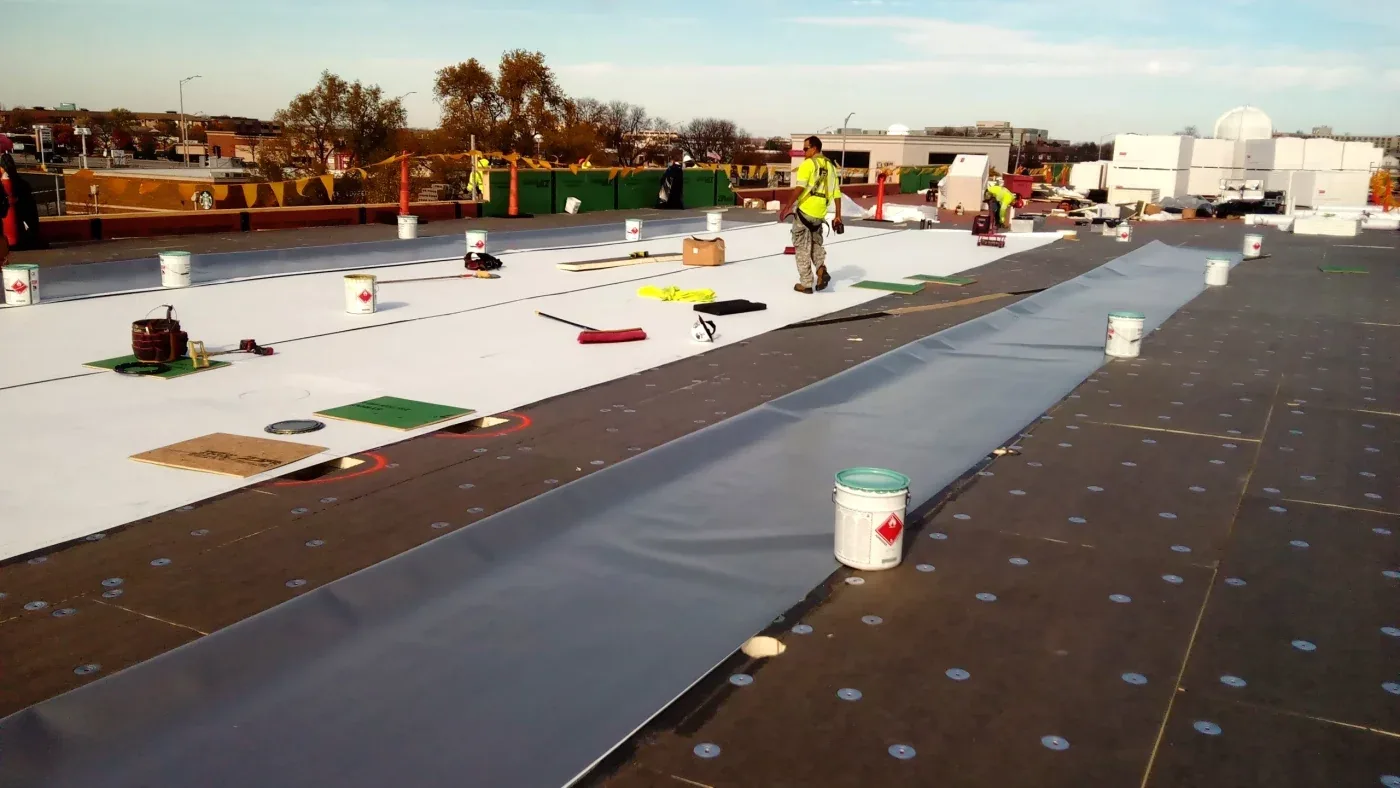
Commercial Roof Repair
How the work is scoped, documented and phased on occupied Sugar Land buildings.
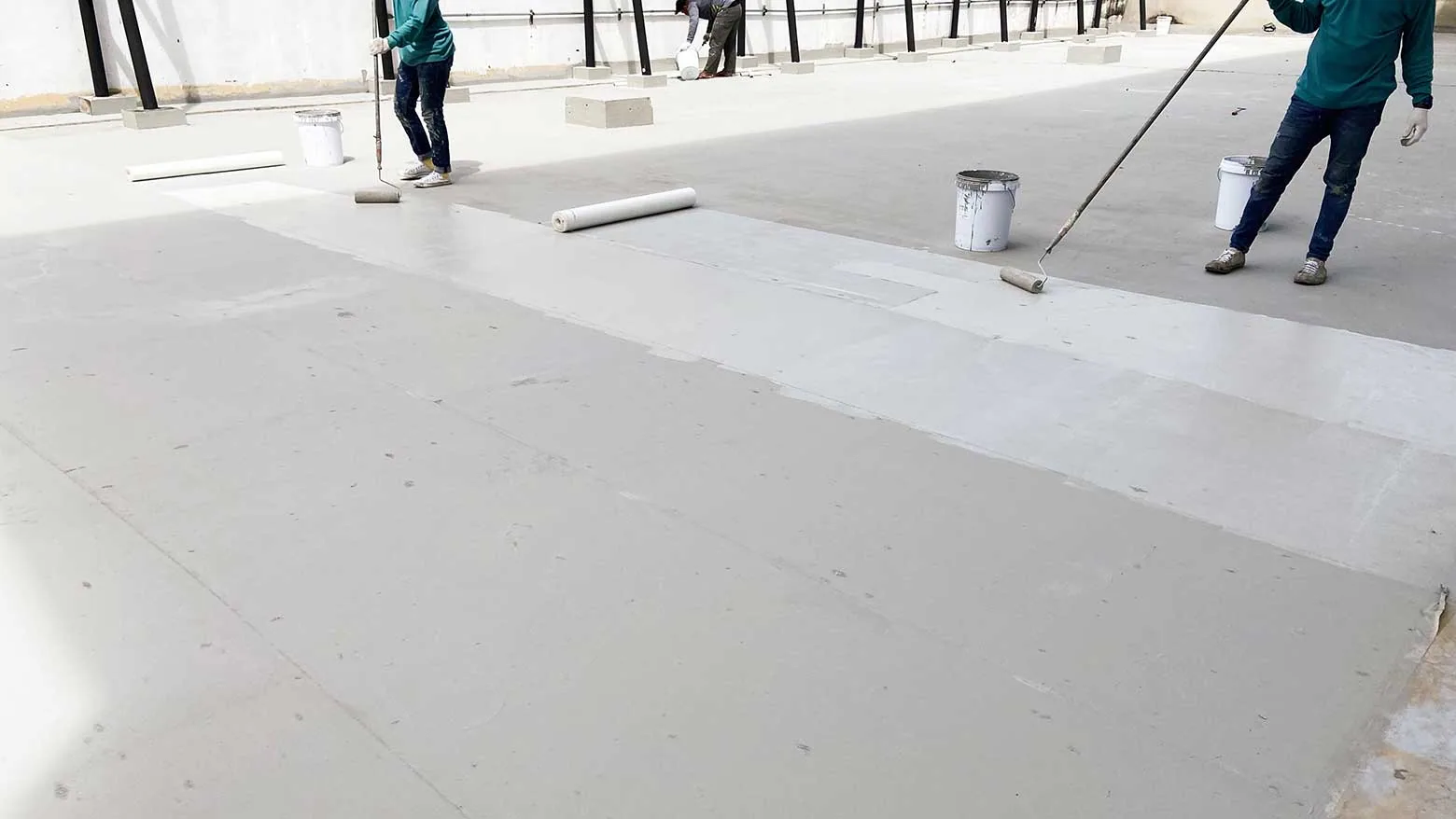
Commercial Roof Leak Repair
What we check on the roof, what we recommend and how the crew keeps the building open.
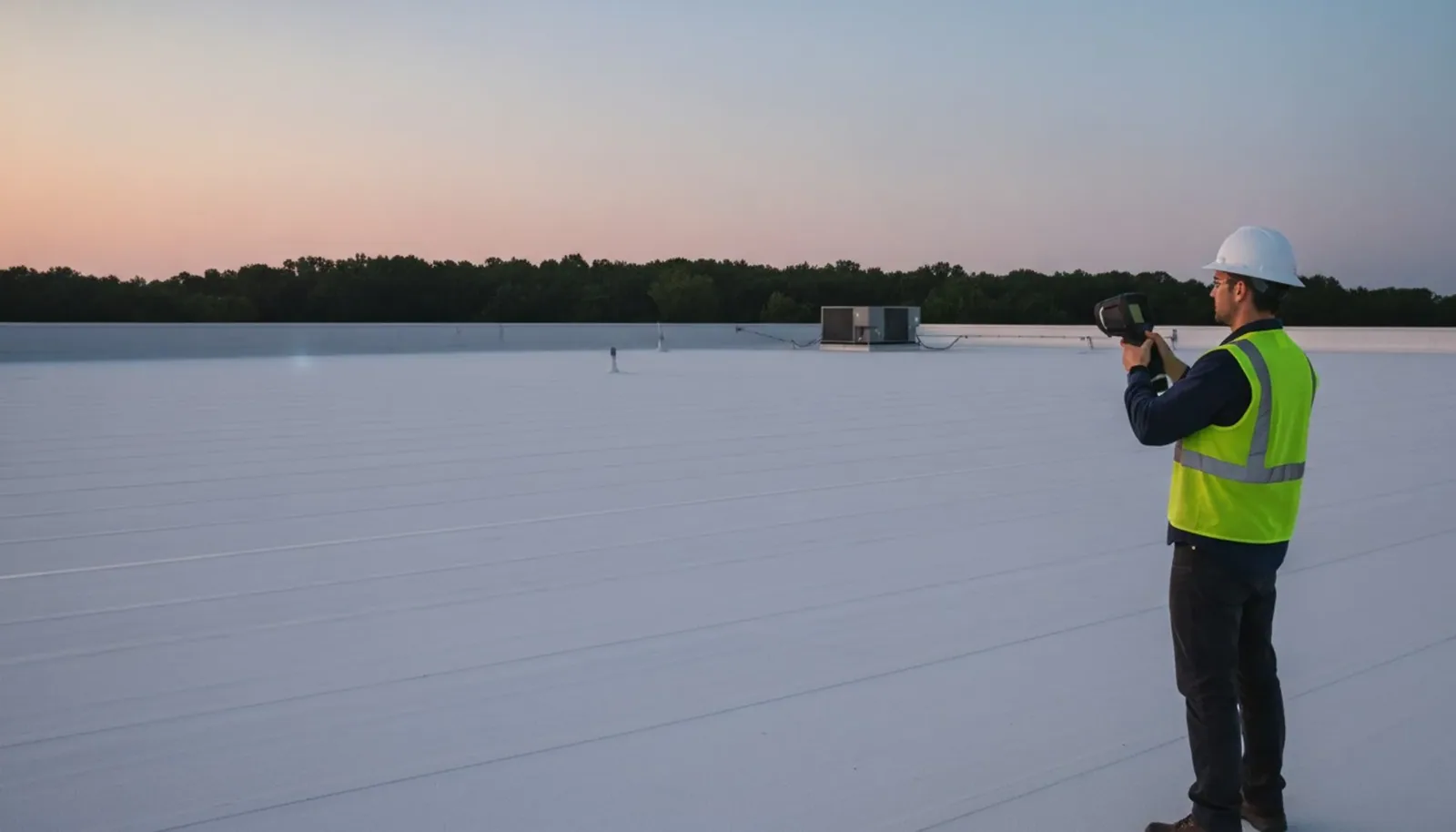
Infrared Roof Moisture Surveys
Conditions, options and next steps for commercial buildings in Fort Bend County.
Identify the Water Route Before Rebuilding the Detail
Call to arrange a penetration assessment. We will explain the curb, pipe or skylight findings with photos and identify the roof and related trade work needed.
Call 555-555-5555 or email [email protected].
Commercial Roofing Questions
Straight answers to the questions building owners and managers ask us most often.
Does a drip under a skylight prove its roof flashing failed?
The source can be the curb flashing, frame, glazing or condensation under suitable conditions. We examine those possibilities before selecting the repair. The roof scope identifies any specialist work needed above the curb.
Can a pipe boot be patched without identifying the membrane?
The retained material and earlier treatments affect compatibility. We identify them before choosing preparation and bonding methods. Deteriorated material may require removal to establish a sound connection.
What does a dry-day drip suggest?
Timing helps direct the investigation but does not prove condensation. Retained rainwater and equipment condensate remain possible. The recommendation follows verified findings at the building.
Who moves equipment during a curb repair?
The equipment trade handles its assigned service and disconnection work. Roofing, structural and electrical responsibilities are coordinated as applicable. The operating sequence is agreed before work begins.
How can the manager monitor a repaired penetration?
Keep the detail photographs and repair location, then record any later water timing or equipment change. Suitable inspections compare the new condition with that record. Staff should use approved access and protection before entering the roof.
Equipment Curbs and Service Connections
An equipment curb needs suitable support and a flashed transition to the roof. We examine corners, fastener locations, membrane strain and the upper connection where accessible. Mechanical panels and service lines can introduce separate water routes. The equipment trade identifies its operating requirements and evaluates defects that belong to the unit rather than the roof.
Curb and support work is coordinated before equipment is moved or its connections are disturbed. Structural questions, electrical isolation and mechanical service each require the appropriate responsibility. Intake controls follow a planned facility sequence and any approved isolation window. Covering a working intake to simplify a flashing repair can interfere with required airflow and is not a routine roofing measure.
Materials at the Repair Interface
Membrane chemistry determines how a new flashing can join the retained sheet. Heat-welded materials, adhered sheets and asphalt-based assemblies require different preparation and connection methods. We identify the roof and previous treatment before specifying the repair. A coating over the existing sheet can also affect the bond and may require removal or an approved transition.
The selected product instructions establish compatible primers, adhesives and curing conditions. A hot roof surface can differ substantially from the reported air temperature, so application checks use the actual substrate and weather. Where the retained material is too deteriorated for a suitable connection, removal extends to sound material. The report explains that boundary and any wet insulation encountered rather than treating the visible opening as the entire repair area.
How a Roof Project Runs
Every roof we take on moves through the same six steps:
01
Roof Walk
We walk the whole roof and photograph the membrane, seams, flashings, drains and equipment.
02
Moisture Check
Readings and core cuts show what is wet below the surface before anyone prices a repair.
03
Written Findings
You get plain-language findings, photos and the options that fit the roof.
04
Scope and Price
One written scope covers the system, the details, drainage changes and the price.
05
Scheduled Work
Crews work around tenants, deliveries and weather, closing the roof every night.
06
Closeout
We walk the finished roof with you and hand over photos and warranty paperwork.
Local Buildings and Interior Protection
Offices, shops and hotel space at Sugar Land Town Square create different protection needs beneath roof work. The manager identifies actual occupied rooms, equipment restrictions and access hours before a curb or flashing detail is opened. We agree on debris handling, weather closure and communication if concealed conditions change the scope. The district's mixed-use description does not establish the details of an individual roof.
First Colony properties likewise require an inspection of the building itself. A skylight over a storage area can have different operating constraints from one above an active entrance, but those conditions are verified through the manager. Occupied-building work planning provides a framework when repairs involve several areas or prolonged openings. Each work area receives a suitable daily closure sequence rather than relying on a general promise of uninterrupted operation. A skylight detail at a South Houston building requires its own curb, frame and interior-protection review.
The Completed Detail and Its Record
Closeout photographs show the rebuilt connection and its relationship to the penetration. We retain product information, repair locations and relevant preparation observations. Where a frame, equipment or interior air-control issue remains outside the roof scope, the record names it clearly. A finished roof flashing does not establish that every other possible water route at the penetration has been resolved.
Subsequent maintenance checks the repaired connection for movement, surface wear and changed service conditions. New lines installed through a curb or a technician's changed access route can affect an otherwise suitable detail. The manager can compare a later complaint with the photographs and work history. That evidence helps distinguish a new defect from an unresolved source that requires a different trade or additional investigation.