
Military Hangar and Maintenance Roofing
A damaged flashing around a shop exhaust may admit rain while equipment residue changes the suitability of the surrounding repair surface. Both conditions matter on a maintenance building, and sealing one does not automatically correct the other. For military hangars near Sugar Land, TX, we examine the junction, exposed material and operating information together. Aircraft and shop protection are coordinated before the work zone is approved. Photos help the facility manager explain the roof correction and the related equipment task.
Ellington Aviation and Actual Building Evidence
Ellington Field hosts the 147th Attack Wing and Coast Guard Air Station Houston, giving the region a military aviation context. The particular hangar under assessment needs its own construction and operating information. An aircraft model or installation acreage cannot identify its framing, roof area or present membrane. We examine authorized records and accessible details before describing the assembly. Historical hangar dates remain separate from current roof installation evidence.
A civilian hangar roof may have similar door and weather-protection junctions, while a Coast Guard aviation facility adds its own mission procedures. Those property controls are established with the operator. The roof sketch identifies actual bays, outlets and penetrations. A clear layout supports aircraft movement and protection decisions without claiming that every aviation building uses the same roof system.
Shop Exhaust and Material Selection
Exhaust near a maintenance area can carry heat, oils or other substances depending on the process. We request the actual exposure information and inspect the affected surface. Stiffness, discoloration or a failed patch is recorded as a finding, not assigned to chemical damage without evidence. The exact repair product must be compatible with the identified membrane and deposit. Generic rankings of PVC, TPO or other families do not settle that question.
Preparation can require local removal where material cannot be made suitable for bonding or welding. A trial assesses the sampled surface and proposed method, not unlimited resistance to future contamination. Equipment collection or discharge changes may also be needed. The operator and relevant trade coordinate those corrections with the roof task. The manager receives a scope that distinguishes restoration of weather protection from correction of the source of exposure.
Door Heads, Curbs and Attachment
Door operation and equipment movement can affect nearby flashing or termination. We inspect accessible connections for displacement, unsuitable restraint and open joints. A wet header may involve the wall or door system rather than the roof field. Required wind pressures depend on building geometry, openings and the engineered assembly. Regional reported gusts do not identify the pressure at a particular door or set the repair attachment pattern.
Support and curb correction may require a revised load path or lifting coordination. Replacement equipment is reviewed even where it occupies the old footprint. Existing support condition and required flashing clearance are examined before material is retained. The agency project documents establish applicable criteria, including Unified Facilities Criteria where specified. Field findings supply existing-condition evidence without independently approving the design.
Related Roofing Pages
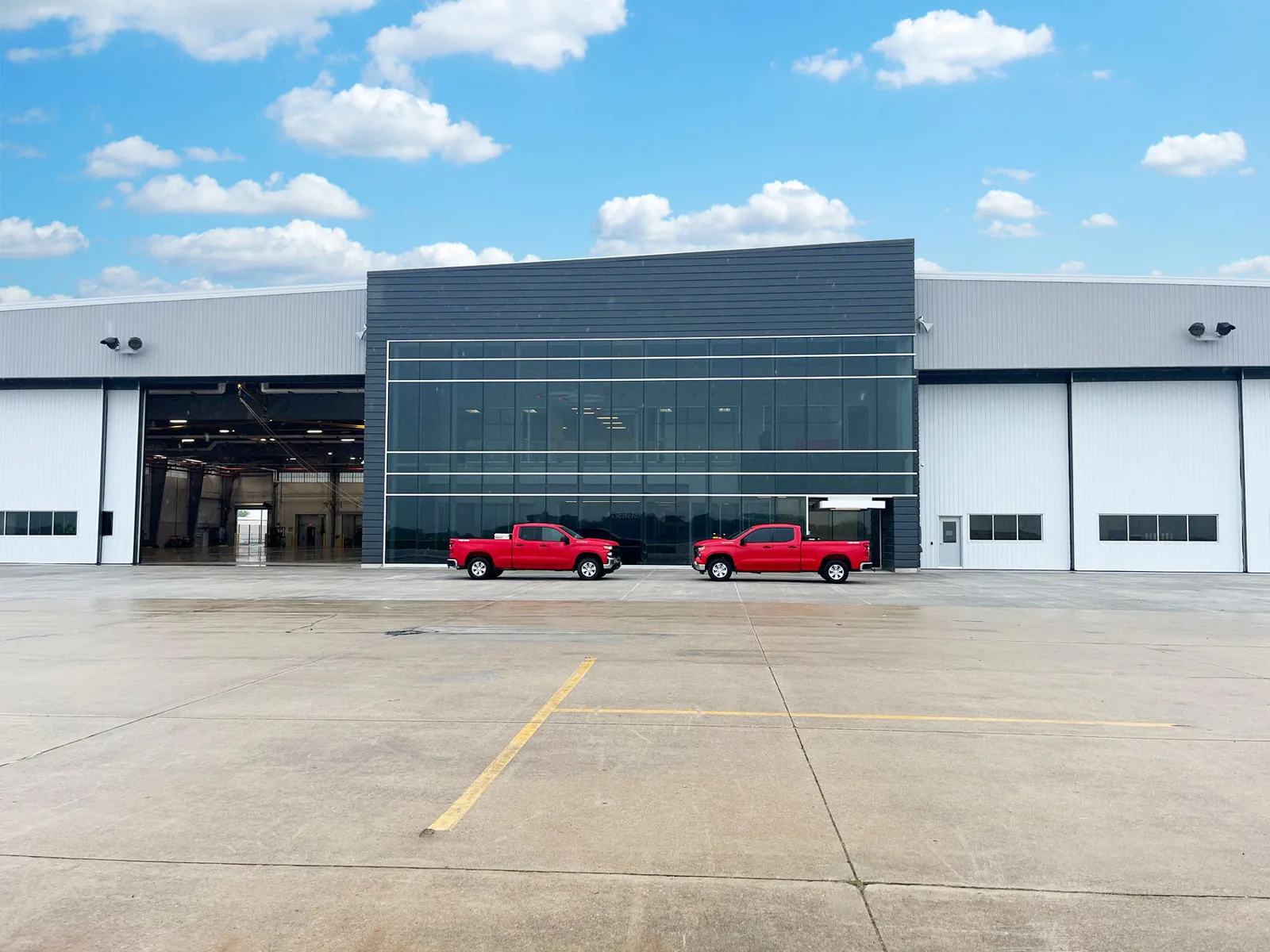
Aircraft Hangar Roofing
How the work is scoped, documented and phased on occupied Sugar Land buildings.
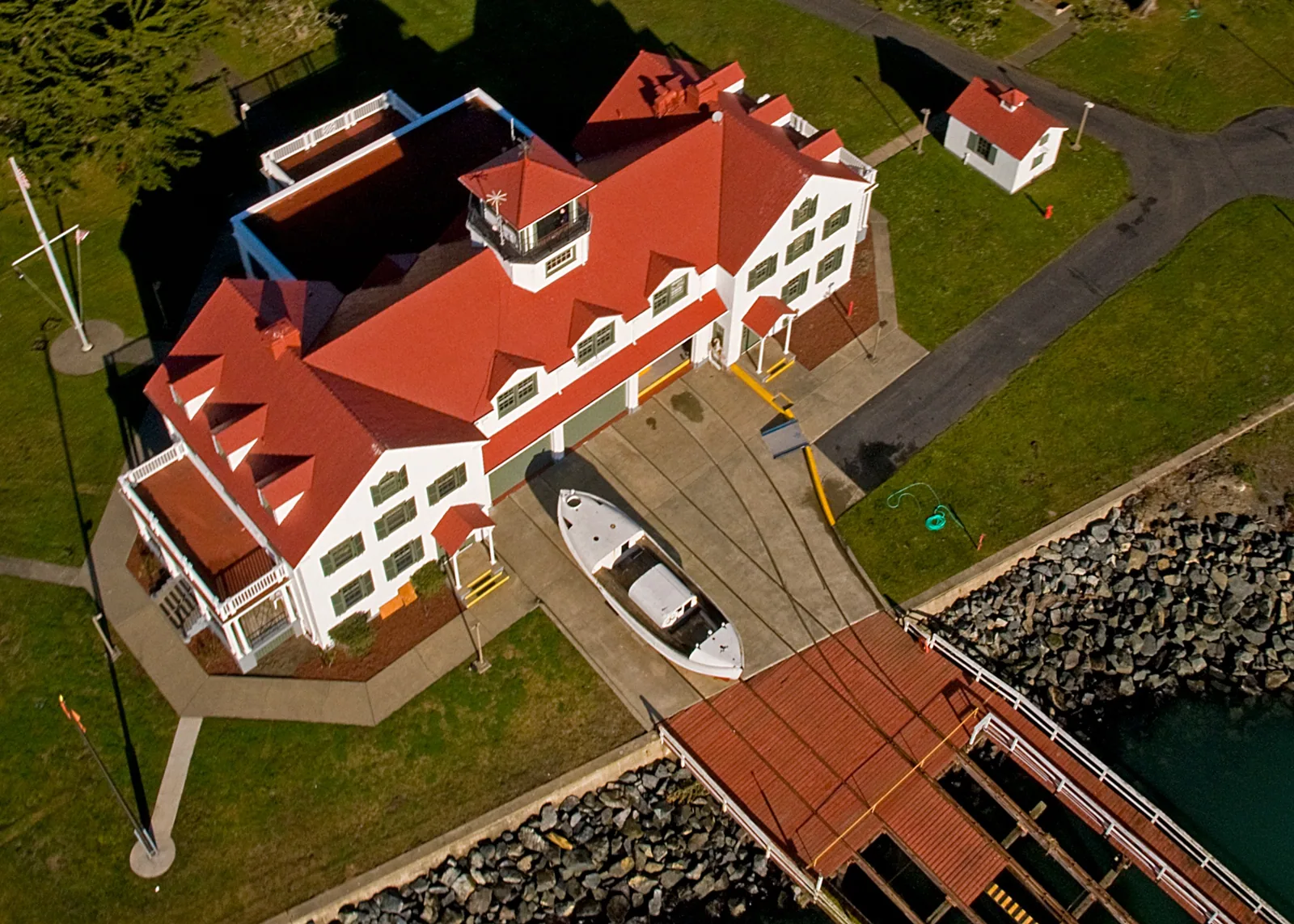
Coast Guard Facility Roofing
What we check on the roof, what we recommend and how the crew keeps the building open.
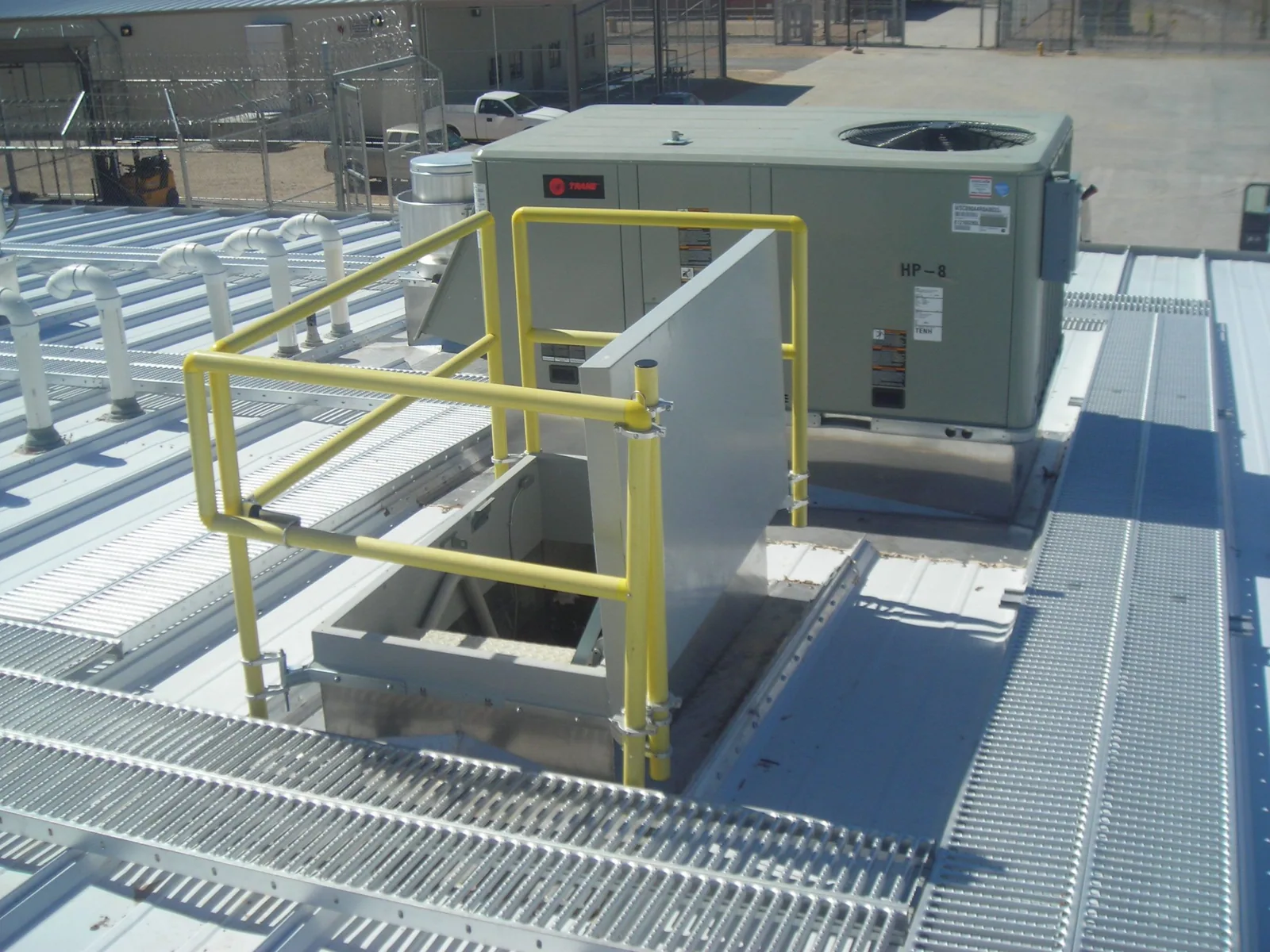
Rooftop Equipment Curbs and Supports
Conditions, options and next steps for commercial buildings in Fort Bend County.
The Military Hangar Roof Defect Explained
Arrange an assessment with photos and clear findings on moisture, supports and repair choices, coordinated with aircraft protection and permitted facility access.
Call 555-555-5555 or email [email protected].
Commercial Roofing Questions
Straight answers to the questions building owners and managers ask us most often.
Does the aircraft assigned to a base identify the hangar structure?
It does not establish framing, roof dimensions or capacity. Building records and accessible construction provide that information. The assembly is assessed directly before a repair or retrofit is proposed.
Can shop residue be cleaned before any compatibility review?
The substance, surface and preparation method need assessment first. A cleaning trial has a limited purpose and may reveal unsuitable material. Product guidance and the confirmed substrate inform the permanent repair.
Why examine the door connection when water reaches the hangar floor?
Roof, wall and door routes can overlap near the header. Water may then travel before dripping. The accessible details and symptom timing are compared so correction is aimed at the observed route.
Would a metal retrofit avoid all aircraft protection measures?
Its actual installation still involves overhead work, materials and possible openings. The operator reviews protection for the task. A retained roof does not automatically make every bay suitable for continued use below it.
What changes when damaged support is exposed unexpectedly?
The condition is assessed before removal expands or new material conceals it. Design review and a revised protection plan may be needed. The facility's authorized contact approves any changed operating restriction.
High Interior Spaces and Moisture Causes
A drip can follow steel, piping or the underside of construction before falling onto the floor. Rain entry, equipment drainage and possible condensation may therefore share a visible location. Condensation requires humid air reaching a sufficiently cold surface under the actual operating conditions. We compare timing, temperatures and accessible enclosure connections rather than diagnosing from the height of the room. A membrane repair is proposed only for the mechanism it can address.
Thermal patterns and appropriate readings can identify investigation locations. Selected authorized samples expose local layers and moisture. A layer-confirmed moisture review compares those results with broader evidence and coverage limits. An image alone cannot establish saturation or a dry sample prove the entire hangar sound. Corroded support or damaged board is assessed separately from a small surface opening. The corrective boundary follows the combined findings.
Retained Water and Retrofit Limits
Ponding near supports or walls deserves examination of outlet geometry, obstruction and supporting conditions. Its location does not establish structural deflection. Visible movement or an unexpected change in water depth can require an engineer's review of the actual framing. Outlet alterations must also account for discharge and overflow. A revised surface slope cannot be assumed to correct every underlying defect.
Recover or retrofit retains existing construction and adds weight. Moisture, layer count, structure, compatibility and attachment all need assessment before that option is proposed. Retrofit over an existing metal roof cannot make damaged support suitable. Localized repair may remain practical where the defect and surrounding construction permit it. Replacement provides more access to deterioration but increases the required protection for aircraft and shop equipment below.
How a Roof Project Runs
Every roof we take on moves through the same six steps:
01
Roof Walk
We walk the whole roof and photograph the membrane, seams, flashings, drains and equipment.
02
Moisture Check
Readings and core cuts show what is wet below the surface before anyone prices a repair.
03
Written Findings
You get plain-language findings, photos and the options that fit the roof.
04
Scope and Price
One written scope covers the system, the details, drainage changes and the price.
05
Scheduled Work
Crews work around tenants, deliveries and weather, closing the roof every night.
06
Closeout
We walk the finished roof with you and hand over photos and warranty paperwork.
Secured Routes and Regional Travel
Delivery arrangements and personnel access follow the installation's approved procedure. The operator identifies protected aircraft, ramp boundaries, active shop areas and equipment that cannot be interrupted without permission. Waste and loose material are controlled during removal and handling. Fall-protection equipment uses suitable approved attachment points. Material storage and lift placement are reviewed before work begins.
Arcola contains Houston Southwest Airport, a civilian aviation setting with separate property rules. Regional routes through Pearland include SH 288 and Beltway 8, while the actual approach to a military facility is confirmed by its operator. A public-road route does not authorize ramp entry. The approved sequence states unloading, waste removal and any escort need. Those arrangements are tied to the real work area.
Work Phases and Corrected Detail Records
Removal is limited to an area that can be protected and closed under the forecast conditions and approved operating restrictions. Unexpected damaged construction is reviewed before the opening expands. Fire controls govern application around fuel or sensitive equipment, without treating a torch-free method as automatically suitable. Emergency assistance is available overnight and on holidays through authorized access. The manager receives the limits of temporary protection and the conditions needed for permanent work.
Completed junctions and installed materials are photographed where authorized, with unresolved other-trade items listed. Subsequent inspection can compare equipment movement, residue and the corrected roof detail. Cost follows damaged layers, support review, restricted access and protection below removal. Those drivers are explained in physical terms. The owner can then assess whether the proposed work resolves the observed failure rather than simply renewing the surface.
Before a maintenance-hangar repair begins, the operator confirms the movement area, active shop bays, delivery route and material-handling limits. We verify which doors and exhaust systems must remain available while a roof section is open. The crew closes only an area that can be protected under the agreed controls and weather conditions. Photos label the corrected seam, flashing or penetration so later inspections can return to the same location. If discovered framing or attachment damage needs engineering input, work pauses at a safe boundary until that review is complete.