
Pearland
A curb repair above a clinical room and a flashing repair above retail space can use similar materials while needing different operating precautions. In Pearland, we examine the installed roof and the occupied areas below before defining the work. The proposal identifies the moisture path, compatible correction and access provisions. Photos give the manager an explanation of both the physical repair and the protection tasks affecting its sequence.
Pearland's commercial setting includes Pearland Town Center and Shadow Creek Town Center, alongside medical and school operations. SH 288, Beltway 8, FM 518 and SH 35 serve the city. We inspect and repair low-slope and metal roofs at each property rather than carrying one building's condition into another. A portfolio roof in Sugar Land, TX is reviewed separately, with comparable findings and its own jurisdictional requirements.
The Room Below the Proposed Opening
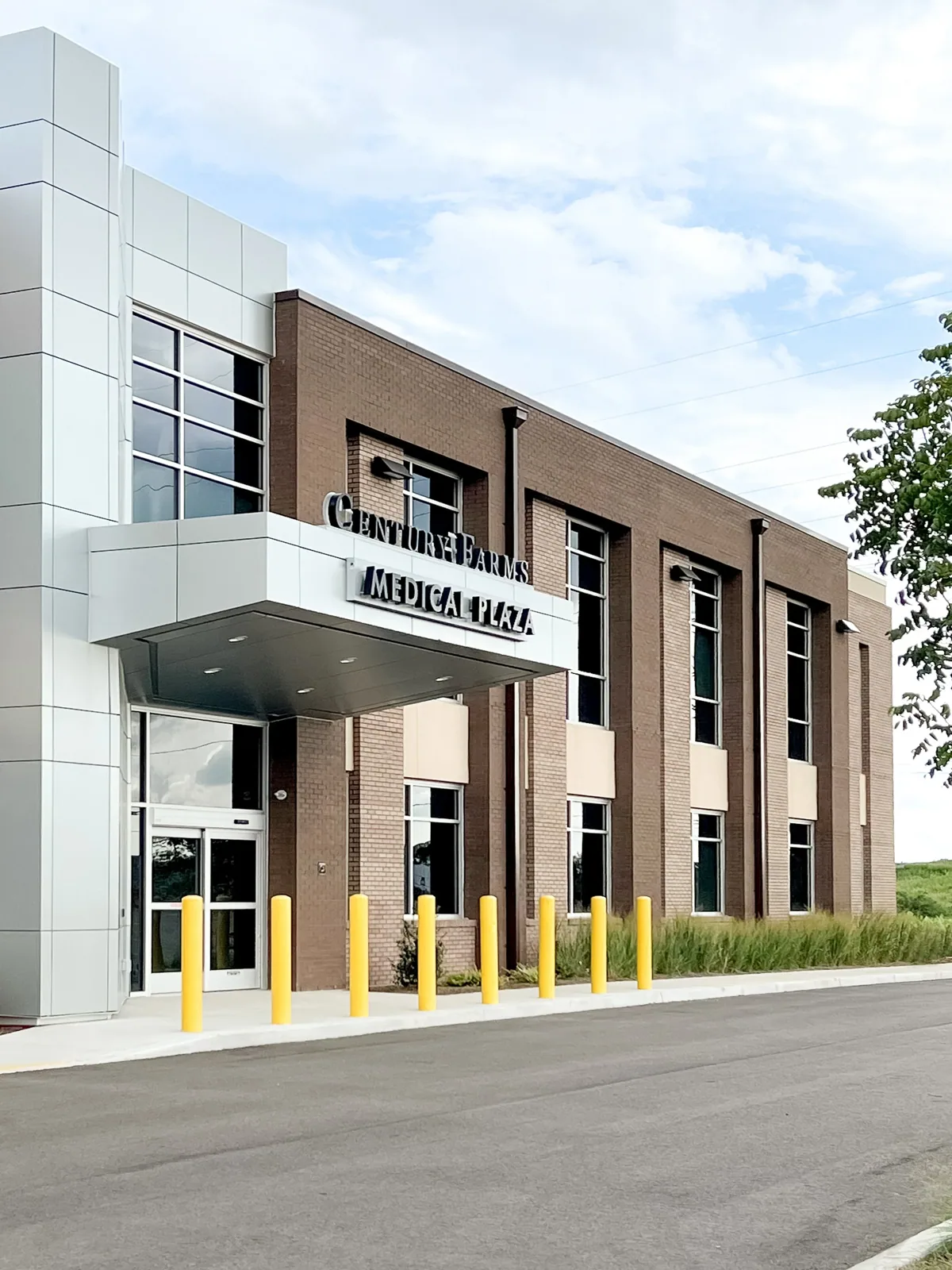
A medical facility identifies its occupied rooms, air-handling controls and required protection before removal begins. We locate the work area on the roof plan and confirm the access needed for interior observations. Product use and debris controls are reviewed with the facility team. The repair quantity alone does not determine whether a task is suitable during occupied hours.
A medical roof assessment examines equipment curbs, penetrations and drainage actually present. Pearland's institutional setting includes Kelsey-Seybold and Memorial Hermann Pearland. At a property under assessment, its current equipment and assembly establish the inspection needs rather than the institution's name. The manager receives located findings and the operating coordination needed for each proposed opening.
Moisture Timing and the Equipment Check
Water reported after a storm can remain within concealed layers and appear later, while equipment drainage can continue independently of rainfall. Condensation is possible if humid air reaches a surface below its dew point. These paths can produce similar interior symptoms. We record timing, room location and equipment operation before selecting checks that distinguish them.
An assessment of the leak path compares the report with roof levels and accessible details. A confirmed flashing opening may support repair, while another finding can require sampling or mechanical review. The report states those distinctions in plain terms. Temporary protection, where safely practical, is recorded separately from the permanent closure and any further investigation.
Alterations at an Established Retail Center
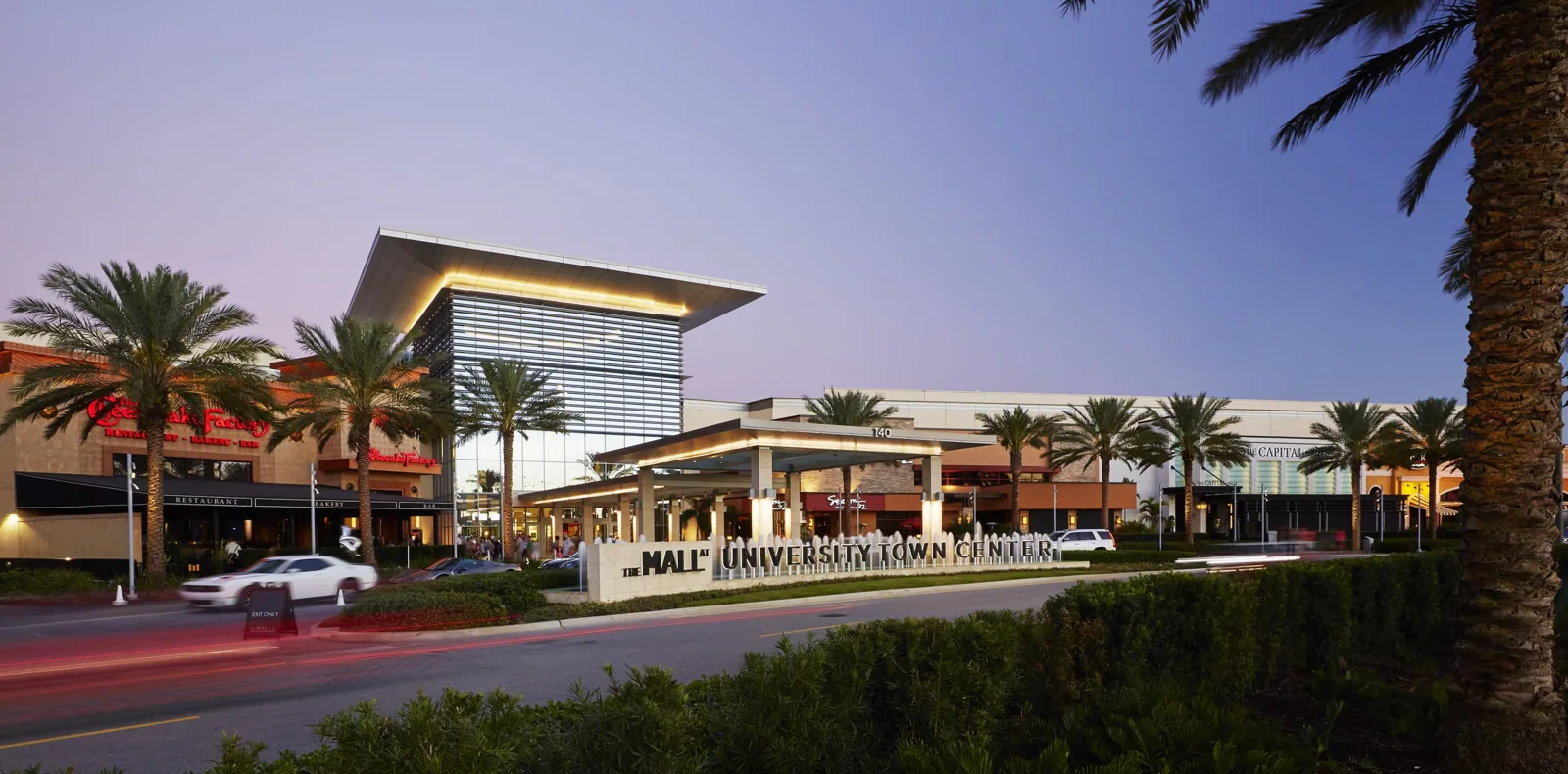
Pearland Town Center opened in July 2008. For its individual commercial buildings, available roofing records identify replacements and alterations since opening. The inspection maps the actual membrane sections, transitions and equipment connections. The records and inspection findings are organized by section so each proposed task has a clear location and purpose.
At a retail roof, we inspect capped penetrations, changed supports and service routes where present. Repeated traffic can concentrate wear around equipment. Compatible preparation and protective material may be needed after the damaged detail is rebuilt. Responsibility information is confirmed through management and applicable documents, separately from identifying the physical water path.
Related Roofing Pages
Medical Office Roofing
How the work is scoped, documented and phased on occupied Sugar Land buildings.
Commercial Roof Leak Repair
What we check on the roof, what we recommend and how the crew keeps the building open.
Shopping Center Roofing
Conditions, options and next steps for commercial buildings in Fort Bend County.
Explain the Pearland Roof and Operating Scope
Arrange photos and a clear repair comparison for your Pearland commercial property, including moisture findings, protection and project-review tasks.
Call 555-555-5555 or email [email protected].
Commercial Roofing Questions
Straight answers to the questions building owners and managers ask us most often.
Why does a curb above a clinical room need operating review?
Interior protection and air-handling controls depend on the facility and selected work products. We confirm those conditions with its team before scheduling the opening. The physical repair detail and occupied-room provisions both belong in the scope.
Does an old storm record establish new damage?
The record provides a dated reference for comparison. Current damage and cause need evidence from the individual roof. We identify observed changes and any uncertain attribution for further investigation.
How can a retail equipment alteration affect roofing?
It may change supports, penetrations or service routes. We inspect the actual connection and retained membrane before selecting a correction. Loading and flashing reviews are coordinated with the equipment task where needed.
What does the owner need beyond a moisture result?
The repair decision also considers attachment, drainage, supporting condition and material compatibility. The report identifies test coverage and any uncertainty affecting quantities. Each option includes the known corrections and its project-review dependencies.
Sunlit Patches and Rainwater Outlets
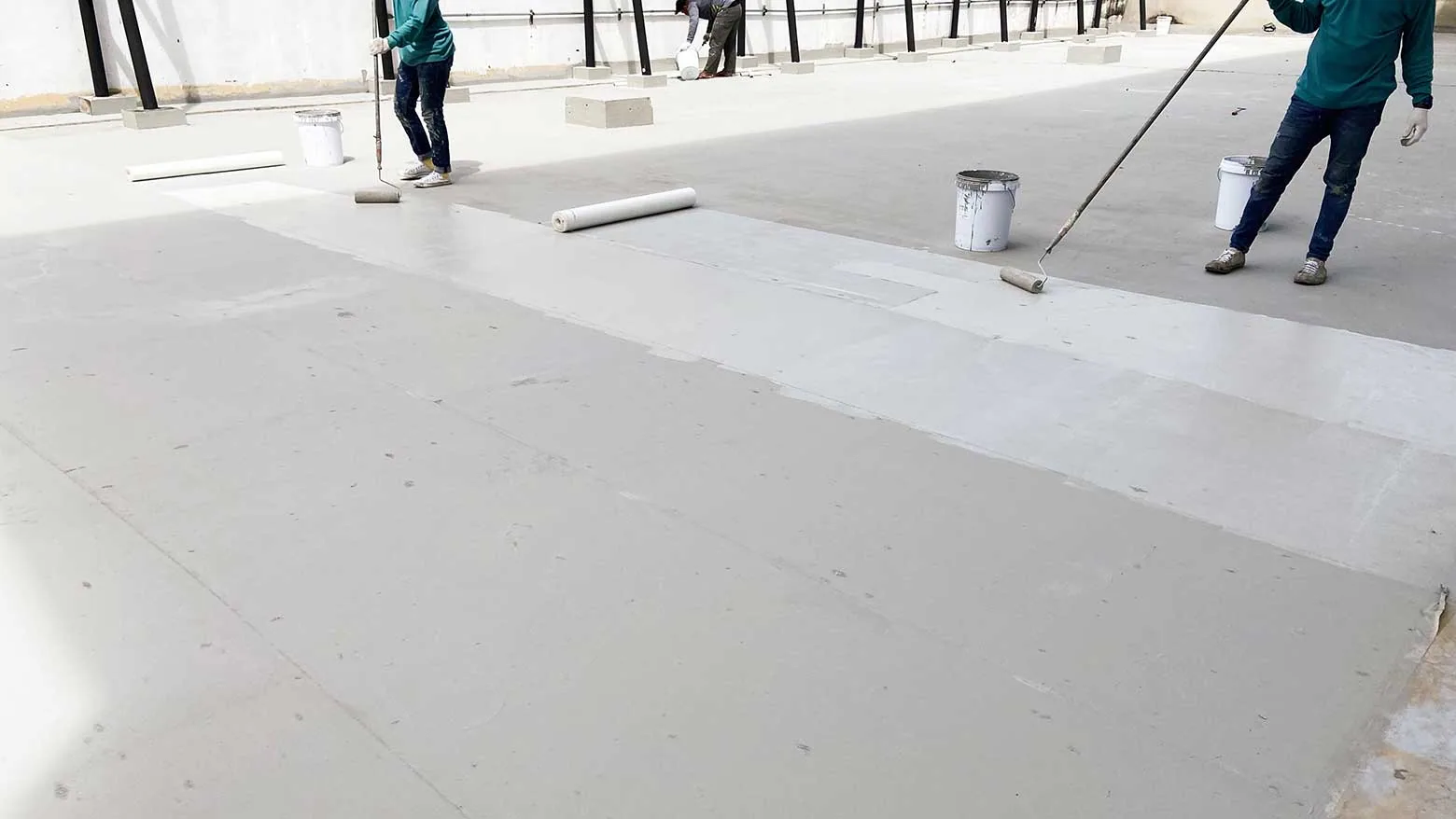
Surface heating can expose weak adhesion or unsuitable material at an earlier patch. We examine lifting, cracking and the expected movement at the connection. Removal of a failed preparation layer may be needed before a compatible repair is installed. Another finish cannot restore a loose termination or deteriorated support beneath it.
Drainage findings receive their own review. Debris removal addresses an obstruction, while a local elevation issue or supporting condition can leave water nearby. Drain and scupper corrections distinguish maintenance from design changes. Added outlets, sumps or tapered insulation need plumbing and structural coordination, with the intended discharge route identified before installation.
The drain flashing needs inspection after a blockage is removed. Split material or an unsuitable connection at the bowl may require rebuilding even when water now passes through the pipe. Completion checks follow the selected repair method, and photographs record the surrounding surface. The manager then has a clear distinction between the flow restored by cleaning and the connection corrected by roofing work.
An Earlier Event and the Current Roof File
Hurricane Ike damaged Pearland's library in 2008, leaving it closed for months. That specific history illustrates why institutional owners need an accessible record of condition and completed work. It does not establish present damage at another property. A current inspection examines the individual building and compares suspected new changes with earlier records where available.
Claim documentation identifies physical findings, their locations and the reported event. Cause stays qualified where evidence is incomplete, with targeted testing recommended if concealed damage is a concern. Immediate protective measures and permanent repairs are described separately. The record supports the insurer's review without substituting the roofer's finding for a coverage decision.
Moisture findings also affect restoration choices beyond a claim. Coating requires compatible materials, adhesion and corrected defects; a recover needs suitable retained layers and its own loading review. Saturated or deteriorated material needs correction rather than enclosure. The owner's comparison includes removal quantities, insulation changes, rebuilt details and the operating provisions needed for the actual property.
How a Roof Project Runs
Every roof we take on moves through the same six steps:
01
Roof Walk
We walk the whole roof and photograph the membrane, seams, flashings, drains and equipment.
02
Moisture Check
Readings and core cuts show what is wet below the surface before anyone prices a repair.
03
Written Findings
You get plain-language findings, photos and the options that fit the roof.
04
Scope and Price
One written scope covers the system, the details, drainage changes and the price.
05
Scheduled Work
Crews work around tenants, deliveries and weather, closing the roof every night.
06
Closeout
We walk the finished roof with you and hand over photos and warranty paperwork.
School Access and the Portfolio Comparison
Pearland ISD is part of the city's institutional setting. At a school property, the facilities team confirms room use, activity dates and permissible work periods. The inspection identifies actual construction and test coverage by roof area. A schedule coordinated around occupants still needs suitable substrate and product conditions before installation proceeds.
For a separate building in Manvel or along the routes serving Bellaire, findings and project requirements are established at that address. Pearland's repair record locates completed work and the next task for unresolved equipment or assembly concerns. Emergency reports can be made at night and on holidays. Crew availability and site conditions determine the protection that can be considered safely. The file records what was undertaken, its limitations and the permanent correction still needed.
The proposed budget separates field work from access and protection costs. Repeated closures or a short operating window can change labor without changing the measured repair area. The manager receives those assumptions with the applicable permit and assembly review tasks, making the owner's decision easier to compare across options.
Clinical rooms, retail areas and school spaces each require their own interior coordination. Before opening a roof, we confirm which rooms lie below the work area, how air intakes will be protected and whether a scheduled activity limits noise or access. The roof scope separately identifies the membrane defect, curb or drain being corrected. If moisture extends into insulation, the photos and test notes explain the proposed boundary. A manager can then compare the roofing phase with mechanical or interior work without confusing related schedules for a single repair task.