
Hurricane Damage Roof Repair
A hurricane can expose several weak roof details during the same event. Wind displaces an edge, rain enters behind it and debris damages another part of the membrane. Hurricane damage roof repair in Sugar Land, TX begins by locating those openings and understanding the occupied spaces beneath them. We document the roof, assess suitable initial protection and develop a sequence for investigating retained layers and completing permanent work.
The manager's first roof record brings together the affected rooms, earlier photographs and any protection already installed. We give each work area a reference so the owner can see which detail is stabilized, which needs testing and which is ready for reconstruction. That organization helps the building team arrange access and approvals. It also preserves the condition before repairs cover the evidence.
Regional Storm History and the Property Timeline
Hurricane Beryl reached the Texas coast near Matagorda in July 2024 and affected the Houston region. Hurricane Ike made landfall near Galveston in September 2008. Owners reviewing roof records can use those dates to place earlier repairs, interior reports and service visits in a working timeline. Current photographs are then compared with the same roof details where earlier views are available.
Harvey's August 2017 history includes major Fort Bend County flooding associated with regional waterways and reservoirs. For a response record, the building team notes when access, utilities or operations were interrupted and when the roof could be examined. We keep regional event information beside the property's observations, while cause remains unassigned where those sources cannot establish it. The resulting timeline supports the next inspection and helps distinguish earlier repairs from current work.
Roof Connections Changed by Wind
We inspect edges, wall terminations, curbs and accessible sheet attachment for displacement or fresh openings. A cap can remain present while its concealed connection is no longer suitable. A membrane can tear locally or separate across a broader area. The repair boundary follows the actual damage and available sound connection rather than the most visible hole alone.
Wind-related reconstruction uses the appropriate assembly and project requirements. The deck, blocking and fastening arrangement are checked where affected or uncertain. Perimeter metal work coordinates the exposed component with its support and membrane transition. Adding fasteners to an unsuitable substrate would leave the underlying failure path unresolved.
Debris Openings and Equipment Routes
Debris can puncture a sheet or distort an exposed detail. We photograph the opening, surrounding material and location before repair. The observed mark does not necessarily identify its source or date. Earlier roof records can improve the comparison, while missing evidence remains a limit rather than a reason to assign a speculative cause.
Puncture repairs identify compatible preparation and sound retained material. Equipment panels, service lines and supports may also need their assigned trades. A roof patch cannot accept a damaged unit above it. The work plan keeps those interfaces visible so stabilization does not conceal a separate source that requires mechanical or structural evaluation.
Related Roofing Pages
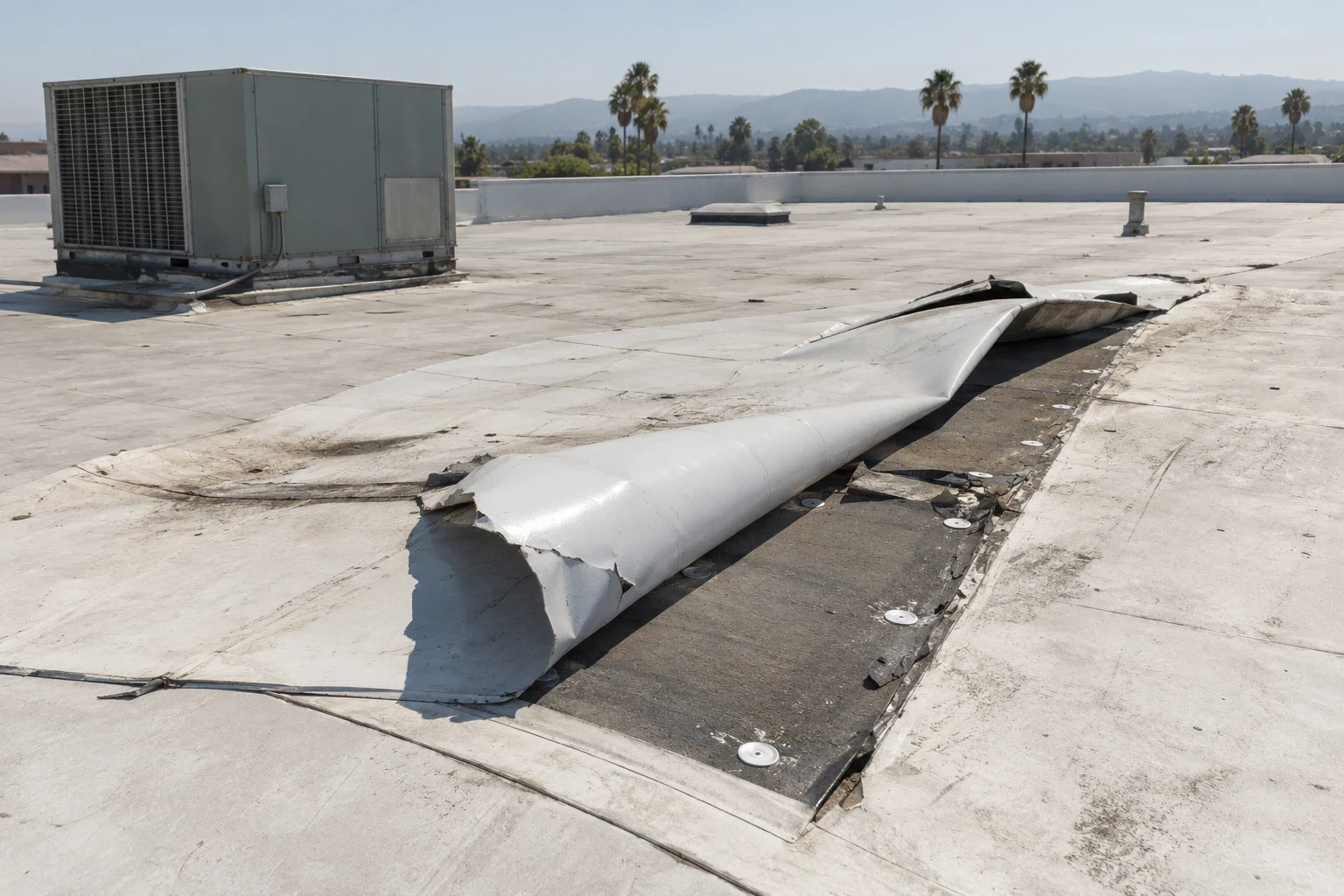
Wind Damage Roof Repair
How the work is scoped, documented and phased on occupied Sugar Land buildings.
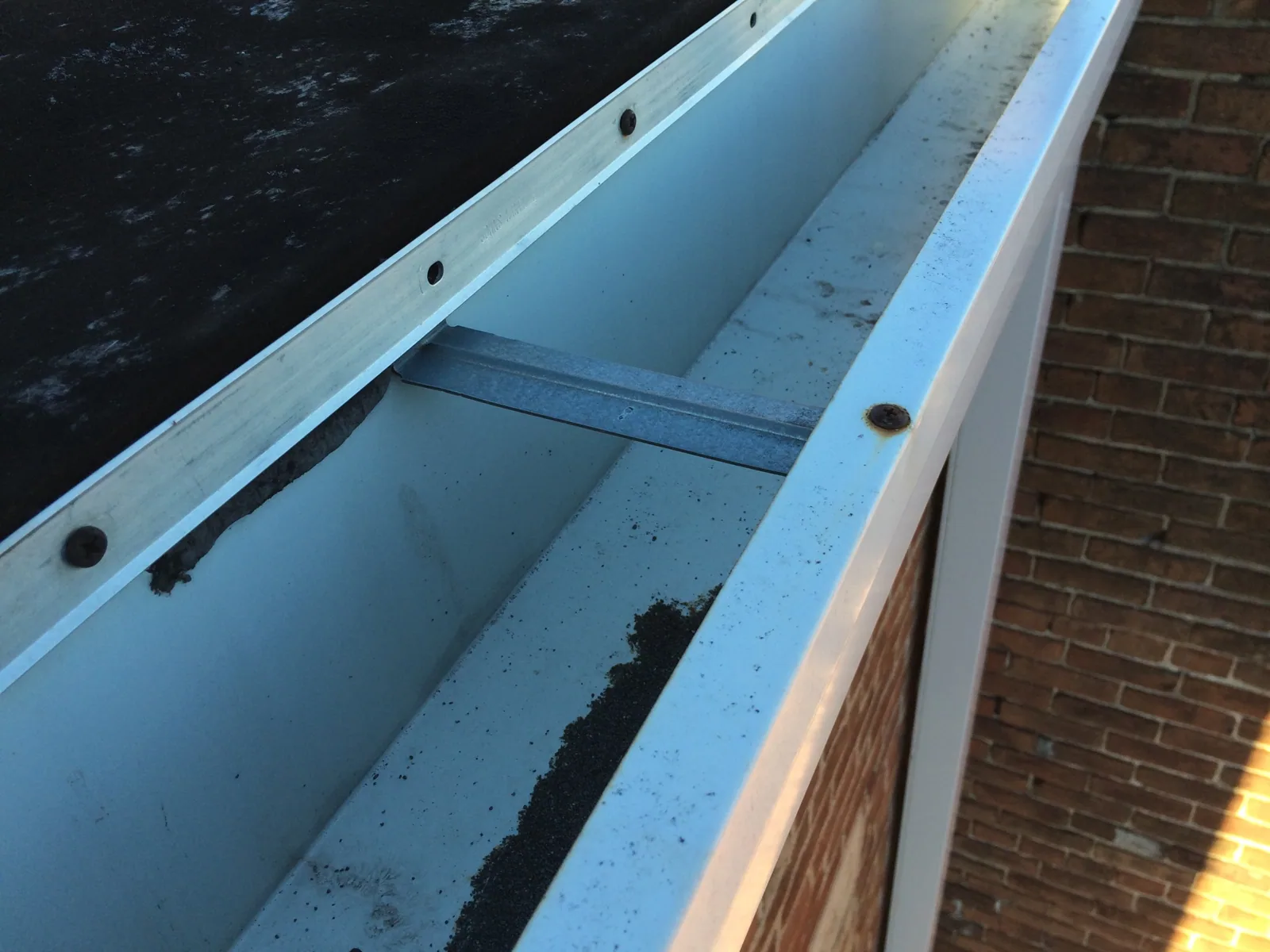
Edge Metal, Coping and Gutters
What we check on the roof, what we recommend and how the crew keeps the building open.
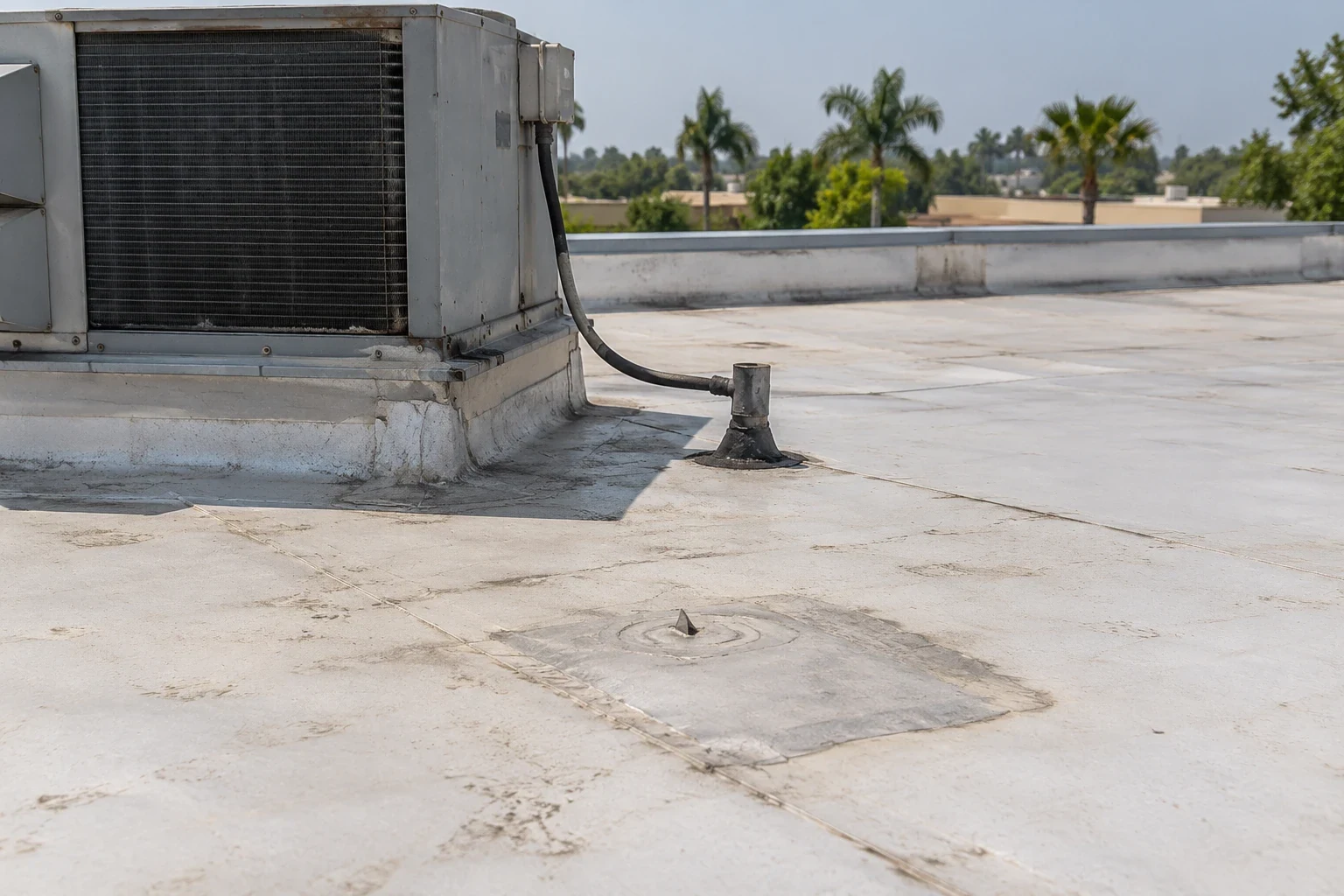
Roof Membrane Puncture Repair
Conditions, options and next steps for commercial buildings in Fort Bend County.
Separate the Hurricane Findings Into a Clear Repair Scope
Call to discuss the building and affected areas. We will explain changed roof details and moisture findings with photos and identify suitable permanent work for owner review.
Call 555-555-5555 or email [email protected].
Commercial Roofing Questions
Straight answers to the questions building owners and managers ask us most often.
How does the storm timeline help the roof review?
Event dates help organize earlier inspections, current photographs and repair visits. We compare the same detail where records allow. The reconstruction follows the observed connection and the appropriate project design review.
Can temporary work remain without follow-up?
The record identifies its materials, role and limits. Moisture or attachment questions may still need investigation. The owner should see what permanent work remains.
What should the manager collect before the assessment?
Provide affected room locations, water timing, earlier roof reports and the details of temporary work. Note access and utility restrictions with the responsible contacts. Those records help plan the next investigation and protection sequence.
What changes a local repair into a broader scope?
Extent of damaged attachment, unsuitable layers or concealed moisture can change repair value. Suitable testing and exposure inform that boundary. The recommendation explains the measured work and uncertainty.
Who coordinates equipment after the storm?
The facility and assigned service trades evaluate and control their equipment. Roofing addresses compatible membrane and flashing work. The sequence identifies responsibilities before systems or supports are disturbed.
Rain Entry and Concealed Extent
Water can move through the assembly before it appears in an occupied space. Interior stains help locate the complaint, but they do not map every wet roof layer. We inspect accessible defects and choose suitable moisture methods where extent affects the scope. Samples establish local condition and the layers observed at each opening.
An infrared investigation can guide confirmation if weather and construction support useful contrast. Surface variation and equipment can create other patterns. The report distinguishes confirmed water from interpreted suspect areas. Exposed conditions can revise removal limits, with photographs showing why the reconstruction boundary changed rather than presenting an unexplained increase in the proposed area.
Initial Access and Temporary Protection
The manager and responding teams identify access restrictions, utility conditions and affected rooms before roof work is scheduled. Loose debris, uncertain support and damaged equipment can limit entry. A temporary method needs suitable attachment and drainage within the authorized area. The team uses those findings to select suitable protection and a workable visit sequence. The manager receives the planned access, work area and next assessment requirements as scheduling is confirmed.
Emergency roof work records its actual role and follow-up needs. A temporary patch can reduce exposure without proving that insulation beneath it remains suitable. Permanent reconstruction may require testing and removal. The owner receives that distinction so the initial response is not treated as final acceptance simply because no water was observed during the next dry interval. Where several damaged areas exist, each receives a roof-plan reference and its own status. One completed patch does not close the investigation elsewhere. The manager can use the record to identify the next authorized visit, the supporting test question and any space that still needs operating protection while permanent work is developed.
How a Roof Project Runs
Every roof we take on moves through the same six steps:
01
Roof Walk
We walk the whole roof and photograph the membrane, seams, flashings, drains and equipment.
02
Moisture Check
Readings and core cuts show what is wet below the surface before anyone prices a repair.
03
Written Findings
You get plain-language findings, photos and the options that fit the roof.
04
Scope and Price
One written scope covers the system, the details, drainage changes and the price.
05
Scheduled Work
Crews work around tenants, deliveries and weather, closing the roof every night.
06
Closeout
We walk the finished roof with you and hand over photos and warranty paperwork.
Local Operations During the Repair
Sugar Land Town Square combines offices, retail and hotel use, making affected entrances and occupied rooms important to the response plan. The building contact identifies where deliveries can unload and how debris will be controlled. We agree on the roof work area and closure before an opening is made. The manager names the contacts for affected spaces and the notice required before each day's area is opened. The same plan identifies where the repair team can stage material and who confirms the closure at the end of the work window.
For a Stafford property, the team establishes its own access and jurisdiction review along the regional commercial corridors. Occupied work planning also coordinates any equipment restriction. The mechanical team approves any ventilation control window and manages restoration to service. Roofing identifies the materials and activity near the equipment so that plan can preserve required airflow while the affected detail is repaired.
Permanent Options and Owner Evidence
Local repairs can be suitable where retained material and attachment support them. Broad moisture or widespread changed connections may justify comparing a larger reconstruction scope with replacement. The recommendation uses measured roof sections and detail quantities to identify removal, replacement materials and the rebuilt transition at each boundary. The owner can compare complete scopes with preparation, access and related trade work shown alongside the roofing.
Claim documentation organizes photographs, findings and the supported scope, while coverage review remains with the insurer and policy process. Closeout identifies completed work and any related trade question still open. Maintenance records preserve the reconstructed details for later comparison. This lets the manager explain future changes from evidence instead of treating the hurricane date as the cause of every later water complaint.
For a Missouri City assessment, retain the observed attachment and water-entry findings under that building's roof references. Give the operator the route for reporting changes after temporary work. New evidence may change the permanent boundary and should return through the agreed scope approval before removal expands.