
Roof Membrane Puncture Repair
A dropped tool can leave a small hole that admits more water than its size suggests. Once rain enters the assembly, it can spread through insulation joints before a stain appears below. Roof membrane puncture repair in Sugar Land, TX examines the opening and the condition beneath it. We identify the retained sheet, define suitable preparation and explain whether the work needs more than a surface patch.
The repair also asks how the damage occurred where evidence permits. A sharp support, displaced pad or repeated service route can continue to affect the area after the hole is closed. We record those conditions without assigning a cause that was not observed. The owner receives a compatible repair scope and any separate action needed to reduce recurrence.
The Opening and Surrounding Sheet
We photograph the puncture with a location reference and examine the surrounding membrane. A clean cut differs from a tear with strained or weathered edges. Earlier coatings, residue and patch layers can also change the available repair surface. The material is identified from records and inspection before a bonding or welding method is selected.
Membrane repairs extend to sound material needed for a suitable connection. A patch is not chosen solely by the dimensions of the visible hole if the adjoining sheet has also deteriorated. The estimate identifies preparation and reconstruction at that boundary. If suitable retained material cannot be established, the report explains the additional removal or investigation needed before repair.
Water Beneath a Small Defect
The visible puncture does not quantify concealed moisture. We compare interior water timing and location with the observed opening, then investigate suspect layers when their condition changes the scope. A sample records the layers and moisture at its location. The surrounding extent uses appropriate additional evidence rather than an assumption that every area beside the hole is dry.
An infrared survey may help identify suspect patterns under useful field conditions. Shading, material differences and equipment can produce other temperature effects. Confirmatory testing checks the interpretation before wet-area removal is defined. Exposure can reveal a different boundary, with photographs and a revised explanation provided before affected reconstruction continues.
Compatible Patch Preparation
Thermoplastic sheets, elastomeric membranes and asphalt-based roofs need their respective compatible repair methods. Cleaning, primer, adhesive or heat-welding requirements follow the identified product and retained condition. Color does not establish chemistry. An earlier coating can require special preparation or an approved transition before the patch will have a suitable connection.
For TPO repairs, field conditions and approved preparation inform the welding work. Other systems use different joining methods and checks. Actual surface moisture and temperature matter during preparation and application. Daylight does not by itself establish adhesive cure, and a short service window cannot replace the required interval before the work is exposed to its next condition.
Related Roofing Pages
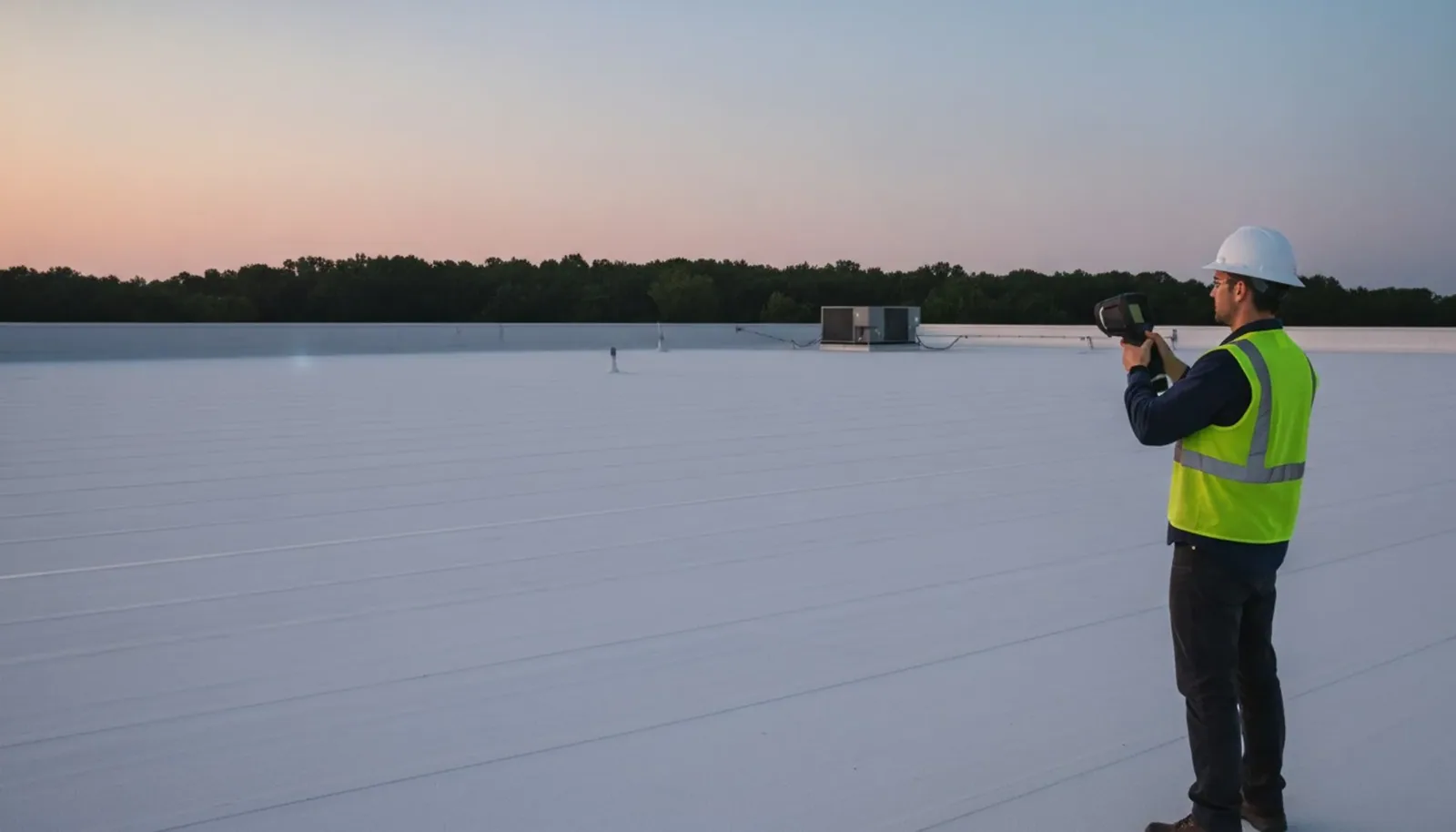
Infrared Roof Moisture Surveys
How the work is scoped, documented and phased on occupied Sugar Land buildings.
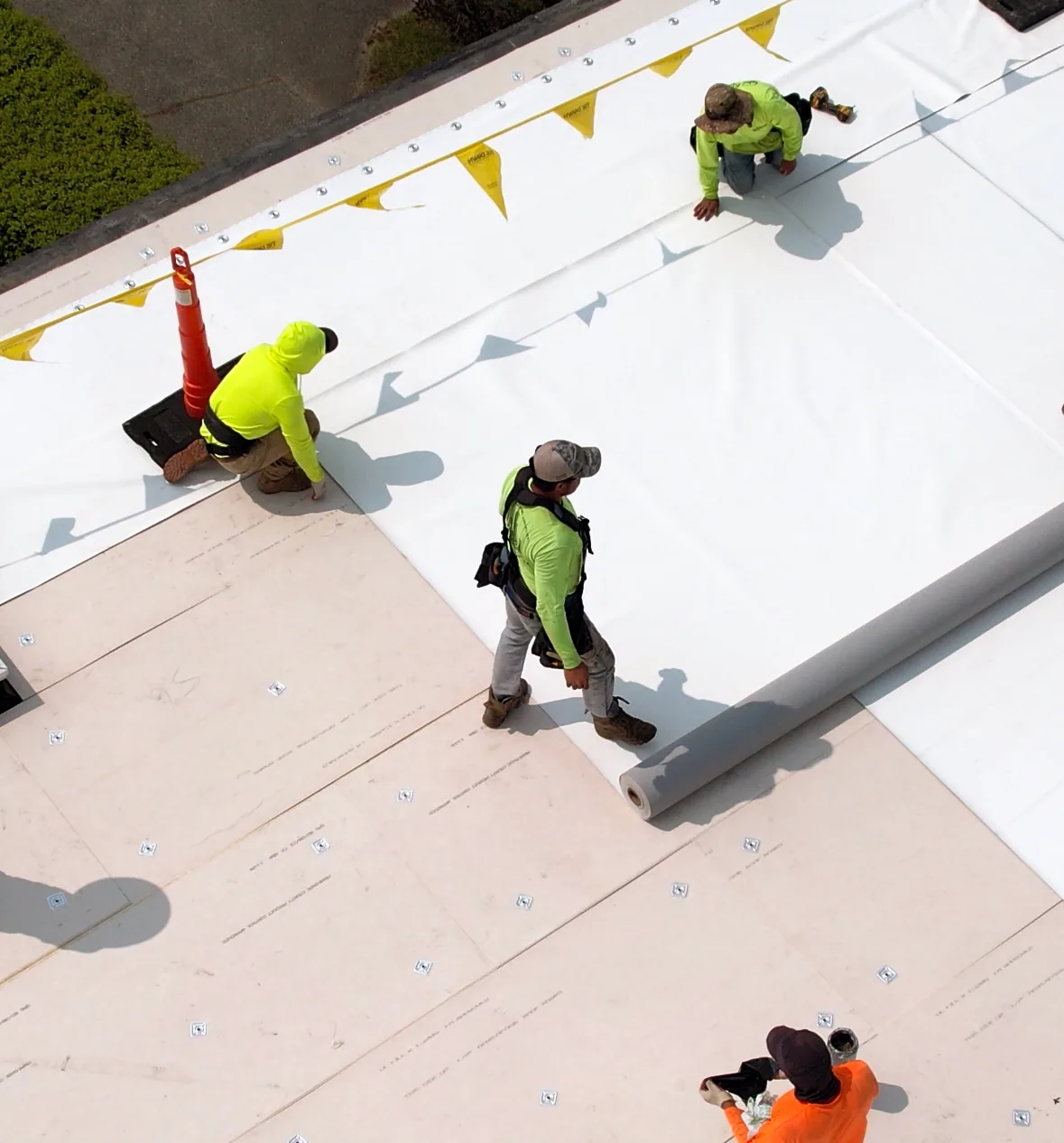
TPO Commercial Roofing
What we check on the roof, what we recommend and how the crew keeps the building open.
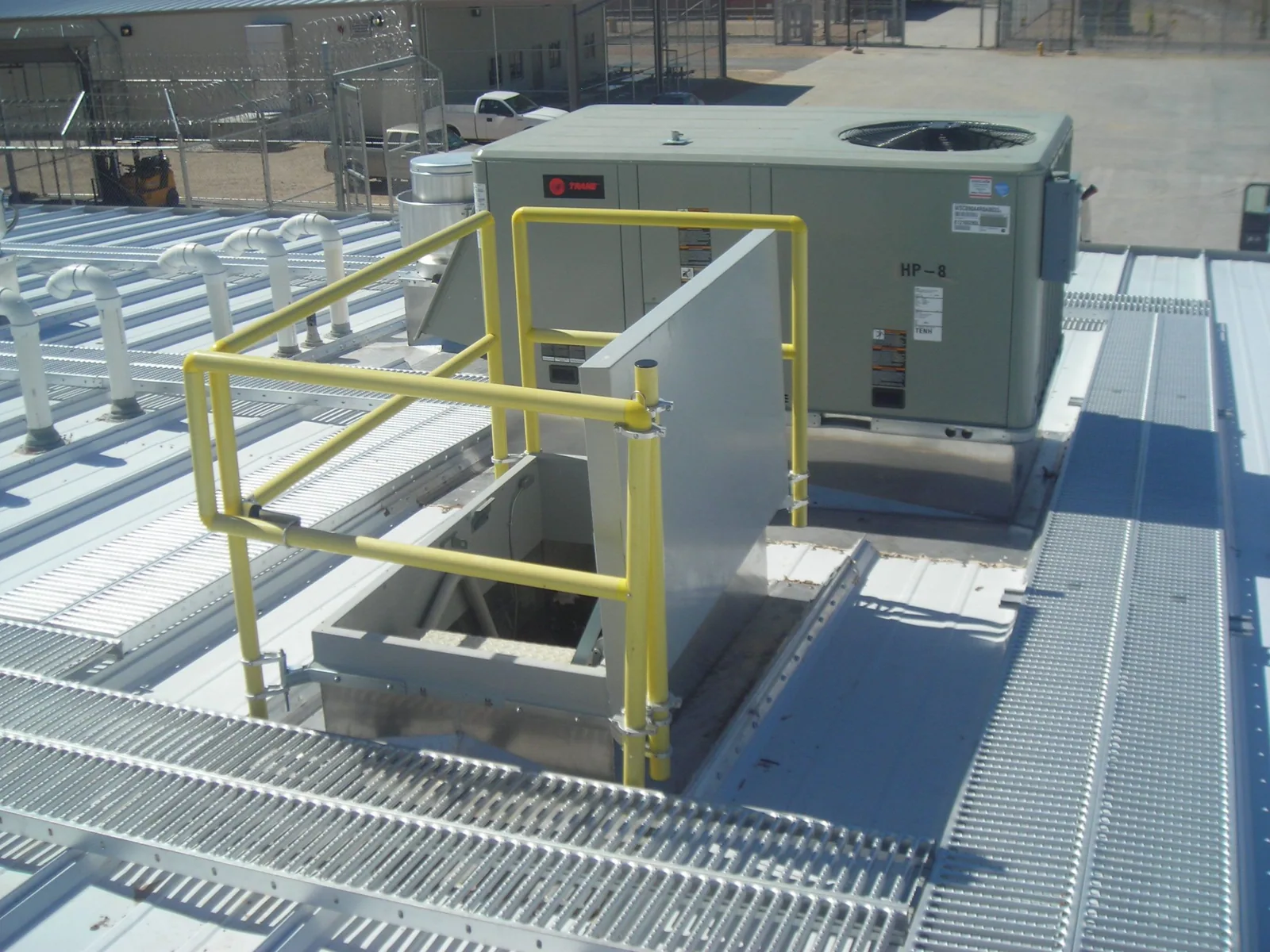
Rooftop Equipment Curbs and Supports
Conditions, options and next steps for commercial buildings in Fort Bend County.
Repair the Hole and Review the Contact Around It
Call for a membrane assessment. We will explain the opening, retained layers and service-route findings with photos and identify suitable repair work.
Call 555-555-5555 or email [email protected].
Commercial Roofing Questions
Straight answers to the questions building owners and managers ask us most often.
Can a small puncture be repaired without testing beneath it?
The need for testing follows the observations and the decision it would affect. Suspected concealed water may require investigation. The report explains the basis for retaining or removing the layers.
Does patch color establish compatibility?
Color alone cannot identify the membrane or earlier treatment. Product and surface condition guide preparation. The repair uses a method suitable for the retained assembly.
Who corrects a support that caused repeated damage?
The relevant equipment or structural trade evaluates its assigned support. Roofing restores the compatible membrane interface. The sequence is coordinated where those duties overlap.
Does every puncture require replacement?
Localized work can be suitable where surrounding material and attachment remain usable. Broad defects can change repair value. The recommendation follows the condition and extent.
What should staff report after equipment service?
Record new lines, moved pads, visible damage and changed water timing. Keep the roof repair location available for comparison. Roof access requires suitable authorization and protection.
Supports, Tools and Service Routes
A sharp component or unsuitable support can damage the membrane at a repeated contact point. We inspect the service route and ask the manager about recent equipment activity. A tool mark can be documented without identifying who caused it when that history is unavailable. The corrective recommendation follows the condition found rather than a speculative account of the event.
Equipment support review assigns load and service questions to the appropriate trades. Moving a support is not simply a roofing action if it affects a line or unit. Suitable walkway protection follows the approved assembly and preserves drainage. The closeout identifies which route or protection item was corrected and which still requires owner or facility action.
Flashing and Nearby Connections
A puncture beside a curb or pipe can coexist with an open flashing detail. We inspect that interface instead of assuming the hole explains every water complaint nearby. Upper equipment joints or condensate can create another route. The report identifies verified roof defects separately from components needing a different trade.
Flashing repair rebuilds the compatible transition where required. Ventilation controls near the work follow a facility-approved sequence, including any necessary isolation window. An active intake is not covered arbitrarily. The plan identifies the affected work area, suitable protection below and who receives notice if an unexpected condition expands the proposed opening.
How a Roof Project Runs
Every roof we take on moves through the same six steps:
01
Roof Walk
We walk the whole roof and photograph the membrane, seams, flashings, drains and equipment.
02
Moisture Check
Readings and core cuts show what is wet below the surface before anyone prices a repair.
03
Written Findings
You get plain-language findings, photos and the options that fit the roof.
04
Scope and Price
One written scope covers the system, the details, drainage changes and the price.
05
Scheduled Work
Crews work around tenants, deliveries and weather, closing the roof every night.
06
Closeout
We walk the finished roof with you and hand over photos and warranty paperwork.
Local Access for Small Repairs
At Sugar Land Town Square, even a small roof repair can intersect an active shop, office or hotel entrance. The building team identifies the route to the roof and the occupied space beneath the puncture. We arrange unloading and debris handling within that agreed access plan. The repair record gives the manager a location reference that can be used when staff report later water or equipment activity.
For a First Colony property, service visits can be coordinated with the specific building's delivery and equipment needs. The technician's work area and daily closure are agreed before material is removed. Product application conditions remain relevant even for a minor patch. A visit may need a revised window if the substrate or forecast cannot support the selected repair method.
Scope Limits and the Longer Condition Record
Several small defects can be repaired where the surrounding assembly supports suitable connections. Broad deterioration, extensive moisture or recurring support damage can justify evaluating larger work. Replacement comparison uses the condition and measured scope rather than a rule that every puncture requires another roof. The owner receives the findings that distinguish those options.
Maintenance after repair checks the patch, access route and nearby outlets against the photographs. A changed discharge path or new service line is recorded as a later condition. Material information remains available for compatible future work. This helps a manager determine whether another complaint relates to the repaired opening, a new defect or a source that the initial puncture scope did not address.
The completed record identifies the patch material and the preparation used, with photographs showing its connection to the retained roof. Any opening made to examine underlying layers receives a compatible closure before the area is left. The manager also sees what moisture extent was verified and where uncertainty remains. A completed surface repair is useful evidence, but it is not a declaration that every concealed area beneath the building is dry.
A patch boundary reaching a seam defect or flashing concern needs those connections examined too. At a Stafford building, locate the complete repair rather than listing a puncture count alone. Retain the method and supporting preparation for each included detail.
A puncture repair needs a clean boundary around the damage. We remove only enough material to expose a sound surface, then check whether the insulation or deck below shows impact, moisture or deformation. The selected patch must extend onto compatible, properly prepared membrane and match the system's joining method. If equipment traffic or later service work caused the opening, the owner receives a practical protection or access note so the same contact point is not left exposed to repeated damage. Photographs show both the original opening and the completed tie-in.