
Spray Foam Commercial Roofing
A protective coating can wear through while the spray foam beneath it still follows the roof's shape. Exposed foam then needs evaluation before another coat is added, because weathering and moisture can change the material that remains. Spray polyurethane foam roofing in Sugar Land, TX examines both the foam and its coating. We explain the observed condition and define suitable preparation, removal and reconstruction.
Spray polyurethane foam forms an insulation layer applied at the roof, with an approved protective coating completing the specified system. Application requires suitable substrate and environmental conditions. It is not a universal way to seal any existing roof or correct concealed damage. The owner receives an assembly scope that identifies what will be retained and the evidence supporting that choice.
Acrylic protective coating products may be considered where they suit the specified foam system. Their application and exposure requirements need review with the selected combination. The protective layer is part of foam roofing construction, so substituting it requires complete compatibility review rather than a choice based on finish color.
Substrate Suitability Before Spraying
The receiving surface must satisfy the selected system's requirements for condition, cleanliness and moisture. We inspect the roof and investigate suspect layers before specifying retention. A smooth surface may conceal wet insulation or loose material below. Selected openings describe their locations, while broader evidence informs the extent that can suitably remain.
Recover evaluation considers attachment, layer condition and applicable requirements in addition to moisture. Unsuitable material is removed rather than enclosed because spray foam can follow its contour. A replacement comparison is appropriate where retained condition does not support the proposed assembly. The recommendation explains that limitation before the owner approves a surface-focused treatment.
Foam Application and Field Conditions
Application depends on the specified components, equipment and field conditions. Substrate temperature, moisture, humidity and wind are checked against the system instructions. Reported air temperature cannot establish every one of those inputs. If conditions fall outside the approved limits, the sequence changes rather than treating production volume as the only measure of progress.
The applied foam needs the specified thickness, condition and bond to the prepared surface. Checks and sampling follow the project requirements, with findings recorded at identifiable locations. Irregular or unsuitable material is assessed before it is covered. A later coating cannot correct an improperly formed foam layer simply by hiding it, so the acceptance process separates foam condition from the protective finish above.
Protective Coating and Surface Exposure
The coating protects the foam according to the selected assembly, including exposure to sunlight and weather. Its chemistry, application thickness and reinforcement details remain product-specific. Silicone coating options may be compared with other approved finishes where suitable. The choice uses the actual product instructions and anticipated exposure rather than a general claim about every liquid coating.
Preparation for recoating includes the existing finish's condition and compatibility. Loose or damaged areas need treatment within supported limits, and adhesion testing can inform the selected method. A passing test patch does not establish preparation quality across the entire roof. Thickness and cure records remain part of the work evidence so the owner understands what was applied and what future maintenance must preserve.
Related Roofing Pages
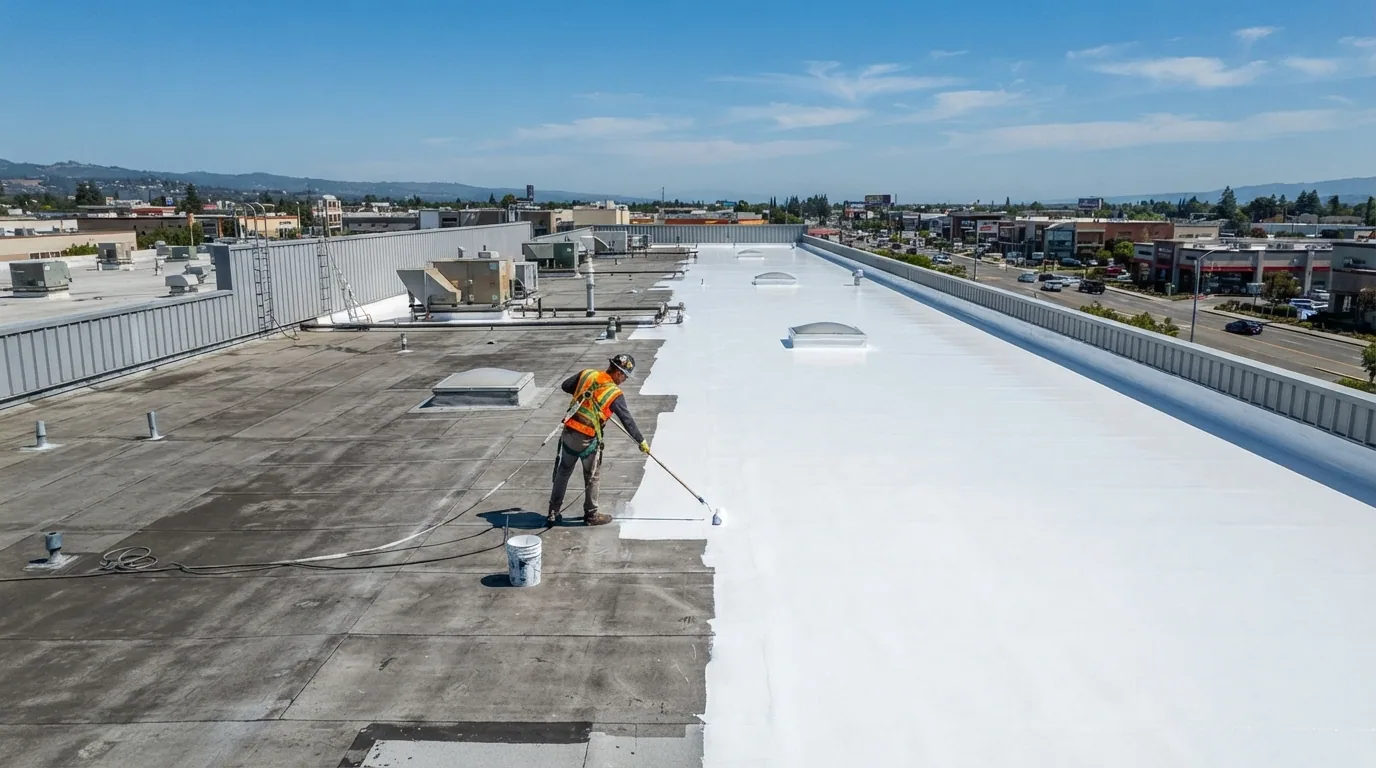
Acrylic Roof Coatings
How the work is scoped, documented and phased on occupied Sugar Land buildings.
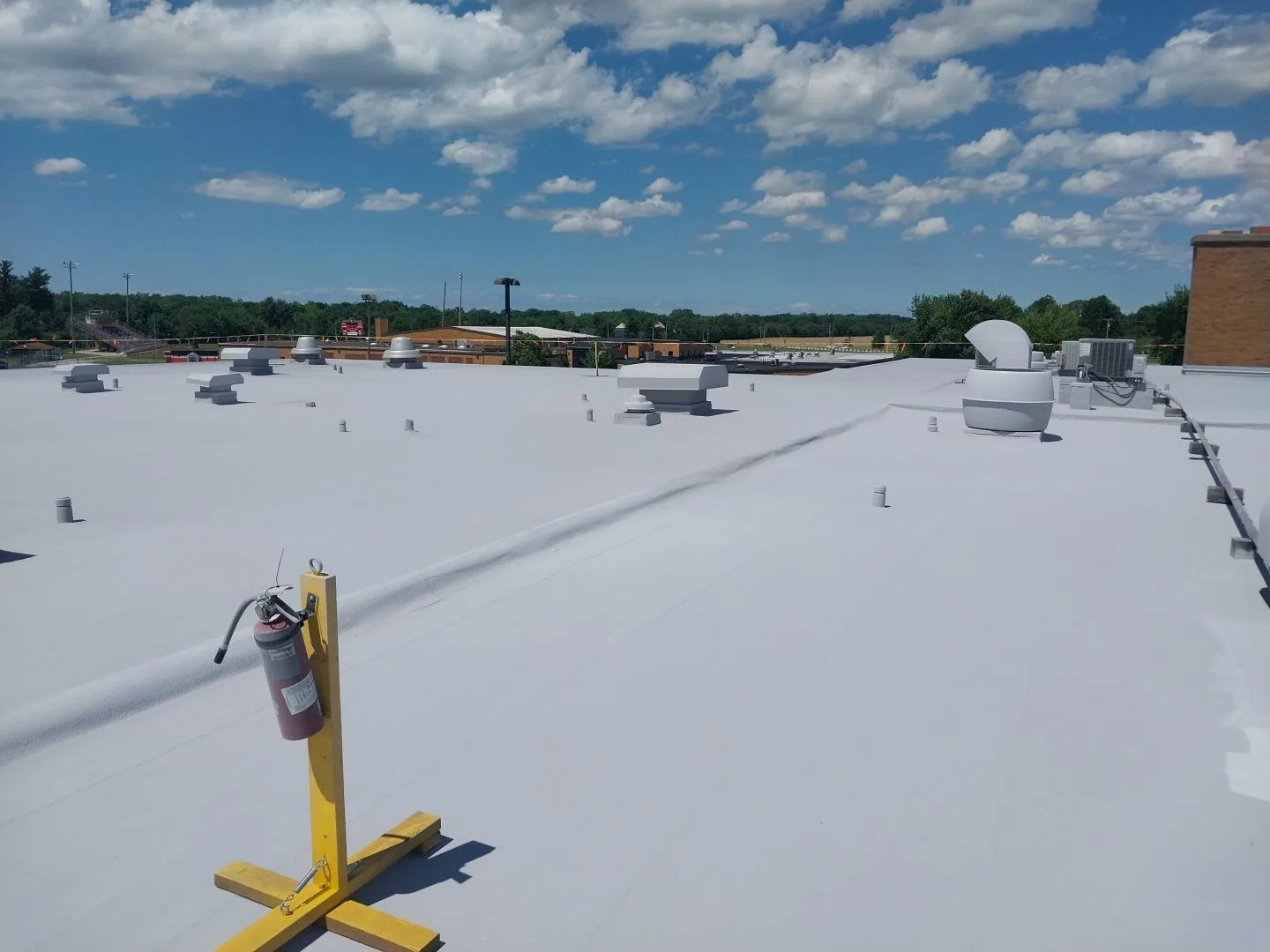
Roof Recover and Overlay
What we check on the roof, what we recommend and how the crew keeps the building open.
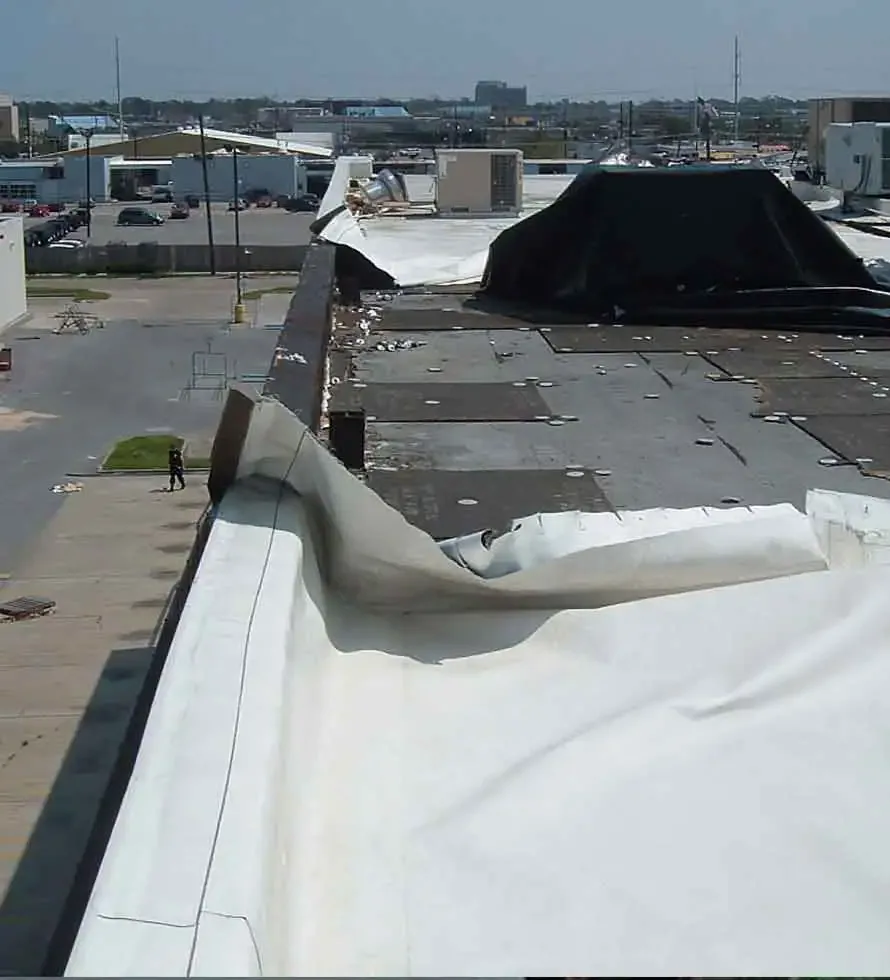
Commercial Roof Replacement
Conditions, options and next steps for commercial buildings in Fort Bend County.
Evaluate the Foam and Its Protective Surface Together
Call for a roof assessment. We will explain substrate, moisture and coating findings with photos and identify a suitable spray foam or repair scope.
Call 555-555-5555 or email [email protected].
Commercial Roofing Questions
Straight answers to the questions building owners and managers ask us most often.
Can spray foam be applied over wet roofing?
Substrate and retained layers need evaluation against the selected system requirements. Unsuitable wet material is not simply enclosed. The scope identifies supported retention and necessary removal.
Does foam thickness alone establish a good installation?
Bond, material condition, drainage shape and protective coating also matter. Required checks follow the project and product instructions. The record identifies what was verified at each location.
Can foam correct every drainage low spot?
The roof geometry and cause of retention need review. A designed layout may improve a suitable water path, but foam does not resolve concealed piping or unsupported structural movement. Those questions receive separate evaluation.
When should the coating be renewed?
Surface condition and the selected system requirements guide the decision. Inspect wear, damage and compatibility before recoating. The work can require local removal or repairs beyond another field coat.
How is overspray addressed around occupants?
The site plan identifies adjacent property, equipment and sensitive operations. Weather and approved controls determine whether spraying can proceed. The facility team coordinates ventilation and any operating restriction.
Moisture Beneath the Finish
Water may enter through a puncture, damaged coating or adjoining flashing. We compare those visible routes with suitable tests of the foam and other retained layers. A surface crack alone does not quantify the extent of wet material. Removal boundaries follow the investigation and are adjusted when exposure reveals conditions beyond the preliminary findings.
An infrared moisture survey can guide selected confirmation when weather and roof construction allow useful contrast. Surface variations and equipment can also affect the pattern, so temperature is not treated as moisture proof. The report identifies sampled conditions and interpreted areas separately. This distinction helps the owner compare repairs without assuming that every unsampled part is either dry or wet.
Slope, Drains and Detail Heights
Foam can be incorporated into a designed drainage shape, but achieving that shape requires measured geometry and a suitable layout. Applying extra thickness at a low spot can shift water toward another detail. Outlets, curbs and wall terminations need coordinated heights. Suspected structural movement is evaluated independently rather than concealed beneath a new foam profile.
Drainage investigation also considers restrictions downstream from the roof surface. A reshaped field cannot clear a concealed pipe or establish outlet capacity. The assembly's exposure limits do not settle structural adequacy under ponded water. The proposal separates verified component repairs from drainage or structural design questions requiring the appropriate reviewer.
How a Roof Project Runs
Every roof we take on moves through the same six steps:
01
Roof Walk
We walk the whole roof and photograph the membrane, seams, flashings, drains and equipment.
02
Moisture Check
Readings and core cuts show what is wet below the surface before anyone prices a repair.
03
Written Findings
You get plain-language findings, photos and the options that fit the roof.
04
Scope and Price
One written scope covers the system, the details, drainage changes and the price.
05
Scheduled Work
Crews work around tenants, deliveries and weather, closing the roof every night.
06
Closeout
We walk the finished roof with you and hand over photos and warranty paperwork.
Overspray and Occupied Operations
Spraying introduces material-control requirements around vehicles, adjacent property and rooftop equipment. Wind and work location inform the permitted application sequence and protection plan. The manager identifies sensitive areas and operating restrictions before spraying begins. Material handling and access are coordinated for the actual site rather than assumed from an open roof view.
Occupied-building planning also addresses ventilation with the responsible facility team. Any equipment isolation window is approved and coordinated to preserve required airflow and restoration to service. A working intake is not covered arbitrarily to make spraying possible. Where suitable controls or environmental conditions cannot be established, the work method or timing needs revision.
Regional Properties and Continued Care
First Colony includes a major retail setting, while Telfair lies along University Boulevard. A spray project in either area needs the building team to identify nearby vehicles, active entrances and equipment affected by material handling or application. We survey the assembly and measured roof area before setting the work zone. The proposed protection and access arrangements are reviewed with the affected staff, and the application window follows suitable weather and product conditions. The manager receives the closure and notification plan with the foam and coating scope so those requirements remain part of the approved work.
Maintenance visits check coating wear, punctures, details and outlets against the closeout record. Repairs use products compatible with the installed assembly and any existing finish. Warranty duties come from the issued documents. The owner can plan a recoat from verified surface condition instead of waiting until exposed foam or a new interior complaint makes the scope more difficult to define.
Foam roofing needs both a sound underlying deck and a protective coating that remains continuous. We examine the surface for cracks, exposed foam, impact damage and ponding, then determine whether a repair can be feathered into stable material. Moisture inside the foam or below the assembly changes the scope and may require selected openings. New foam application depends on substrate preparation and environmental conditions. The finish coat must cover the repaired profile, including edges and penetrations. Photos at closeout show the restored areas and any location held for follow-up.