
Restaurant Roofing
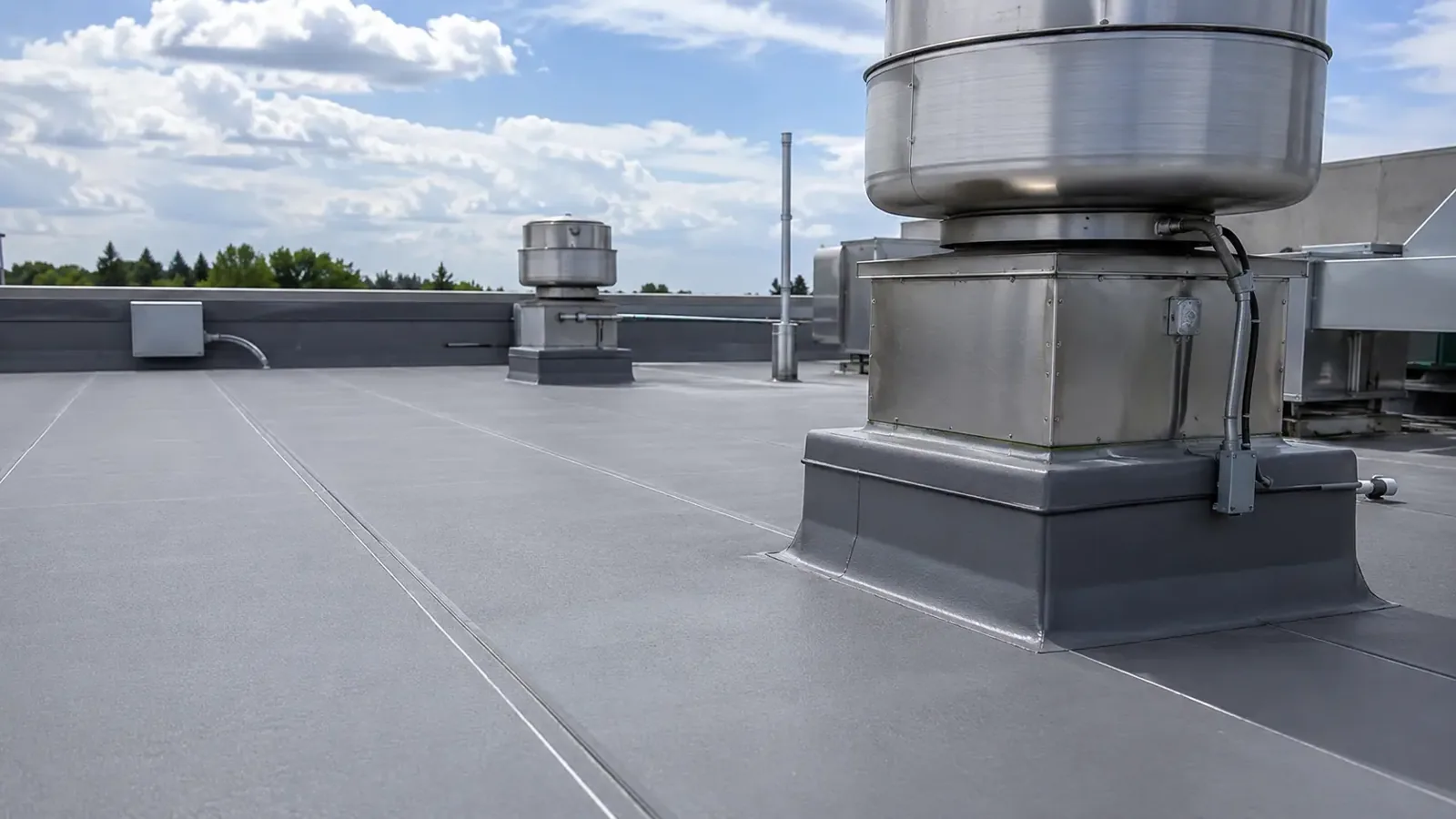
Cooking residue can make the membrane beside an exhaust fan a different repair environment from the rest of a restaurant roof. The deposit may affect preparation and material suitability, while movement at the fan curb can create a separate opening. For a restaurant in Sugar Land, TX, we examine both conditions before treating the area as a routine patch. A stain or softened surface needs investigation rather than an automatic diagnosis of chemical damage. The manager receives a clear explanation of the detail, deposit and correction required.
Deposit Identification and Compatible Preparation
A kitchen can release fats, cleaning compounds and hot exhaust in combinations that vary with equipment and use. We ask the operator what reaches the roof and whether collection trays or discharge arrangements have changed. The membrane is identified from available records and field evidence. Product guidance is checked for the relevant substance and exposure conditions. Neither surface color nor a broad roofing family establishes chemical suitability.
A preparation trial examines whether the sampled material can be cleaned and accept the intended repair. It does not predict unlimited resistance to later residue. Where contamination or deterioration makes the substrate unsuitable, that material requires correction before a patch or coating is proposed. Exhaust collection may also need adjustment by the appropriate contractor. A PVC roof option is evaluated against its specific product information, with alternatives compared on the same exposure rather than a general claim of superiority.
Fan Movement and Service Damage
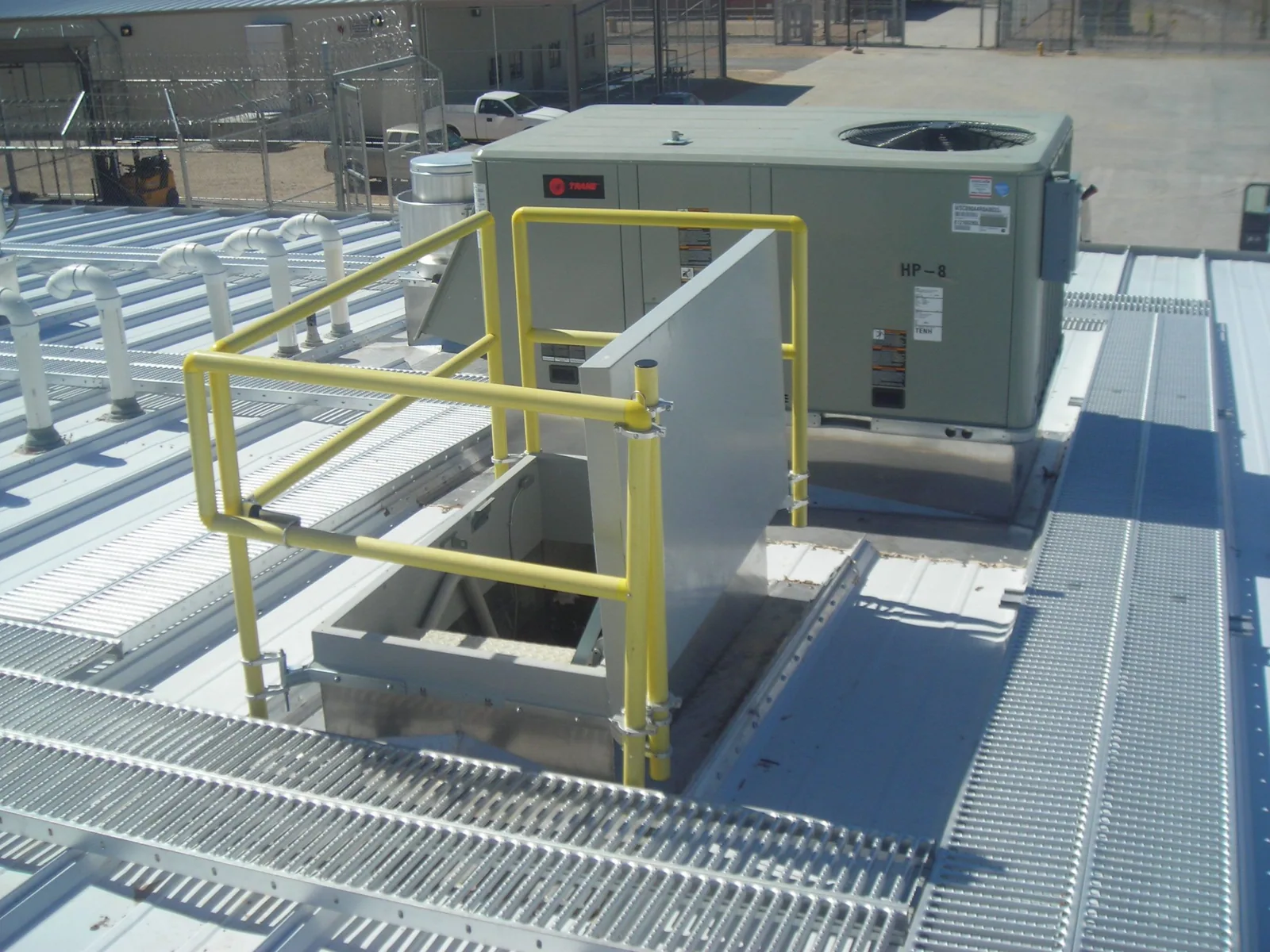
A hinged exhaust fan needs space to open without tearing its connection to the roof. Service work can damage a flexible joint, pull at flashing or leave the fan sitting differently on its curb. We inspect accessible movement, support and clearance with the equipment contractor where needed. A fresh sealant line may hide that mechanical conflict instead of correcting it. The remedy must allow the required movement while maintaining the specified weather protection.
A dropped tool or grease container can also puncture membrane away from the fan. Service routes and collection areas are examined for damage and debris. Exhaust curb correction may involve lifting or isolation that cannot occur during active cooking. The operator identifies an appropriate window and the contractor responsible for equipment handling. Roof photographs show the condition before and after the junction is corrected, with any mechanical item left unresolved identified clearly.
Dining Districts and Shared Commercial Roofs
Sugar Land Town Square combines retail with office and hotel use. A restaurant in a mixed-use property can therefore share delivery routes or engineering systems with occupants whose hours differ from kitchen service. We establish the actual connections and access rules for the business being assessed. The address does not identify the membrane, roof height or equipment condition. Those findings come from the building and its records.
Cinco Ranch includes LaCenterra, a commercial center with dining and shopping. The same operating questions apply to a restaurant there, while the permitting authority follows its location. A shared shopping center roof needs unit numbers and equipment ownership on the working drawing. A grocery kitchen can have a different food-handling and refrigeration arrangement. Roof work is planned for the particular operator rather than a presumed restaurant schedule. A restaurant roof in South Houston needs its own exhaust, drainage and occupied-space assessment.
Related Roofing Pages
PVC Commercial Roofing
How the work is scoped, documented and phased on occupied Sugar Land buildings.
Rooftop Equipment Curbs and Supports
What we check on the roof, what we recommend and how the crew keeps the building open.

Cinco Ranch
Conditions, options and next steps for commercial buildings in Fort Bend County.
The Exhaust Area and Water Path Explained
Call for an assessment with photos and clear repair choices. We will explain the roof and equipment findings so you can brief the owner without technical shorthand.
Call 555-555-5555 or email [email protected].
Commercial Roofing Questions
Straight answers to the questions building owners and managers ask us most often.
Can the roof be patched before the exhaust tray is corrected?
An urgent opening may need temporary protection, but continuing deposits can undermine a permanent repair. The collection and membrane work are coordinated. We explain which equipment correction is needed before suitable material can be installed.
Does grease staining prove the membrane has failed?
It records an exposure, not its effect on the assembly. We inspect material condition and compare the identified residue with product guidance. Removal or repair follows the confirmed suitability of the surrounding surface.
Why does a fan service visit sometimes precede a new leak?
Movement, handling damage or changed drainage may contribute, but timing alone does not prove responsibility. The fan junction, service route and roof findings are compared. Photographs help distinguish an observed change from speculation.
Can a lunch closure fit the full repair?
The available window must include access, equipment isolation, preparation and closure. A limited exterior repair may fit, while removal or fan lifting may need longer. The scope is defined before kitchen operation is altered.
What should the manager report about a dry-weather drip?
Its timing, location and relation to cleaning, cooking and equipment operation. Retained rainwater and condensation remain possible as well. Those observations guide the inspection without settling the cause on their own.
Rain, Wash Water and Concealed Moisture
Water beneath an exhaust area may come from rainfall, equipment drainage or service cleaning. Interior timing is compared with those activities and the accessible roof detail. Humid kitchen air may also contribute to condensation where enclosure gaps allow it to reach colder surfaces. That possibility needs temperature and air-path evidence, not merely a drip during dry weather. We keep the potential mechanisms separate until the findings support a correction.
Survey indications help select physical examination locations. A thermal pattern can reflect heat from equipment or assembly differences, so it cannot be interpreted as confirmed saturation alone. Authorized samples expose local layers and moisture, with clean handling and immediate closure arranged first. The broader repair boundary considers those results alongside the membrane defects and remaining substrate. Deteriorated board is not restored by sealing the surface above it.
Curbs, Collection Trays and Runoff
Equipment bases and collection trays must leave a usable path for rainwater. Where water remains after cleaning an outlet, the surface level and outlet elevation need measurement. Debris washed from equipment can also collect beneath a strainer. We inspect the outlet and surrounding sheet before proposing a drainage alteration. Downstream piping or supporting geometry may need additional review.
Coating requires a suitable cleaned substrate, compatible product and adhesion evidence. Ponding limitations must be checked for that product rather than assumed from its chemistry. Recover adds questions about retained layers, load and attachment as well as the height left at curbs. Replacement may permit broader correction but creates more exposure above the kitchen. The repair comparison explains those consequences and any equipment work necessary to make the roof method practical.
How a Roof Project Runs
Every roof we take on moves through the same six steps:
01
Roof Walk
We walk the whole roof and photograph the membrane, seams, flashings, drains and equipment.
02
Moisture Check
Readings and core cuts show what is wet below the surface before anyone prices a repair.
03
Written Findings
You get plain-language findings, photos and the options that fit the roof.
04
Scope and Price
One written scope covers the system, the details, drainage changes and the price.
05
Scheduled Work
Crews work around tenants, deliveries and weather, closing the roof every night.
06
Closeout
We walk the finished roof with you and hand over photos and warranty paperwork.
Service Windows and Safe Roof Closure
A gap between meal services may not be long enough for removal, equipment isolation and permanent closure. We define the actual task before accepting the proposed work window. The operator reviews any effect on ventilation, food preparation and receiving access. Noisy or dusty steps may require a closed kitchen zone even where dining remains open. Forecast changes can shorten the intended phase or delay opening.
Temporary protection is distinguished from the final repair, including conditions needed for a return visit. Emergency response remains available late at night and during holidays, with safe approach and feasible protection assessed for the building. Completion photographs identify materials and corrected details rather than merely a clean-looking roof. Cost is affected by contaminated layers, fan handling, tight access and food-protection measures. We explain those drivers in terms the manager can use when discussing the scope with the owner.
Restaurant roofs can have exhaust, make-up air, grease residue and refrigeration lines close together. We inspect the actual curb and membrane before deciding whether the leak is roofing, condensate or equipment-related. Where grease or heat affects the surface, preparation and compatible materials become part of the repair scope. Work hours are agreed with management so a roof opening does not interfere with kitchen operation or deliveries. At completion, the record shows which flashing and field details were addressed and which mechanical adjustment remains with the equipment provider.