
Grocery Store Roofing
Condensate released beside rooftop refrigeration equipment can resemble a roof leak when it finds an opening in the surrounding detail. Repairing the membrane may be necessary, but the equipment water path also needs attention. On a grocery store in Sugar Land, TX, we inspect drainage from the unit and weather sealing around it as separate parts of the problem. The symptom is compared with refrigeration operation and rainfall. That gives the manager a clear explanation before food handling or equipment access is interrupted.
Condensate Lines and Roof Openings
A disconnected pipe, blocked pan or unsuitable discharge can put water onto material that was not intended to receive it continuously. We follow the accessible equipment drainage and identify where it reaches the roof. Flashing at the curb and nearby membrane are checked for openings or deterioration. The mechanical contractor reviews equipment faults and any proposed change to the discharge. Roofing work then addresses the confirmed weather-protection defect rather than being expected to repair the appliance.
Refrigeration lines also need suitable support and movement allowances. A pipe pressing against flashing can damage an otherwise compatible detail. The refrigeration support arrangement is reviewed with the actual equipment information and accessible structure. Adding a larger condenser may change load and service access even if the old footprint is reused. The manager receives the support and membrane questions separately, so the scope can be coordinated with the appropriate trades.
Bakery and Deli Exhaust Exposure
A grocery kitchen can deposit residue near exhaust outlets, with exposure that differs from refrigeration water. The substance and its temperature, concentration and duration matter to material suitability. We examine visible deposits and ask the operator what reaches the membrane. Product-specific guidance is checked before a patch, coating or replacement sheet is selected. No membrane family should be treated as universally resistant to every cooking or cleaning substance.
A restaurant roof shares some of these questions, but a grocery can combine several different operating zones. Collection or exhaust correction may be needed before the roof surface is repaired. Preparation tests assess the sampled substrate rather than proving future resistance to all deposits. Where contaminated material is unsuitable, removal limits are established from its actual extent. The work explanation identifies what corrects the residue path and what restores the roof detail.
Market Routes and Store-Specific Conditions
Sienna includes H-E-B Sienna Market Place and Kroger retail activity. Those named uses provide grocery context but do not identify roof materials or refrigeration arrangements at a particular store. We inspect the actual outlets, curbs and access routes. Delivery and customer traffic are discussed with the operator before a lift or material truck is scheduled. Equipment inventory and operating limits come from the facility being assessed.
At First Colony, the wider retail setting includes enclosed and open-air shopping. A grocery task in a mixed retail property may share parking, loading or waste routes with other businesses. The affected access is recorded directly rather than assumed from the center layout. A supercenter sales floor can introduce additional merchandise and occupancy restrictions. The roof work area follows those actual uses without turning the building's floor area into an estimate of membrane area.
Related Roofing Pages
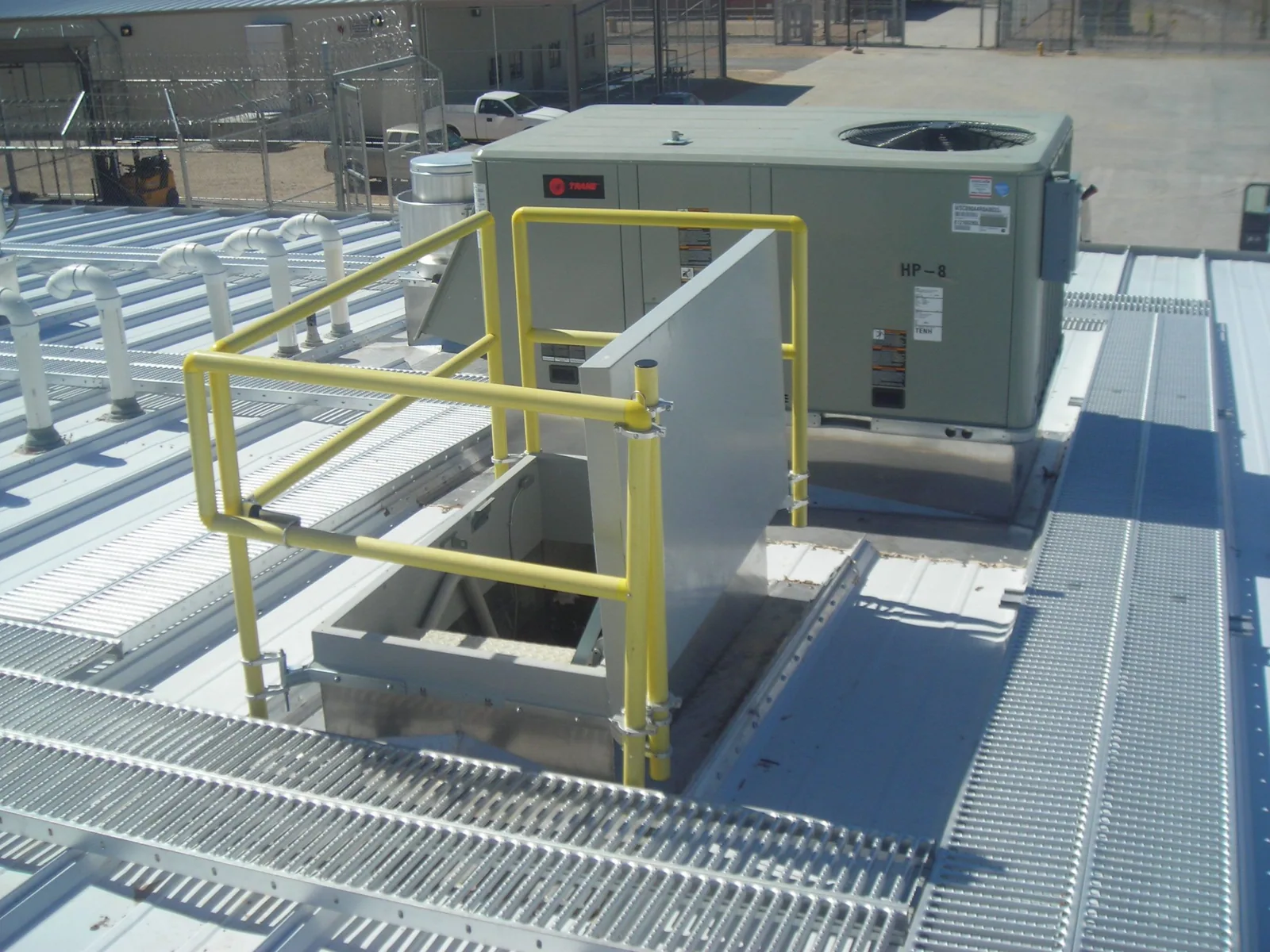
Rooftop Equipment Curbs and Supports
How the work is scoped, documented and phased on occupied Sugar Land buildings.

Restaurant Roofing
What we check on the roof, what we recommend and how the crew keeps the building open.
Sienna
Conditions, options and next steps for commercial buildings in Fort Bend County.
A Clear Account of Water Above the Store
Schedule an inspection with photos of refrigeration drainage, roof defects and repair limits. We will explain the findings so you can brief the owner and store operator.
Call 555-555-5555 or email [email protected].
Commercial Roofing Questions
Straight answers to the questions building owners and managers ask us most often.
Can a refrigeration drip be corrected only with a roof patch?
The equipment discharge and membrane opening need separate assessment. A patch may restore weather protection while a pipe or pan still releases water. The coordinated scope identifies both corrections where the findings support them.
Does deli grease make PVC the automatic replacement choice?
The exact product and actual residue must be compared. Exposure temperature, concentration and duration affect suitability. We use product-specific guidance instead of assigning universal resistance to PVC or any other membrane family.
How are food areas protected during a core sample?
The operator approves the location, contamination controls and working window before cutting. The opening receives a compatible immediate closure. Sampling can be moved or deferred where the room below cannot be protected appropriately.
Why check drains after refrigeration service?
New pads, discarded material or changed piping can alter runoff or block an outlet. Comparing the service area with earlier photos helps identify those changes. A clean drainage path is checked directly, not inferred from the equipment's condition.
Will every department need to close during roof repair?
Restrictions follow the specific work and exposure below. Some surface repairs need a small controlled zone, while removal or equipment lifting may require a larger closure. The operator approves the affected departments before work is scheduled.
Retained Water and Cold Interior Zones
A delayed drip above refrigerated space deserves investigation of rain entry, equipment drainage and enclosure conditions. Humid air can produce condensation where it reaches a cold enough surface, but the presence of cooling does not establish that mechanism. Air paths, layer arrangement and operating conditions affect whether moisture accumulates. We record timing and accessible defects before deciding which test is useful. A patch is not presented as a complete remedy where the water mechanism remains uncertain.
Survey indications are related to selected physical checks. Thermal differences may reflect cooling or material variation rather than wet insulation alone. Cores show the layers and moisture at authorized locations, with contamination controls and immediate closure arranged beforehand. The broader readings help establish where further examination is needed. Confirmed deteriorated board requires its own correction, even if the surface opening is small. The owner can then distinguish a local membrane repair from a larger assembly problem.
Equipment Pads and Drainage Capacity
Support pads and service paths can interrupt surface runoff if they are placed without considering drainage. Debris near units may also migrate into outlets during heavy rainfall. We inspect the drain bowl, overflow provisions and levels surrounding any repeated pool. A water ring establishes where water stood, not whether the drain was undersized. Plumbing or supporting conditions may require review before a drainage change is proposed.
Cleaning is appropriate for an obstruction; raised surface geometry or downstream restrictions need a different correction. Proposed insulation changes must preserve suitable flashing heights and an approved load and attachment arrangement. Recover cannot be chosen only because the existing surface looks intact. Coating likewise requires compatible preparation and suitable layers below. The repair comparison explains how each option addresses the observed defect and what additional design questions remain.
How a Roof Project Runs
Every roof we take on moves through the same six steps:
01
Roof Walk
We walk the whole roof and photograph the membrane, seams, flashings, drains and equipment.
02
Moisture Check
Readings and core cuts show what is wet below the surface before anyone prices a repair.
03
Written Findings
You get plain-language findings, photos and the options that fit the roof.
04
Scope and Price
One written scope covers the system, the details, drainage changes and the price.
05
Scheduled Work
Crews work around tenants, deliveries and weather, closing the roof every night.
06
Closeout
We walk the finished roof with you and hand over photos and warranty paperwork.
Food Protection and Equipment Isolation
Roof removal above food operations requires the operator's protection plan. Stock, food preparation and refrigeration controls may need separation from overhead activity. The equipment contractor identifies isolation or lifting procedures for the affected unit. We plan a working area that fits those controls and the available closure period. A store can remain open while particular departments or receiving routes are restricted.
The forecast and condition uncovered during work can change that phase. Unexpected damage is assessed before the opening expands, and temporary tie-ins are checked at closure. Emergency response is available overnight and on holidays, with safe approach and practical protection evaluated for the situation. Permanent repair follows the conditions required by the selected material. Cost drivers include equipment coordination, contaminated layers, damaged support and food-protection measures, each explained beside the physical finding.
Grocery roofing requires care around refrigeration equipment, food preparation and deliveries. We agree on an access period with store management and identify air intakes, walk-in systems and occupied areas below the planned work. A roof opening is sized to the closure method and forecast, with debris controlled away from food or customer areas. If water has affected a cooler ceiling or equipment connection, those findings are recorded separately from the membrane repair. This gives the operator a clear sequence for roofing, refrigeration and interior cleanup.