
Big-Box Retail Roofing
Repeated equipment service can wear a narrow path across a retail roof while the surrounding sheet still looks sound. A dropped tool, compressed board or damaged flashing can then admit water above shelving far below. For big-box retail in Sugar Land, TX, we inspect those service routes as physical wear locations rather than judge condition from the broad surface alone. The interior report is compared with the equipment path and accessible layers. That gives the manager a repair explanation connected to the actual defect.
Walk Routes and Local Material Damage
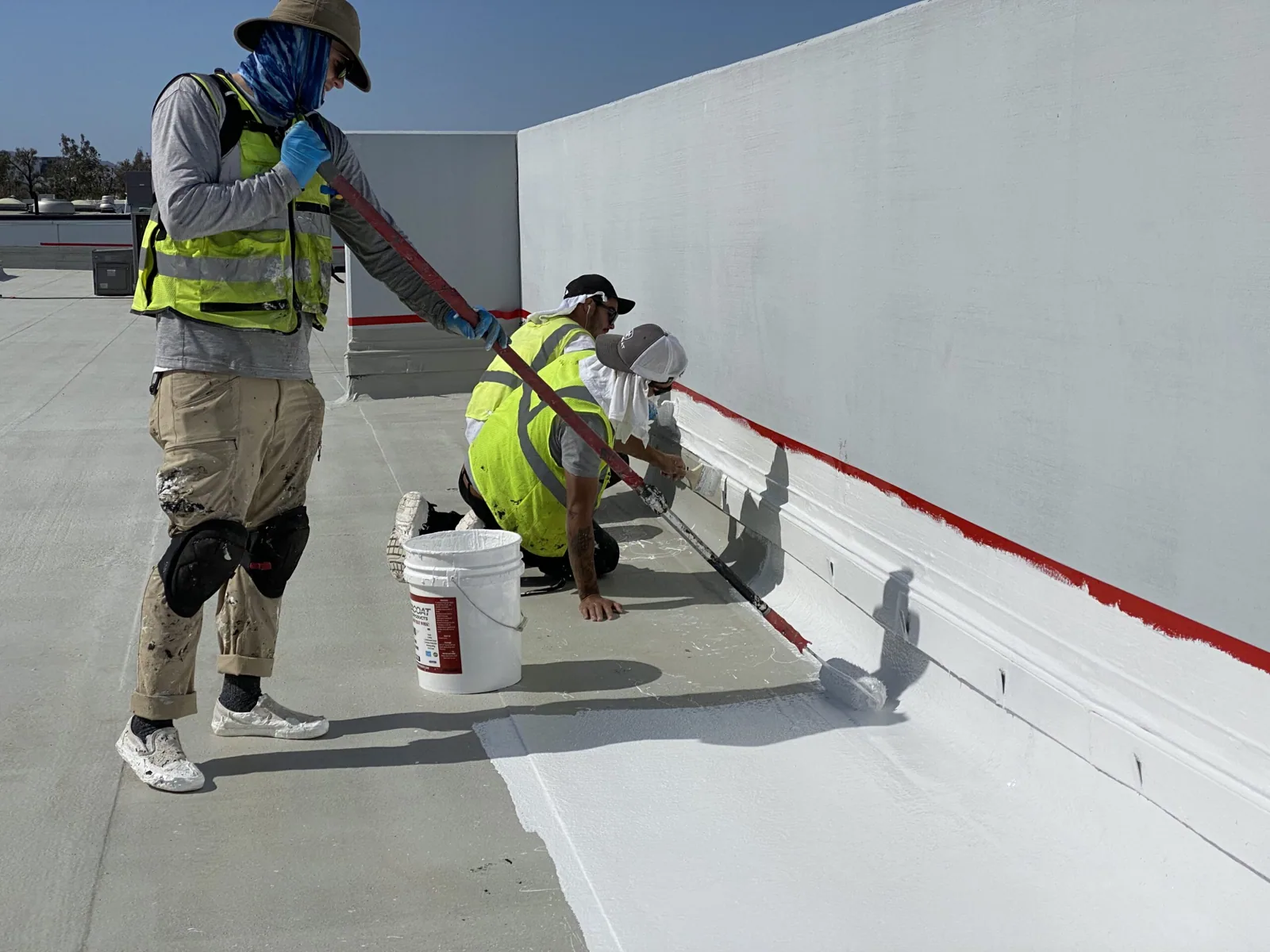
Technicians tend to travel between the access hatch and the same units. The membrane along that route may show scuffing, punctures or damaged patches before less-traveled areas do. We identify the route and examine surrounding details, including places where service equipment was dragged or stored. A soft area requires access restriction and investigation rather than another walkway pad over it. The support and board condition must be understood before new protection is installed.
Compatible walkway material can protect suitable surfaces without obstructing runoff. It does not strengthen damaged framing or restore saturated board. Maintenance of service routes includes recording new damage after equipment changes and removing loose debris safely. The store manager can coordinate with the service contractor where practices need correction. A completed patch is photographed with its location so later inspection can distinguish fresh damage from the repaired area.
Shelving, Sales Floors and Interior Symptoms
A tall retail interior can make a drip difficult to trace from the sales floor. Water may follow deck joints or supporting members before it reaches shelving. We compare the reported location with the roof layout and record the symptom's timing. Equipment drainage, rain entry and retained water remain separate possibilities. A ceiling mark does not by itself establish which unit or seam caused it.
The operator identifies merchandise, electrical displays and receiving areas needing protection. Some repairs can be limited to the roof surface, while removal above exposed goods may require relocation or a restricted aisle. A grocery department can add refrigeration and food-handling constraints that differ from general retail. An adjoining shopping center tenancy may share access or drainage without sharing the store's operating plan. Those boundaries are recorded before the work zone is approved.
Retail Corridors and Measured Roof Boundaries
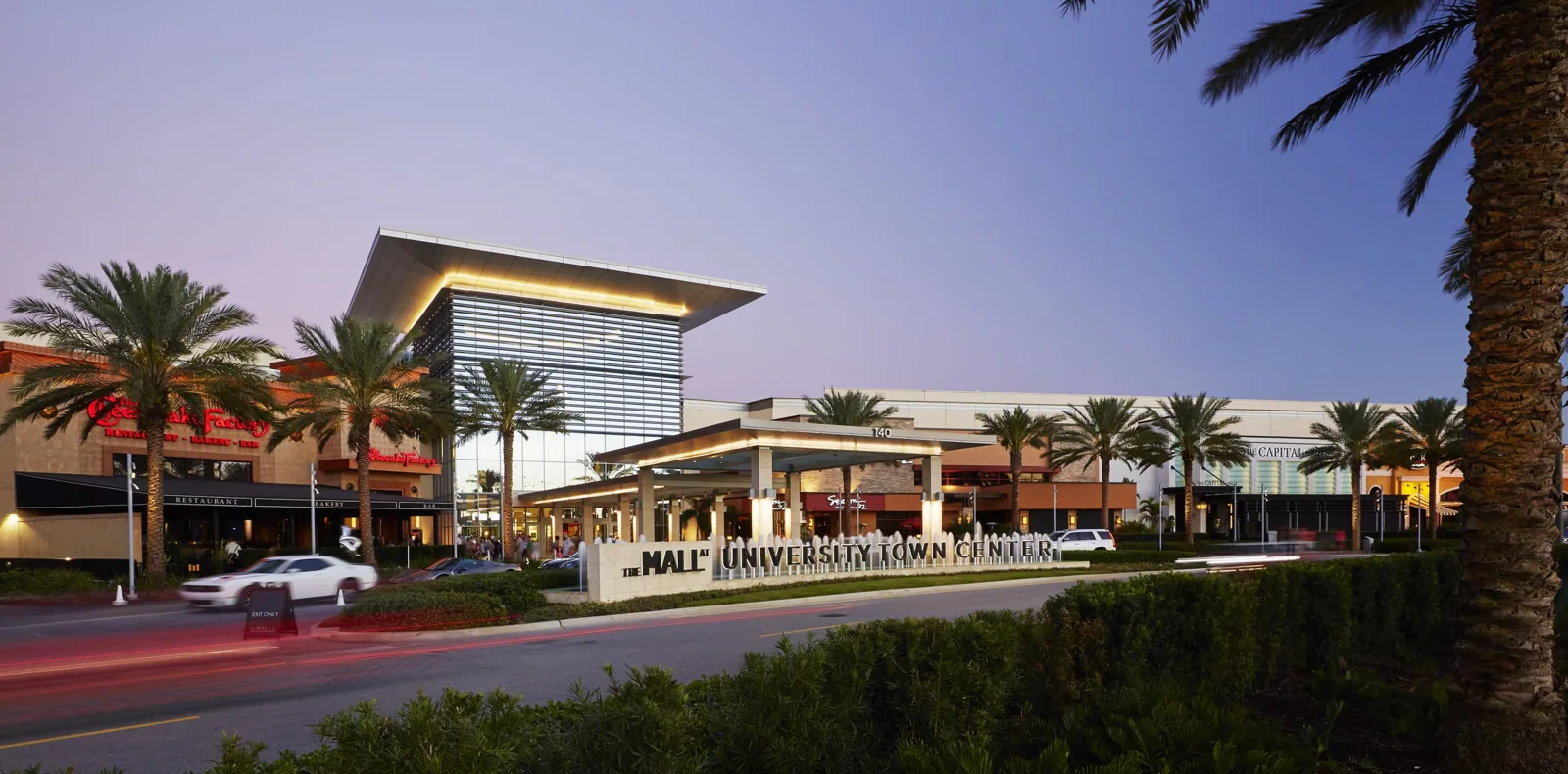
First Colony Mall sits south of US 59 and SH 6 and includes several major stores. That retail context establishes use and access questions, not the membrane on an individual store. We measure the actual roof sections and identify their outlets, equipment and separation details. Floor area is not substituted for roof area. Where a store joins another building, accessible movement and flashing details deserve their own examination.
First Colony includes enclosed and open-air retail settings with different customer routes. Pearland adds the Pearland Town Center and Shadow Creek Town Center to the regional retail inventory. Neither location implies identical roof construction. The manager supplies delivery windows and entrances that need protection for the particular property. Jurisdiction and applicable requirements are checked by address before larger assembly work is designed.
Related Roofing Pages
Preventive Roof Maintenance
How the work is scoped, documented and phased on occupied Sugar Land buildings.
Grocery Store Roofing
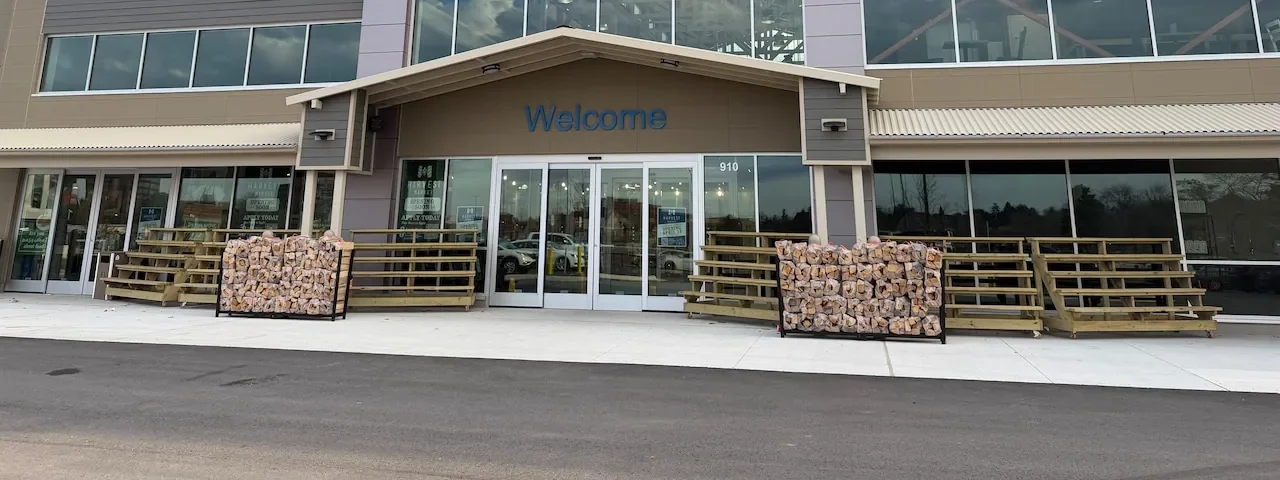
What we check on the roof, what we recommend and how the crew keeps the building open.
Shopping Center Roofing
Conditions, options and next steps for commercial buildings in Fort Bend County.
The Retail Roof Problem Shown in Photos
Call for a clear assessment of service wear, water and repair choices. We will explain the findings and store restrictions so you can brief the owner.
Call 555-555-5555 or email [email protected].
Commercial Roofing Questions
Straight answers to the questions building owners and managers ask us most often.
Do walkway pads prevent every service-related leak?
They protect suitable routes but cannot prevent dropped tools or correct damaged board. Pads also need compatible attachment and clear drainage. We inspect the material below before proposing additional route protection.
Can a stock aisle remain open below tear-off?
The operator reviews exposure and protection for the actual task. Some phases require merchandise movement or an aisle restriction. Keeping the store open does not mean removal is suitable above unprotected customers or goods.
Why measure roof area instead of using the store's floor plan?
Building floor area may include several levels or spaces not represented by one roof surface. Actual roof boundaries, slopes and additions need measurement. Those dimensions support the repair scope and material quantities.
Does one wet sample mean the entire retail roof is saturated?
It confirms conditions at the sampled point. The wider survey and additional evidence establish extent. We identify untested areas and avoid assigning a removal boundary from a single cut alone.
What must receiving staff know before a roofing delivery?
The approved truck route, staging area, timing and any temporary restriction on dock access. Staff also need the contact for changes caused by weather or equipment work. Coordination keeps delivery access connected to the active roof phase.
Surface Appearance and Concealed Layers
A membrane that looks clean can cover insulation affected by an earlier opening. We use appropriate measurements to identify investigation locations and compare thermal observations under suitable conditions. Physical samples, where approved, establish layer arrangement and moisture at those points. Results are considered alongside wider readings rather than stretched across untested sections. The report explains the coverage and where further access would be needed.
Hot outdoor conditions and a cooled interior can make air leakage relevant, but humidity alone cannot diagnose condensation. Mechanical condensate and retained rainfall can also produce delayed symptoms. We examine those mechanisms against equipment operation and accessible enclosure connections. A surface repair corrects an identified opening; another trade or assembly detail may be needed for a separate moisture path. This distinction keeps the owner from treating one patch as a remedy for every possible cause.
Outlets, Restoration and Replacement Choices
Water marks near an outlet are compared with the surrounding levels and discharge arrangement. A clear strainer does not establish suitable drain elevation or capacity. Equipment pads can also interrupt the path water should take. Before drainage-related roof correction, the actual cause is assessed and design input obtained where needed. Altering surface slope cannot be assumed to repair a supporting defect.
Localized repair needs compatible material and suitable underlying construction. Coating requires preparation and adhesion evidence, while recover requires layer, weight and attachment review. Wider damaged insulation or deteriorated support can increase the required removal. Replacement may provide an opportunity to correct details, but also increases exposure above merchandise. The manager receives a comparison stating the physical work each option accomplishes and the operating restrictions it creates.
How a Roof Project Runs
Every roof we take on moves through the same six steps:
01
Roof Walk
We walk the whole roof and photograph the membrane, seams, flashings, drains and equipment.
02
Moisture Check
Readings and core cuts show what is wet below the surface before anyone prices a repair.
03
Written Findings
You get plain-language findings, photos and the options that fit the roof.
04
Scope and Price
One written scope covers the system, the details, drainage changes and the price.
05
Scheduled Work
Crews work around tenants, deliveries and weather, closing the roof every night.
06
Closeout
We walk the finished roof with you and hand over photos and warranty paperwork.
Delivery Windows and End-of-Shift Protection
A retail work phase must account for customer movement and truck receiving at the same time. The operator approves material routes, lift locations and any affected entrance or aisle. Noise, dust and intake controls are matched to the method being used. Daily removal is limited by weather and the time needed for a practical closure. An unexpected deck finding is reported before the task expands beyond the planned protected zone.
After each phase, corrected details and temporary tie-ins are photographed. Outstanding mechanical or support work is identified so it does not disappear into a general completion statement. Emergency calls are accepted at any hour, including holiday trading periods, with safe access and possible protection assessed immediately. Repair cost follows damaged layers, equipment movement, restricted access and the required details. Those drivers are explained to the owner beside the inspection findings rather than hidden in a broad surface-area assumption.
Large retail roofs can include long drainage paths, multiple rooftop units and receiving doors that stay active through much of the day. We break the assessment into identifiable sections and trace each low area to its actual outlet. The property contact confirms lift placement, customer protection and delivery windows before work starts. If a leak appears near merchandise or a checkout area, interior protection is planned while the roof source is investigated. The report lists confirmed repairs and open questions by area instead of presenting one store-wide condition without evidence.