
Holcim Elevate Roofing
A loose perimeter connection allows the roof sheet to move against its edge detail during wind exposure. That movement can damage the connection and leave a rain path after the initial displacement. On a Holcim Elevate roof in Sugar Land, TX, we examine the sheet, perimeter fastening and supporting construction together. The photographs identify the affected length and any adjacent detail requiring examination. The owner can then distinguish a repairable edge defect from a wider attachment problem.
Perimeter Connection and Supporting Construction
Bent metal is a visible finding, but its supporting fasteners and substrate determine the practical repair. We examine accessible attachment points and the sheet beneath the perimeter piece. Corrosion, loosened connections or damaged blocking can prevent a simple replacement piece from performing as intended. The scope identifies which components can remain and which require correction. Any design question is addressed for the actual building and proposed assembly.
Nearby wall terminations and corners are examined because movement can extend beyond the most obvious damage. A temporary cover may reduce immediate entry without restoring the full connection. Perimeter metal and coping work follows measured geometry and the project requirements. The completed detail must also drain water without directing it into a concealed opening. We show the manager the connection rather than describing new metal as a complete repair by itself.
EPDM, Thermoplastic and Bituminous Assemblies
Holcim Elevate's roofing range includes EPDM, TPO, PVC or KEE, bituminous and metal systems. Identification matters because a perimeter repair must connect to the actual roof material. Membrane markings, records and accessible layers are examined before an accessory is selected. A prior patch can obscure the original sheet or introduce another material. The permanent correction is based on the exposed product and suitable preparation.
The surrounding construction can include insulation, cover board and multiple attachment layers. Each contributes to the assembly's performance, even though the surface receives the most attention. Comparisons with Carlisle membrane choices or Johns Manville assemblies are useful only when those components and conditions are compared too. We explain the differences that affect installation or future maintenance. The manager receives a practical option assessment rather than a list of brand names.
The system name should be tied to the exact roof area being repaired. One property can contain an EPDM section, a thermoplastic addition and an older bituminous assembly, each with separate transitions. We note the visible field material, edge condition, attachment evidence and records for every area. A repair at their shared wall must connect to the correct side and preserve the movement detail. Clear area references prevent accessories selected for one assembly from being carried over to another by mistake.
The work plan identifies where materials are staged and how removed layers leave the building. Those details matter when a property remains occupied or shares access with deliveries. Daily limits are set by the forecast, substrate condition and available protection. The closeout record then ties the installed repair to the location and leaves any separate equipment or drainage work visible for coordination.
Storm Findings and Property-Level Evidence
Beryl reached the Texas coast near Matagorda in July 2024 and caused extensive regional outages. For a Sugar Land property, that event provides a reason to examine displaced components and water paths directly. The roof photographs and accessible construction establish the damage found at that building. Regional storm descriptions do not substitute for its attachment assessment. We retain separate records of the condition before temporary protection and the completed correction.
The Town Square commercial setting includes offices, retail and hotel uses that can require different work periods. Access through the US 59 corridor and occupied entrances is coordinated with the property's operating plan. Materials and removed components need a controlled route past pedestrians and vehicles. We establish that route before a perimeter opening begins. The daily work area is set by the construction that can be protected under the actual forecast. For a different facility in South Houston, identify the actual product and roof area before comparing details.
Related Roofing Pages
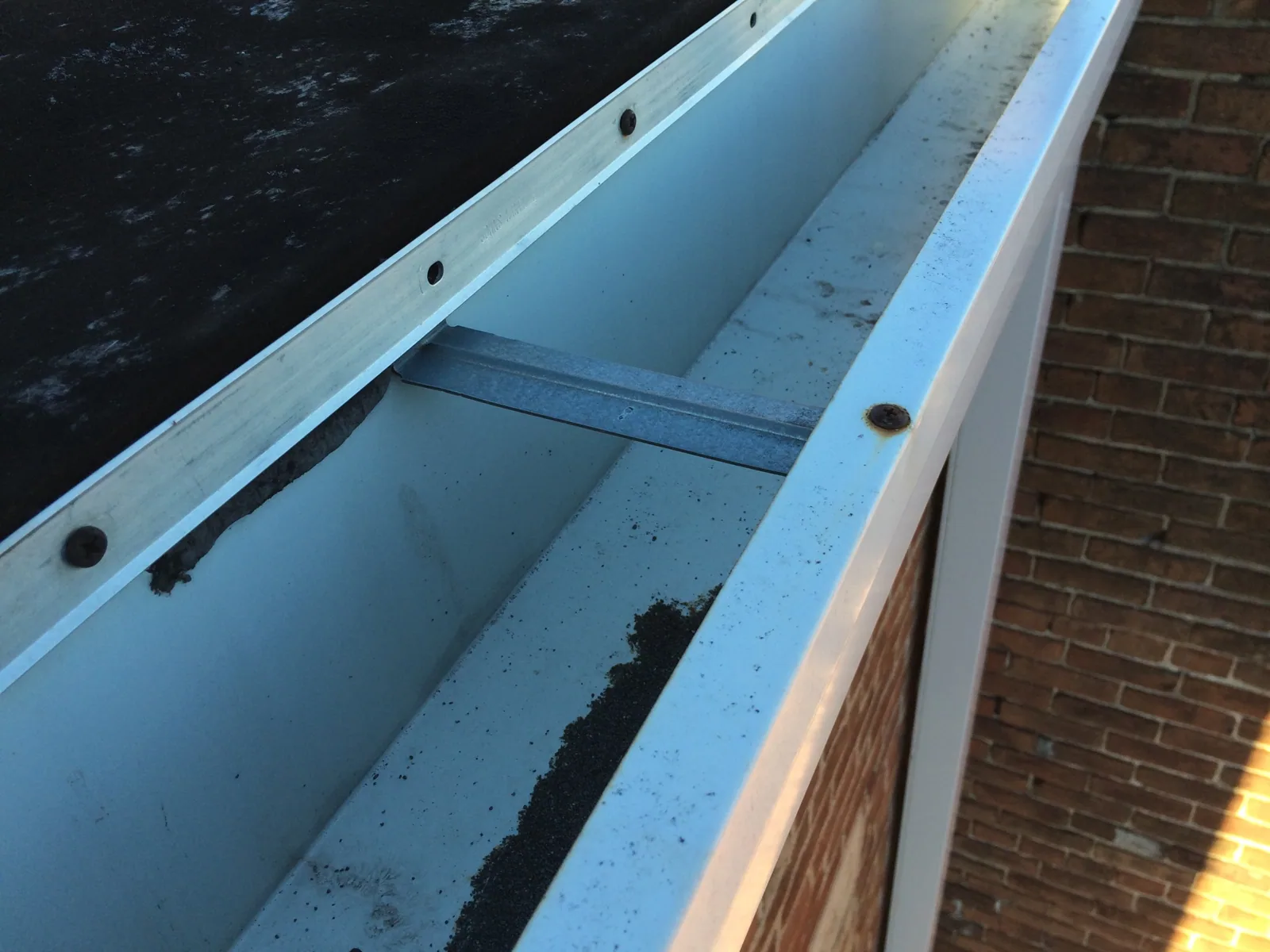
Edge Metal, Coping and Gutters
How the work is scoped, documented and phased on occupied Sugar Land buildings.
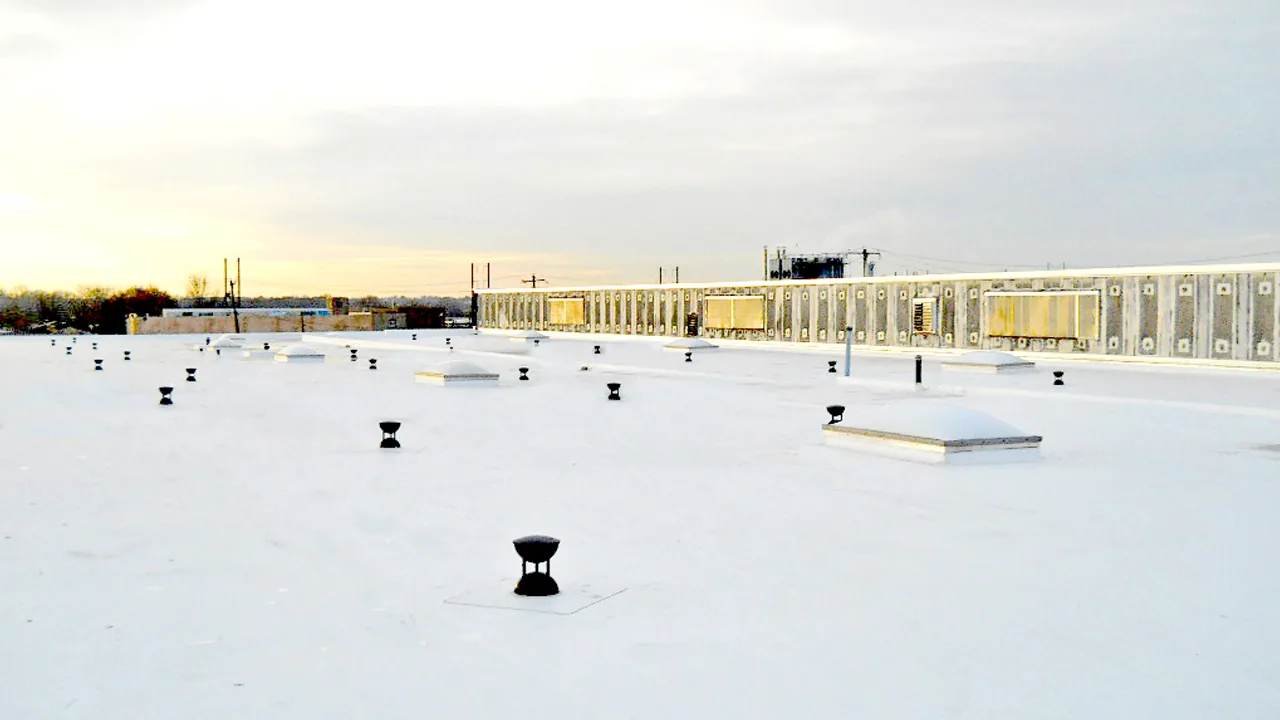
Carlisle SynTec Roofing
What we check on the roof, what we recommend and how the crew keeps the building open.
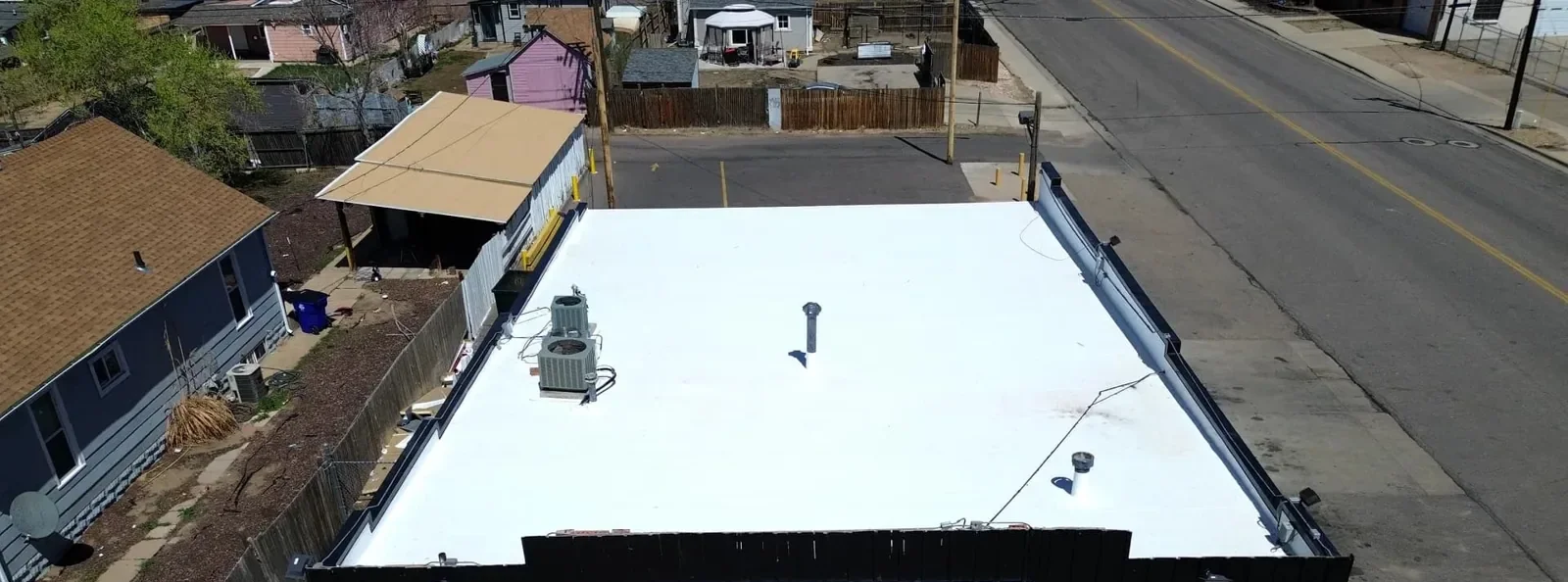
Johns Manville Roofing
Conditions, options and next steps for commercial buildings in Fort Bend County.
Measured Findings for Holcim Elevate Roofing
Call for a clear explanation of the sheet, perimeter and retained construction. We will show the repair choices in photos you can use to brief the owner.
Call 555-555-5555 or email [email protected].
Commercial Roofing Questions
Straight answers to the questions building owners and managers ask us most often.
Why inspect support behind displaced perimeter metal?
New metal needs a suitable connection beneath it. Damaged blocking, fasteners or adjacent membrane can keep the repaired edge vulnerable. We assess those components before defining the permanent detail.
Does a storm history establish our roof's required attachment?
Attachment requirements are evaluated for the specific project and assembly. Storm findings show actual condition and damage. They cannot replace the applicable design assessment.
Can the same patch be used across Holcim Elevate membrane families?
Product identification controls the suitable connection. EPDM and thermoplastic materials require different preparation and joining methods. We select materials for the identified sheet and detail.
How are recurring exhaust deposits included in the scope?
The discharge and proposed product guidance are examined together. A roof repair may need a separate equipment correction to stop continuing exposure. We explain both work boundaries to the manager.
What changes the boundary after an edge is opened?
Concealed moisture, deteriorated support or damaged attachment can require wider work. We photograph those findings and explain the reason before expanding removal. The new phase must still be protectable under the operating and weather conditions.
Sheet Openings and Concealed Water Extent
A perimeter opening may wet nearby board while the field sheet remains intact. We compare surface findings with selected examination points beneath the membrane. Readings and thermal patterns can help select those points, but physical evidence is needed to establish the condition of retained layers. Deteriorated support is identified separately from wet insulation. The repair boundary follows those findings rather than the visible metal damage alone.
A thermal assessment with physical confirmation can help organize a broader investigation where access and suitable conditions permit it. Interior staining is recorded against the affected room and the roof construction above. Equipment drainage and possible enclosure moisture are considered where the timing and pattern justify them. An uncertain cause remains a question for further examination. The manager receives a clear distinction between observed condition and the mechanism supported by the evidence.
Stafford Operations and Rooftop Equipment
Commercial and industrial properties in Stafford use the US 90A and US 59 corridors for building access and deliveries. At an occupied property, equipment service traffic can intersect the roofing route. We locate intake openings, discharge points and service clearances before staging material. Work beside an operating unit requires agreed controls and coordination with the responsible trade. A roof detail should remain inspectable after both roofing and equipment work are complete.
Exhaust deposits deserve a specific compatibility review instead of a general claim about chemical resistance. The substance, discharge temperature and duration of contact influence the proposed material decision. A recurring equipment discharge may need correction in addition to replacing an affected sheet. Heat aging and surface residue are assessed directly at the exposed detail. The owner sees which problem the roof material addresses and which remains an equipment or operational responsibility.
How a Roof Project Runs
Every roof we take on moves through the same six steps:
01
Roof Walk
We walk the whole roof and photograph the membrane, seams, flashings, drains and equipment.
02
Moisture Check
Readings and core cuts show what is wet below the surface before anyone prices a repair.
03
Written Findings
You get plain-language findings, photos and the options that fit the roof.
04
Scope and Price
One written scope covers the system, the details, drainage changes and the price.
05
Scheduled Work
Crews work around tenants, deliveries and weather, closing the roof every night.
06
Closeout
We walk the finished roof with you and hand over photos and warranty paperwork.
Repair Scope and Issued Warranty Requirements
Issued warranty terms can specify notice, examination and repair provisions. We review the available document before permanent alterations and identify relevant information the owner needs to retain. Coverage is not established merely because a product name appears in the scope. Completion records include the corrected detail, material and location. That evidence provides a useful baseline for the next inspection and for any separate warranty review.
A recover or replacement proposal adds questions about weight, layers, attachment and clearance at walls or curbs. The option is developed from the measured roof rather than assuming a fresh sheet resolves every underlying issue. Cost drivers include removal extent, damaged support and perimeter reconstruction. Urgent response remains available during nights, weekends and holidays, with immediate protection chosen for safe access and current conditions. The manager is told what remains temporary and what completes the permanent correction.