
Carlisle SynTec Roofing
A lifted flashing corner can admit rain beneath a Carlisle sheet while the broad membrane surface remains intact. The detail needs examination at its attachment, joint and supporting construction before a repair material is selected. For Carlisle SynTec roofing in Sugar Land, TX, we connect that visible defect with the condition of the concealed layers. Photos show the repair boundary and the reason for any wider opening. The manager receives an explanation that distinguishes a damaged detail from deterioration across the assembly.
Corners, Curbs and Termination Movement
Movement concentrates where a horizontal roof meets a wall or equipment curb. A loose termination, split corner or strained transition can leave a water path that a surface smear only hides temporarily. We examine the fastening, supporting surface and available flashing height. The proposed detail must accommodate the measured geometry and the identified membrane. That can require correction of a curb or wall component alongside the roofing work.
Repeated repair at the same junction deserves a closer examination of movement and support. Water marks may extend away from the visible opening, especially where layers allow sideways travel. We compare the interior symptom with accessible roof construction and select physical checks where needed. A leak investigation at the junction separates the likely entry path from the affected insulation. The eventual repair should address both the opening and any construction that cannot remain.
Carlisle Membrane Families and Field Identification
Carlisle SynTec offers EPDM, TPO and PVC membranes, including fleece-backed products. Those families do not use one interchangeable seam procedure. EPDM field repairs commonly rely on the specified preparation and accessory connection, while thermoplastic sheet connections use a suitable welding method. The exact product and detail instructions govern the work. We establish identification before treating an existing patch as evidence of compatibility.
Roof records can identify the original assembly, but field alterations also matter. We examine markings, exposed sheet edges and the surrounding repair materials. Portfolio comparisons with a Versico membrane assembly or Holcim Elevate roofing can help managers organize separate roof records. Each building still needs its own component identification and condition assessment. Product names alone cannot settle which accessory will form a suitable permanent connection.
Material identification also affects the repair boundary. A thermoplastic field seam is evaluated for weld continuity and sheet condition, while an EPDM connection relies on compatible preparation and bonding components. Coatings, old adhesives or a prior repair can obscure that distinction at the surface. We compare exposed markings and project records before choosing a method, then document any uncertainty that requires a small test area. The installed detail should connect to sound, compatible material rather than simply cover the visible edge of a patch.
The repair record names the identified assembly and the method used at the field connection. It also captures substrate preparation, accessory changes and areas left outside the repair. If conditions force a temporary closure, that status stays separate from final acceptance. Those details help a later technician assess whether a new symptom is related to the repair boundary or arose at another roof transition.
Business Park Access and Mixed-Use Work
Sugar Land Business Park contains warehouse, distribution and light industrial buildings. For a property there, equipment locations and delivery traffic influence access to a Carlisle roof repair. Materials need a staging position that does not interfere with loading or obstruct approved routes. Exhaust intakes and process outlets are mapped before surface preparation begins. The plan ties each work phase to the actual operating conditions in the affected building.
At Sugar Land Town Square, offices, shops and hotel activity introduce different hours and interior protection needs. A roof above occupied offices may require quieter examination periods and controlled access through shared spaces. Access from the US 59 corridor and work affecting a tenant entrance are coordinated before equipment arrives. Rooftop photographs are paired with a simple room or lease-area reference. That makes the defect understandable without requiring the manager to interpret a roof drawing unaided. A separate South Houston project needs its own inspection and compatible detail selection.
Related Roofing Pages
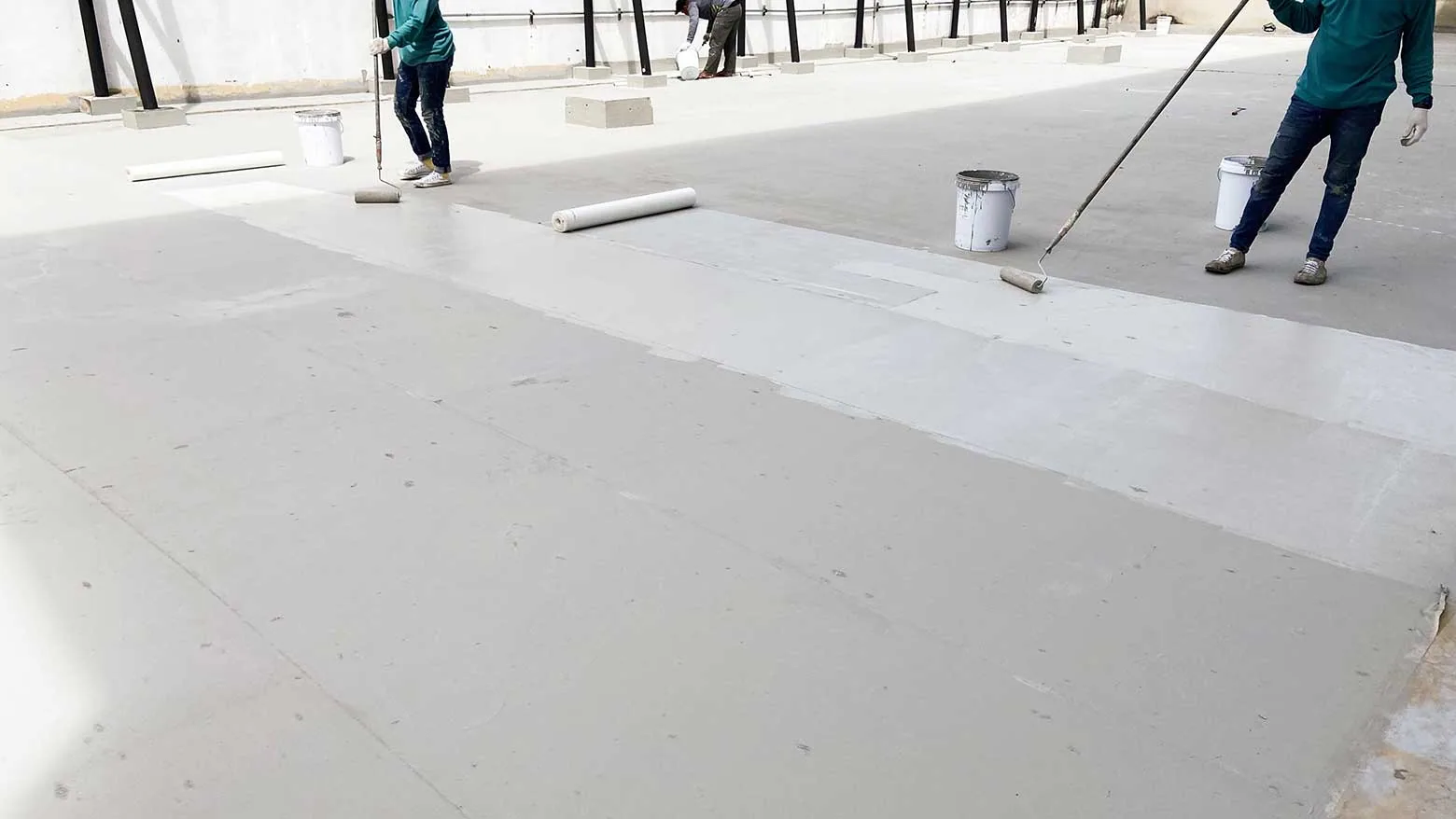
Commercial Roof Leak Repair
How the work is scoped, documented and phased on occupied Sugar Land buildings.
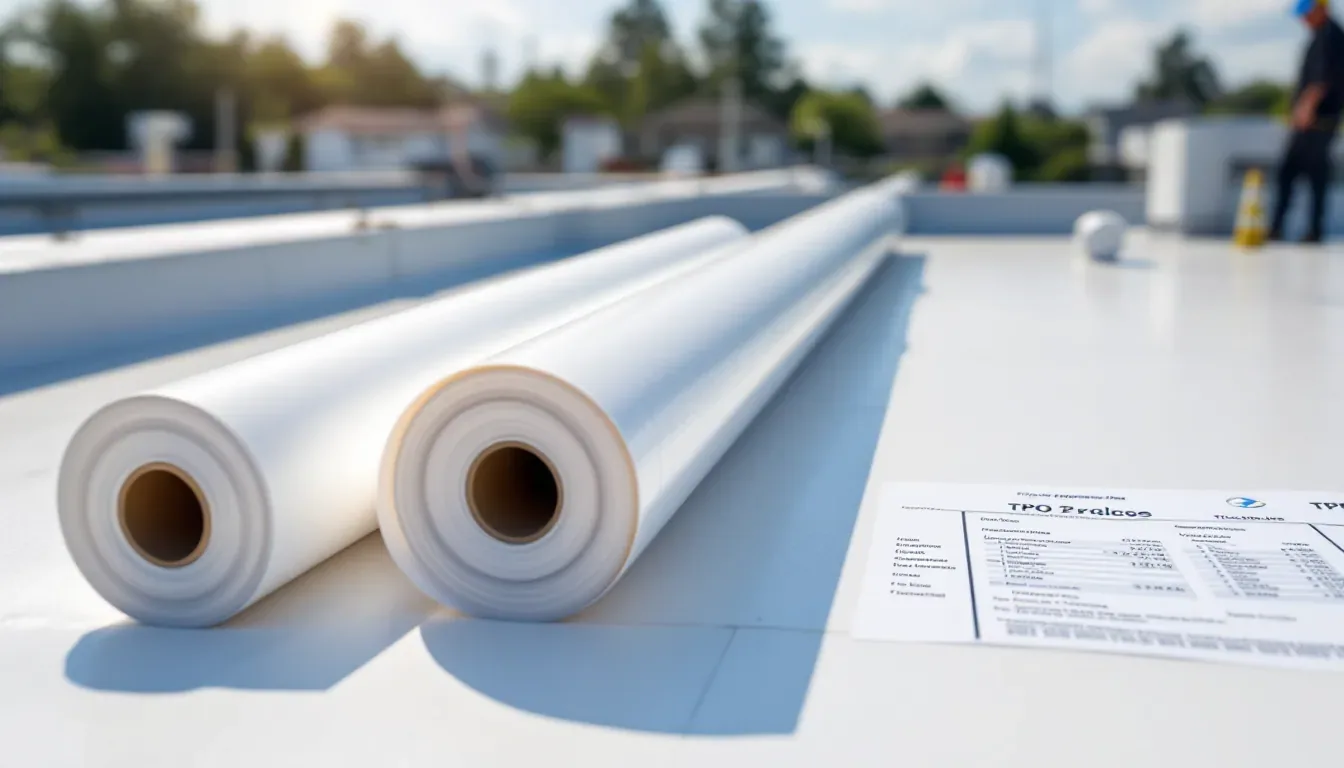
Versico Commercial Roofing
What we check on the roof, what we recommend and how the crew keeps the building open.
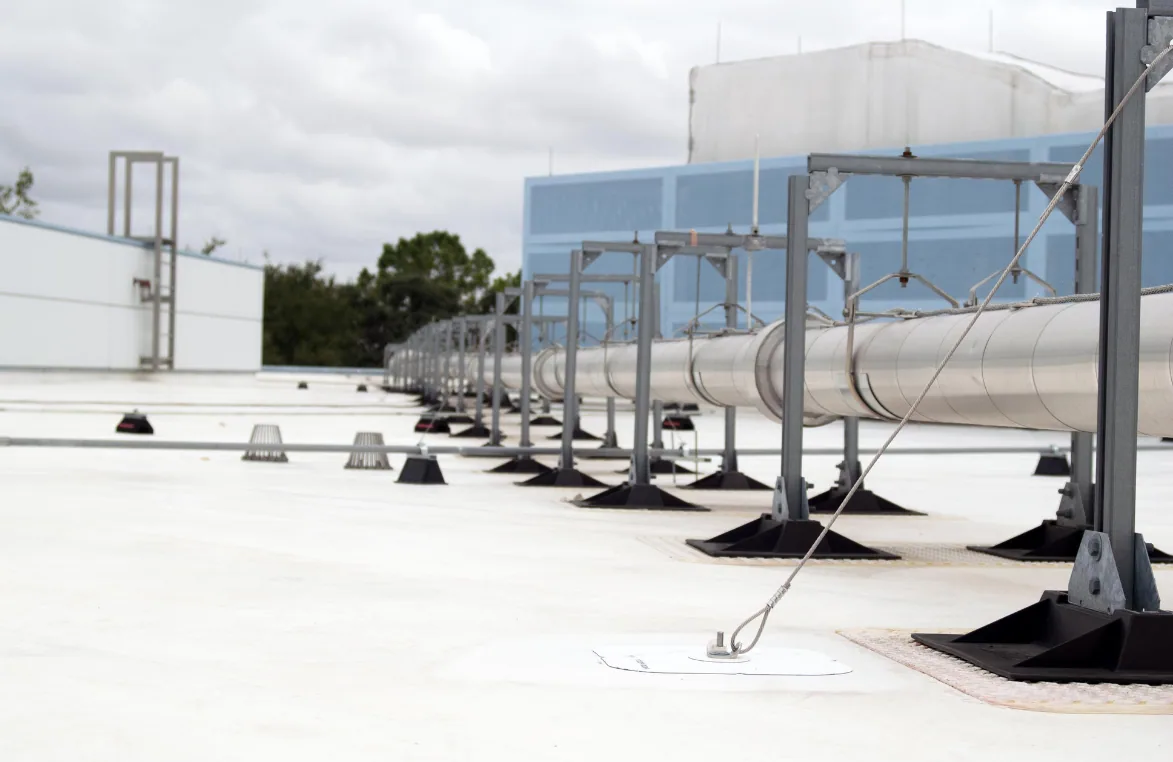
Holcim Elevate Roofing
Conditions, options and next steps for commercial buildings in Fort Bend County.
Clear Findings for Your Carlisle Assembly
Call for a measured assessment of the membrane, junctions and concealed layers. We will explain the photos and practical repair choices for your owner briefing.
Call 555-555-5555 or email [email protected].
Commercial Roofing Questions
Straight answers to the questions building owners and managers ask us most often.
Can an EPDM repair procedure be used on a Carlisle TPO roof?
Those membrane families require different connections and preparation. We identify the sheet and select the specified repair method. A patch that appears attached is insufficient evidence of a suitable permanent detail.
What changes the scope at a damaged curb corner?
Support, movement, flashing height and moisture beneath the corner affect the correction. A local accessory repair may be enough where the surrounding construction remains sound. Deteriorated layers or a deficient curb need their own work.
Does fleece backing make a recover automatically suitable?
The retained construction still needs to support the proposed assembly. Moisture, attachment, weight and measured clearances are reviewed. The backing does not remove those project conditions.
Can a reflective sheet solve warm rooms below the roof?
Reflectivity addresses absorbed solar energy, while insulation, air leakage and mechanical operation also influence indoor conditions. We examine those contributors separately. The roof recommendation states the improvement it can reasonably address.
How should a manager retain Carlisle repair information?
Keep the identified product, issued warranty, repair locations and completion photographs together. Those records help future examinations distinguish corrected defects from later damage. Missing history is recorded as a remaining question.
Concealed Moisture and Retained Construction
Soft board beneath an otherwise repairable sheet changes the scope. We assess accessible layers and use selected openings or samples to confirm the construction where necessary. A thermal contrast can guide the investigation but cannot establish the cause or age of moisture alone. Rain entry and moisture originating inside the enclosure require different corrective work. The report keeps those mechanisms separate until the evidence supports a conclusion.
A fleece-backed sheet also requires assessment of the connection beneath the visible membrane. The suitability of a new attachment depends on the existing surface, layer condition and proposed assembly requirements. Covering damp or deteriorated material can retain a problem that the new surface makes harder to inspect. We describe what must be removed and why. Where a recover remains feasible, its additional layers, weight and detail heights receive project-specific review.
Heat Exposure and Water Removal
Sugar Land recorded a 109 F high in August 2023. Heat exposure makes the condition of aged accessories and prior repairs worth examining directly, rather than assuming that the field sheet tells the entire story. Surface reflectivity and insulation influence heat transfer in different ways. The complete assembly and indoor operation determine the useful improvement. A new light-colored membrane does not correct an air leak through an enclosure junction.
Drain baskets, outlet connections and low areas are checked during the same visit. Retained water can prolong exposure at a weak transition even after rainfall stops. Cleaning an obstruction may improve drainage, while a low outlet approach can need a different correction. A maintenance visit focused on drainage records that distinction. Structural or plumbing questions are referred for the appropriate assessment before a roof surface alteration is treated as the complete solution.
How a Roof Project Runs
Every roof we take on moves through the same six steps:
01
Roof Walk
We walk the whole roof and photograph the membrane, seams, flashings, drains and equipment.
02
Moisture Check
Readings and core cuts show what is wet below the surface before anyone prices a repair.
03
Written Findings
You get plain-language findings, photos and the options that fit the roof.
04
Scope and Price
One written scope covers the system, the details, drainage changes and the price.
05
Scheduled Work
Crews work around tenants, deliveries and weather, closing the roof every night.
06
Closeout
We walk the finished roof with you and hand over photos and warranty paperwork.
Repair Phases and Completion Evidence
A limited opening is easier to protect than a removal area that exceeds the day's closing capacity. We set the phase using the forecast, accessible construction and interior consequences of exposure. Unexpected damp layers are photographed before the boundary expands. The manager receives the revised scope and its effect on timing. Response to urgent water entry is available at any hour, including weekends and holidays, with immediate measures chosen for the safe conditions at the property.
Completion evidence includes the material used, corrected detail and the location of any unresolved condition. Issued warranty requirements are checked for applicable notice and repair provisions. The work record supports that review but does not itself determine coverage. Later inspections can compare the finished junction with the original photographs. Recurring interior moisture can then be investigated against a clear record rather than an assumed repair history.