
Retail and Restaurant Chains
Water above a store counter can interrupt operations while the roof opening remains difficult to locate. At a restaurant, equipment discharge or residue may add another source or change how a repair bonds. Commercial roofing for Sugar Land retail and restaurant chains identifies those building-specific conditions first. We document the roof findings and coordinate suitable work around the actual store and equipment requirements.
A chain can use consistent reporting without assuming consistent roofs. Leased locations, later additions and previous repairs can differ even when the storefront branding matches. We keep the assembly and measured scope separate for each address. The regional manager receives evidence that supports comparison while preserving the differences that determine compatible materials and operating controls.
Store Reports and the Entry Route
Staff record the water location, time and conditions surrounding the complaint. Rain entry, retained water and equipment condensate can reach an interior surface through different paths. Dry-weather dripping is not proof that condensation within the roof is responsible. The inspection compares the report with accessible seams, penetrations and equipment rather than assigning a cause from timing alone.
Leak investigation identifies the verified opening and any unresolved source requiring another trade. A stain near a rooftop unit may involve its drain or upper panels rather than the membrane. The repair recommendation states that distinction. The manager can explain what was treated without promising that one patch resolves every possible water route at the location.
Exhaust Residue and Material Selection
Restaurant exhaust can create exposures that need identification at the actual roof. We ask the operating team about equipment and inspect the affected surface. Appearance alone cannot establish the residue's composition or the membrane's compatibility. Product information and any needed written review guide the repair or assembly choice.
PVC roofing may be an option for some verified exposures, with the selected product's limits checked rather than a universal chemical-resistance claim. A new sheet does not correct a discharge arrangement that continues to create unsuitable conditions. The roofing scope and equipment service are coordinated where they overlap. This gives the owner a more complete correction than changing membrane chemistry without addressing the source.
Concealed Moisture and Repair Extent
Water can remain beneath a sound-looking area after a small entry defect has been closed. Where concealed water could alter the proposal, suitable testing examines the retained layers before their removal limits are set. Selected samples establish local findings; unsampled extent is evaluated from suitable additional evidence. A dry opening does not prove that all store roof sections can remain.
An infrared moisture survey can help locate suspect patterns when construction and weather support useful contrast. Confirmatory testing checks their interpretation. The report distinguishes verified moisture from thermal patterns affected by shade or equipment. Removal quantities include that basis, and exposed findings can revise the scope before affected reconstruction continues.
Related Roofing Pages
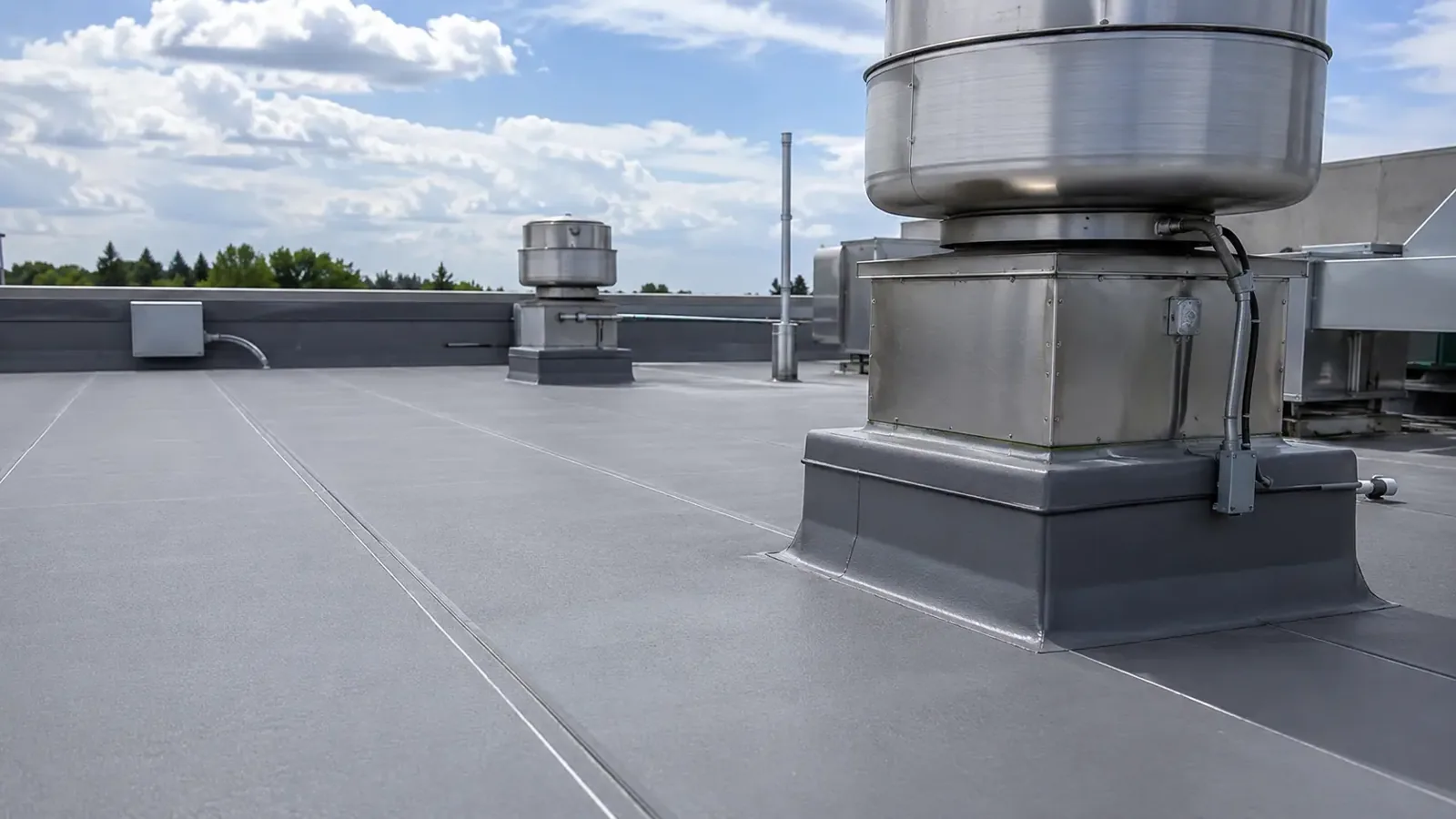
PVC Commercial Roofing
How the work is scoped, documented and phased on occupied Sugar Land buildings.
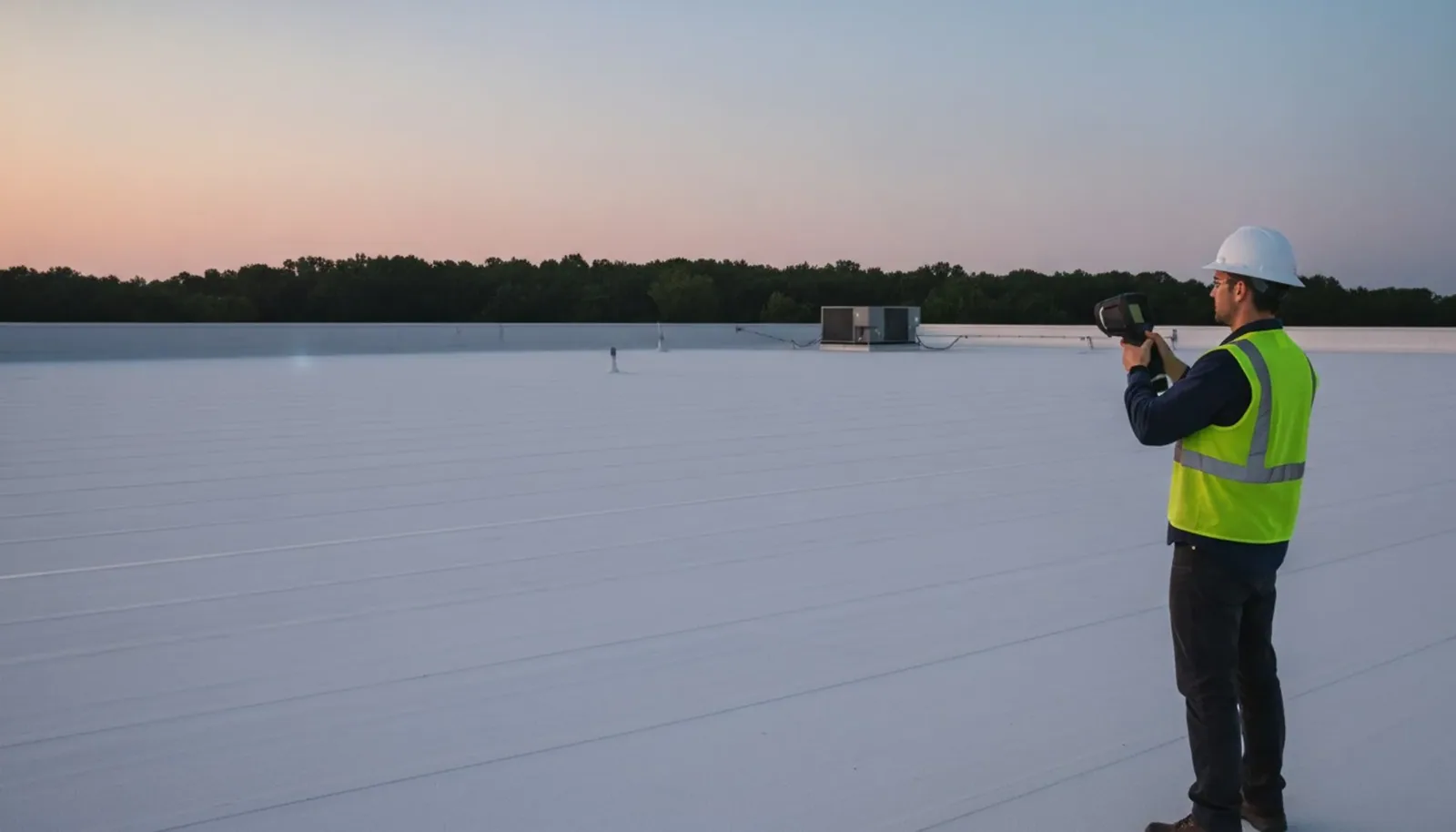
Infrared Roof Moisture Surveys
What we check on the roof, what we recommend and how the crew keeps the building open.
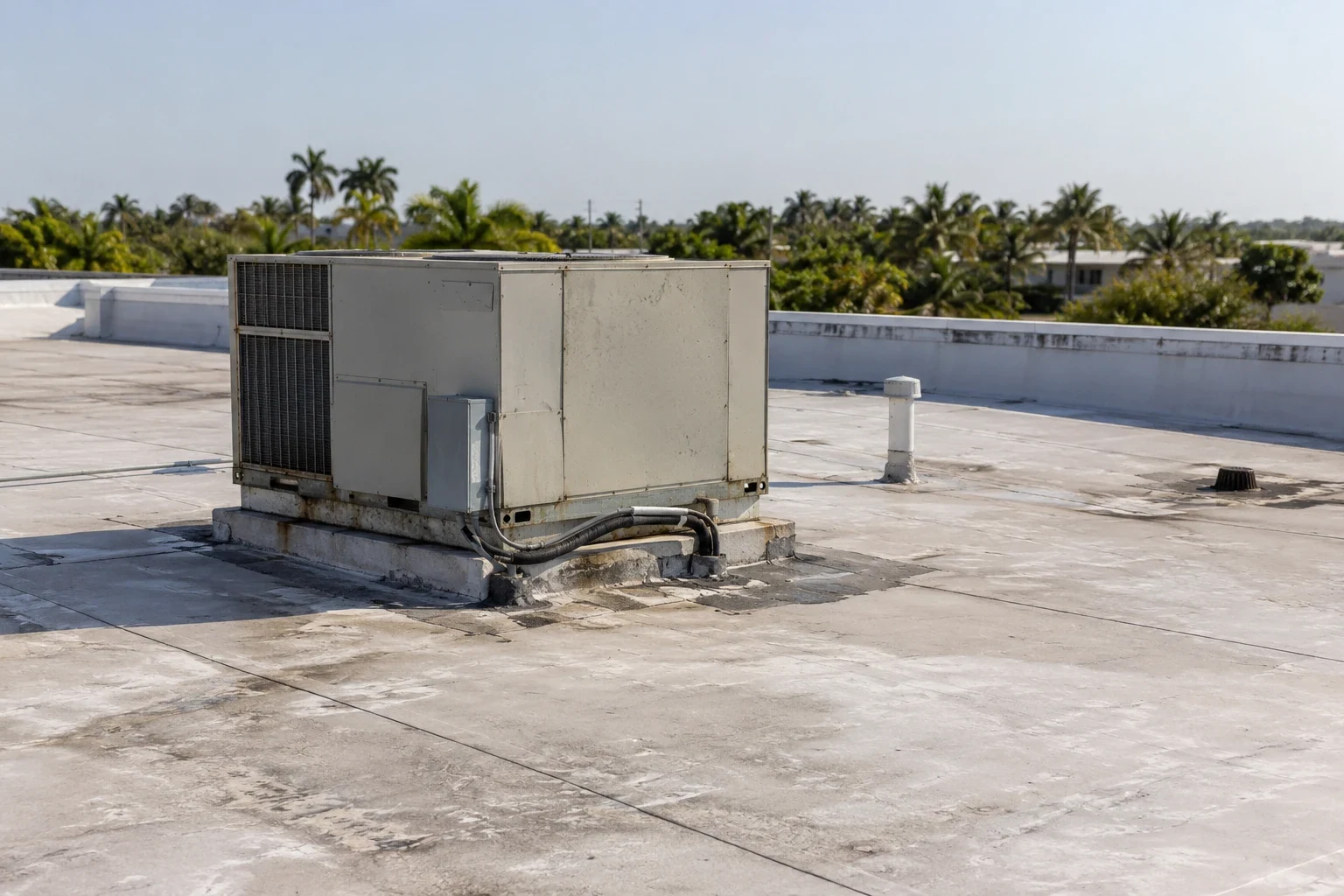
Occupied-Building Reroofing
Conditions, options and next steps for commercial buildings in Fort Bend County.
Give Each Store a Clear Roof Scope
Call for a location assessment. We will explain water routes, equipment exposure and drainage findings with photos and identify suitable work for the owner or regional manager.
Call 555-555-5555 or email [email protected].
Commercial Roofing Questions
Straight answers to the questions building owners and managers ask us most often.
Can the same roof material be specified for every location?
Each building needs an assembly and exposure review. Consistent reporting helps compare stores, but roof and equipment conditions can differ. The proposal keeps those differences visible.
Does restaurant use automatically require PVC?
The actual discharge and selected product limits need evaluation. Several assemblies may be suitable under their approved conditions. Material selection follows verified exposure rather than the business label.
Can work proceed only outside customer hours?
The manager identifies acceptable windows and affected areas. Weather, cure and closure requirements also shape the sequence. The final plan uses those conditions together.
Who controls ventilation during repair?
The responsible mechanical and facility teams approve any operating changes. Roofing identifies its materials and work area. Required airflow and restoration follow the coordinated plan.
What should be kept across store management changes?
Retain roof plans, repair photographs, products and open trade items. Include relevant operating and landlord scope information. The next manager can continue care without guessing what earlier work addressed.
Customer Access and Work Windows
The store team identifies opening hours, active entrances, delivery areas and rooms affected by the work. We agree on material handling and controlled debris routes around those verified needs. A chain's usual operating pattern is not assumed to describe every location. The site plan records the current conditions and the person responsible for approving any restriction.
Occupied-building work limits daily openings to areas that can receive suitable closure under the planned conditions. Product application and cure requirements still apply during a short operating window. If the forecast or exposed condition changes the sequence, the manager receives an update before work expands. A repair schedule is evaluated against both the store operation and the roof assembly.
Ventilation and Equipment Service
Mechanical teams identify intake and exhaust duties and approve any operating isolation window. Roofing activities near those systems follow the agreed plan, with required airflow and restoration considered. An active intake is not covered arbitrarily to simplify coating or adhesive work. The facility's responsible personnel control equipment operation.
Equipment curb repairs also assign roofing, mechanical and electrical responsibilities before a unit is moved. New equipment weight or support changes require appropriate structural review where applicable. Flashing reconstruction follows the actual roof material and geometry. A completed membrane transition does not establish the condition of every panel, service line or discharge connection above it.
How a Roof Project Runs
Every roof we take on moves through the same six steps:
01
Roof Walk
We walk the whole roof and photograph the membrane, seams, flashings, drains and equipment.
02
Moisture Check
Readings and core cuts show what is wet below the surface before anyone prices a repair.
03
Written Findings
You get plain-language findings, photos and the options that fit the roof.
04
Scope and Price
One written scope covers the system, the details, drainage changes and the price.
05
Scheduled Work
Crews work around tenants, deliveries and weather, closing the roof every night.
06
Closeout
We walk the finished roof with you and hand over photos and warranty paperwork.
Local Centers and Separate Store Evidence
First Colony Mall sits in the retail setting south of I-69/US 59 at SH 6. For a location in that area, the manager and roof team agree on the delivery entrance, unloading location and route to the roof before material arrives. A shopping visit and a roofing delivery need different access arrangements. The assessment identifies the active customer routes and service areas so protection and staging are included in the proposal rather than worked out at the curb on installation day.
Sugar Land Town Square brings offices, shops and hotel operations into one mixed-use center. Roof work there calls for coordination with the particular building team and any neighboring spaces affected by the sequence. The plan identifies who receives notice, which entrance remains available and how equipment service intersects the day's repair. For a chain with another location in Stafford, the same reporting format can carry a separate access and jurisdiction plan. The regional manager sees the work window and unresolved approval for each store rather than trying to apply one center's operating arrangement to another.
Drainage, Maintenance and Larger Work
Drainage checks examine accessible outlets and how equipment supports or debris affect the water path. Cleaning is distinguished from capacity or slope correction. Persistent low areas need investigation rather than another coating by default. A product's ponding limit does not determine structural adequacy or clear a restriction in the pipe below the roof.
Maintenance compares traffic wear, residue and earlier repairs with their photographs. Recurring defects or broad moisture may justify evaluating replacement or restoration through complete scopes. The closeout identifies installed products, completed details and related trade items still pending. Managers can use that record to brief store teams and owners from verified findings rather than a broad claim that all roofs in the chain share the same condition.
For a store in First Colony, ask property management about shared service access before setting deliveries. Where hotel operations occupy adjoining space, identify the authorized contact for notices affecting their entrance or service route.
Repeat service across retail locations benefits from a consistent record of roof sections, equipment curbs and prior corrections. Each visit still checks the actual store, including exhaust, residue, rooftop units and water paths near service doors. We coordinate deliveries and noisy work around the manager's operating schedule where practical. A leak affecting one tenant should be documented separately from conditions at neighboring spaces. The closeout identifies the store, completed repair and any maintenance item so regional teams can compare work without assuming all locations share one roof design.