
Insurance Restoration Projects
Interior drying can begin while the roof's water-entry route is still uncertain. A temporary patch may stop visible water, but concealed wet layers and upper equipment defects can remain outside the initial response. Commercial roofing for Sugar Land insurance restoration projects connects the roof investigation with that broader sequence. We document observed defects, explain supported removal and coordinate the roofing scope with the other assigned teams.
The technical repair recommendation remains separate from insurance coverage. An event date, interior damage or a regional weather report does not prove every roof condition shares one cause. We preserve what was observed and identify what remains uncertain. The owner and restoration team receive a usable record rather than a roofing conclusion shaped to fit an assumed policy outcome.
The Evidence Before Repair Conceals It
Photographs begin with orientation and then show the affected detail. Roof sections, equipment references and interior locations help connect the images to the building. Earlier reports are compared where available. A defect visible before the reported event is different evidence from a changed connection shown in both earlier and current photographs.
Roof condition reports distinguish staff observations, inspected conditions and inferred extent. An inaccessible or already repaired detail is identified as a limitation. We do not reconstruct an unobserved tear solely from the work needed afterward. This allows the restoration team to organize the file without turning incomplete evidence into a definitive statement about damage origin.
Temporary Protection and Permanent Work
Initial roof protection depends on access, weather and suitable attachment locations. The building team identifies affected spaces and immediate controls while the roof team evaluates a workable method. Temporary patches or other measures have defined limits. They are documented as stabilization where that is their role rather than treated automatically as completed permanent repair.
Emergency repair records identify the location, material and follow-up needs. A patched surface can still have wet insulation below it. The permanent scope investigates those layers and the soundness of surrounding material. The restoration sequence preserves that distinction so interior completion is not planned on the unsupported assumption that the first roof visit resolved every remaining water source.
Moisture Extent and Removal Boundaries
Water can move laterally before reaching the interior, making the visible roof opening smaller than the affected assembly. We use suitable testing to investigate extent when it changes the work. Samples establish local layer condition and provide confirmation at selected points. Other boundaries remain interpreted from the combined evidence and subject to review during exposure.
An infrared investigation can help identify suspect patterns where weather and construction permit useful contrast. Thermal differences can also arise from shade, equipment or material variation. The report separates those interpretations from confirmed wet layers. Removal quantities retain that basis so the owner can understand a revised area when actual exposed conditions differ.
Related Roofing Pages
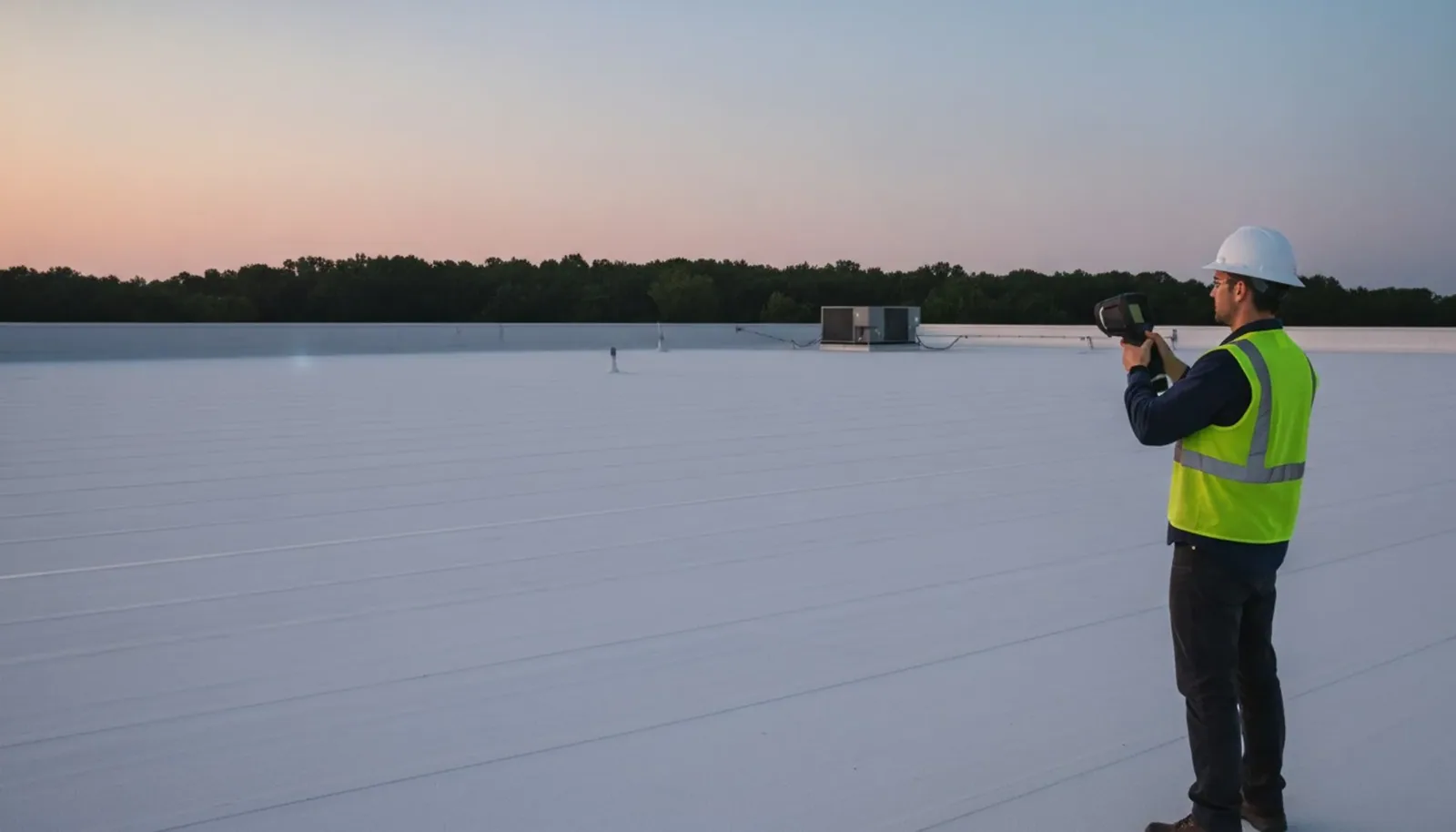
Infrared Roof Moisture Surveys
How the work is scoped, documented and phased on occupied Sugar Land buildings.
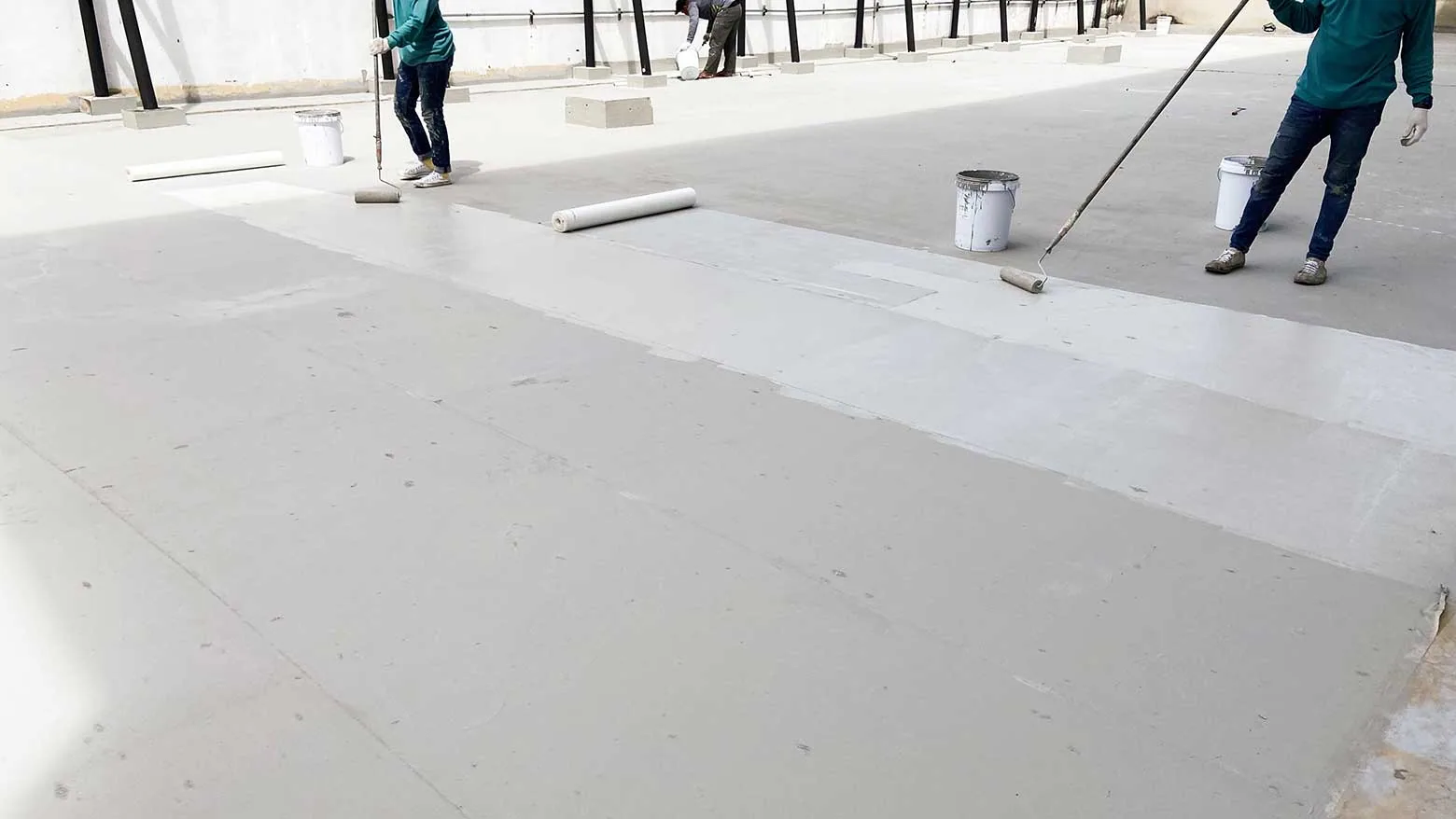
Commercial Roof Leak Repair
What we check on the roof, what we recommend and how the crew keeps the building open.
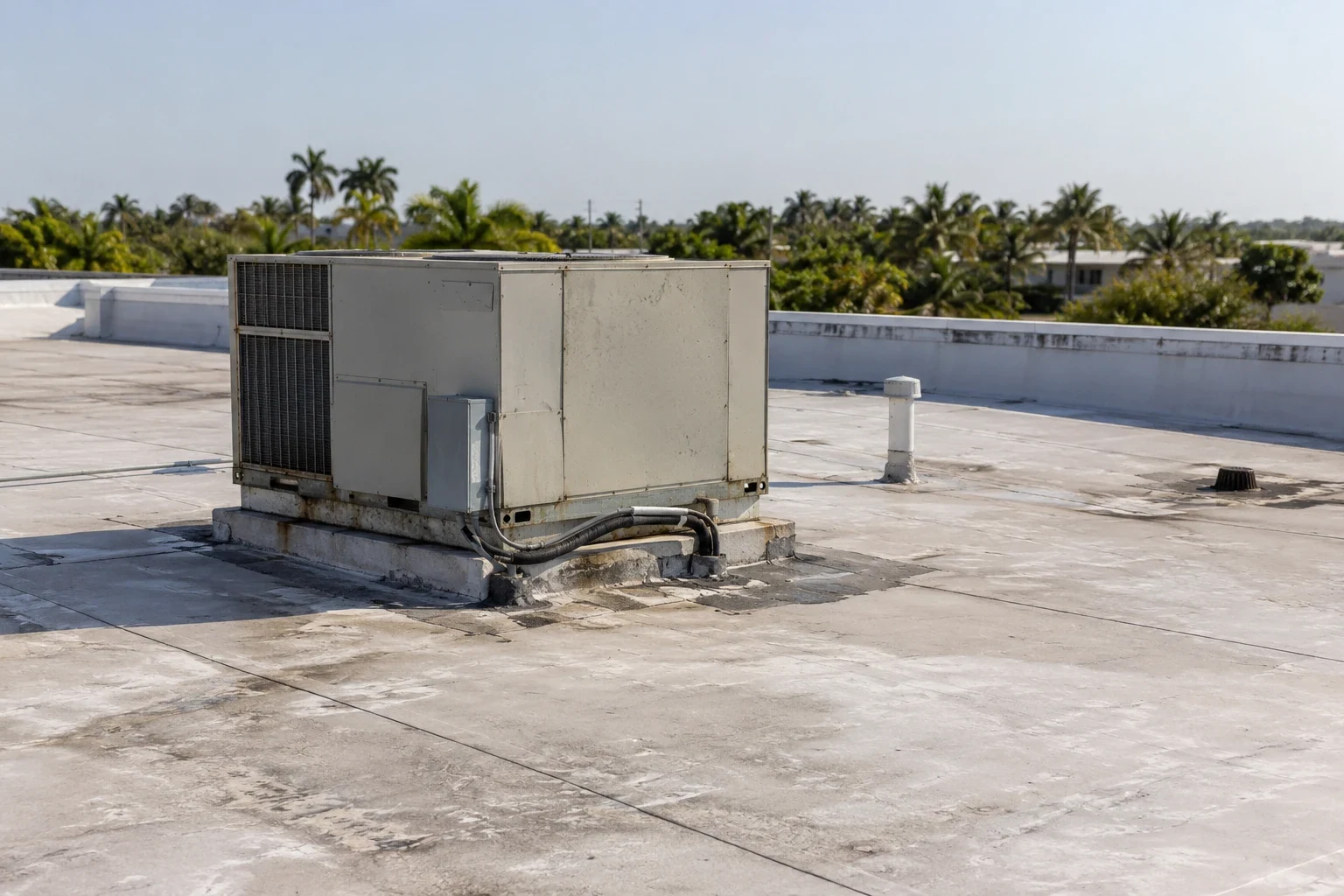
Occupied-Building Reroofing
Conditions, options and next steps for commercial buildings in Fort Bend County.
Connect the Roof Evidence to a Coordinated Restoration Scope
Call to discuss the building and affected areas. We will explain the roof findings with photos and identify the roofing and related trade work needed for the owner's review.
Call 555-555-5555 or email [email protected].
Commercial Roofing Questions
Straight answers to the questions building owners and managers ask us most often.
Does interior drying prove the roof layers are dry?
Interior and roof assemblies require their own suitable evaluation. A dry room surface does not describe concealed insulation. The teams share findings while retaining their technical scopes.
Can temporary protection be reported as final roof repair?
The record must identify its actual role and limits. Permanent work may need moisture investigation and reconstruction. The owner should see those remaining requirements. Where weather or access limited the first visit, the next assessment is planned to answer the unresolved questions. The temporary work location remains in the report so the later team knows what condition it may have concealed.
Who determines insurance coverage?
The insurer reviews coverage under the policy, with interpretation handled by the appropriate insurance professional. Roofing provides supported technical findings. The repair recommendation does not replace that review.
How are damaged quantities established?
Measure the affected roof and details using the investigation evidence. Sampled findings and interpreted extent remain distinct. Exposed conditions can revise the supported boundary.
What prevents gaps between restoration trades?
Assign the verified water routes and intersecting work before the sequence proceeds. Document completed and pending items at closeout. The manager can then track the responsible team for each remaining condition.
Roofing and Interior Restoration Interfaces
The restoration team identifies drying, contents and interior repair responsibilities, while roofing identifies the water-control scope above. Drying an interior surface does not establish that insulation within the roof is dry. Conversely, a roof moisture sample does not determine every interior restoration requirement. The involved teams share the relevant findings while retaining their technical boundaries.
Leak investigation can reveal an equipment or wall source requiring another trade. A membrane patch is not used as a substitute for repairing that component. The work plan states who addresses each verified route and when follow-up observation is appropriate. This helps prevent the owner from receiving several completed invoices while the actual source remains between scopes.
Occupied Spaces and Equipment Controls
The facility manager identifies active rooms, access restrictions and systems that must remain available. Roofing removal and reconstruction are arranged around those verified requirements. Work zones need suitable protection below, debris routes and daily closure. A regional storm response does not provide authority to change the building's operating controls without coordination.
Occupied work planning includes ventilation with the responsible mechanical team. Any isolation window is approved with required airflow and restoration considered. An operating intake is not covered arbitrarily near repair materials. Equipment, electrical and structural duties also remain assigned where curb or support repairs intersect the roof scope.
How a Roof Project Runs
Every roof we take on moves through the same six steps:
01
Roof Walk
We walk the whole roof and photograph the membrane, seams, flashings, drains and equipment.
02
Moisture Check
Readings and core cuts show what is wet below the surface before anyone prices a repair.
03
Written Findings
You get plain-language findings, photos and the options that fit the roof.
04
Scope and Price
One written scope covers the system, the details, drainage changes and the price.
05
Scheduled Work
Crews work around tenants, deliveries and weather, closing the roof every night.
06
Closeout
We walk the finished roof with you and hand over photos and warranty paperwork.
Regional Events and Local Work Planning
Hurricane Beryl affected the Houston region in July 2024, making dated property observations important for owners evaluating changed conditions. The roof assessment records displaced materials, torn flashing and current openings at the building. Regional event information helps organize the timeline, while the actual roof evidence supports the repair recommendation. Earlier records improve that comparison where they are available.
Sugar Land Town Square's offices, shops and hotel create different notices and work windows during restoration. The responsible building team identifies the affected entrances and spaces before deliveries or removal are scheduled. At a Stafford property, the restoration and roof teams agree on that site's own routes and jurisdiction review. A shared reporting process can organize both projects while retaining the operating plan for each address.
Scope Comparison and Closeout
Permanent roof repair identifies removal, compatible reconstruction and sound retained materials. Widespread deterioration can justify comparing broader options, but the existence of a claim does not make replacement technically necessary by itself. Quantities follow measured roof areas and details. Published building floor space is not used as a substitute for the damaged roof extent.
The roof documentation package explains completed work and the evidence supporting it. Policy interpretation and coverage review remain with the appropriate insurance professionals and insurer. Closeout identifies any pending related trade work and relevant maintenance instructions. The owner receives an account of what was corrected and what still requires attention, rather than a broad conclusion that one repair settled every aspect of the restoration project.
At a Missouri City property, we coordinate affected-area notices with property management and construction dependencies with the general contractor. The project record identifies each responsibility alongside the authorized roof correction.
We photograph the observed roof condition and the repairs it supports, while keeping pre-existing wear separate from event-related findings where the evidence allows. Each inspection record states its limits and distinguishes emergency protection from permanent repair. When additional testing is useful, we identify its purpose and location. The owner can compare the technical scope with the adjuster's review without treating the storm date as proof of every defect or promising a coverage decision.