
Heat and UV Roof Damage Repair
Sunlight and repeated heating can change a roof surface while water entry begins at one small connection. A coating wears, a sealant joint opens or a strained flashing develops a split. Heat and UV roof damage repair in Sugar Land, TX examines those changes as part of the assembly. We identify the material, document its condition and explain suitable preparation or reconstruction at the affected detail.
A faded surface and a functional roof defect are different findings. The repair scope connects visible aging to the condition that needs correction rather than assigning a failure mechanism from color alone. The manager receives photographs of the surface, adjoining connections and completed work. That record supports a practical comparison between local repair, eligible restoration and broader replacement.
Surface Weathering and Protective Layers
Chalking, finish loss, cracking and exposed reinforcement are recorded separately. They can have different significance depending on membrane chemistry and the selected system. An asphalt sheet's protective surfacing has a different role from a liquid finish over foam. We identify the actual assembly before choosing cleaning, patching or recoating.
Roof inspection checks details as well as the open field. The surface may look uniformly aged while only certain connections admit water. Conversely, an intact-looking finish can cover an unsuitable earlier patch. The report locates each finding and states what further investigation would answer a retained-layer or compatibility question before a treatment is specified.
Temperature Changes and Detail Movement
Roof materials and adjacent components change dimension as temperature varies. Suitable details accommodate the movement intended by the system. We examine repeated openings at corners, long metal runs and terminations for evidence of strain. The observation can justify detail review without proving a structural cause from the surface alone.
Flashing reconstruction restores compatible support and connections where the existing arrangement is unsuitable. A larger patch may still experience the same movement if that arrangement remains unchanged. Metal joint work coordinates cleats, splices and membrane transitions according to the actual detail. Photos show the rebuilt relationship so the next inspection can compare the same connection.
Membrane Chemistry and Repair Preparation
Thermoplastic, elastomeric and asphalt-based materials age and connect through different methods. Earlier coatings, equipment residue and weathering can alter the surface available for a repair. We identify those conditions before selecting a primer, adhesive, welding method or other compatible system. A color match does not establish that a new product will bond suitably.
Local repairs reach sound material needed for their connection. Deteriorated or contaminated sections may require removal beyond the visible crack. Product information and suitable trial preparation guide the selected method. The scope explains that boundary rather than treating another layer of liquid or sheet as a universal response to an aged roof surface.
Related Roofing Pages
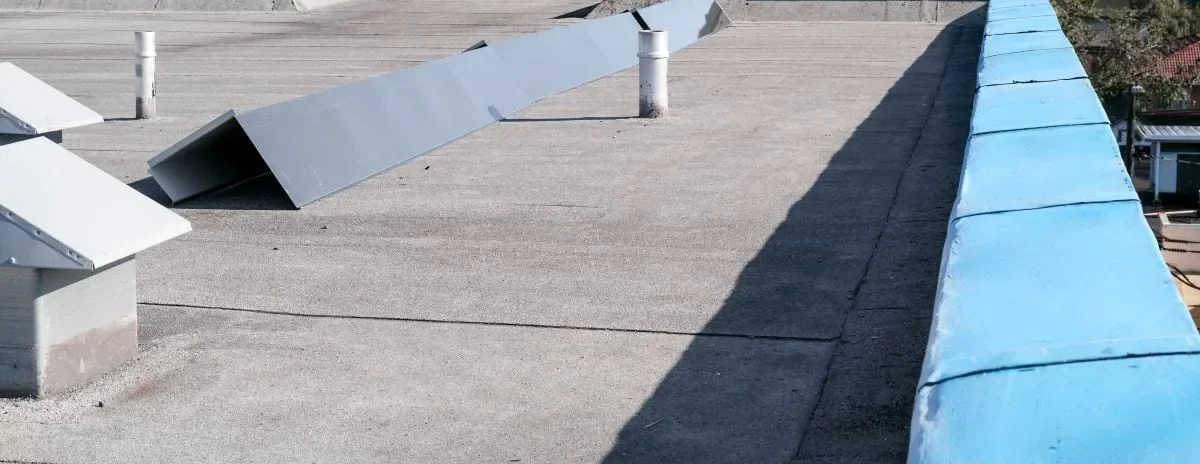
Roof Flashing Failure Repair
How the work is scoped, documented and phased on occupied Sugar Land buildings.
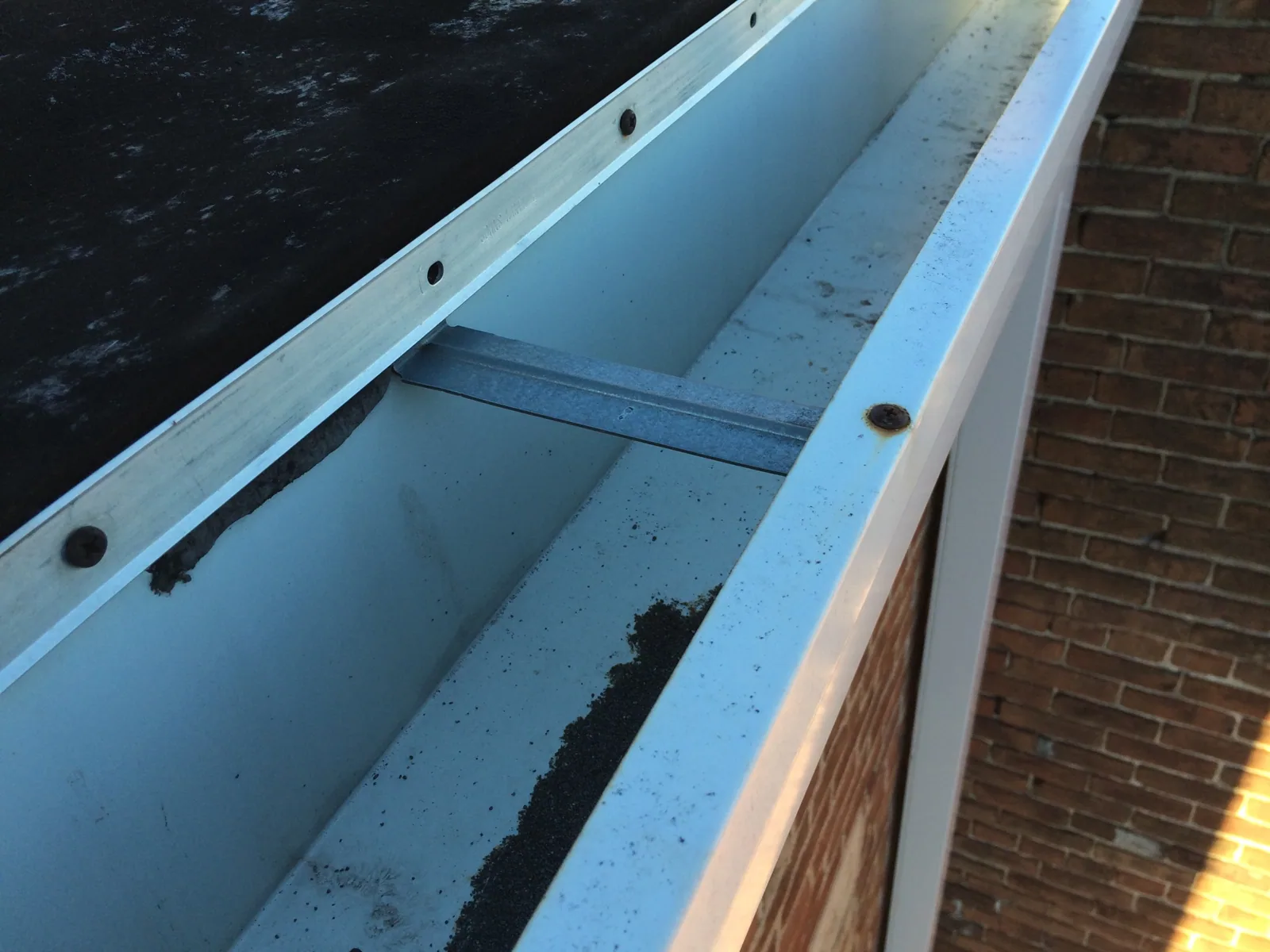
Edge Metal, Coping and Gutters
What we check on the roof, what we recommend and how the crew keeps the building open.
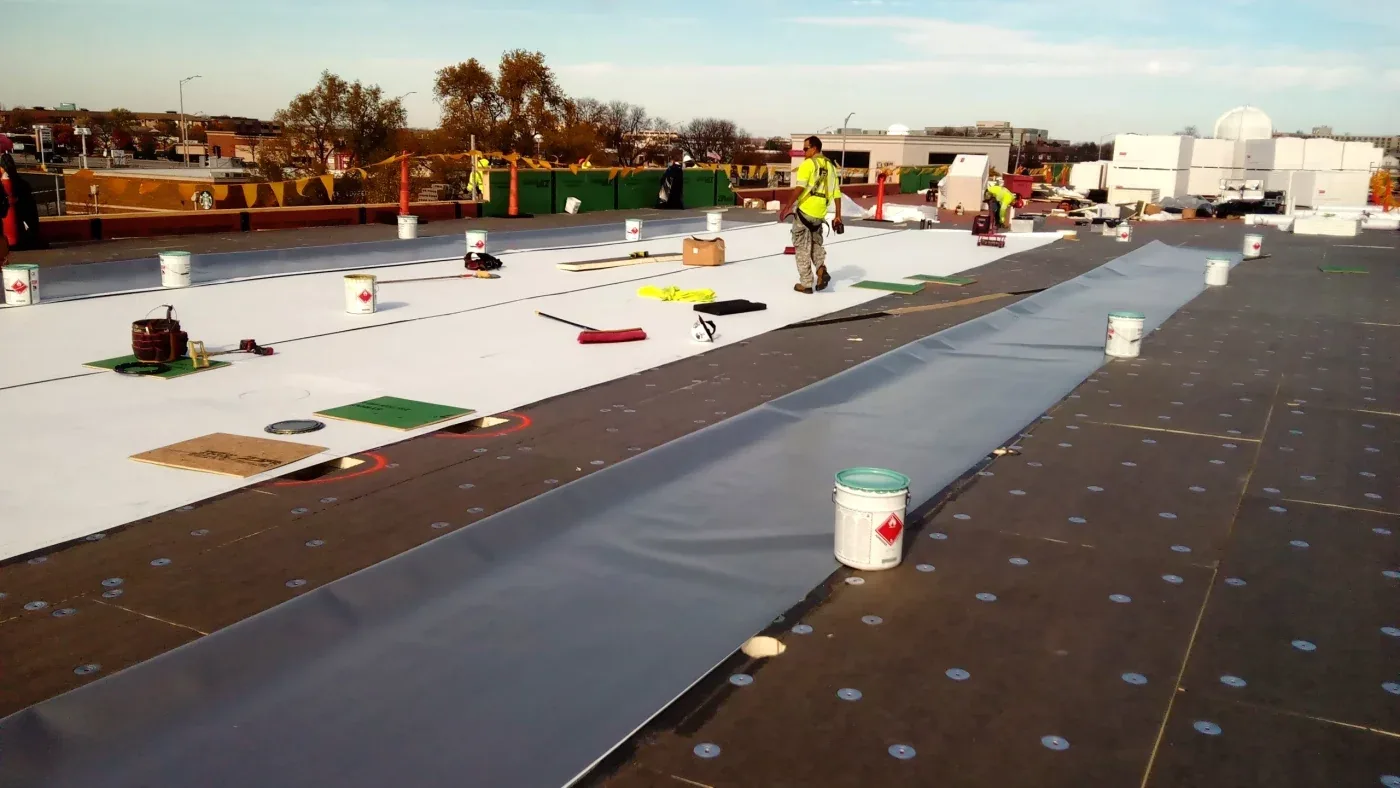
Commercial Roof Repair
Conditions, options and next steps for commercial buildings in Fort Bend County.
Assess the Surface and the Connections Together
Call for a roof assessment. We will explain weathering, movement and moisture findings with photos and identify suitable repair or restoration options for the owner.
Call 555-555-5555 or email [email protected].
Commercial Roofing Questions
Straight answers to the questions building owners and managers ask us most often.
Does faded color establish a failed roof?
Surface appearance needs interpretation for the actual material. Seams, flashing and retained layers may have different conditions. We identify the functional defect before selecting a repair.
Can repeated heating open a detail that was patched?
Movement can strain an unsuitable connection. The repair needs review of support, geometry and compatible materials. Another patch may not address the recurring condition.
Should every weathered roof receive a coating?
Restoration depends on moisture, adhesion and retained assembly suitability. Some roofs need removal or broader reconstruction first. The scope follows the findings rather than appearance alone.
Does hotter weather always improve adhesive cure?
Application and cure conditions are product-specific. Substrate temperature, humidity and other stated limits require checking. The sequence changes when suitable conditions cannot be maintained.
What makes the maintenance record useful?
Keep product information, detail photographs and later exposure changes. Compare recurring defects with those locations. The record helps distinguish new damage from an unresolved detail needing further investigation.
Moisture Beneath Weathered Areas
Surface aging does not establish concealed insulation condition. We compare interior water timing, visible defects and drainage before choosing suitable testing. Samples identify the layers and moisture at their specific locations. The wider extent is interpreted from combined evidence rather than assumed dry because a warm period has passed.
When the roof and survey window allow useful thermal contrast, an infrared investigation can identify areas to examine through appropriate confirmation. Heat storage differences may also come from shade, equipment or layer variation. The report separates those patterns from verified moisture. Removal limits are checked during exposure, and the manager receives photographs explaining a changed scope before affected reconstruction is completed.
Heat During Repair Application
Sugar Land recorded a high of 109 degrees in August 2023, illustrating the relevance of hot-weather planning. The temperature used for a roof product's application check is still the one required by its instructions, including the actual substrate where specified. A reported air reading cannot describe every roof area. Shade, material and earlier moisture can change conditions across the work.
Adhesive, coating and welding work follow the selected system's field requirements. The plan allows required preparation, cure and recoat intervals rather than assuming more sunlight always improves the bond. If conditions move outside the limits, timing or method is reassessed. The manager sees the reason for that change and the closure plan for the area awaiting completion.
How a Roof Project Runs
Every roof we take on moves through the same six steps:
01
Roof Walk
We walk the whole roof and photograph the membrane, seams, flashings, drains and equipment.
02
Moisture Check
Readings and core cuts show what is wet below the surface before anyone prices a repair.
03
Written Findings
You get plain-language findings, photos and the options that fit the roof.
04
Scope and Price
One written scope covers the system, the details, drainage changes and the price.
05
Scheduled Work
Crews work around tenants, deliveries and weather, closing the roof every night.
06
Closeout
We walk the finished roof with you and hand over photos and warranty paperwork.
Restoration and Reflective Options
Coating restoration may protect a suitable retained assembly after preparation and detail repairs. Adhesion tests help check representative areas, with product compatibility established for the existing finish. Coating does not dry wet insulation or reconnect unsuitable attachment. Those conditions receive their own scope before the field treatment is considered.
Reflective roof options can be compared using their actual surface ratings and complete assemblies. Reflectance alone does not quantify a building's utility saving. Insulation, air leakage and operation also affect heat flow. The project team provides a supported building analysis where a prediction is needed, while the roof recommendation stays tied to observed condition and applicable requirements.
Local Work Planning and Continued Care
Along the I-69/US 59 corridor through Sugar Land and Stafford, commercial deliveries and building service access need a specific site plan. The manager identifies the unloading area, route to the roof and spaces affected by repair. Hot-weather application windows are coordinated with those operating needs. The team plans material handling and suitable daily closure before opening an aged detail.
At First Colony's retail setting near SH 6, notices and equipment coordination follow the particular building's work area. The mechanical team approves any ventilation control window and manages restoration with required airflow considered. Roof work and service routes are arranged through that plan. The manager can then communicate the day's activities and changed conditions to the affected occupants.
Maintenance visits compare surface protection, seams and repaired details with the closeout photographs. Product documents establish relevant care and warranty duties. New equipment, residue or traffic is recorded because exposure can change after the repair. The owner receives an evolving condition history rather than an assumption that a successful surface treatment ends the need to inspect the assembly.
Check an opening at a membrane seam through its actual joining construction. A task in First Colony should retain that detail's material and preparation requirements with the estimate. A hot period supplies scheduling context while the examined defect establishes the correction to purchase.
Heat exposure often reveals weak seams, brittle sealant or a repair that no longer moves with the underlying assembly. We compare those surface signs with the material type, attachment and any sheltered portions of the same roof. A discoloration by itself does not prove a membrane has failed. The inspection records cracks, lifting, shrinkage or loss of adhesion where present and tests compatibility before adding a layer. If the issue is widespread, the proposal compares localized preparation with a larger restoration or replacement scope using the actual roof condition.