
Fire Damage Roof Repair
A roof exposed to fire can have visible surface damage and less obvious changes beneath it. Heat, firefighting water and openings made during the response can affect different parts of the assembly. Fire damage roof repair in Sugar Land, TX begins after the responsible authorities and building team establish suitable access. We document roof findings and coordinate the evaluation needed before reconstruction is proposed.
A roof crew cannot determine the safety of a fire-affected structure from membrane appearance alone. Structural, electrical and other affected systems require their appropriate reviewers. The roofing scope follows those findings and identifies the layers needing removal or replacement. The owner receives a clear boundary between roof work and unresolved building conditions rather than a surface repair presented as acceptance of the whole structure.
Access After the Initial Response
The building team identifies who has authority over entry and which areas remain restricted. We confirm the authorized inspection area, route and protection requirements before work is scheduled. Fire damage can leave loose material or uncertain supporting conditions even where the surface appears accessible. Roofing access remains within the agreed review and site controls.
Where immediate weather protection is requested, the method still needs suitable support, attachment and drainage. Initial roof protection is considered only when those conditions can be established through the authorized process. Its role and limitations are recorded. A tarp or patch cannot establish structural adequacy, and temporary work does not remove the need to evaluate affected layers before permanent reconstruction.
Heat Exposure and Layer Condition
Visible melting, distortion, charred material or changed surfaces are photographed with their locations. The observation does not quantify every concealed layer's exposure. We identify the roof system and inspect accessible interfaces after access is approved. Selected opening or other evaluation may be needed to define what remains suitable.
Roof assessment preserves the distinction between directly observed damage and inferred extent. An intact-looking sheet is not automatic evidence that the substrate beneath it remains usable. Appropriate structural review addresses the deck and support where affected or uncertain. The roofing recommendation identifies which retained conditions still need acceptance before an assembly can be rebuilt above them.
Firefighting Water and Concealed Moisture
Water introduced during the response can move through openings and retained layers. Interior wet areas do not establish the full roof moisture boundary. We compare the response history supplied by the building team with accessible findings and suitable tests. Samples document their locations and material condition rather than declaring every adjoining area dry.
An infrared moisture investigation can be useful when the altered assembly and field conditions support interpretation. Heat damage and material differences may limit that method. Confirmatory testing checks suspect areas, and the report explains unresolved extent. Removal boundaries are revised when exposure shows different conditions, with photographs supporting the change before affected reconstruction proceeds.
Related Roofing Pages
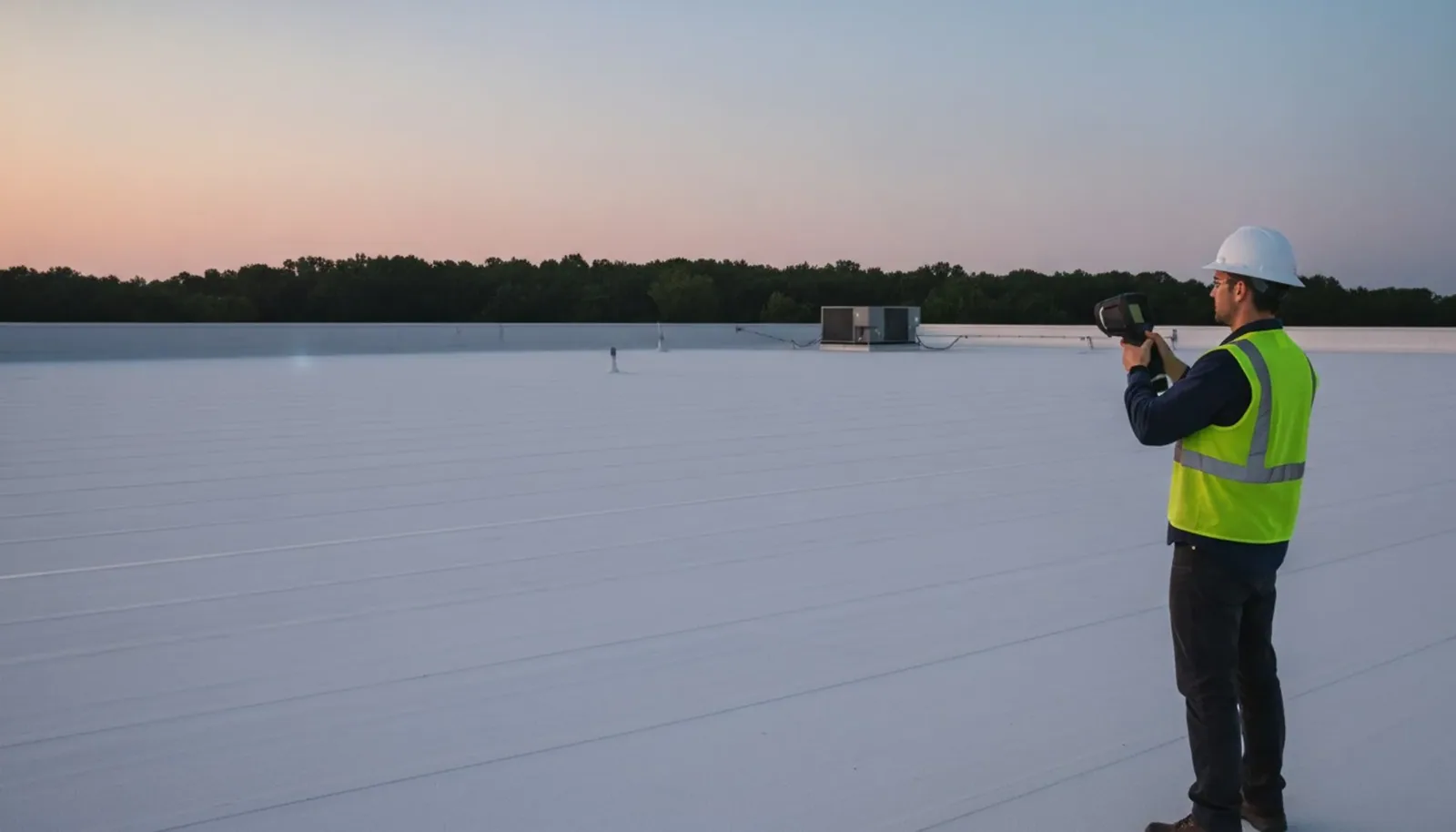
Infrared Roof Moisture Surveys
How the work is scoped, documented and phased on occupied Sugar Land buildings.
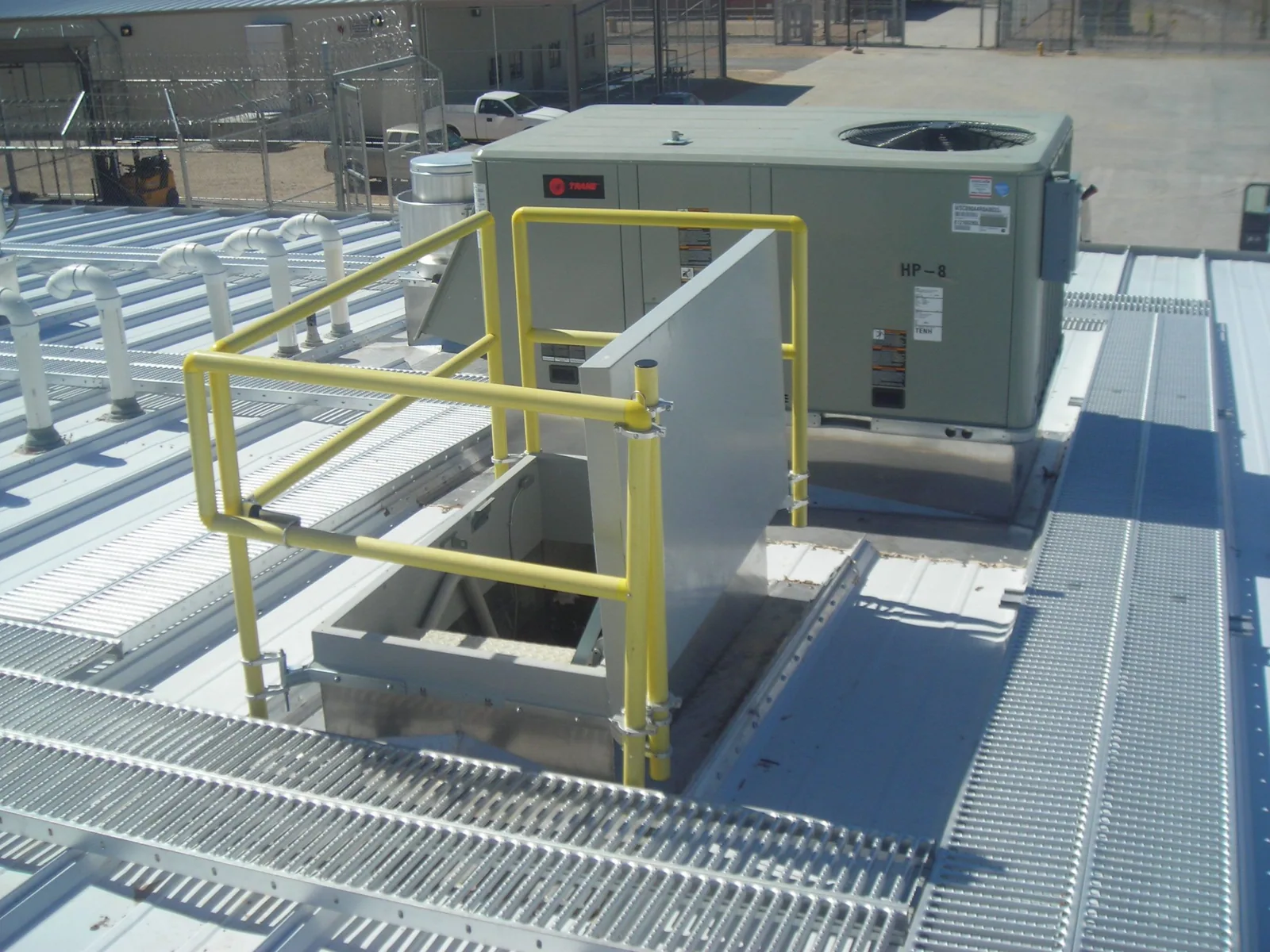
Rooftop Equipment Curbs and Supports
What we check on the roof, what we recommend and how the crew keeps the building open.
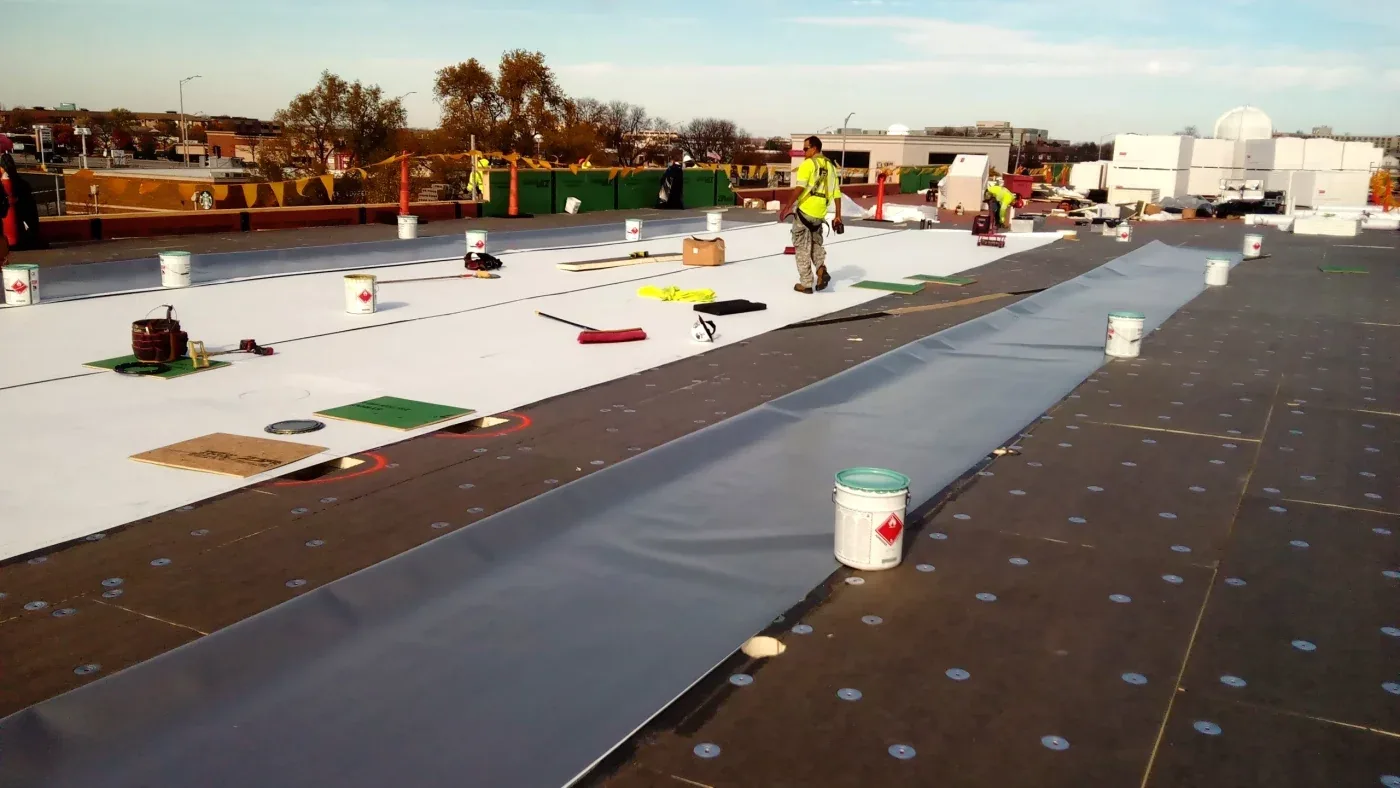
Commercial Roof Repair
Conditions, options and next steps for commercial buildings in Fort Bend County.
Coordinate the Roof Scope With the Authorized Building Review
Call to discuss the property and permitted assessment area. We will document affected roof layers and explain the reconstruction and related reviews needed for owner consideration.
Call 555-555-5555 or email [email protected].
Commercial Roofing Questions
Straight answers to the questions building owners and managers ask us most often.
Can you judge structural safety from the roof surface?
Structural adequacy requires the appropriate qualified evaluation. Roofing documents its observed materials within authorized access. The reconstruction scope follows the reviewed supporting conditions.
Does temporary covering make the building ready to reopen?
Reopening belongs to the responsible authorities and building team. Temporary roof protection has a defined weather-protection role. It does not accept the structure or affected systems.
How is firefighting water considered?
The response history and suitable moisture investigation help evaluate affected layers. Samples establish local findings, with extent interpreted from combined evidence. Removal limits remain subject to exposed conditions.
Will every roof section need replacement?
Extent, material condition and support determine the suitable scope. Some areas may support local work while others require removal. The report identifies evidence and unresolved questions for each boundary.
What should remain in the final record?
Keep authorized assessment findings, reconstruction photographs, product information and required acceptance records. Identify any remaining assigned item. Future work can then follow the actual rebuilt assembly.
Mechanical and Electrical Interfaces
Equipment near the affected roof may have separate damage or operating restrictions. Mechanical and electrical teams evaluate their components and establish the permitted service sequence. Roofing identifies the membrane and flashing work at their interfaces. A completed curb repair cannot stand in for assessment of a fire-affected unit above it.
Equipment support reconstruction also uses the appropriate structural review where loads or supporting members are uncertain. Unit movement, isolation and restoration are assigned before work. Ventilation controls remain facility-approved, with required airflow considered. An active intake is not covered arbitrarily during repair, and equipment is not returned to service solely because the roof surface around it is complete.
Removal and a Supported Reconstruction Scope
The scope identifies damaged roofing layers to remove, suitable materials to retain and the reviewed substrate needed for installation. Compatibility matters where new roofing meets undamaged existing sections. Membrane chemistry, attachment and detail methods follow the selected assembly. A patch crossing several altered materials is not chosen only to minimize its visible area.
Local reconstruction can be compared with broader replacement after extent and support are evaluated. The presence of a fire does not by itself establish that every roof section needs removal. Conversely, an unaffected appearance does not prove eligibility to retain. The owner receives the findings and remaining review requirements behind the proposed boundary. Measured roof sections and detail counts establish the quantities. Published building floor space does not identify the affected roof area, so the estimate keeps those measurements with their supporting inspection locations.
How a Roof Project Runs
Every roof we take on moves through the same six steps:
01
Roof Walk
We walk the whole roof and photograph the membrane, seams, flashings, drains and equipment.
02
Moisture Check
Readings and core cuts show what is wet below the surface before anyone prices a repair.
03
Written Findings
You get plain-language findings, photos and the options that fit the roof.
04
Scope and Price
One written scope covers the system, the details, drainage changes and the price.
05
Scheduled Work
Crews work around tenants, deliveries and weather, closing the roof every night.
06
Closeout
We walk the finished roof with you and hand over photos and warranty paperwork.
Evidence and the Restoration Sequence
Damage photographs, response history and observed conditions are organized before repairs conceal the affected details. Earlier records can help identify changes, but causation is not assigned beyond the evidence. The roofing report documents its inspection limits and any area that could not be examined. The restoration team can then coordinate further review without treating a missing image as proof of an undamaged condition.
Roof claim documentation supplies supported technical findings and quantities. Policy interpretation and coverage review belong to the appropriate insurance professional and insurer. Interior restoration has its own scope, while roof reconstruction addresses the assigned assembly. The teams coordinate their sequence so an interior finish is not completed on the unsupported assumption that every roof source has already been resolved.
Local Buildings and Handover
Sugar Land Town Square's offices, shops and hotel operations call for a restoration plan that identifies affected entrances and neighboring spaces. The building team agrees on delivery, debris handling and work notices within the authorized area. Site controls established after the response remain part of that plan. Roof work does not create authority to reopen a restricted space.
For a Stafford commercial property, the responsible project team confirms the address-based permit and acceptance requirements alongside the repair sequence. Closeout identifies installed materials, completed details and any pending trade or structural item. Later maintenance follows the completed assembly and its documents. The owner retains the findings and reconstruction record so future service understands the boundary between repaired roofing and separately evaluated building systems.
During reconstruction, identify any flashing correction and seam reconstruction needed at the boundary. A Stafford roof receives those located details with its own acceptance requirements. Keep the separate structural decision attached to the participant responsible for it.
After a roof fire, visible char is only one part of the assessment. We document heat-affected membrane, flashing and insulation, and note whether smoke or water from suppression reached adjacent areas. The deck and supporting construction may need separate review before removal limits are fixed. Temporary weather protection is planned around the safe work zone and the available closure method. The repair scope distinguishes materials that can remain from those that require replacement, and identifies any electrical, mechanical or structural coordination needed before roofing resumes. A separate commercial project in South Houston also needs authorized access and a structural review based on that building's actual findings.