
Roof Capital Planning
A roof budget can change substantially when the damaged material lies beneath the membrane rather than at one flashing. Before a Sugar Land, TX owner sets a replacement year, the planning work needs to establish which parts of the assembly remain useful. Roof capital planning connects those findings with defined options and practical timing. The property manager receives an explanation of the proposed investment, including the information that could change its scope.
The Condition Behind the Budget
The baseline identifies each roof area and the evidence available about it. Surface observations, drainage behavior, repair history and selected investigation of concealed layers are recorded separately. An old installation date prompts review; it does not prove that every component needs removal. A recently repaired leak also does not establish that the wider roof is in good condition.
Roof condition reports provide location-marked photographs and explanations of the findings. The planning summary then identifies active defects, unresolved questions and areas suitable for continued maintenance. Where access or testing is incomplete, the budget includes the next investigation rather than presenting a fully settled replacement quantity. That distinction helps an owner approve the right next step without treating an estimate as evidence of the roof condition.
What the Investment Actually Includes
A replacement allowance needs more than membrane area. Insulation removal, deck corrections, edge details, curbs, drainage and access can change the scope. Concealed conditions need a defined discovery and approval process when they cannot be established beforehand. The manager should see which quantities are measured, which are allowances and which require further investigation.
For commercial roof replacement, the proposed assembly is checked against project insulation, attachment, drainage and supporting requirements. A thicker assembly can affect curb heights and perimeter details. Changes to drains may involve plumbing design or supporting review. Listing those components separately makes the budget understandable and gives bidders a common scope to price, with the same assumptions visible in each comparison.
When proposals arrive, compare their included quantities and exclusions before comparing totals. Access equipment, temporary protection and disposal may sit in different lines. The owner receives a reconciled scope comparison with any unresolved difference identified for clarification.
A planning allowance is only as useful as the assumptions attached to it. The record should identify the roof area measured, layers expected to remain, removal limits, edge and curb changes, drainage work, access needs and any interior protection. Unknown conditions stay visible as an investigation item rather than being buried in a broad contingency. When bids arrive, those same assumptions make it easier to compare what each scope includes. The result is a decision record the owner can revisit when timing or building use changes.
Repair, Recover and Replacement
A localized flashing defect may support a focused repair when the surrounding assembly remains suitable. A weathered roof with dry, sound materials may warrant further review for recover or restoration. Those options still require checks of attachment, compatibility, drainage and applicable requirements. Their suitability is established for the building, not from the condition of one sample.
Roof recover can reduce removal, but it adds materials and changes details. Roof coating restoration depends on the selected product, preparation, adhesion and substrate condition. A useful comparison lists what each option addresses and what it leaves in place. The owner can then evaluate the proposed service period and maintenance obligations without assuming that a lower initial scope resolves every existing defect.
Related Roofing Pages
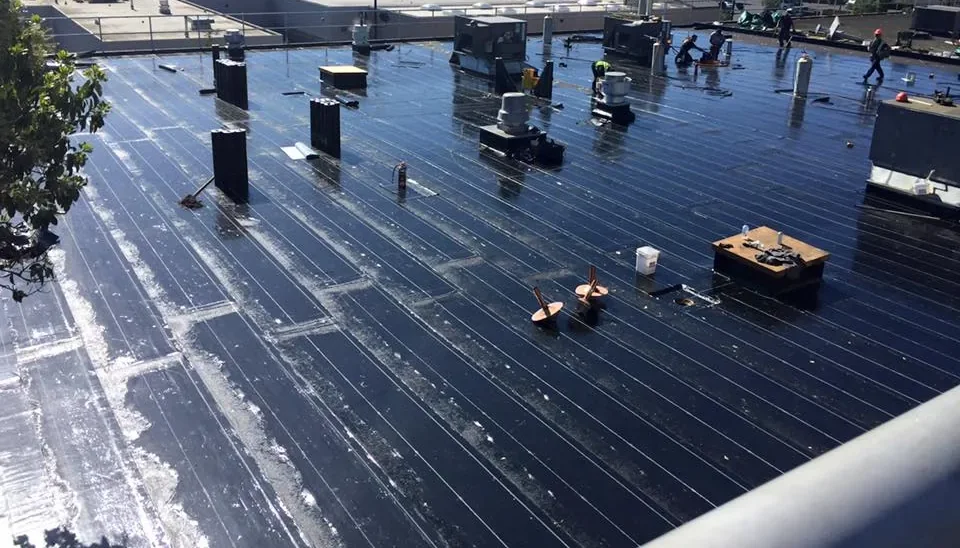
Roof Condition Reports
How the work is scoped, documented and phased on occupied Sugar Land buildings.
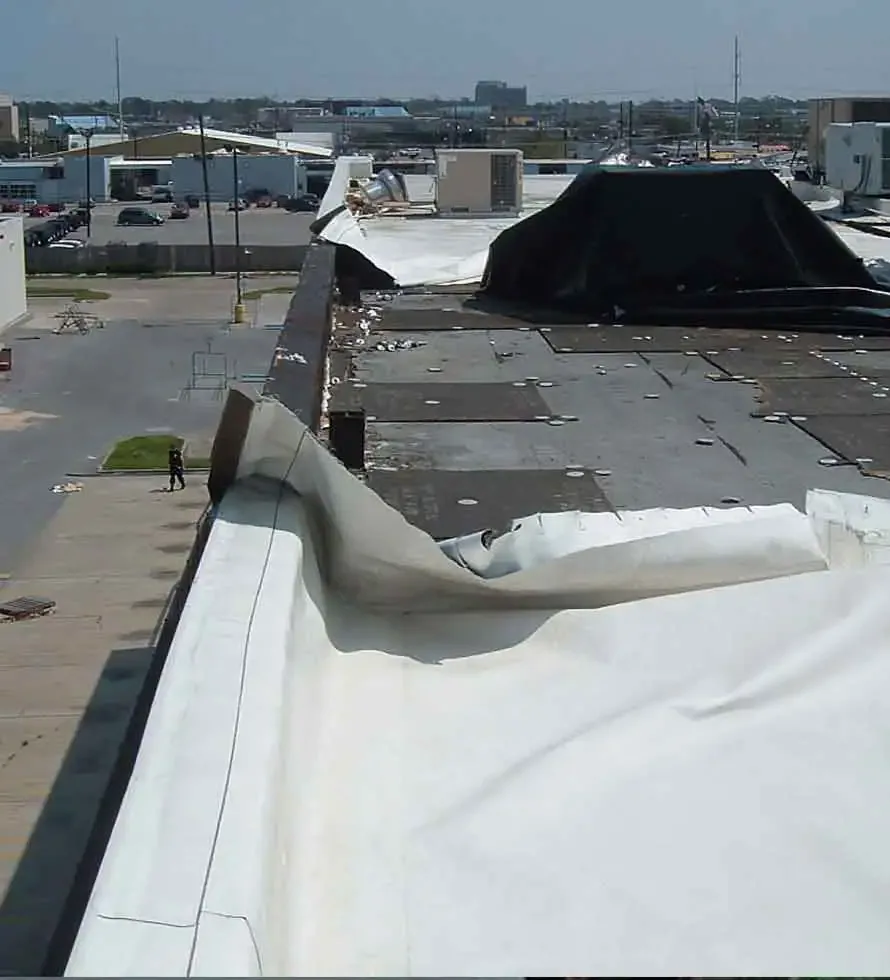
Commercial Roof Replacement
What we check on the roof, what we recommend and how the crew keeps the building open.
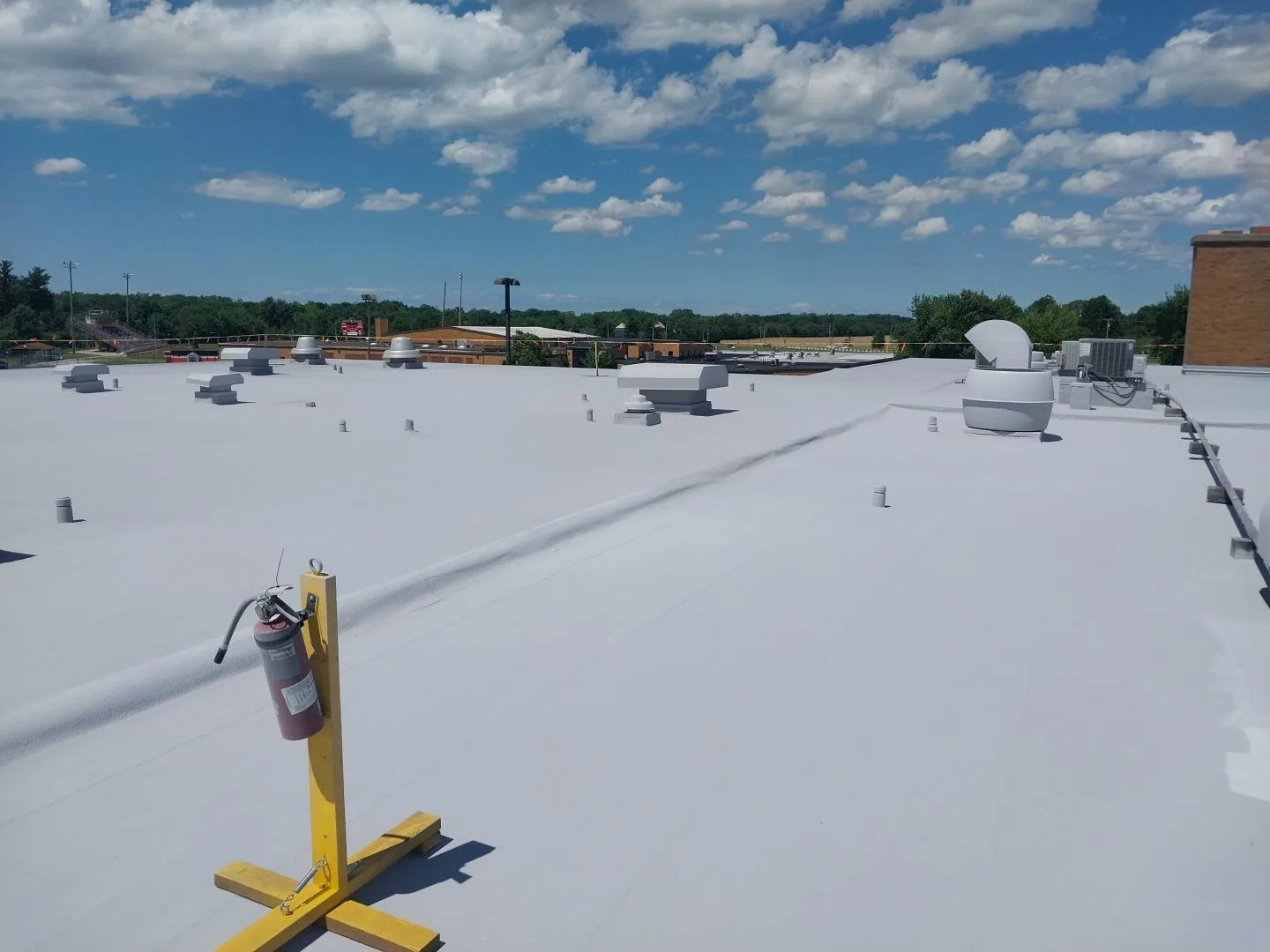
Roof Recover and Overlay
Conditions, options and next steps for commercial buildings in Fort Bend County.
Give the Owner a Clear Basis for the Investment
Request a condition-based roof capital plan with photos, defined options and visible assumptions, so you can explain the recommended expenditure and its timing.
Call 555-555-5555 or email [email protected].
Commercial Roofing Questions
Straight answers to the questions building owners and managers ask us most often.
Can a roof budget use installation age alone?
Age is useful background, but condition and assembly findings establish the next action. The plan combines repair history, observed defects, drainage and appropriate investigation of concealed layers. Unsupported remaining-life dates should stay out of the budget.
How should uncertainty appear in a replacement estimate?
Identify measured quantities, allowances and unresolved conditions separately. State the investigation needed to refine the scope and the process for concealed discoveries. A single total without those assumptions is harder to compare with another proposal.
What can justify moving a roof project ahead of its planned year?
A changed condition with a documented consequence. Active entry, deteriorating support or a drainage defect may alter the timing. The recommendation should explain the finding and response rather than relying on a general age threshold.
Does a less expensive option offer the same result?
Compare the actual scope and what remains in place. Repair, recover, coating and replacement address different conditions. Suitable materials, attachment, drainage and maintenance requirements need review before two proposals can be treated as equivalent.
The Building Schedule and the Roof Schedule
At Sugar Land Town Square, the mixed office and retail setting makes operating coordination part of the investment discussion. The manager identifies the actual tenant needs, staging limits and access for the property being assessed. Those arrangements can affect phasing and cost without changing the roof defect itself. A budget should distinguish the physical scope from the preparation needed to perform it.
For an owner also managing a building in Stafford, the schedule retains separate approval and access requirements for that address. Gulf Coast weather influences suitable installation windows, and the plan allows for forecast changes before removal begins. A preferred quarter is a planning target rather than a promise of uninterrupted work. The owner sees what can be decided now and which dates depend on the final assembly, approvals and operating arrangements. A portfolio that reaches South Houston still needs condition evidence for each property's own investment decision.
Findings That Can Bring Work Forward
New water entry, recurring ponding or changing moisture findings can justify revisiting a planned expenditure. The response begins with the cause. A blocked outlet may need maintenance; a supporting or elevation problem needs a different investigation. Retained water can affect materials beneath an apparently sound membrane, so a surface photograph alone cannot settle the larger decision.
An infrared moisture survey can help direct testing when the assembly and conditions suit the method. Confirmed findings and their limits inform removal estimates. Drainage observations may lead to drain and scupper work after the outlet arrangement and supporting conditions are reviewed. The capital plan states the finding that brought the decision forward and the scope needed to address it.
How a Roof Project Runs
Every roof we take on moves through the same six steps:
01
Roof Walk
We walk the whole roof and photograph the membrane, seams, flashings, drains and equipment.
02
Moisture Check
Readings and core cuts show what is wet below the surface before anyone prices a repair.
03
Written Findings
You get plain-language findings, photos and the options that fit the roof.
04
Scope and Price
One written scope covers the system, the details, drainage changes and the price.
05
Scheduled Work
Crews work around tenants, deliveries and weather, closing the roof every night.
06
Closeout
We walk the finished roof with you and hand over photos and warranty paperwork.
Priorities Across More Than One Roof
A portfolio plan compares roofs by observed condition and consequence. An active opening above sensitive operations may need prompt attention, while a sound area with manageable wear remains on a maintenance schedule. The written reason matters more than the rank alone. It tells the owner what is likely to happen if the item remains unresolved and which information could alter that judgment.
Multi-site roof programs can coordinate inspection and compatible maintenance tasks across properties. Larger investments retain their building-specific quantities, operating restrictions and approval requirements. Grouping work is useful only where the scopes remain suitable. The planning record identifies opportunities to coordinate and keeps separate projects distinct enough for the owner to approve, defer or investigate each one.
A Plan That Changes With the Evidence
The plan records its inspection date, assumptions and review triggers. A storm inspection, new equipment proposal or completed repair can change the baseline. Roof asset management keeps those updates attached to the correct roof area, so next year's decision uses the current work record.
After an investment is completed, the new assembly, attachment details and drainage arrangement enter the file with completion photographs. Maintenance requirements and outstanding checks are identified at handover. The next planning review compares actual performance and findings with the earlier assumptions. That process gives the property manager a clear explanation for changes in the budget instead of carrying an outdated replacement allowance forward automatically.