
Westchase
An office equipment curb can admit water through a flashing gap while its unit produces a separate drainage problem. In Westchase, we examine both paths and the surrounding assembly before defining commercial roof work. The repair proposal ties each task to its observed condition and the occupied area below. Photographs help the manager explain why a roof closure, equipment adjustment or further test belongs in the scope.
Westchase is a Houston business district divided by Beltway 8, with the Westpark Tollway along its southern edge. Its office setting includes hotel operations such as the Marriott Westchase and Houston Hilton Westchase. We inspect, repair and replace low-slope and metal roofs here with building-specific access and protection plans. A portfolio property in Sugar Land, TX receives a separate condition assessment using comparable report categories.
The Curb, Support and Service Route
The inspection begins by locating equipment connections and the paths technicians use to reach them. Open flashing laps, damaged piping supports and abrasion receive separate entries where present. A condensate drain is checked alongside its roof connection rather than treated as the same task. The manager can then coordinate the equipment work with the compatible closure required around it.
Equipment connection repairs address the actual membrane, curb geometry and support arrangement. A proposed change in loading or support may require engineering review. Preparation follows the selected materials and substrate, with failed old patches removed where necessary. Completed photographs show the changed detail and adjoining condition for later service visits.
Water Without a Recent Rain
Retained rainwater can continue to appear after weather clears. Equipment condensate and condensation within the assembly are other possibilities. Condensation requires moisture to contact a surface below its dew point, with air movement and temperatures affecting the path. The investigation compares reported timing and room location with accessible roof construction and operating conditions.
A water-path examination selects testing for the actual uncertainty. An authorized sample can identify layers and local condition, while a suitably timed thermal survey may guide further checks. Each result retains its location and limitations. The manager receives a confirmed correction where evidence supports it and a practical next investigation where the cause remains unresolved.
Room Access and the Protective Sequence
Hotel roofing needs an agreed plan for the occupied rooms beneath each proposed opening. The operator identifies access periods, noise restrictions and the handling route for materials or debris. We coordinate air-handling precautions for the selected products and methods. The removal area and closure procedure are matched to those controls before work dates are chosen.
For hotel roof work, repeated protection or limited access can affect labor even when the physical repair quantity is modest. The scope states those provisions alongside insulation and detail corrections. Temporary protection is recorded with its return task, while permanent completion receives its own location-marked images. That keeps the room operations team informed about what has changed above occupied space.
Related Roofing Pages
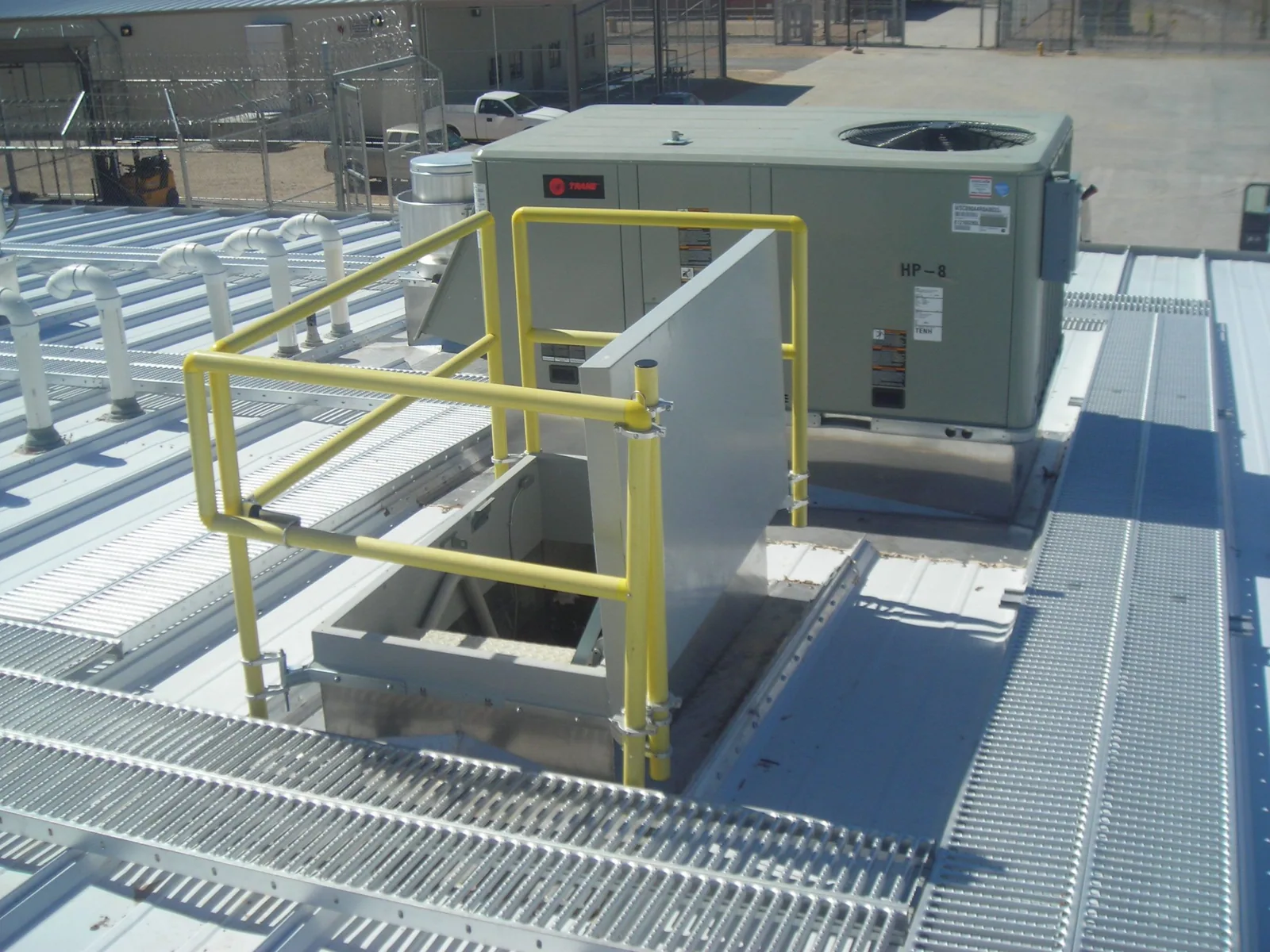
Rooftop Equipment Curbs and Supports
How the work is scoped, documented and phased on occupied Sugar Land buildings.
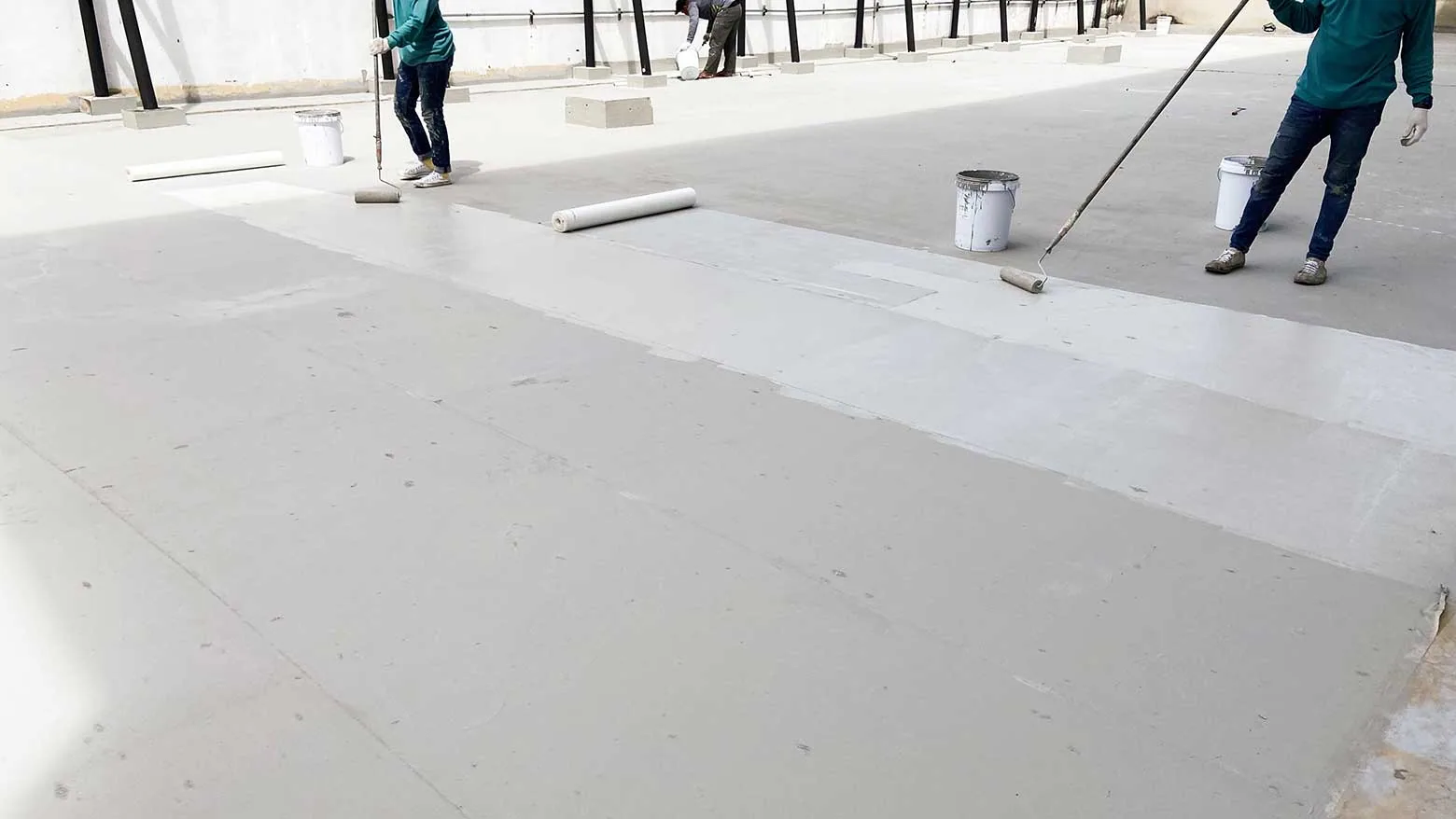
Commercial Roof Leak Repair
What we check on the roof, what we recommend and how the crew keeps the building open.
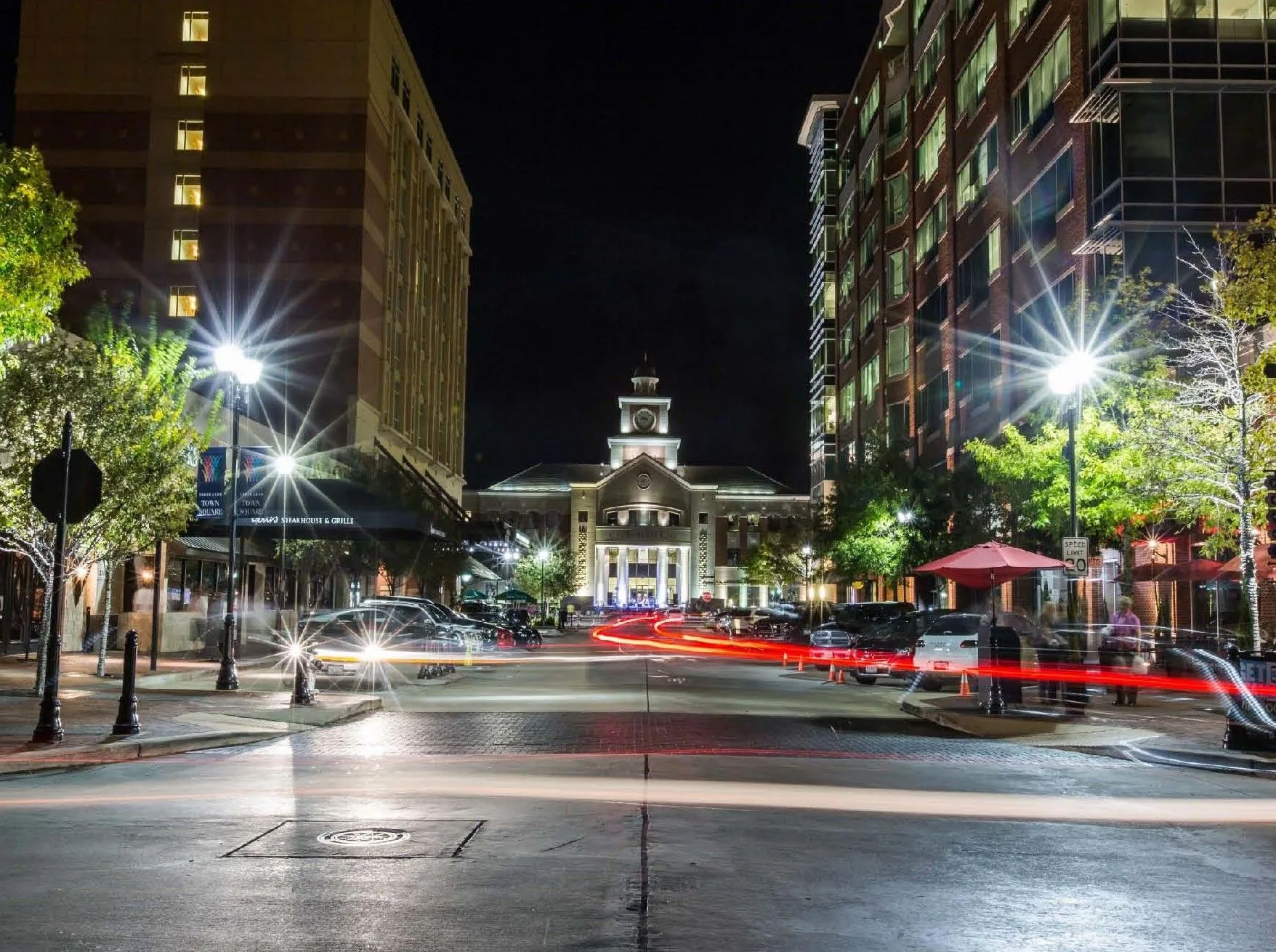
Hotel Roofing
Conditions, options and next steps for commercial buildings in Fort Bend County.
Explain the Westchase Roof and Equipment Findings
Arrange photos and a practical repair comparison for your Westchase office, hotel or commercial building, with the occupied-space provisions clearly stated.
Call 555-555-5555 or email [email protected].
Commercial Roofing Questions
Straight answers to the questions building owners and managers ask us most often.
Why separate an equipment drain problem from its flashing?
The two paths can require different corrections even when water appears at the same room. We inspect each connection and document the supported finding. The manager can then coordinate roofing and mechanical tasks without leaving one cause unresolved.
What should a hotel receive before a roofing phase starts?
The work area, room-access arrangements, protection and closure procedure need agreement. Product use and air-handling controls are reviewed with the operator. The schedule then accounts for the actual conditions and operating restrictions.
How does an owner compare a coating with larger work?
Use the same known corrections and operating provisions in both scopes. The coating also needs suitability checks for compatibility, adhesion and the retained assembly. Removal, insulation and detail quantities remain visible rather than disappearing into a finish-only allowance.
What makes the equipment repair record useful later?
Located photos and material descriptions let the next visit examine the same connection. Added equipment and changed supports can be compared with that baseline. The record identifies completed work and any remaining follow-up task.
Sun-Exposed Repairs and Inlet Connections
Daily surface heating can reveal weak bonding at a patch or stress a joint with unsuitable movement provisions. We examine the damaged edge and underlying connection, then identify compatible preparation. Rebuilding a loose termination is a different task from maintaining a sound sealant joint. The proposal shows which material needs removal and how the new detail ties into the retained assembly.
Drainage checks record the accessible inlet, overflow details and nearby surface elevations. Cleaning can restore flow through an obstruction, while a remaining low area may require another investigation. Drainage detail work includes the flashing around the outlet. Added drains or slope changes need plumbing and structural coordination, with the discharge route identified as part of the design review.
A Comparable Scope for Restoration and Removal
The decision considers the extent of deterioration, moisture, adhesion, attachment and drainage. A defined opening may support local repair where surrounding materials are suitable. Saturated or damaged layers within the scope need correction. The investigation maps tested points and explains any estimated boundary affecting removal quantities.
A restoration coating needs a compatible sound substrate and repaired details, with suitable moisture and drainage conditions. A proposed overlay needs an eligible retained assembly, with attachment and loading addressed during project review. Extensive deterioration can make removal the suitable course. The owner sees the preparation, insulation changes and rebuilt connections included under each option, making the comparison about the same known problems.
Cost is influenced by roof access, disposal, equipment protection and the sequence over occupied areas. Product limits and substrate moisture affect the available installation window. The reviewing authority and project requirements are confirmed for the Houston address and proposed assembly. Required specialist checks remain attached to the task they affect so the manager can arrange them before treating an option as ready to install.
How a Roof Project Runs
Every roof we take on moves through the same six steps:
01
Roof Walk
We walk the whole roof and photograph the membrane, seams, flashings, drains and equipment.
02
Moisture Check
Readings and core cuts show what is wet below the surface before anyone prices a repair.
03
Written Findings
You get plain-language findings, photos and the options that fit the roof.
04
Scope and Price
One written scope covers the system, the details, drainage changes and the price.
05
Scheduled Work
Crews work around tenants, deliveries and weather, closing the roof every night.
06
Closeout
We walk the finished roof with you and hand over photos and warranty paperwork.
Beltway 8 Access and the Office Record
Beltway 8 and the Westpark Tollway provide routes toward Westchase, while the approved entrance and receiving plan establish the approach to each building. We locate staging, pedestrian protection and material handling with management. An office roof assessment links the roof work to the affected suites and equipment areas. The property contact can then coordinate access before the crew needs an interior check or protective opening.
A separate office in the Energy Corridor or commercial property in Alief receives its own test coverage and condition findings. At Westchase, the maintenance record locates completed work and the next action for each unresolved concern. Night and holiday reports begin an urgent assessment. Crew availability, weather and access govern the protective work that can be attempted, with the completed protection and permanent follow-up documented separately.
Future equipment alterations are added to the same roof-area record. The manager can locate an earlier closure, identify the materials used and compare the new finding with the completion photos. That practical history supports both routine maintenance and a larger work comparison when the assembly needs more extensive correction.
Office and hotel work can place different demands on the same property's roof schedule. We separate work by roof section, then identify which rooms, air intakes and service paths sit below each proposed opening. The property contact confirms any quiet periods or delivery restrictions before removal begins. If a leak response cannot wait for the normal work window, we define the safe temporary measure first and return for permanent work under the agreed access plan. At closeout, photos show the repaired junction and any equipment or wall item assigned to another trade.