
Meadows Place
A small commercial roof opening can need substantial coordination when it sits over occupied rooms. At Meadows Place, we identify the affected detail and the space below before selecting removal or a repair method. The inspection explains whether the evidence supports rain entry, an equipment drainage issue or a further moisture investigation. The manager receives photos and a defined next action rather than a roof-wide conclusion drawn from one interior stain.
Meadows Place sits along I-69/US 59, approximately one mile southwest of Beltway 8. Sugar Land lies to its west, Stafford to its south and Houston to its northeast. Those connections guide travel to the property, while the actual building entrance and operating hours determine access. Commercial roof work in Meadows Place is assessed separately from work on a Sugar Land property.
The Interior Observation Before the Roof Test
Useful interior information includes the location, the time water appeared and whether rain or equipment operation preceded it. A damaged ceiling panel identifies where water became visible, but the entry can be elsewhere along layers or supporting members. We compare the reported location with the accessible roof details. The plan keeps confirmed defects separate from possible paths still requiring investigation.
A leak diagnosis may involve a controlled check, suitable moisture testing or equipment review. Each method is selected to answer a particular question. A sample can describe local condition, while a thermal pattern requires interpretation with the roof assembly and survey conditions. The report preserves those limits so the owner understands the basis of the correction and any further work needed.
A leak near the Southwest Freeway corridor can still originate from several different roof details. The reported room, recent rainfall, operating equipment and roof level above it help narrow the path. We record those conditions before choosing a test or opening. If water continues after dry weather, retained moisture and mechanical drainage remain possibilities alongside a flashing defect. The diagnosis follows evidence from the property rather than the nearby road or another building's repair history.
Air Paths and Condensate Near Equipment
Humid air can produce condensation if it reaches a surface below its dew point. An opening in air-control materials or an equipment-related air path may contribute, depending on the actual building conditions. Outdoor humidity does not by itself establish that mechanism inside the roof. Retained rainwater and condensate drainage can produce similar timing, so the investigation considers all accessible evidence.
We inspect the installed curb, piping and surrounding membrane where equipment is involved. The roof closure and mechanical drainage are treated as distinct tasks when both need correction. Curb and support repairs use details compatible with the installed assembly. An alteration that changes loading or the support arrangement needs the appropriate structural review before its roof connection is rebuilt.
Occupied-Building Precautions Along the Freeway
The Southwest Freeway corridor also serves Houston Methodist Sugar Land Hospital farther west, within Sugar Land. That nearby medical presence illustrates why roof work over occupied space needs a plan for room access, interior protection and air handling. For the Meadows Place building being repaired, those requirements are confirmed with its own operator. The room-use plan identifies the spaces beneath each proposed opening and the contact authorizing interior access.
A medical office assessment coordinates product use, dust and noise with the facility team. Other commercial occupancies have their own receiving and tenant restrictions. We identify the area that can be opened and closed during the available period, then record protection completed. Temporary measures remain identified as temporary, with their limits and permanent follow-up tasks visible to management.
Related Roofing Pages
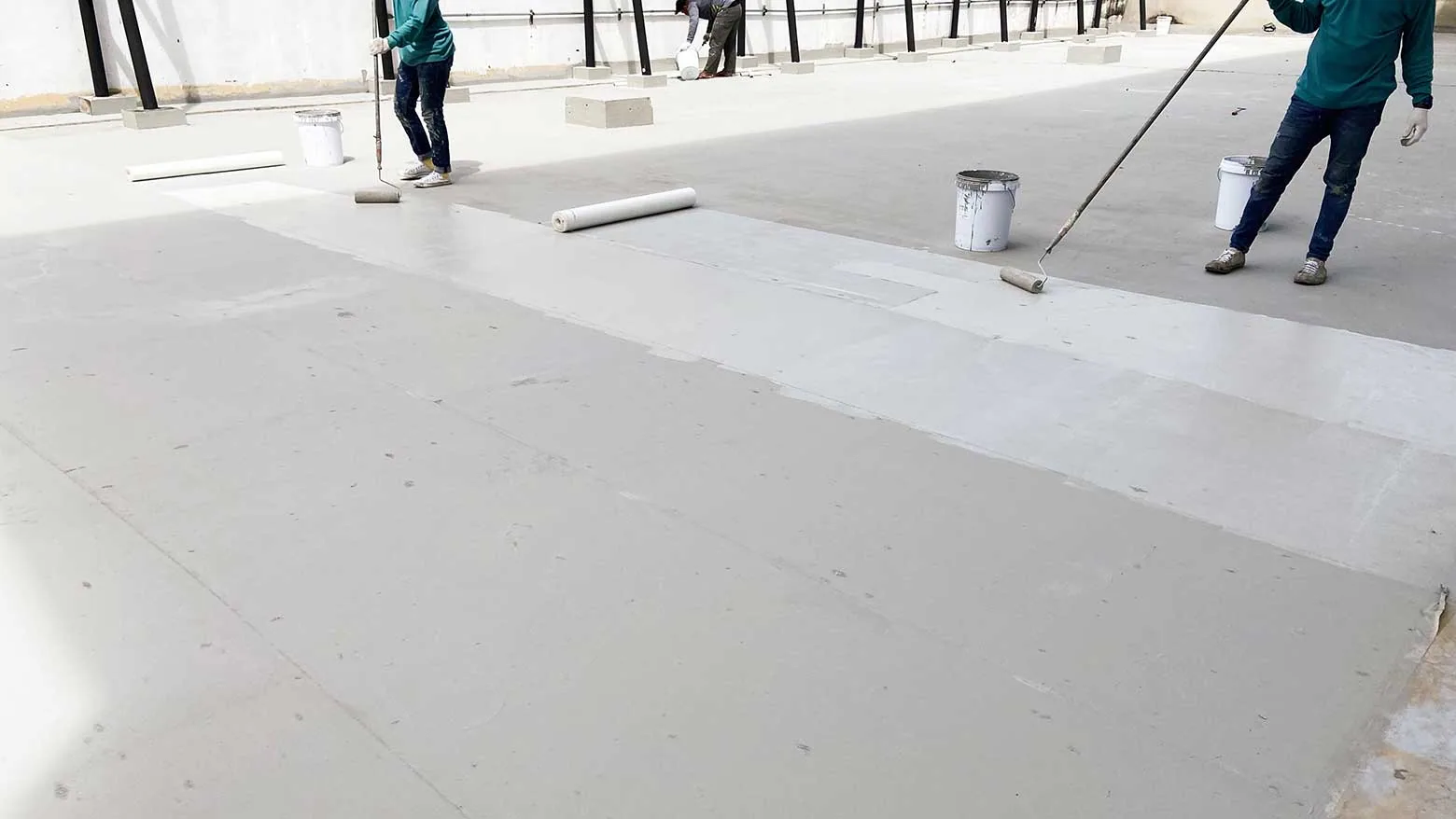
Commercial Roof Leak Repair
How the work is scoped, documented and phased on occupied Sugar Land buildings.
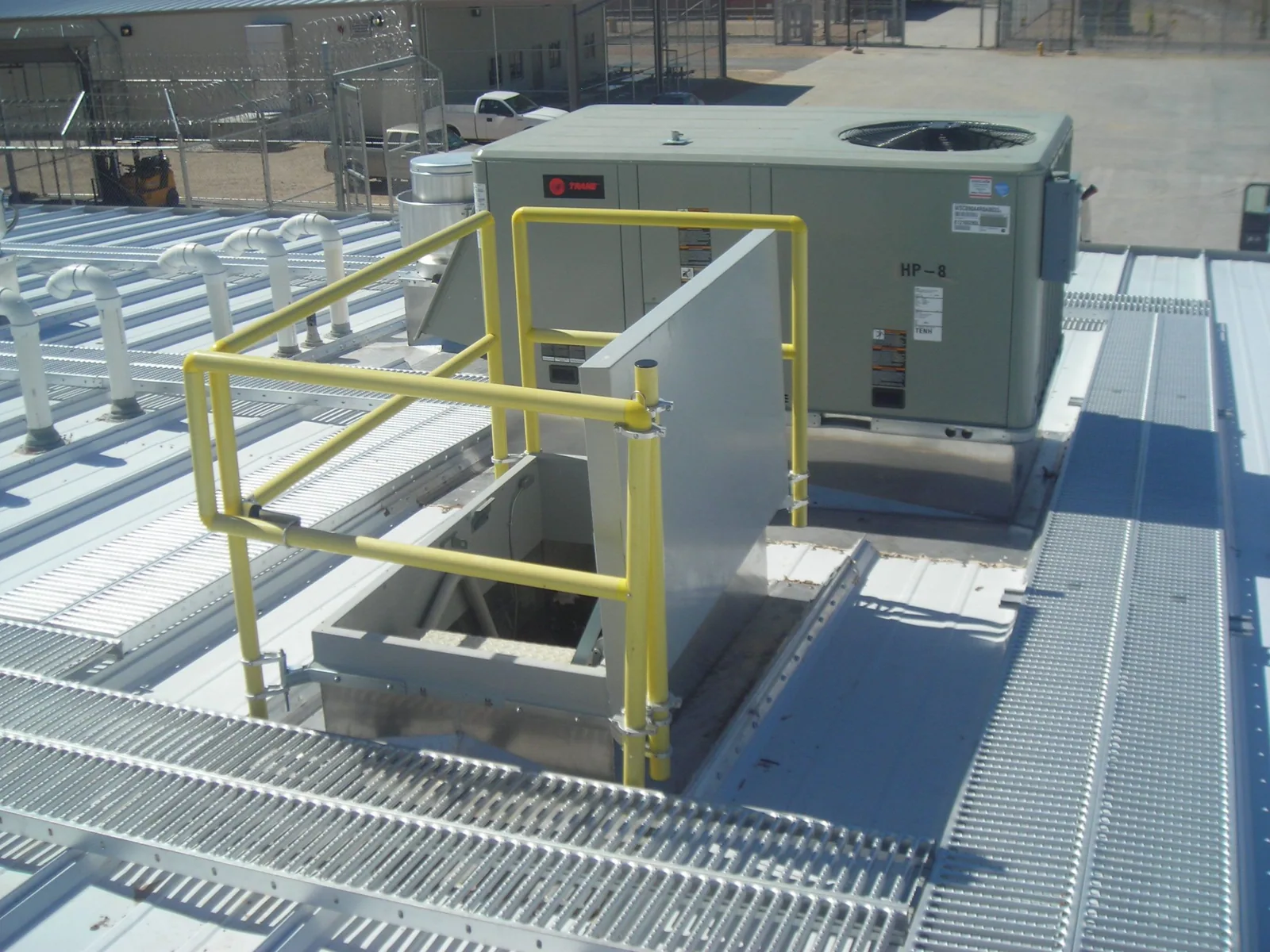
Rooftop Equipment Curbs and Supports
What we check on the roof, what we recommend and how the crew keeps the building open.
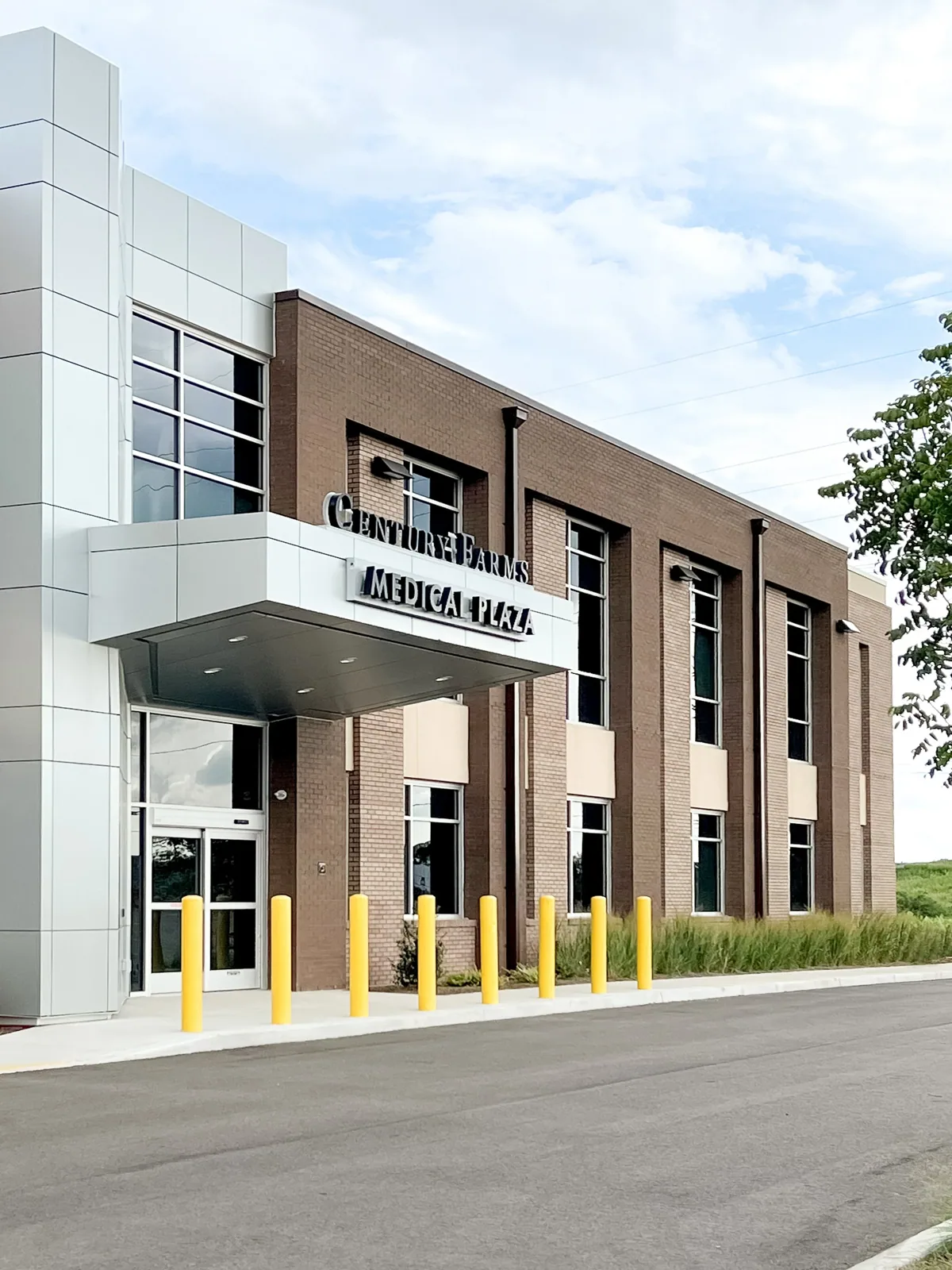
Medical Office Roofing
Conditions, options and next steps for commercial buildings in Fort Bend County.
Make the Meadows Place Repair Clear
Arrange photos and a plain explanation of the moisture findings, repair detail and occupied-building precautions for your Meadows Place property.
Call 555-555-5555 or email [email protected].
Commercial Roofing Questions
Straight answers to the questions building owners and managers ask us most often.
Does the nearest roof detail explain an interior stain?
It is a location to investigate, not proof of the entry point. We compare the interior report with accessible connections and suitable testing. Water can travel through the assembly before it becomes visible.
Can the same curb need roofing and mechanical repairs?
A flashing opening and an equipment drainage defect can coexist. We document each finding and identify the task addressing it. The manager can coordinate the trades without treating one completed repair as the answer to both causes.
What must be corrected before coating is priced?
Define unsuitable patches, damaged details and moisture or drainage concerns first. Compatibility and adhesion also need assessment. The price identifies those preparation tasks and the assembly the owner would retain.
How does a restricted access period affect repair planning?
The opening and closure sequence must fit the allowed period and protection requirements. Extra handling or repeat visits may be necessary. We identify those tasks with the roof quantities so the owner understands the operating allowance.
Heat-Affected Repairs and Outlet Conditions
Sun-exposed roofing and metal can change temperature substantially through a day. Where a patch lifts or sealant cracks, we examine bonding, preparation and the movement expected at the detail. A compatible correction may need removal of earlier material or rebuilding of the connection beneath it. Applying another finish does not restore a weak attachment.
Water remaining on the roof receives a separate drainage investigation. The inspection records inlet condition, accessible overflow details and surface elevations where needed. For drain repairs, cleaning is distinguished from a design change such as adding an outlet or tapered insulation. Plumbing and structural requirements are reviewed for those changes. A clear strainer cannot by itself establish that the intended drainage route is adequate.
Corrective Work Before a Surface Treatment
A restoration treatment needs a suitable retained assembly. We examine material compatibility, adhesion, attachment, moisture and drainage, then identify failed details that require correction. A dry reading at one point is not a roof-wide approval. The proposed scope states the tested areas, local removal quantities and any unresolved condition that could affect the larger option.
A coating restoration plan includes preparation and repaired connections, not simply the area receiving a finish. A recover also requires eligibility and loading review, with unsuitable wet layers removed. Replacement may address widespread deterioration more coherently than many partial treatments. The owner receives each option's retained materials and necessary corrections, allowing a comparison on the same known condition.
Cost also reflects access equipment, disposal routes and the handling needed near occupied entrances. Restricted hours can add repeated closures or mobilization, while material application limits can affect the available weather window. Applicable project requirements are confirmed for the Meadows Place jurisdiction and proposed assembly. The report explains those provisions alongside the physical roof quantities rather than treating them as unexplained additions.
The agreed work area is shown on the plan, with excluded sections identified for later attention. Any expanded removal needs documented findings and a revised scope before the additional work proceeds.
How a Roof Project Runs
Every roof we take on moves through the same six steps:
01
Roof Walk
We walk the whole roof and photograph the membrane, seams, flashings, drains and equipment.
02
Moisture Check
Readings and core cuts show what is wet below the surface before anyone prices a repair.
03
Written Findings
You get plain-language findings, photos and the options that fit the roof.
04
Scope and Price
One written scope covers the system, the details, drainage changes and the price.
05
Scheduled Work
Crews work around tenants, deliveries and weather, closing the roof every night.
06
Closeout
We walk the finished roof with you and hand over photos and warranty paperwork.
The Property Repair and Maintenance Record
Completed work is located on a roof plan with photographs and material descriptions. Drain maintenance, detail reconstruction and equipment concerns receive separate entries. The next visit can compare the same locations and identify a changed support, renewed opening or unresolved drainage condition. That continuity helps the manager schedule practical tasks without reconstructing the work from scattered receipts.
An owner with another building in Stafford or at Sugar Land Town Square can use comparable reports while retaining separate findings. At Meadows Place, emergency water-entry reports are accepted outside normal hours, including holidays. Available crews evaluate safe access, weather and practical protective measures. The visit record identifies what was completed and which permanent task still needs scheduling.
A compact service area does not remove the need for a site-specific logistics plan. We confirm where vehicles can stage, which entrance remains open and how materials reach the roof without crossing active public paths. A building near a busy road may have limited space for lifts or debris containers, so those arrangements affect both protection and sequence. The property contact receives a daily account of completed work and any access decision that changes the next phase. A separate South Houston property needs its own access notes and verified roof findings.