
College and University Roofing
A campus roof can fail locally where a new penetration interrupts an older flashing or enclosure layer. The equipment change may be recent even when the building is well established, and the interior symptom may follow rain or laboratory operation. For college facilities in Sugar Land, TX, we examine the modified detail and surrounding assembly before attributing the problem to roof age. The manager receives a physical explanation tied to that building's use. It helps separate a localized correction from a campus-wide replacement assumption.
Campus Buildings and Their Individual Assemblies
The University of Houston at Sugar Land includes the Albert and Mamie George Building, Brazos Hall and the College of Technology building. The campus acreage describes the site, not the membrane area of those buildings. We identify actual roof sections from drawings and field measurements. Records are checked for known installation and alteration dates. A building's completion history remains separate from the condition and layer count found during inspection.
A facilities team comparing several buildings needs the same physical questions answered without assuming identical assemblies. Drainage, roof access, equipment supports and occupied spaces can differ substantially. An adjoining administrative building may need a different work schedule from a teaching laboratory. A school classroom wing offers another occupancy pattern to coordinate. The inspection record describes the building being assessed rather than borrowing condition from a neighboring roof.
Equipment Additions and Layer Continuity
A new exhaust duct creates more than a hole to seal. Its support, movement, flashing height and air-control connection must fit the roof assembly. Exhaust residue may also require product-specific compatibility review. We compare the modified junction with accessible layers and the equipment information supplied by the operator. A membrane patch does not establish that a concealed air path or unsuitable support was corrected.
Laboratory and technology equipment can have sensitive operating limits. The relevant trade reviews isolation and lifting, while we examine the weather-protection detail. Equipment curb work may include revised flashing or support design where clearance is insufficient. Reusing a footprint does not establish that the old support can carry a different load. The facilities manager receives a coordinated scope identifying which decisions belong to roofing, engineering and equipment installation.
Cooling Conditions and Concealed Moisture
A cooled teaching space beneath a humid outdoor environment can have moisture problems when enclosure continuity is interrupted. Condensation is possible where moist air reaches cold surfaces, but operating temperatures and air paths determine whether that mechanism occurs. Rain entry and mechanical drainage must also be checked. We compare the symptom's timing with laboratory operation, rainfall and accessible defects. The finding is described as confirmed only to the extent supported by the examination.
Thermal surveys can reveal differences needing investigation, including changes caused by insulation layout or equipment. Authorized physical samples establish the layer condition at chosen locations. The wider moisture assessment relates those samples to other readings and accessible coverage. A sampling plan must respect protected rooms and provide compatible closure of every cut. Where access is limited, the report describes the unresolved area instead of assuming that a dry nearby sample proves the whole wing suitable.
Related Roofing Pages
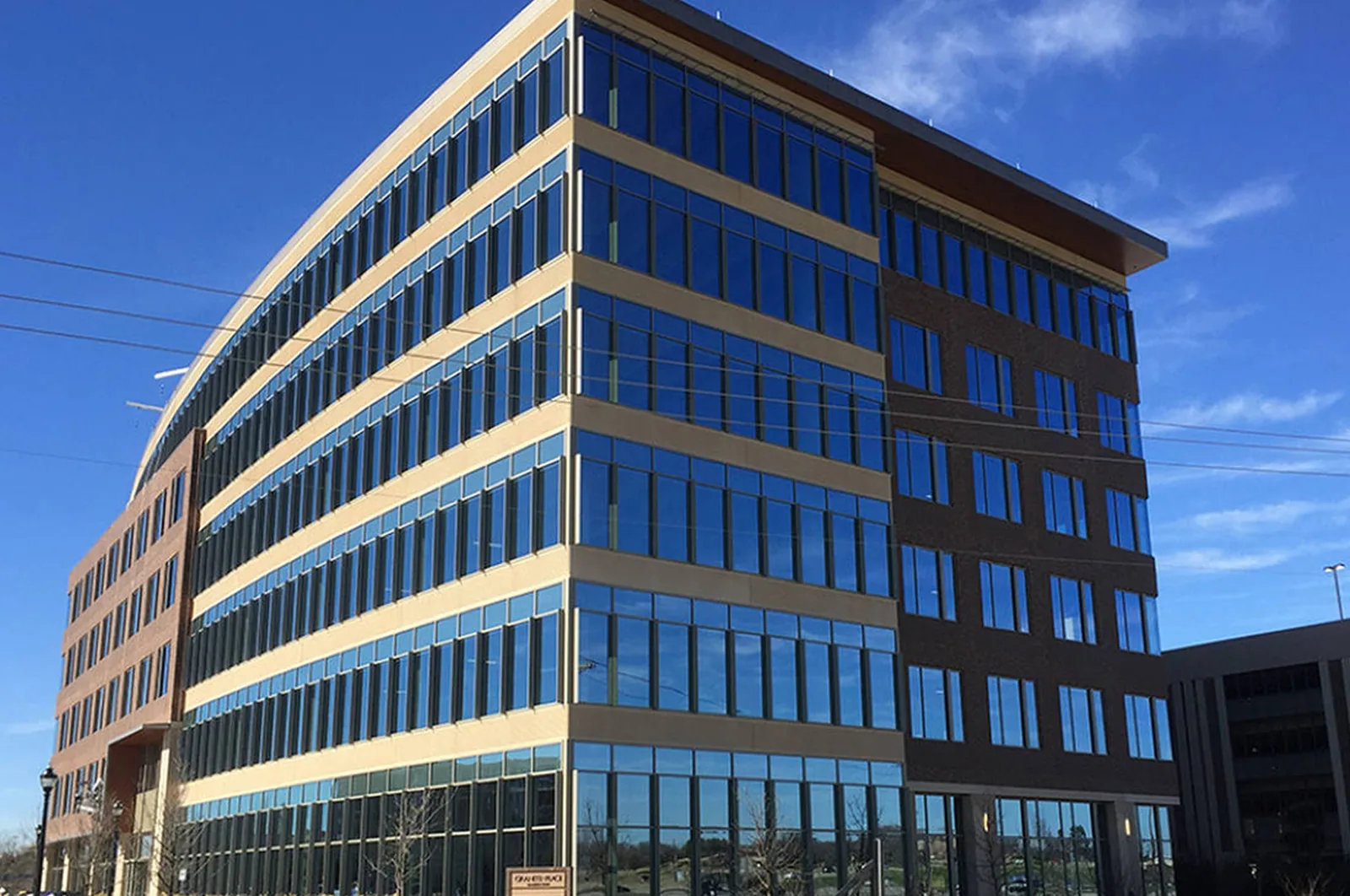
Office Building Roofing
How the work is scoped, documented and phased on occupied Sugar Land buildings.
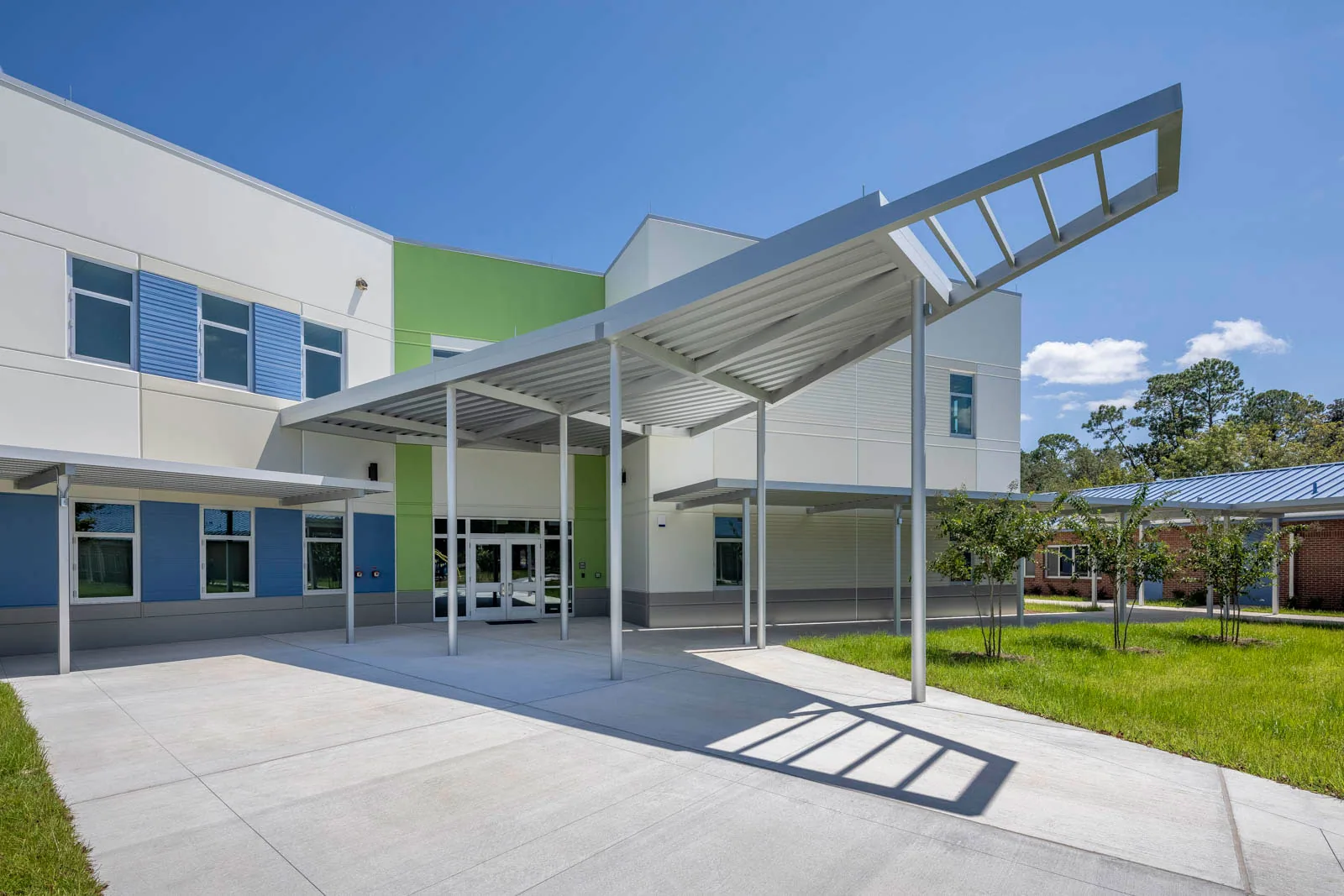
School Roofing
What we check on the roof, what we recommend and how the crew keeps the building open.
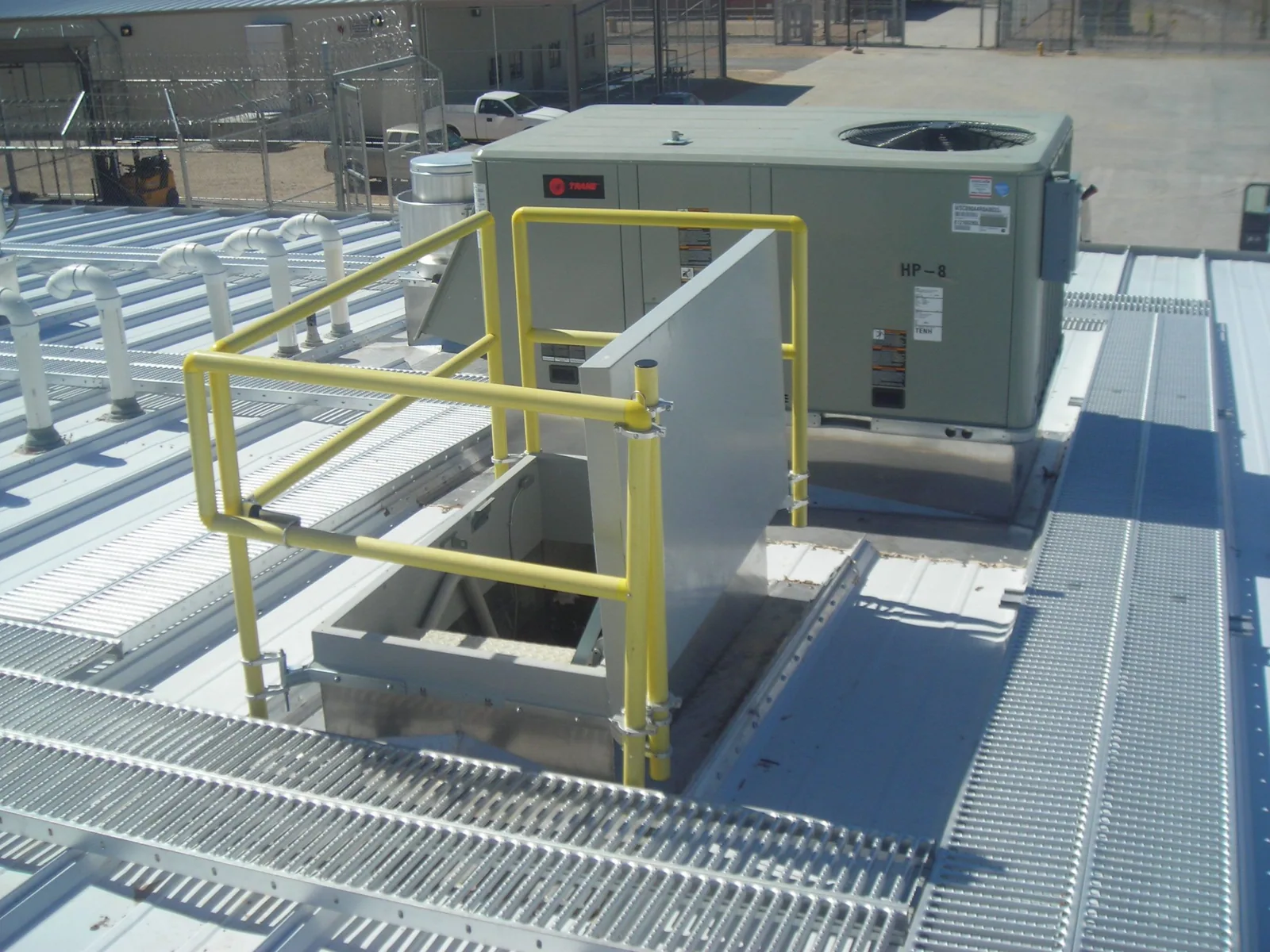
Rooftop Equipment Curbs and Supports
Conditions, options and next steps for commercial buildings in Fort Bend County.
Clear Campus Roof Findings for the Facilities Meeting
Arrange an assessment with photos and plain explanations of the assembly, moisture and repair options, including any restrictions that affect classes, labs and facilities staff.
Call 555-555-5555 or email [email protected].
Commercial Roofing Questions
Straight answers to the questions building owners and managers ask us most often.
Does a newer campus building need only a surface inspection?
Building age does not establish concealed roof condition or the history of equipment changes. The observed symptoms determine the investigation needed. Records and selected samples may be useful even where the building is recent.
Can roof work be scheduled simply between semesters?
Technical activity, events and maintenance may continue during that interval. Facilities staff identify occupied spaces and available engineering support. The proposed phase must fit those activities as well as weather and closure requirements.
Why review a laboratory exhaust before selecting a membrane?
The actual residue, temperature and exposure duration affect material suitability. We compare that information with guidance for the proposed product. A membrane family's generic reputation is insufficient for a specific process exposure.
What explains a leak near the join between campus wings?
Movement, flashing geometry and retained water can each contribute. Interior location alone does not settle the route. Surface levels and accessible junctions are examined before the corrective detail is selected.
Which roof findings help a facilities committee compare buildings?
Confirmed moisture locations, material condition, drainage defects, repair history and operating consequences. Those observations are kept separate from unknown installation dates. The committee receives the reasons for priorities rather than a ranking based only on building age.
Campus Routes and Regional Technology Uses
University Boulevard serves Telfair, where Texas Instruments operates a development facility. That local technology use provides context for equipment coordination without identifying a university roof system. For a campus building, material deliveries and lifts follow the routes approved by facilities staff. Pedestrian movement and emergency access need protection even when the teaching timetable is light. The intended work area is reviewed against those routes before the roof is opened.
Other occupied commercial uses at Sugar Land Town Square illustrate why access cannot be planned from an academic calendar alone. A campus can likewise have events, maintenance and technical activity while classes are paused. The manager identifies which rooms and entrances remain active. A proposed holiday or weekend phase must still have engineering support and a usable closure window. Those operating facts are included in the repair plan rather than assumed from the season. A campus or facility in South Houston needs an operating plan matched to its actual occupants and access controls.
Drainage Geometry and Corrective Choices
A low area beside a higher wing can keep water at wall flashing after rainfall. Obstruction, outlet levels, insulation condition or supporting geometry may contribute. We measure the surface and examine the discharge path before proposing tapered insulation or outlet changes. Plumbing and structural questions are referred for the appropriate design review. The membrane selected for a repair cannot by itself correct an unsuitable drainage arrangement.
Localized repairs are evaluated against compatible surrounding material and the moisture boundary. Coating requires suitable preparation and adhesion, while recover adds retained-layer, load and attachment questions. Replacement offers access to more construction but creates greater exposure during removal. The owner receives the physical reasons for each option and the limits of the examination. Drainage alterations and equipment coordination are identified separately so the scope is not mistaken for a simple sheet replacement.
How a Roof Project Runs
Every roof we take on moves through the same six steps:
01
Roof Walk
We walk the whole roof and photograph the membrane, seams, flashings, drains and equipment.
02
Moisture Check
Readings and core cuts show what is wet below the surface before anyone prices a repair.
03
Written Findings
You get plain-language findings, photos and the options that fit the roof.
04
Scope and Price
One written scope covers the system, the details, drainage changes and the price.
05
Scheduled Work
Crews work around tenants, deliveries and weather, closing the roof every night.
06
Closeout
We walk the finished roof with you and hand over photos and warranty paperwork.
Academic Windows and Completed Details
Work above teaching or technical space is divided into phases that the operator can approve. The forecast and practical closure method set the opening limit; a calendar deadline does not make unsafe weather suitable for removal. Noise, dust, intake exposure and room restrictions are evaluated for the actual task. Unexpected supporting damage can require a revised phase before additional material is removed. Staff receive the changed work location and any operating impact promptly.
Emergency response is available overnight and on holidays, with access and temporary protection assessed before a permanent campus window is available. Completed repairs are photographed by detail and building. The record includes materials, altered equipment junctions and any items left for another trade. Subsequent inspection can then compare recurring symptoms with the specific corrected work. Cost drivers such as support correction, limited access and protected laboratory space are explained alongside those findings.
Campus roof work benefits from a schedule tied to the actual building calendar. Facilities staff identify teaching rooms, labs, public events and service routes affected by the project. We plan deliveries and daily closures around those constraints and keep the affected roof sections marked separately by building. A leak in one classroom does not identify the entry point or show that another wing shares the same condition. The inspection record links each interior observation to accessible roof details and leaves an explicit follow-up task where additional access is required.