
Soprema Commercial Roofing
A split at the base of a bituminous flashing can admit water behind the upper surface without exposing the full damaged area. The detail needs examination of its layers, support and movement before another covering is applied. For Soprema roofing in Sugar Land, TX, we explain those findings through the actual junction. The manager receives the reason for the repair boundary and any related wall or equipment correction. That makes a concealed construction problem easier to discuss with the owner.
Layered Flashing and Movement at Walls
Several repair layers at a wall can obscure an older split or leave a stiff transition that cannot accommodate the movement present. We inspect accessible edges and compare the flashing with the supporting construction. A loose termination and a split lower connection are different defects even when both appear beside the same wall. The scope identifies their separate corrections. Where movement or support requires design input, that question is resolved before a new detail is treated as permanent.
Water can also enter through the wall above a roof connection. We compare the observed opening with interior symptoms and rainfall timing. A roof repair will address a confirmed roof defect, while masonry or other wall work retains its own boundary. Flashing correction at the affected junction includes surrounding layers where their condition requires it. The manager sees what each task is intended to resolve and which condition still needs another assessment.
Bituminous, Liquid and PVC Systems
Soprema product families include SBS bituminous, liquid-applied, PVC roofing and coating materials. Those choices require different substrate preparation and application procedures. We identify the existing product and accessible layer arrangement before proposing a repair. Prior coatings or patch materials may change the surface available for a new connection. Product guidance is checked for the actual substrate rather than inferred from the manufacturer's name.
A liquid detail requires a suitable prepared base and the specified reinforcement or components where required. A bituminous repair needs a suitable connection to the retained layers. Comparisons with Johns Manville bituminous assemblies and GAF commercial roofing materials retain those product-specific differences. We explain the application conditions relevant to the building and work period. An apparently simple surface repair can involve several preparation tasks before the permanent material is placed.
A roof containing several Soprema system types needs a separate method for each exposed condition. Liquid-applied details depend on specified reinforcement and preparation, while a bituminous connection relies on compatible retained layers and application conditions. PVC seams require their own identification and joining process. We map transitions before work so an installer does not carry the wrong preparation across the assembly. Where a product cannot be confirmed from records or markings, the scope describes the material type and the verification needed before installation.
We set each daily section around the weather exposure and the product cure time. Substrate moisture requirements can change the sequence after preparation exposes the assembly. We record any newly observed layer difference and review its effect before applying material. A phased plan gives the manager a clear update on completed protection, permanent work and decisions still awaiting confirmation.
Residue, Adhesion and Application Conditions
Dirt, moisture and incompatible residue can prevent a repair from forming the intended connection. We examine the exposed substrate before choosing cleaning, removal or preparation. An adhesion assessment must relate to the actual proposed product and local surface. A result at one prepared position does not automatically establish suitability across an unexamined roof. Wider variations in existing materials may require additional checks.
Application limits can include substrate moisture, temperature and curing conditions. The work plan allows for those requirements instead of assuming that an evening period is suitable simply because the building is quieter. Intakes and room operation are coordinated before preparation or application near them. Restoration work on a suitable substrate addresses surface protection only within its defined scope. Damaged support and wet layers need their own correction rather than concealment beneath a new finish.
Related Roofing Pages
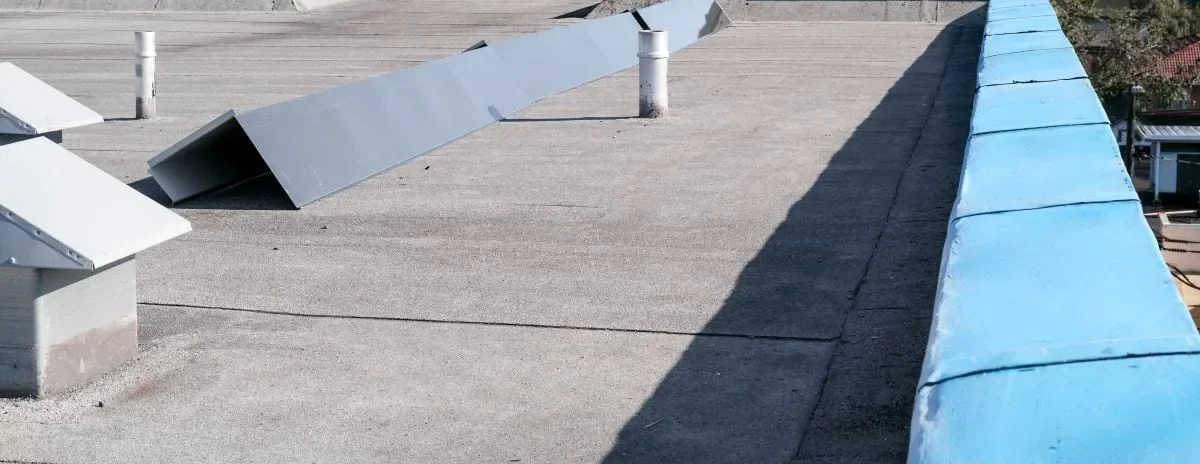
Roof Flashing Failure Repair
How the work is scoped, documented and phased on occupied Sugar Land buildings.
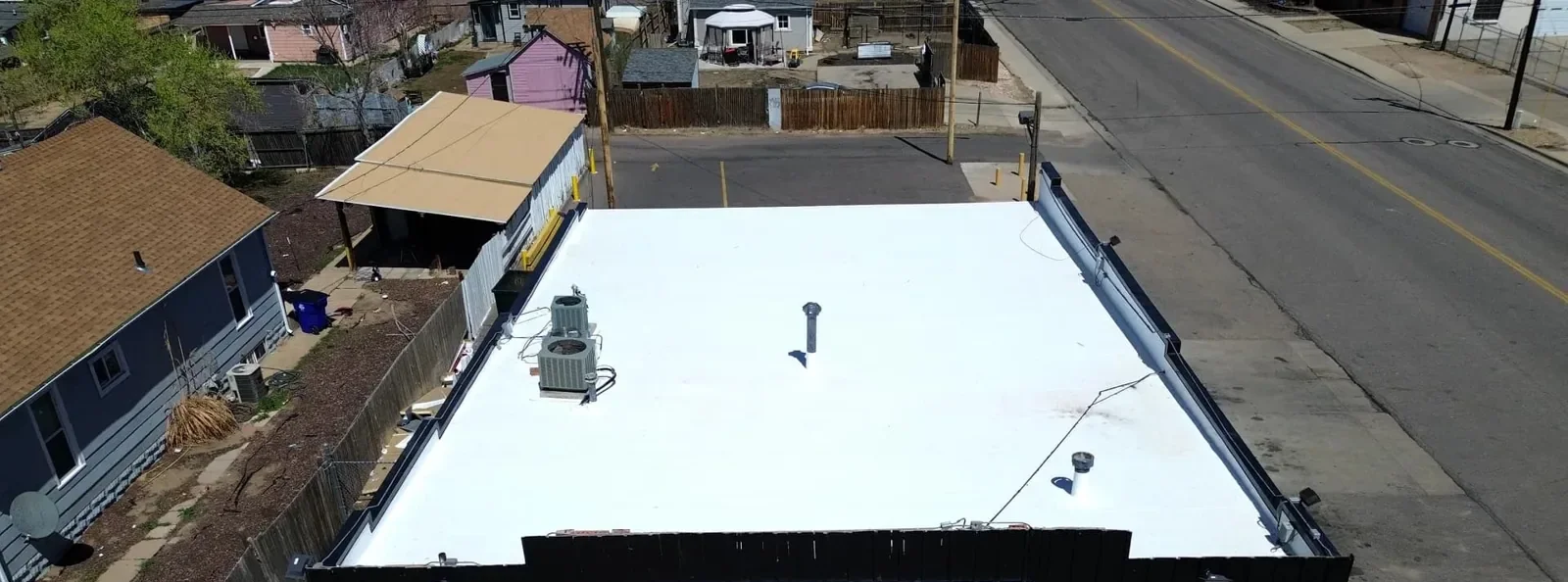
Johns Manville Roofing
What we check on the roof, what we recommend and how the crew keeps the building open.
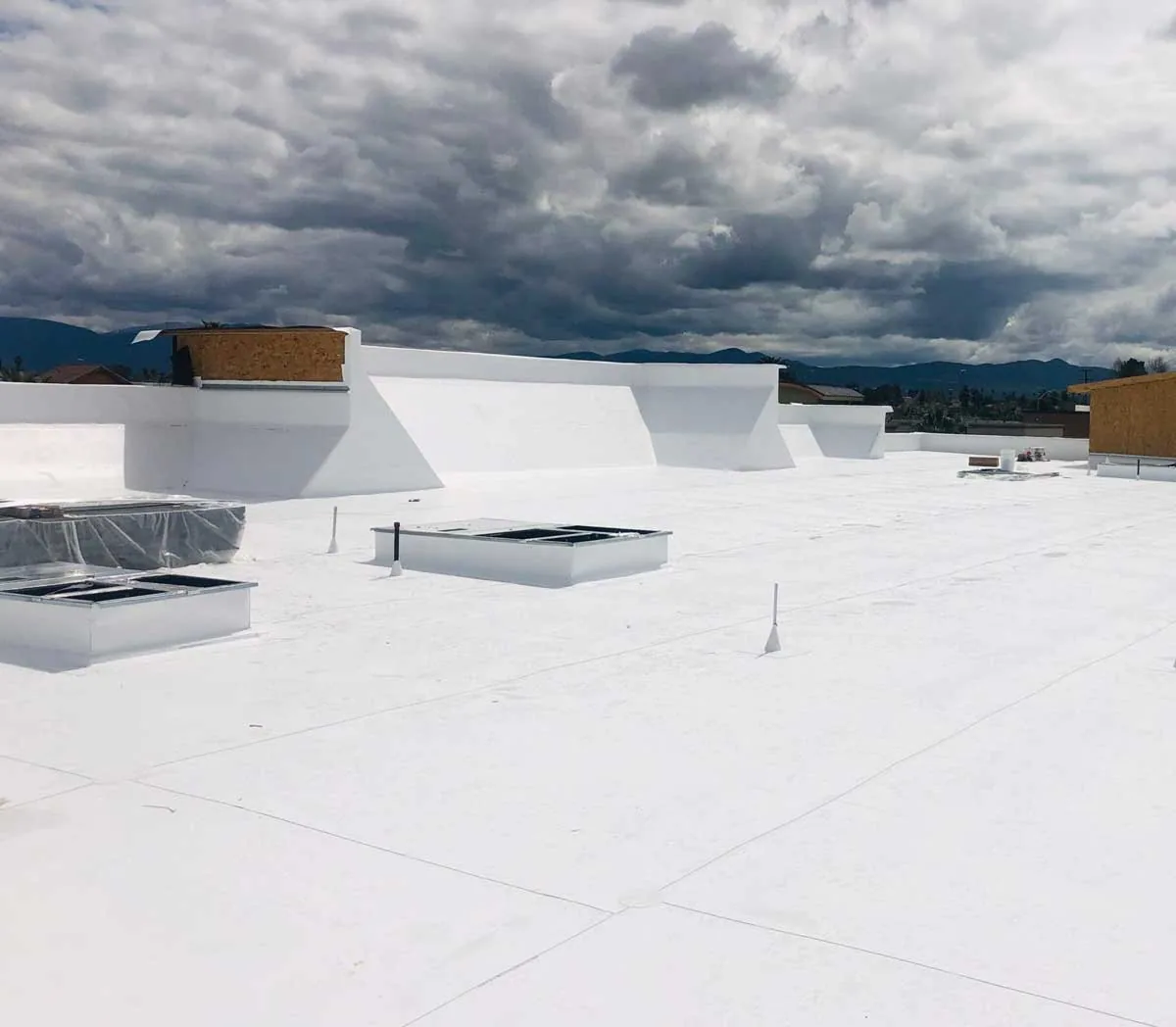
GAF Commercial Roofing
Conditions, options and next steps for commercial buildings in Fort Bend County.
Soprema Repair Choices Explained Through the Detail
Call for a careful assessment of layers, junctions and substrate condition. We will explain the photos and practical scope so you can brief the owner clearly.
Call 555-555-5555 or email [email protected].
Commercial Roofing Questions
Straight answers to the questions building owners and managers ask us most often.
Can liquid flashing cover several older repair layers?
The retained surface must be suitable for the specified product and connection. We examine preparation, adhesion and the underlying defect. Removing unsuitable material may be necessary before the liquid detail is applied.
Why examine a masonry wall beside a roof split?
Wall condition can affect the termination and may provide another water path. We assess accessible components above and beside the flashing. Roof and wall corrections are identified separately where both are needed.
Does a new coating correct a depressed drain approach?
Surface coverage does not change the supporting geometry by itself. We examine the outlet level and surrounding construction. The correction follows the physical drainage limitation found.
What can delay application after preparation?
Substrate moisture, temperature or curing conditions may fall outside the product requirements. Building intake controls can also limit the available period. We explain those constraints before scheduling permanent work.
How is a wider opening justified after a local split is found?
Selected examination can reveal damp layers or damaged support beyond the visible split. Those findings are photographed and related to the proposed boundary. The daily phase is adjusted only with a practical protection and closing plan.
Imperial Masonry and Town Square Access
The masonry Char House stands among the former refinery buildings in the Imperial Historic District. On a property with a masonry roof interface, the accessible wall condition matters to the termination detail. We examine the substrate receiving the connection and identify loose or deteriorated components. Proposed penetrations or equipment changes are compared with the existing junctions. The plan coordinates roof work with the construction that must remain protected.
At Sugar Land Town Square, offices, hotel activity and retail entrances can limit the available work periods. US 59 access and the shared commercial setting affect material delivery and removal routes. The manager identifies the rooms and entrances beneath the phase before work starts. A smaller opening may be appropriate where occupation creates a more restrictive protection requirement. The sequence is explained alongside the physical repair rather than added after the materials arrive. The same material review can support a distinct project in South Houston, where the installed assembly must be identified first.
Layer Investigation and Drainage Relationships
A layered assembly can retain moisture beyond the visible surface defect. We compare accessible findings with readings and selected physical examination points. The samples show local construction, while the wider pattern helps determine whether more examination is needed. Temperature contrasts alone cannot identify the full water route. Rain entry, equipment drainage and possible enclosure moisture are assessed as separate mechanisms.
Water retained beside a flashing can prolong exposure at a weak connection. Outlet obstruction, elevation and surface slope are examined individually. A drainage correction near the repair may involve another trade or project-specific design where piping and support govern it. Coating or patching the surface does not change those underlying levels automatically. The owner receives the reason for each related task and the evidence supporting its inclusion.
How a Roof Project Runs
Every roof we take on moves through the same six steps:
01
Roof Walk
We walk the whole roof and photograph the membrane, seams, flashings, drains and equipment.
02
Moisture Check
Readings and core cuts show what is wet below the surface before anyone prices a repair.
03
Written Findings
You get plain-language findings, photos and the options that fit the roof.
04
Scope and Price
One written scope covers the system, the details, drainage changes and the price.
05
Scheduled Work
Crews work around tenants, deliveries and weather, closing the roof every night.
06
Closeout
We walk the finished roof with you and hand over photos and warranty paperwork.
Removal Limits and Occupied Work Decisions
Limited repair remains possible where suitable surrounding materials and construction permit it. A recover retains existing layers, adds weight and changes detail clearances, so it requires review beyond surface appearance. Replacement exposes more construction but increases removal and protection needs. At a Stafford commercial property, loading and equipment operations may influence that sequence. Cost drivers are explained as physical tasks such as damaged board removal, wall coordination or revised drainage.
Urgent assistance is available outside normal business hours, including weekends and holiday closures. Immediate protection is chosen for the safely accessible damage and weather at the building. Permanent application may need a later suitable period. We record the completed material, repaired junction and outstanding other-trade work. Issued warranty requirements are reviewed for notices and applicable repair provisions, with coverage determined separately under those terms.