
Sharpstown
A row of old patches can contain several different repair materials, each needing its own preparation before further work. In Sharpstown, we examine those changes and the surrounding assembly to define a commercial roofing correction. The proposal explains which material is failing, how it is removed and what detail is rebuilt. Photos give management a practical basis for comparing local repairs with a larger scope.
Sharpstown is a southwest Houston district crossed by I-69/US 59. Its commercial routes include Bellaire Boulevard and Harwin Drive, with PlazAmericas among the area's established retail institutions. We inspect, maintain and replace low-slope and metal roofs at the actual property under review. Another building in Sugar Land, TX needs separate findings, access arrangements and project requirements.
The Bond Below an Earlier Patch
A patch may lift because the substrate was dirty, the older compound was unsuitable or the material below has deteriorated. We examine the boundary and accessible support before selecting a closure. Removing failed preparation can be part of the repair even when the opening itself is small. The scope identifies that work rather than describing only the new surface material.
For a defined roof repair, preparation follows the installed membrane and selected product. The rebuilt connection needs the intended movement and fastening provisions where relevant. A sound neighboring field can remain if its condition supports retention. The record locates the removed material and completed tie-in so a later visit can check the same detail.
Completion checks follow the repair method and the detail involved. The record identifies the material installed, preparation completed and any test used to assess the closure. If concealed damage expands the work after opening, the manager receives the finding and revised quantity before additional removal. That makes the change understandable and preserves a clear boundary between the original task and newly confirmed deterioration.
Equipment and Tenant Changes at Retail Space
A changed tenant may introduce supports, exhaust or capped penetrations. We inspect alterations actually present and compare them with available records. Equipment drainage and its roof flashing are examined as separate possible water paths. Responsibility and timing are coordinated with management rather than inferred solely from the location of an interior stain.
A retail roofing assessment maps the roof sections and occupied areas affected by work. PlazAmericas, formerly Sharpstown Center, has a long enclosed-mall history within the district. At a building under assessment, the operator confirms access, receiving windows and interior protection. The proposed removal area and closure method are selected against those practical constraints.
Concealed Condition at Selected Locations
A visible surface walk can identify openings and wear, while concealed moisture may need additional investigation. An authorized sample describes layers at its selected point. A thermal survey can locate differences worth testing when conditions provide useful contrast. Assembly information and suitable confirmation support the interpretation before a removal quantity is defined.
Thermal investigation retains the tested locations, estimated boundaries and inaccessible areas in its findings. The manager can then explain which correction has a supported quantity and which needs another check. Broader decisions also consider attachment, drainage and supporting condition. A local moisture result is one part of that assessment, not a replacement for the whole assembly review.
Related Roofing Pages
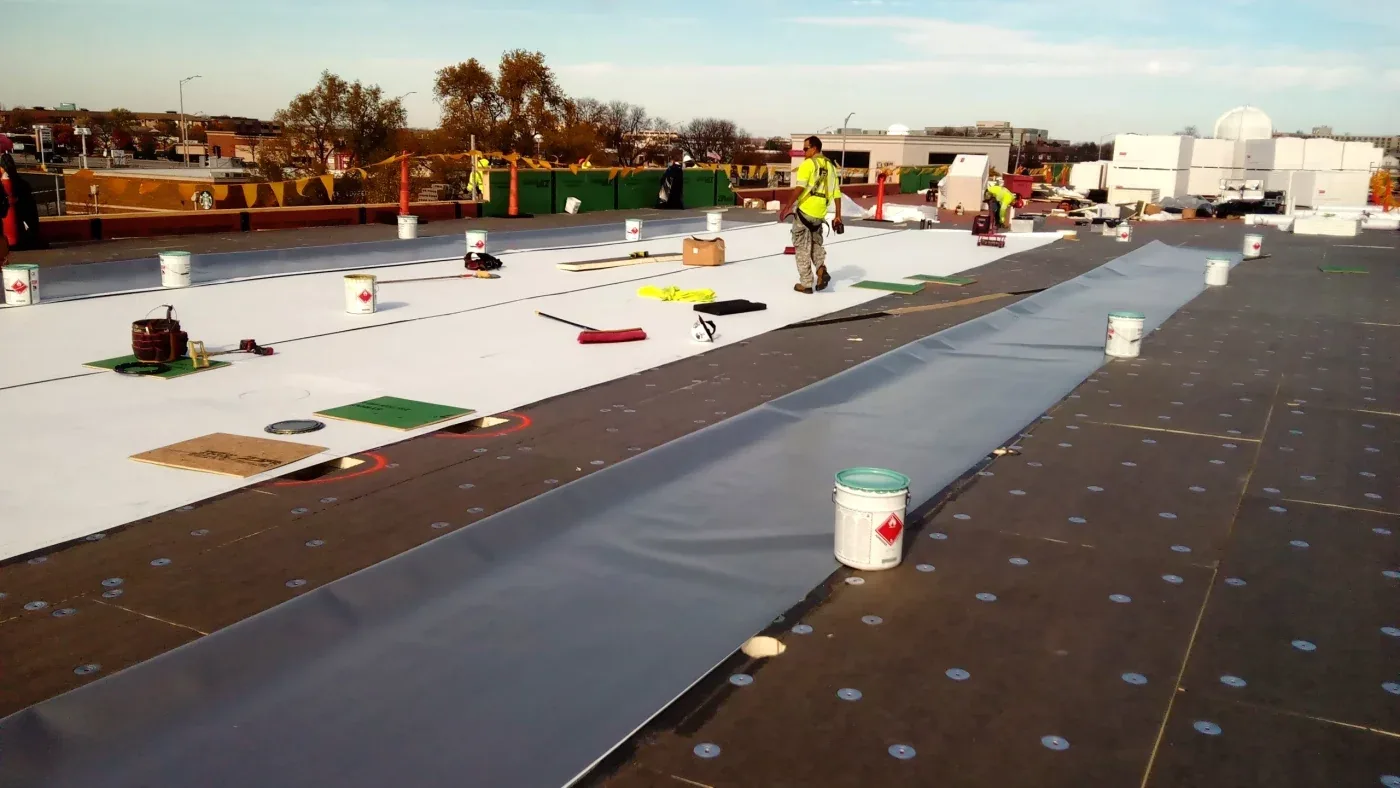
Commercial Roof Repair
How the work is scoped, documented and phased on occupied Sugar Land buildings.
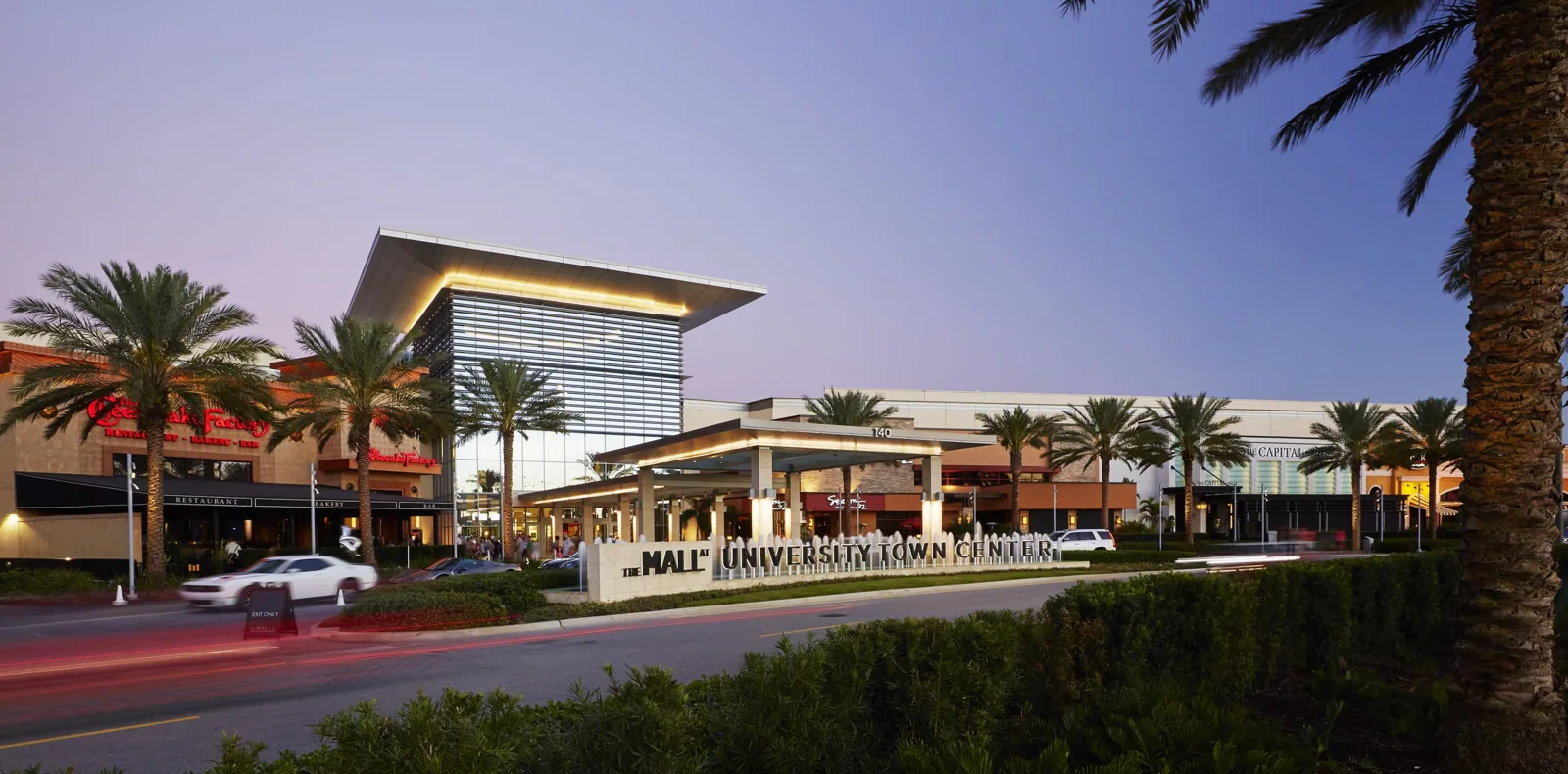
Shopping Center Roofing
What we check on the roof, what we recommend and how the crew keeps the building open.
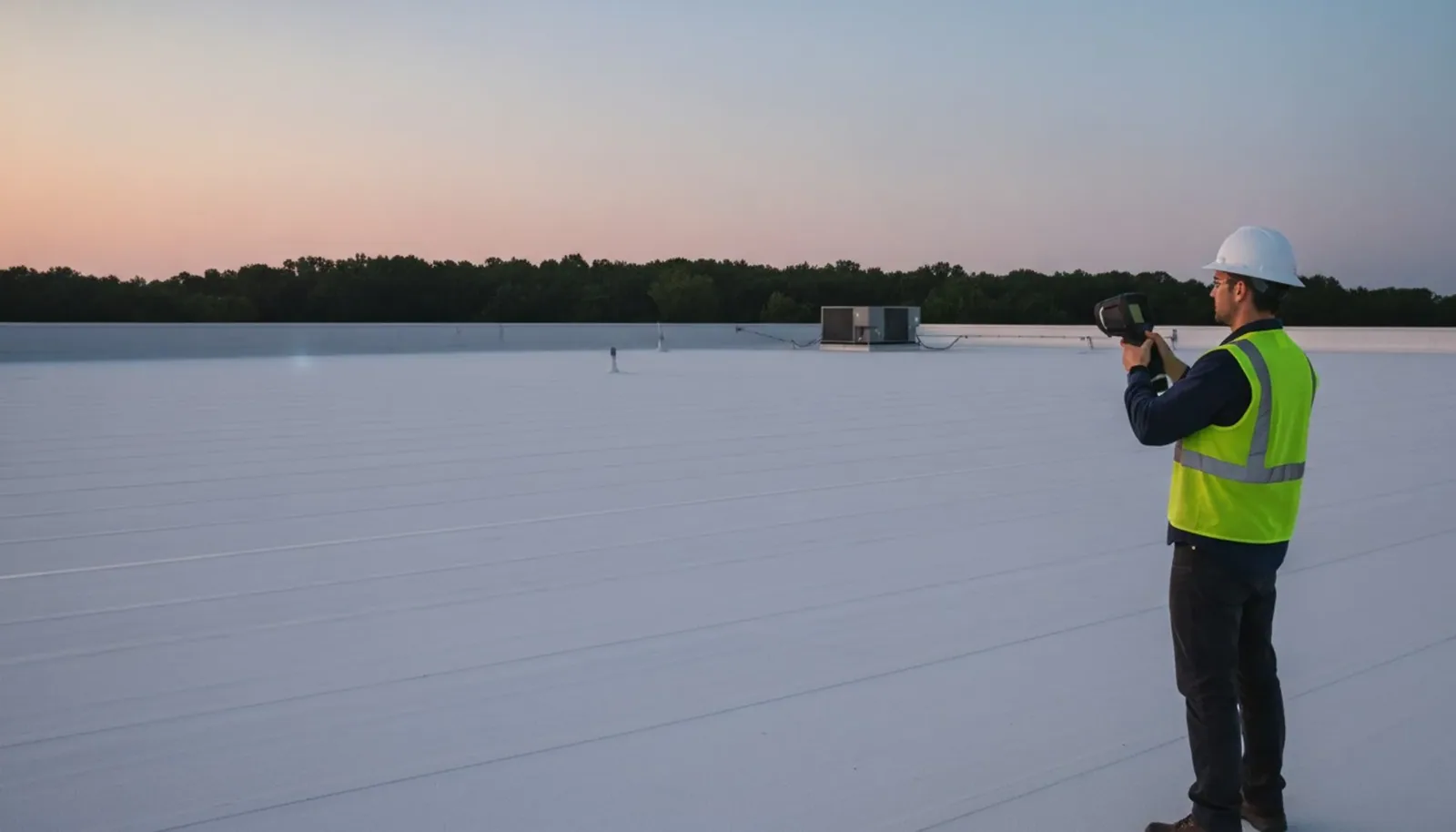
Infrared Roof Moisture Surveys
Conditions, options and next steps for commercial buildings in Fort Bend County.
Explain the Sharpstown Repair Materials and Scope
Arrange photos and a practical comparison of preparation, moisture correction and work options for your Sharpstown commercial roof.
Call 555-555-5555 or email [email protected].
Commercial Roofing Questions
Straight answers to the questions building owners and managers ask us most often.
Why remove an old compound before closing a small opening?
The retained compound may not bond suitably to the selected repair or may be failing beneath it. We examine the substrate and preparation requirements. The closure needs a compatible base rather than another layer over an unresolved weakness.
What helps separate equipment work from a roofing repair?
Inspect the mechanical drainage, support and flashing individually. Located findings identify the task each trade needs to address. Completion photographs then show the roof detail rebuilt and any remaining equipment action.
How are moisture-testing limits shown to the owner?
The report marks tested points, estimated boundaries and excluded areas. Each removal allowance states its evidence and further investigation needed. The owner can then compare the options using supported quantities.
What belongs in an overlay review before it is priced?
Identify the layers retained, attachment, loading and condition, with moisture and drainage corrections included. Confirm the applicable assembly requirements for the project. The proposal keeps those dependencies visible before installation is agreed.
An Air Path and a Rainwater Path
Condensation can occur when moist air contacts a sufficiently cold layer. Air movement, temperatures and the installed assembly affect that possibility. Retained rainwater and equipment condensate can also produce dripping after the weather clears. We compare report timing, indoor location and accessible details before assigning a cause.
Roof drainage needs its own examination. Debris may restrict an inlet, while local surface elevations or supporting conditions can retain water nearby. Drainage detail correction separates cleaning from rebuilding a flashing or changing slope. Added outlets and surface alterations require appropriate plumbing and structural coordination, with the intended discharge path understood before installation.
Restoration, Overlay and Removal Compared
A coating requires a compatible sound substrate, adequate adhesion and corrected defects. Moisture and drainage concerns are addressed before selecting that treatment. An overlay needs eligible retained layers, suitable attachment and review of added loading and project requirements. Extensive deterioration can make removal and replacement the more appropriate scope.
A recover proposal states what remains and the corrections needed beneath the new assembly. The comparison also identifies insulation changes, rebuilt penetrations and access provisions. Both local and larger options retain the same known defects in their scope. That prevents the owner from comparing a partial surface allowance with a replacement that includes substantially different corrective tasks.
Cost and timing reflect removal depth, disposal, equipment access and protective work around occupied rooms. Restricted periods can require repeated handling or closure tasks. Material limits and substrate condition affect the available application window. The reviewing authority and applicable assembly requirements are confirmed for the Houston address before final pricing, with design questions linked to their affected tasks.
How a Roof Project Runs
Every roof we take on moves through the same six steps:
01
Roof Walk
We walk the whole roof and photograph the membrane, seams, flashings, drains and equipment.
02
Moisture Check
Readings and core cuts show what is wet below the surface before anyone prices a repair.
03
Written Findings
You get plain-language findings, photos and the options that fit the roof.
04
Scope and Price
One written scope covers the system, the details, drainage changes and the price.
05
Scheduled Work
Crews work around tenants, deliveries and weather, closing the roof every night.
06
Closeout
We walk the finished roof with you and hand over photos and warranty paperwork.
Bellaire Boulevard Access and a Located Work History
Bellaire Boulevard, Harwin Drive and the Southwest Freeway shape the approach to Sharpstown businesses. Each property's permitted entrance and receiving arrangements establish the actual delivery plan. Management reviews material staging and the protected route for reaching the roof. The installation products and occupied spaces guide discussion of air-handling precautions and the operating sequence.
A separate property in Alief or commercial building in Bellaire receives its own inspection findings. Here, repair photographs and material descriptions remain tied to roof locations. Night and holiday reports can begin an urgent assessment. Available crews check safe access and weather before attempting protective measures, with temporary work and the permanent return scope kept distinct.
The maintenance file also identifies changed equipment and recurring service routes. A new manager can locate the earlier patch, understand the closure and review the next task without recreating the history. That continuity supports routine work and a larger investment discussion when several sections need coordinated correction.
At a roof with several generations of patches, the next repair starts by sorting each material boundary. We photograph the patch edge, note whether it has lifted or cracked, and check the substrate that will receive the new work. A product that adheres to one exposed layer may not bond to the next one. Where tenant equipment or capped openings interrupt the field, each transition is recorded as its own task. The owner can compare a defined repair with broader restoration without assuming the whole surface is uniform.
On return visits, we compare photographs at the same seams and drainage points. That makes a change in condition easier to separate from an older patch or a new tenant alteration, and keeps the next scope clear for management.