
Needville
A lifted roof edge calls for an examination of its attachment and the adjoining material. For a Needville commercial building, we document that connection and the damage extending from it before proposing a correction. The estimate identifies removal, fastening and closure work for the installed system. Management can see what the repair changes and which supporting questions need another check.
Needville is in southern Fort Bend County on SH 36 and FM 1236, about 11 miles south of Rosenberg. Its agricultural history includes cotton gins and general stores, providing context for its small commercial base. Our roofing work begins with the actual property and its operating needs. A manager also overseeing a building in Sugar Land, TX receives a separate record for each inspected assembly.
Attachment at the Exposed Boundary
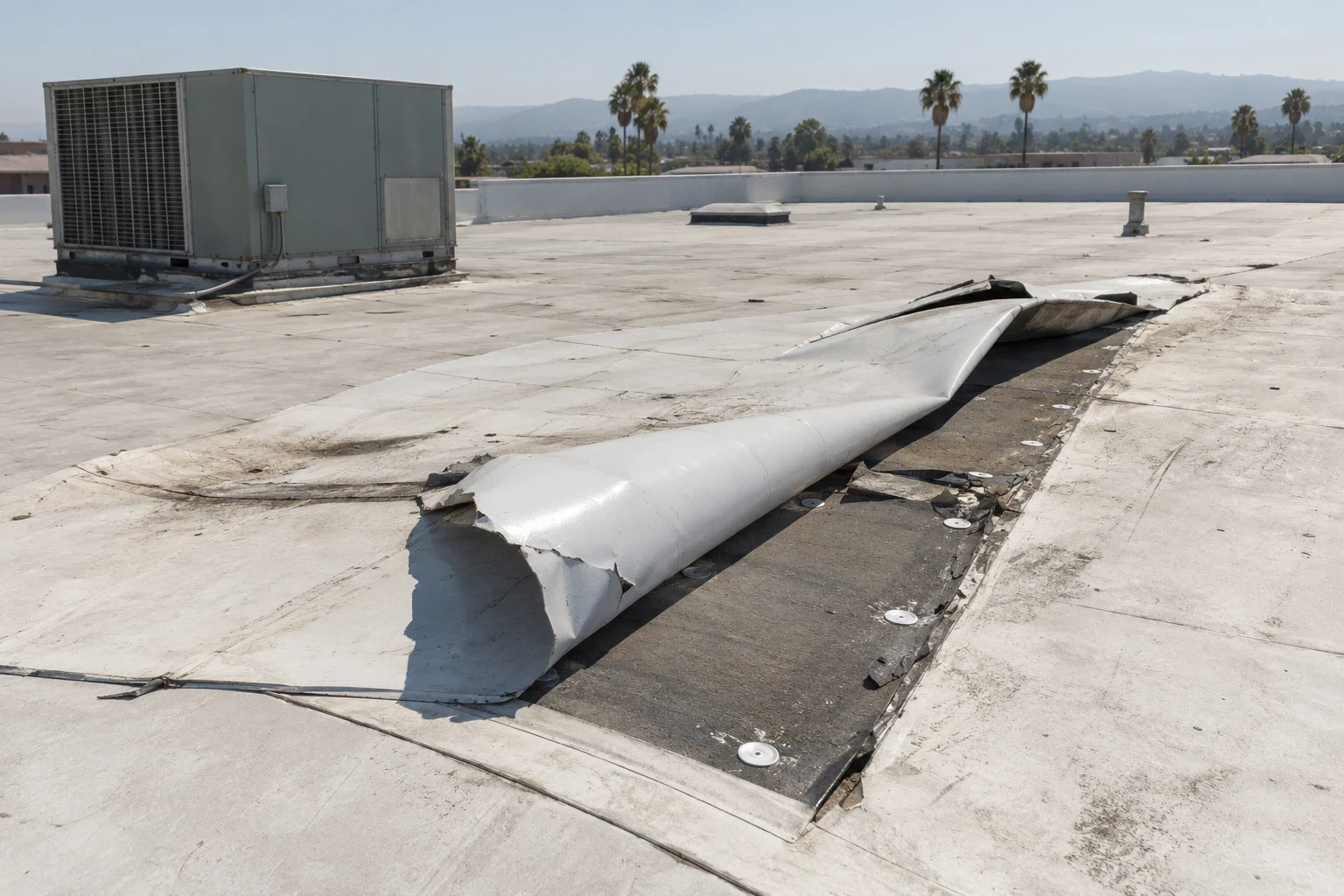
The perimeter must connect the roof surface to its supporting edge detail. We inspect accessible metal, fasteners and membrane or panel transitions for movement and damage where present. A loose component can leave a water path and affect adjacent material. The repair boundary includes enough suitable construction to establish the intended connection instead of simply hiding a displaced piece.
Our wind damage assessment records visible changes and the investigation needed beyond them. An NWS summary for April 2013 documented severe wind damage to roofs, a fire station and trailer parks near Needville. That event offers a local reason to take attachment concerns seriously. An individual building still needs its own findings to define the damage and correction.
A Water Path Across Several Materials
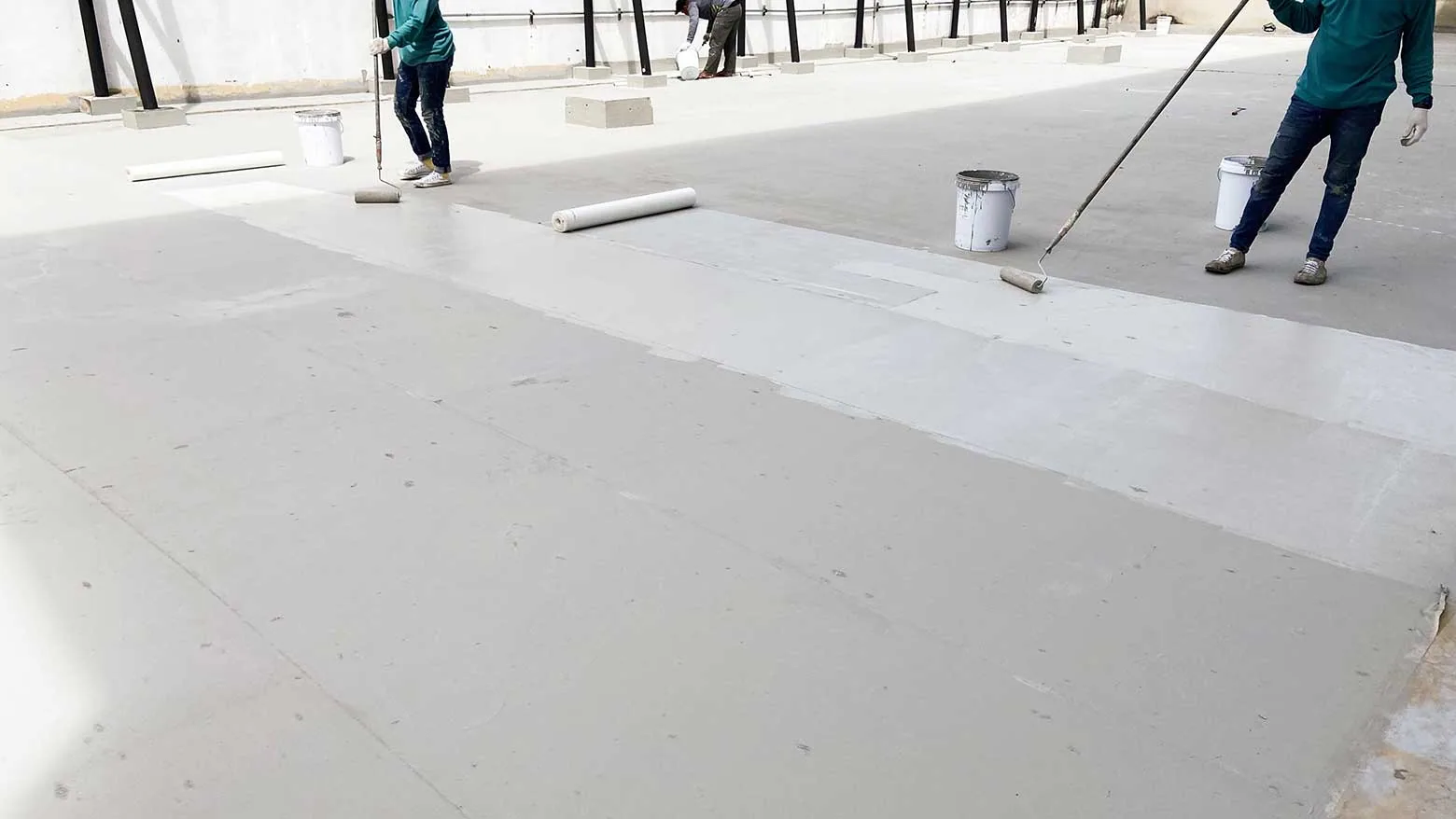
A drip below the ceiling may appear some distance from the opening where rain enters. Water can travel along a surface or through construction before reaching the room. We compare the reported location with accessible joints, penetrations and transitions. Timing and equipment operation help select the first checks, while the assembly determines what further access is appropriate.
Water entry repair follows a supported defect and its practical boundary. A stained ceiling alone does not describe the work above it. Photos and located observations explain how the proposed correction interrupts the identified path. Where the cause remains uncertain, the estimate separates investigation from a permanent repair rather than concealing that uncertainty within a broad surface treatment.
Moisture Under a Closed Roof Surface
Moisture can remain within a roof after a former leak has been closed. Wet insulation can change the preparation and removal quantity needed for another repair. Condensation is also possible when moist air reaches a sufficiently cold surface, with air paths and temperatures affecting the process. Equipment discharge and retained rainwater deserve consideration when the drip occurs outside a storm.
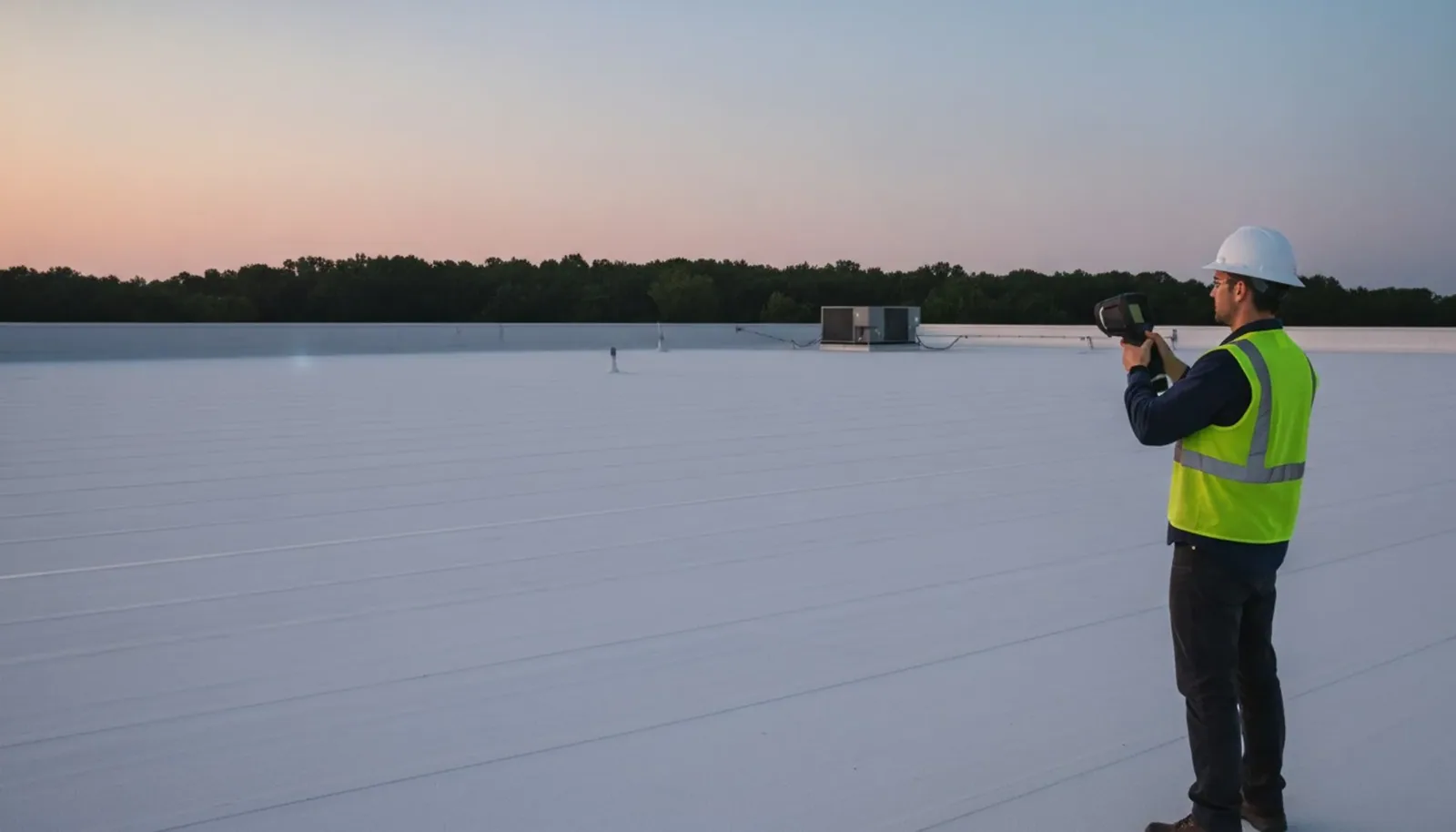
A moisture survey can help guide investigation under suitable conditions. Thermal patterns require interpretation with construction information and appropriate confirmation. Authorized samples provide evidence at their recorded locations. The report explains the extent supported by those checks and any further task needed before an owner selects an option retaining the existing layers.
Related Roofing Pages
Wind Damage Roof Repair
How the work is scoped, documented and phased on occupied Sugar Land buildings.
Commercial Roof Leak Repair
What we check on the roof, what we recommend and how the crew keeps the building open.
Infrared Roof Moisture Surveys
Conditions, options and next steps for commercial buildings in Fort Bend County.
Review the Needville Roof Repair Scope
Arrange a documented assessment of damage, drainage and preparation, with an operating sequence suited to your commercial building.
Call 555-555-5555 or email [email protected].
Commercial Roofing Questions
Straight answers to the questions building owners and managers ask us most often.
What needs checking behind a loose perimeter component?
Attachment, supporting condition and adjacent roof material help define the correction. Accessible observations may identify additional work beneath the visible metal. The proposal describes the connection and preparation being restored.
Does a ceiling stain identify the exterior repair location?
Water may travel before it reaches the room. Reported timing and accessible construction guide the investigation. A supported exterior defect gives the repair its location and practical scope.
Why include substrate work in a coating comparison?
The finish relies on compatible, suitably prepared material and corrected details. Moisture or deterioration can require removal or another correction. Those tasks explain the difference between a surface price and the installed scope.
How can a manager use the completed repair record?
Located photographs show where the connection changed and what remains to be checked. A later visit can compare condition at that detail. Management can arrange the next maintenance task using the same record.
The Outlet Detail and the Surface Around It
A drainage visit examines the approach to the outlet as well as the opening itself. Debris can restrict flow, while a failed connection can admit water beside the drain. We inspect accessible flashing, nearby surface levels and the discharge arrangement. A depression that remains after cleaning can require investigation of insulation buildup or the supporting construction.
Outlet and scupper work identifies cleaning, detail repair and any proposed alteration separately. An additional outlet or changed slope needs appropriate design coordination. The intended discharge path is established for the building before installation is agreed. Maintenance staff then have a specific route and detail to revisit when debris accumulates or equipment work changes the surrounding area.
Preparation Included in the Price
A local patch needs compatible material and a suitable surface at its perimeter. Coating restoration requires more than spreading a finish over visible defects. Adhesion, moisture and substrate condition must support the selected method, and damaged details need correction. The proposal describes that preparation so the owner can compare what the finished surfaces actually depend upon.
An existing modified bitumen roof receives a repair method suited to its actual construction and condition. Where that system is installed, the work can involve preparing compatible material, rebuilding a detail or removing a damaged section. A broader option considers eligible retained layers, attachment and project requirements. The inspection establishes those tasks rather than assuming the same answer for every roof.
Removal depth, insulation replacement and supporting repairs affect cost. Disposal, access equipment and protection beneath an opening can also change the total. Product moisture and temperature requirements influence the working period. We identify the relevant quantities and sequence before scheduling so the operator can coordinate room use and management can compare proposals on an understandable basis.
The estimate can also define the inspection point before concealed work is covered. That check records the exposed condition and any agreed change in quantity, helping the owner understand work that will no longer be visible at completion.
How a Roof Project Runs
Every roof we take on moves through the same six steps:
01
Roof Walk
We walk the whole roof and photograph the membrane, seams, flashings, drains and equipment.
02
Moisture Check
Readings and core cuts show what is wet below the surface before anyone prices a repair.
03
Written Findings
You get plain-language findings, photos and the options that fit the roof.
04
Scope and Price
One written scope covers the system, the details, drainage changes and the price.
05
Scheduled Work
Crews work around tenants, deliveries and weather, closing the roof every night.
06
Closeout
We walk the finished roof with you and hand over photos and warranty paperwork.
SH 36 Access and the Return Visit
SH 36 and FM 1236 frame the local approach to a Needville property. The site contact confirms the entrance, receiving area and permitted route to the roof. We coordinate material handling, pedestrian protection and the work zone with that contact. Products and occupied spaces determine which air-handling precautions need discussion before installation.
A portfolio property in Rosenberg or Richmond has its own repair history and access arrangements. For Needville, a night or holiday report can begin an assessment of the immediate concern. Crew availability, weather and safe access influence the protection that can be undertaken. The record distinguishes temporary measures from permanent return work and locates remaining investigation.
After completion, the owner receives the changed detail and any maintenance observations tied to it. Repeat inspection can check movement, surface condition and nearby drainage using the recorded location. A later manager can understand why the repair was chosen and which question remained open. That continuity supports a specific next task when the roof needs attention again.
A smaller commercial property may have limited records and few safe access points. We start with the available repair history and a physical survey of seams, penetrations, wall transitions and drains. Where an assembly remains uncertain, we identify a useful authorized test point rather than extrapolating from one visible patch. A repair estimate names the removal area, materials and return work required for a permanent closure. If temporary protection is needed before a full evaluation, the record clearly labels its expected duration and the inspection still to be completed.