
Fresno
A worn membrane beside a support needs examination of both the roofing material and the contact creating the wear. At a Fresno commercial property, we locate those details and explain the correction before selecting a patch or larger treatment. The proposed work identifies preparation, compatible closure and any equipment coordination. Photos help the manager brief the owner on the defect and the tasks required to address it.
Fresno lies in eastern Fort Bend County, north of SH 6 along FM 521. SH 288 provides another approach toward Houston, while the area includes the Teal Run, Winfield Lakes and Cambridge Falls developments. We inspect and repair low-slope and metal commercial roofs here using the actual building assembly and access arrangements. Another property in Sugar Land, TX receives a separate condition assessment.
A Support Touching the Roof Surface
A support can abrade the membrane or concentrate loading if its contact arrangement is unsuitable. We inspect the accessible base, adjoining surface and any movement visible at the detail. The correction needs to address the support and the damaged roof separately where both are affected. Product compatibility and the intended load arrangement guide the rebuilt connection.
Support and penetration corrections may require engineering review where the equipment or loading changes. The scope identifies the mechanical coordination needed before roofing closure. A suitable service route can help protect the repaired area from repeated traffic. The completion record locates the detail and the materials installed so the next visit can examine the same point.
The Timing Behind a Water Report
Rain can enter at an opening and appear later through retained moisture, while equipment drainage may continue after weather clears. Condensation is possible when moist air reaches a layer cold enough for that water to form. The inspection compares timing, interior location and equipment operation with accessible roof details. Those observations guide testing rather than decide the cause on their own.
A water-entry assessment defines the confirmed connection and any path requiring further checks. A suitable sample can describe local construction; other methods may help examine moisture or mechanical operation. The manager receives a practical next task for each unresolved finding. Interior protection, temporary roofing work and permanent correction are kept distinct where they involve different measures.
The Substrate Beneath a Patch
Solar heating and movement can expose weak bonding at a repaired seam or connection. We examine the lifting edge and material below it, including residue or earlier compound that affects preparation. A compatible repair may need removal of that material before closure. The proposal states the preparation and rebuilt detail rather than only the new finish.
A localized repair scope identifies its boundary and the suitable retained assembly around it. If concealed deterioration expands when the roof is opened, photographs explain the changed condition and revised quantity. Additional work is coordinated through the manager before the expanded removal proceeds. Completion checks follow the repair method and are retained with its location.
Related Roofing Pages
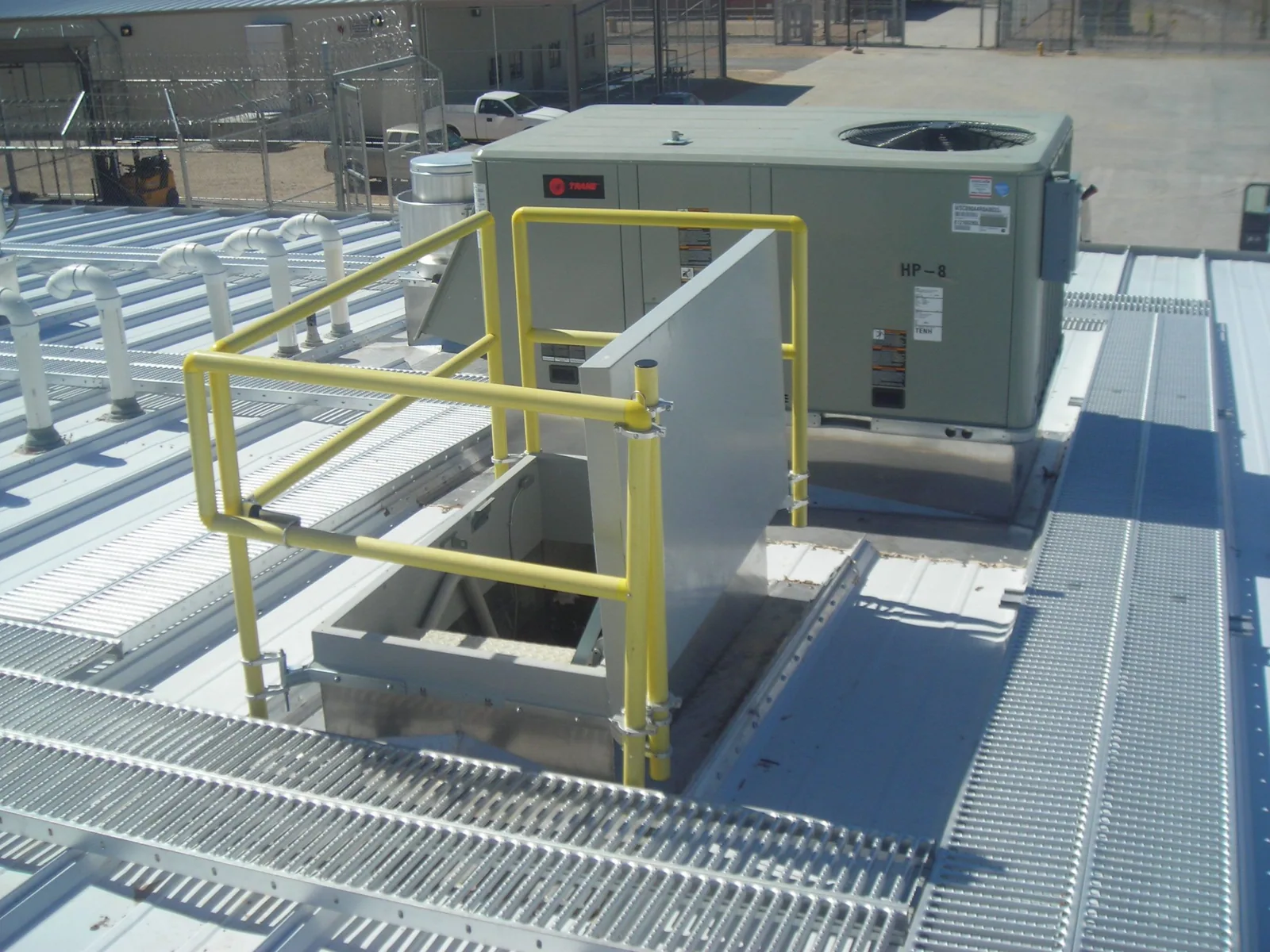
Rooftop Equipment Curbs and Supports
How the work is scoped, documented and phased on occupied Sugar Land buildings.
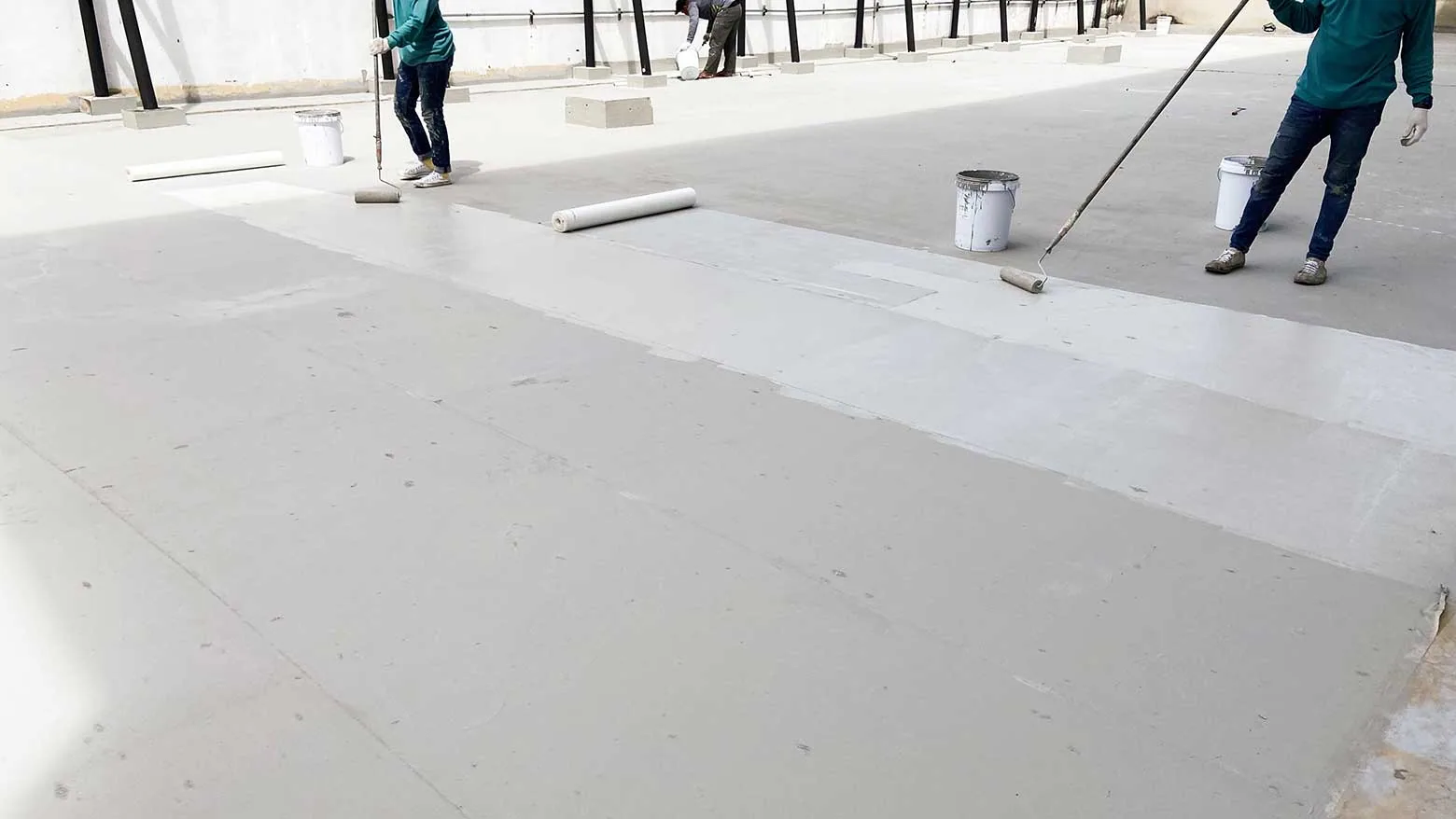
Commercial Roof Leak Repair
What we check on the roof, what we recommend and how the crew keeps the building open.
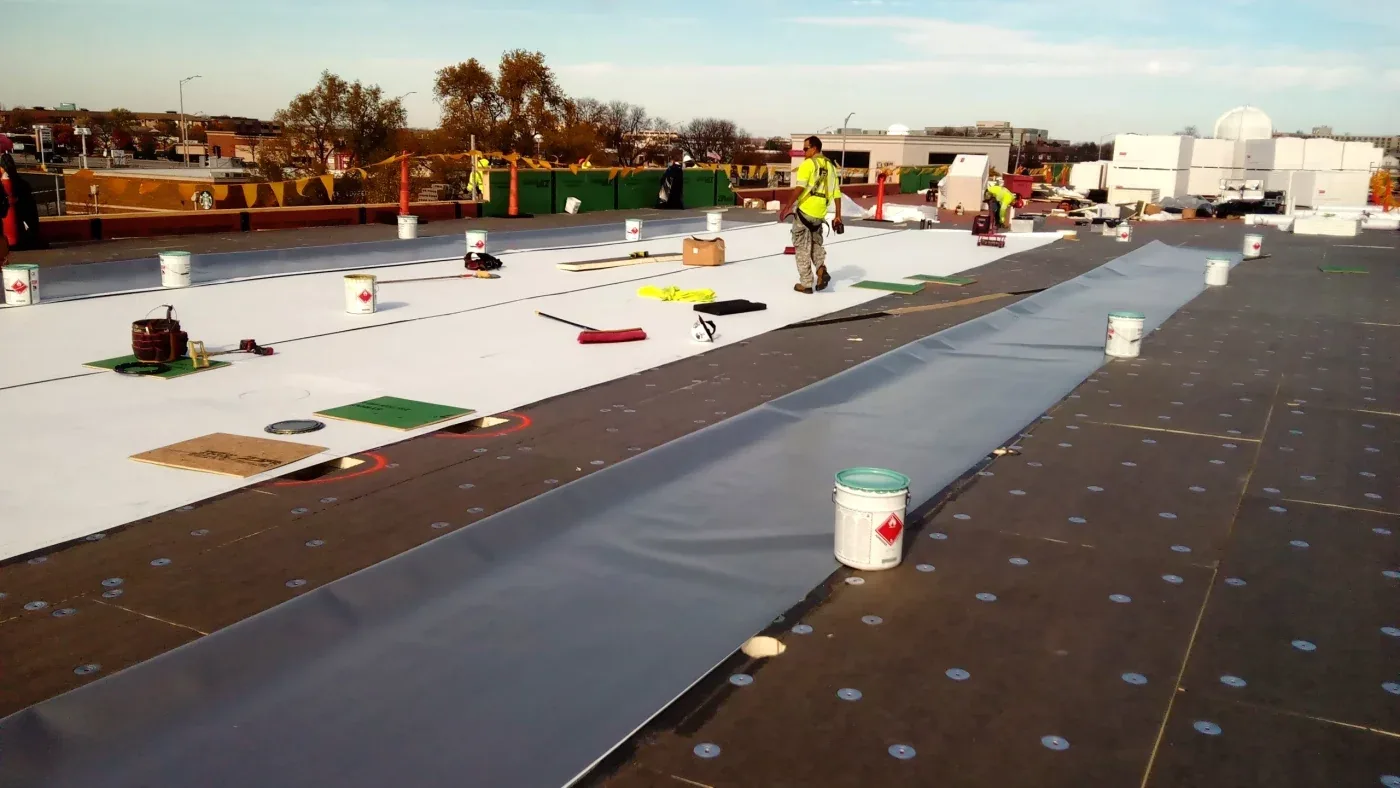
Commercial Roof Repair
Conditions, options and next steps for commercial buildings in Fort Bend County.
Explain the Fresno Roof Correction
Arrange photos and a practical account of membrane, support and drainage findings, with clear work quantities for your Fresno commercial roof.
Call 555-555-5555 or email [email protected].
Commercial Roofing Questions
Straight answers to the questions building owners and managers ask us most often.
Can a support repair and a membrane patch be separate tasks?
Yes. The support may need a corrected load or contact arrangement while the membrane needs compatible closure. We document both conditions and coordinate the equipment work with roofing preparation.
What changes when an opening reveals more damage?
The manager receives located photos and a revised quantity explaining the expanded work. Additional removal is coordinated before it proceeds. The completion record distinguishes the original task from newly confirmed deterioration.
Does a clear strainer establish adequate drainage?
The surrounding elevations and route to the inlet also matter. We examine standing-water locations and supporting concerns where indicated. Added outlets or slope corrections require the appropriate design review.
How should a restoration option identify retained materials?
State the layers remaining and the compatibility, adhesion, moisture and attachment findings supporting them. Include corrective tasks and any further review needed. The owner can then compare the option with removal using the same known condition.
A Water Route Interrupted by a Low Area
An inlet can be clear while water remains elsewhere because the surface does not lead effectively toward it. We inspect accessible outlets, overflow provisions and nearby elevations. Debris removal is recorded separately from surface correction. Insulation irregularities or supporting conditions can require additional investigation before a design change is chosen.
Drainage maintenance and repair distinguishes cleaning, flashing reconstruction and added outlets. A sump or tapered assembly needs appropriate plumbing and structural coordination. The intended discharge route is identified before installation. That makes the correction understandable to the owner and avoids treating a drainage problem as a membrane patch without supporting evidence.
A Retained Assembly Fit for the Proposed Work
Moisture readings and authorized samples describe selected locations. Thermal differences may guide investigation when conditions allow useful interpretation, with assembly information and suitable confirmation supporting the pattern. The report maps tested points and estimated boundaries. Attachment, drainage and supporting condition are assessed alongside moisture before choosing a wider scope.
A coating treatment requires a compatible sound base and adequate adhesion, with defects and moisture concerns corrected. An overlay needs eligible retained layers and review of loading and applicable project requirements. Extensive deterioration may support replacement. The comparison identifies removal, insulation changes, rebuilt details and protective provisions under each option.
Timing is affected by surface moisture, product preparation and access to occupied areas. Restricted receiving periods can add material handling or repeated closure tasks. The reviewing authority and assembly requirements are confirmed for the Fresno parcel and proposed work. Specialist questions remain linked to their affected task so the manager can arrange the necessary review before installation is agreed.
The price also separates preparation from the finished surface area. Removing failed compounds, drying suitable substrates and rebuilding a curb can take work that is not visible in a simple area measurement. Each allowance identifies its location and purpose. The owner can then discuss a reduced or expanded scope without losing the corrective task that made the chosen material suitable in the first place.
How a Roof Project Runs
Every roof we take on moves through the same six steps:
01
Roof Walk
We walk the whole roof and photograph the membrane, seams, flashings, drains and equipment.
02
Moisture Check
Readings and core cuts show what is wet below the surface before anyone prices a repair.
03
Written Findings
You get plain-language findings, photos and the options that fit the roof.
04
Scope and Price
One written scope covers the system, the details, drainage changes and the price.
05
Scheduled Work
Crews work around tenants, deliveries and weather, closing the roof every night.
06
Closeout
We walk the finished roof with you and hand over photos and warranty paperwork.
FM 521 Access and the Roof Record
FM 521 meets SH 6 and provides access toward Houston Southwest Airport. For a particular commercial property, its entrance, ground staging and receiving arrangements establish the material route. We coordinate pedestrian protection, interior access and any air-handling controls with the operator. The planned opening receives its intended closure within the agreed protective sequence.
A separate building in Arcola or Manvel receives new inspection findings. Fresno's condition record locates completed repairs, equipment changes and remaining investigation. Urgent water entry can be reported at night or during holidays. Available crews check safe access, weather and practical immediate measures, with temporary protection and permanent return tasks documented separately.
The next visit compares the same locations and identifies whether service activity altered a support or patch. Material descriptions and photographs make that history usable to a new manager. The owner receives specific maintenance tasks and the evidence supporting a larger correction when several sections need work.
For a commercial property near the area's road network, we confirm the actual entrance and receiving point with the manager before equipment is dispatched. A road name or a nearby community does not establish a usable work route. Once access is set, we locate the roof section, identify the outlet path and record the detail where water was reported. The scope also notes how material handling, pedestrian separation and interior protection fit the building's operating hours. Later maintenance can use the same marked locations to check whether the correction remains sound.
We keep each finding attached to its roof area, so a later service call can begin with the prior photos and repair limits instead of reopening the whole diagnosis.