
Auto Dealership Roofing
A service-bay exhaust connection can move against its flashing while heat and residue affect the nearby surface. The resulting leak may require both a corrected junction and a review of material exposure. For an auto dealership in Sugar Land, TX, we examine the support, membrane and exhaust conditions before prescribing a patch. Showroom protection and shop access are assessed for the actual work area. The manager receives photos explaining the physical defect and the operating decisions needed to correct it.
Exhaust Residue and Repair Suitability
The roof beside a shop exhaust can receive a different exposure from the roof above sales offices. We ask the operator which substances reach the surface and whether the discharge arrangement changed. Visible staining, swelling or stiffness is recorded as condition evidence, not proof of a single chemical cause. The exact membrane and proposed repair product need identification. Compatibility is evaluated for the substance, temperature and duration involved.
A preparation test examines the sampled substrate and intended application method. It does not establish that a product will tolerate every later deposit. Where exhaust collection or routing contributes to the problem, the appropriate trade needs to address it. A production-style service area has comparable coordination questions, though the dealership's actual process and schedule govern. The roofing scope identifies unsuitable material and the detail to be corrected rather than treating residue as a general maintenance stain.
Vehicles, Glass and Interior Exposure
Dust, debris or water above displayed vehicles can create an operating problem independent of the repair's size. The operator identifies which vehicles move and which areas require protection. Roofing work over an active showroom may need a restricted zone even if sales activity continues elsewhere. We review access to ceilings and roof sections before setting the phase. A statement that the building stays occupied does not establish suitable conditions above exposed merchandise.
Glazed openings and daylighting details, where present, are examined at their frames, curbs and surrounding flashing. A leak may come from the glazing connection rather than the membrane. Daylighting and penetration repair follows that distinction. Frame movement, seal condition and local drainage are assessed together. The manager sees which junction is supported as the entry route and where further examination remains necessary.
Curbs, Pipes and Changed Equipment
A replacement rooftop unit can change weight, vibration and attachment without changing its footprint. We examine available flashing height and accessible support before the new detail is designed. Required load review comes from the designer using actual equipment and structure information. A sound-looking sheet cannot establish support capacity. Pipe and duct movement also need suitable allowance so the repaired weather seal is not pulled open during operation.
The equipment curb correction is coordinated with the shop and mechanical contractor. Isolation, lifting and any effect on ventilation are reviewed before scheduling. Service routes need compatible protection where foot traffic threatens the surface. Pads and supports must leave drainage usable. Completion photographs identify the altered connection so later inspection can compare its position and condition.
Related Roofing Pages
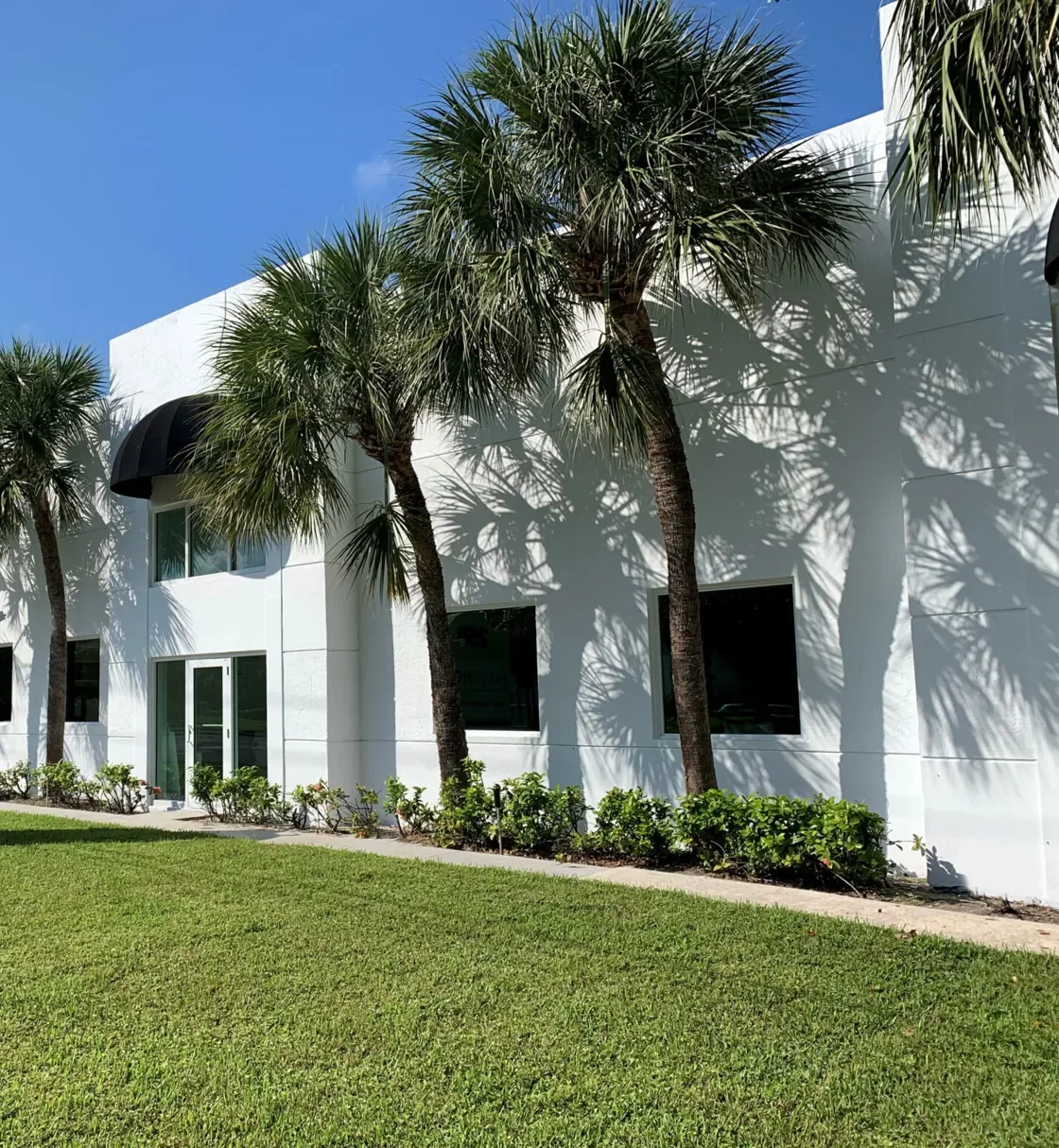
Manufacturing Plant Roofing
How the work is scoped, documented and phased on occupied Sugar Land buildings.
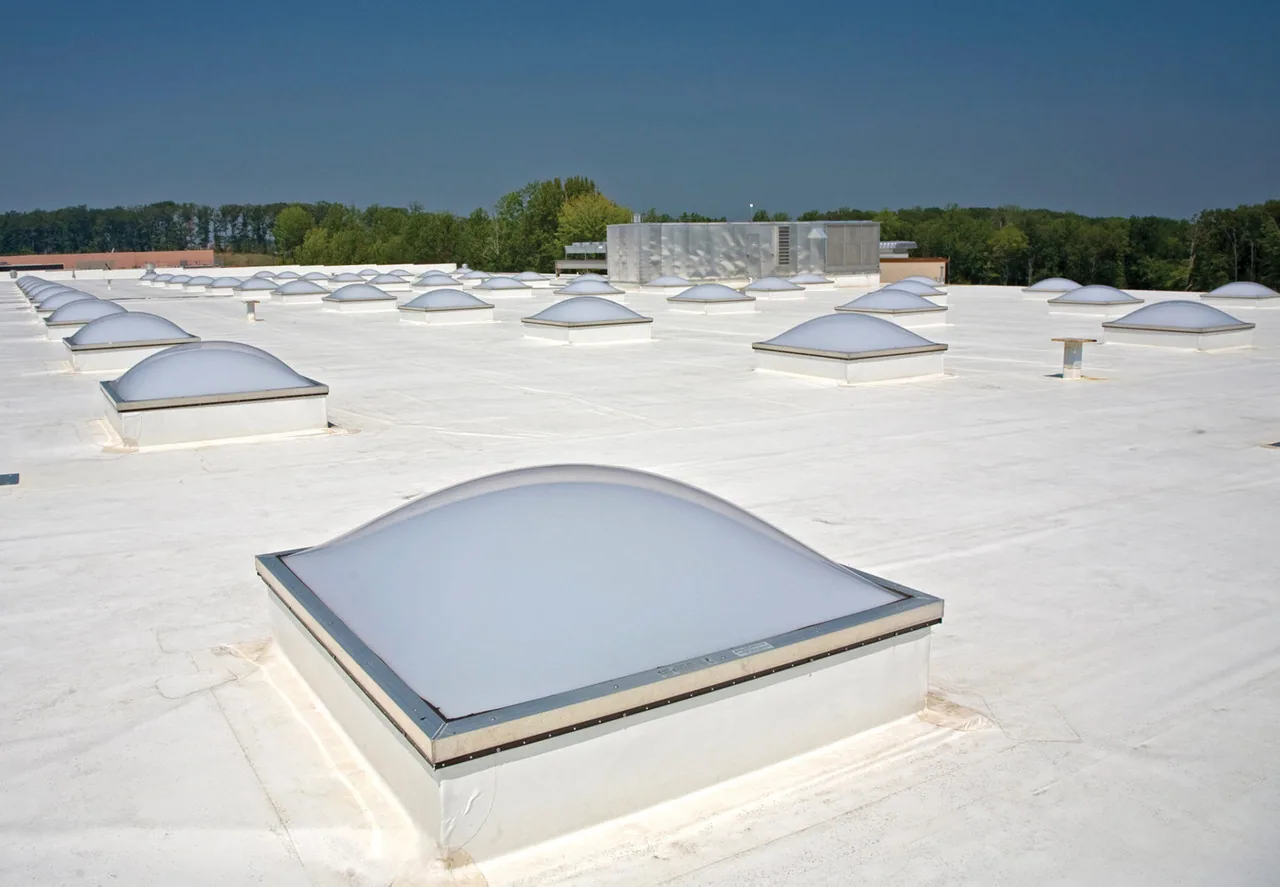
Skylight and Penetration Flashing
What we check on the roof, what we recommend and how the crew keeps the building open.
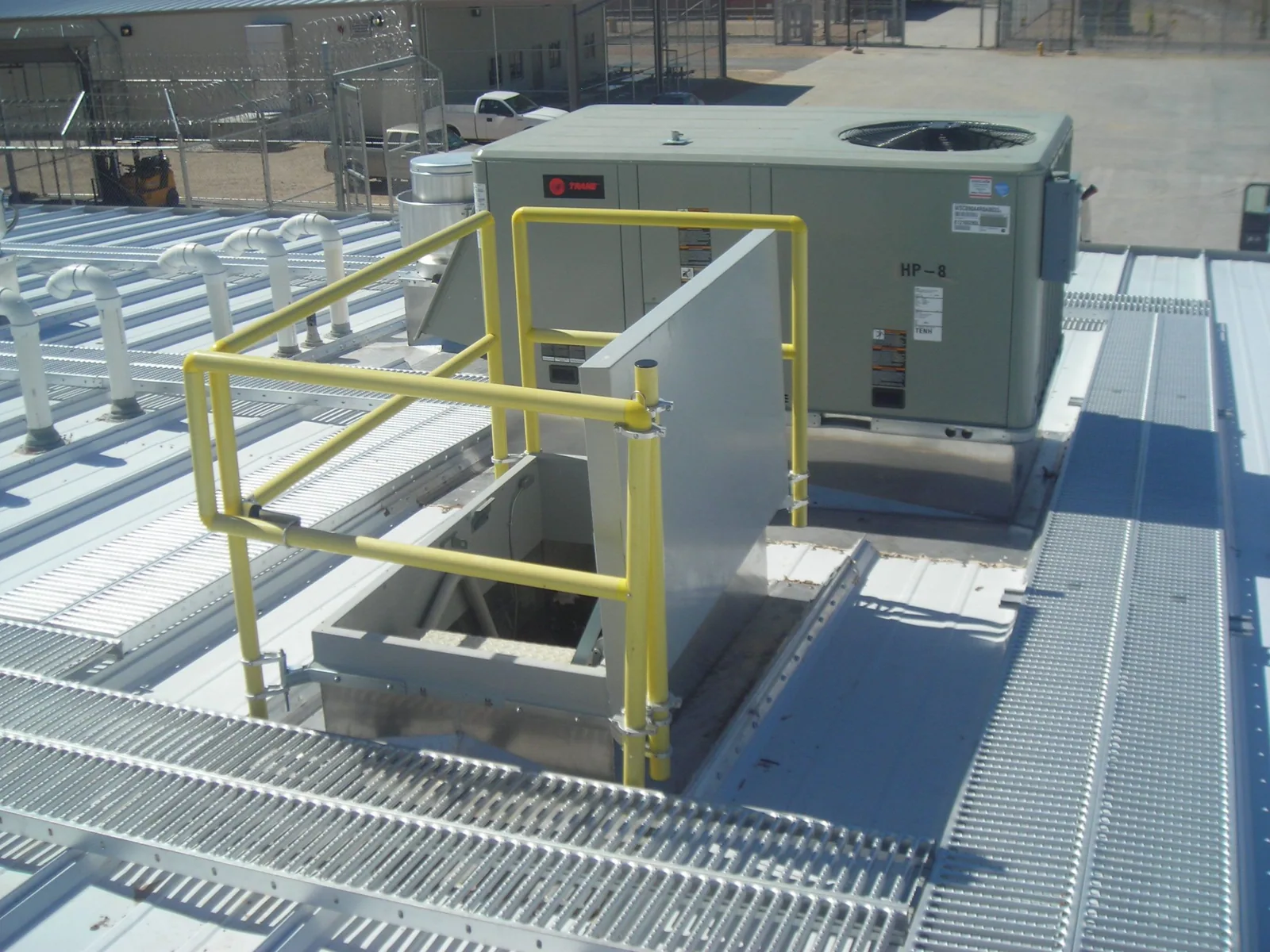
Rooftop Equipment Curbs and Supports
Conditions, options and next steps for commercial buildings in Fort Bend County.
A Clear Roof Assessment for Sales and Service
Call for photos and plain explanations of exhaust exposure, water and repair choices. We will help you brief the owner on the physical findings and dealership restrictions.
Call 555-555-5555 or email [email protected].
Commercial Roofing Questions
Straight answers to the questions building owners and managers ask us most often.
Can a roof repair proceed above vehicles left in the showroom?
The operator reviews exposure and protection for the specific task. Some phases require relocation or a restricted display zone. Vehicle presence cannot be treated as acceptable without a plan for debris and water risks.
Does exhaust staining mean the whole shop roof needs a different membrane?
The substance and its effect need investigation. Local contamination may be correctable, while wider deterioration can require a broader scope. Product-specific compatibility information informs the choice rather than a blanket membrane recommendation.
Why review a rooftop replacement unit's support?
Weight, vibration and attachment can differ even when the footprint matches. The designer checks the load path, while we assess accessible roof and flashing conditions. Reusing the old curb does not itself establish adequacy.
What if the leak appears only while the service equipment runs?
Operation timing directs attention to equipment drainage and enclosure conditions, but does not rule out retained rainwater. The roof and mechanical findings are compared before a cause is assigned. Separate corrections may be needed.
Which dealership activities affect the repair window?
Vehicle deliveries, appointments, customer movement and required ventilation can restrict access or isolation. The operator identifies those limits before scheduling. Weather and the available closure method still govern the size of the roof phase.
Commercial Corridors and Actual Building Plans
US 59 connects Sugar Land with Stafford, where warehouse and commercial activity provides a regional operating context. A dealership along that corridor still needs direct assessment of its building and vehicle routes. The road location does not identify roof material, age or condition. We map the roof sections, reported symptoms and equipment directly. Floor area is kept separate from the measured surface requiring work.
First Colony adds residential and retail activity near the US 59 and SH 6 area. Customer traffic and delivery access must be planned for the actual property rather than inferred from the surrounding district. The dealership identifies transport arrivals, service entries and spaces needing protection. A large retail operation may share merchandise concerns while using a different receiving arrangement. Each operating plan remains tied to its own building.
Rain Entry, Equipment Water and Cooling
A drip during service activity may involve equipment water, retained rain or a membrane opening. Possible condensation needs examination of temperatures, humidity and the enclosure air path. The symptom alone cannot distinguish those mechanisms. We compare operating cycles with rainfall and accessible defects. That prevents an equipment fault from being described as corrected merely because new flashing was installed nearby.
Appropriate moisture measurements and thermal observations guide selected physical checks. Temperature patterns can reflect equipment or material differences as well as moisture. Samples confirm layers and local conditions where permission and closure arrangements allow. Wider conclusions reflect the full investigation and its accessible limits. Deteriorated board or support needs correction in addition to a surface opening, with the evidence shown in the repair comparison.
How a Roof Project Runs
Every roof we take on moves through the same six steps:
01
Roof Walk
We walk the whole roof and photograph the membrane, seams, flashings, drains and equipment.
02
Moisture Check
Readings and core cuts show what is wet below the surface before anyone prices a repair.
03
Written Findings
You get plain-language findings, photos and the options that fit the roof.
04
Scope and Price
One written scope covers the system, the details, drainage changes and the price.
05
Scheduled Work
Crews work around tenants, deliveries and weather, closing the roof every night.
06
Closeout
We walk the finished roof with you and hand over photos and warranty paperwork.
Drain Paths and Surface Treatment Limits
Outlet obstruction, surface geometry and support condition are reviewed where water repeatedly remains. A clean drain may still sit above the nearby surface. Revised slope or another outlet needs suitable plumbing and structural input where required. The work boundary follows the observed cause rather than the full visible stain on the ceiling. Mechanical discharge that adds water to the area is reviewed separately.
A coating requires compatible preparation, adhesion and suitable construction below. Recover adds retained-layer, load and attachment questions. Replacement can offer greater access to hidden deterioration but also demands more protection above vehicles and equipment. Cost drivers include damaged support, contamination removal, access and shop restrictions. We explain which physical findings justify those tasks so the owner can compare options meaningfully.
Sales Hours and Practical Roof Closure
The phase accounts for customer arrivals, transport deliveries and service appointments. Daily opening size is limited by weather and the closure method, with temporary protection available before removal. A new deck finding or changed forecast can require a revised task. The designated dealership contact approves any altered operating restriction. Night and holiday emergency response assesses safe access and practical interim protection, while the permanent correction follows suitable conditions and the agreed shop window.
A dealership can have public showroom space, service bays and vehicle storage under adjoining roof areas. We identify which operation sits below the proposed repair, then plan protection for vehicles, lifts and customer movement. Exhaust and rooftop mechanical equipment receive separate attention because a service issue can resemble a roof leak. Material delivery is scheduled through the approved receiving area, not across display or service circulation. Closeout photos show the roof correction and any remaining equipment or ceiling task so the service manager can coordinate the full repair.