
Duro-Last Roofing
A pipe added through an existing PVC roof creates a new connection that the original sheet layout did not include. Poor support or a strained flashing can leave that opening vulnerable even while the adjoining membrane remains intact. For Duro-Last roofing in Sugar Land, TX, we examine the penetration and its supporting construction before selecting the permanent correction. The manager receives photos that explain the local defect and surrounding condition. That assessment connects a visible opening with the equipment and layers involved.
Fabricated Sheets and Measured Roof Details
Duro-Last offers custom-fabricated PVC roofing. Field dimensions matter to a proposed layout because walls, penetrations and equipment are part of the actual roof geometry. We measure those details and compare the available records with current construction. Added equipment can change an earlier arrangement and reduce access to a previously inspectable junction. The layout is reviewed against the building as it stands before fabrication and installation decisions are finalized.
Custom fabrication does not remove the need to examine field connections and transitions. Perimeters, drains and equipment details still need suitable preparation, attachment and completion checks. A roof examination before layout decisions identifies those working conditions. The proposed arrangement also considers the sequence of equipment isolation and reconnection. The manager sees which dimensions and operating restrictions affect the work rather than treating a sheet order as the entire project.
Shop-fabricated details can reduce some field work, but the existing roof still controls whether a replacement piece will fit the condition found. We measure the actual opening and the sound material available around it, then check movement, attachment and the layers below. A changed curb dimension or accumulated repair material can make an old drawing unreliable. The final field check confirms the component dimensions and tie-in before the opening is enlarged. This protects the repair boundary from assumptions carried forward from earlier roof records.
A completed repair is checked at its seams, corners and transitions, not only across the central patch. The photographs show the tie-in after temporary protection is removed. If adjacent sheet movement or support condition remains unresolved, it is listed as a separate item with a recommended check. That record helps the property manager distinguish the completed local task from future work that has not been authorized.
Pipe Supports and PVC Connections
A pipe can move independently of the roof sheet. We inspect its support, accessible movement and the flashing connection where it enters the assembly. Sealing the sheet cannot correct an unsupported pipe or a loose curb. The scope separates roofing tasks from the equipment or support correction needed. Each connection is checked against the identified material and detail requirements.
A permanent patch needs a suitable surface for the proposed weld. Contamination, aged residue and prior repairs can affect preparation. We examine the sheet surrounding the defect and use appropriate tests where required by the procedure. Comparisons with Sika PVC assemblies and Versico single-ply systems retain their separate product instructions. Similar membrane-family names do not justify interchanging unconfirmed repair components.
Restaurant Equipment and First Colony Retail
First Colony includes retail activity associated with First Colony Mall. Sugar Land Town Square provides a separate mixed-use retail setting. A commercial property in First Colony can have roof work beside active customer entrances and tenant equipment. We identify the affected spaces and required routes with management. Exhaust units, intake positions and service access are considered before preparation begins. The protection plan reflects the operation below each opening.
For a restaurant roof with exhaust equipment, deposited residue needs specific assessment. The actual substance, temperature and contact conditions are compared with the proposed product guidance. A membrane-family label is not a complete compatibility determination. Equipment discharge or service practices may need correction alongside the sheet. We explain that shared work boundary so another repair does not leave continuing exposure unchanged.
Related Roofing Pages
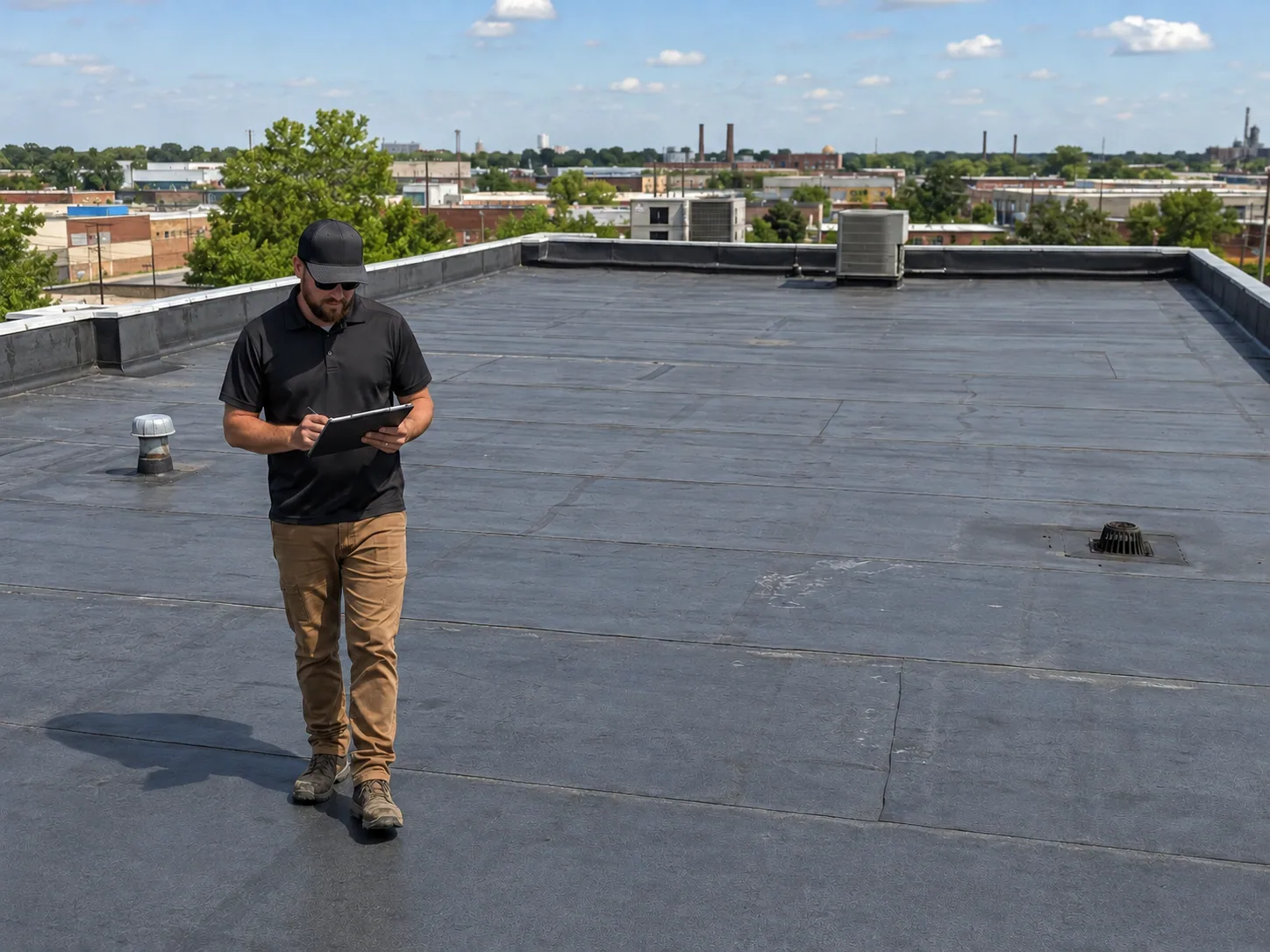
Commercial Roof Inspections
How the work is scoped, documented and phased on occupied Sugar Land buildings.
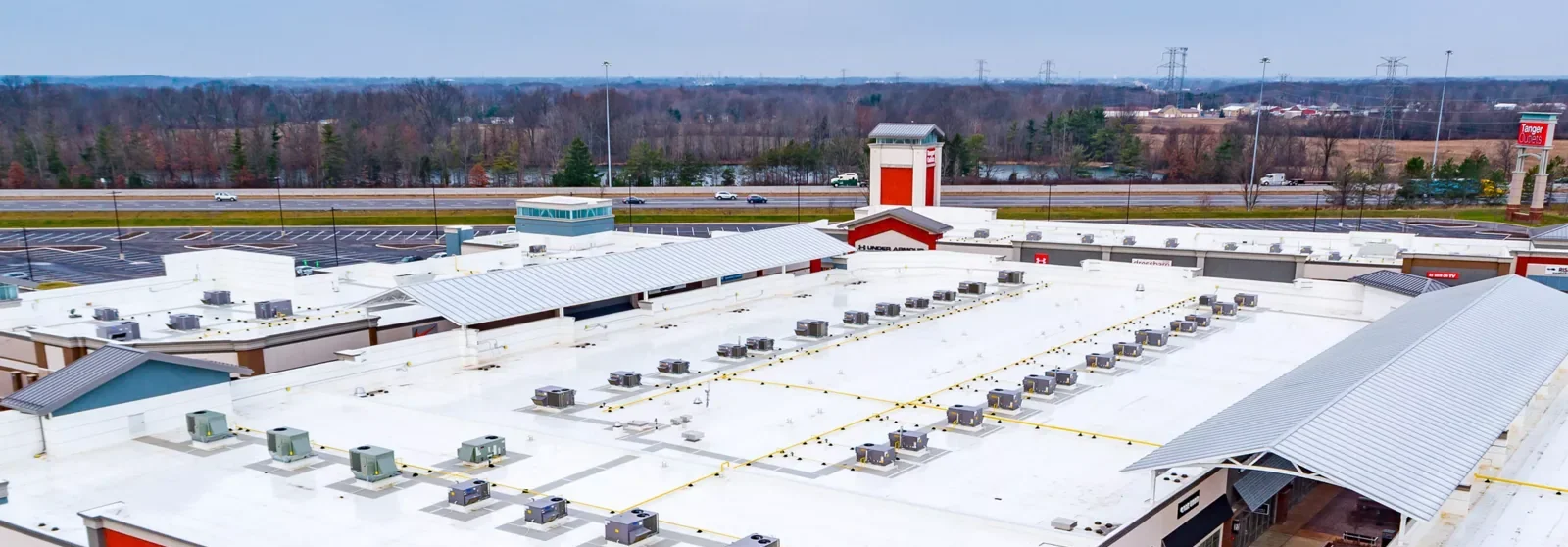
Sika Sarnafil Roofing
What we check on the roof, what we recommend and how the crew keeps the building open.
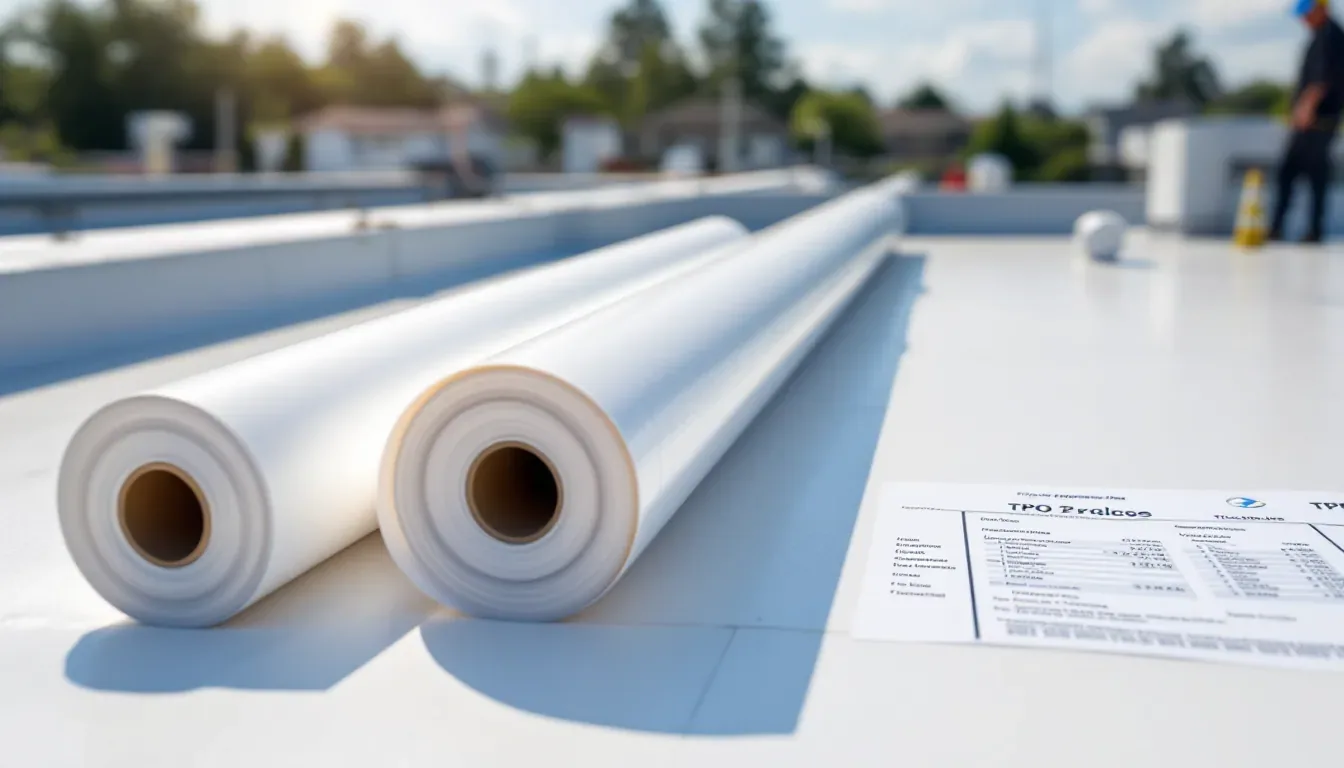
Versico Commercial Roofing
Conditions, options and next steps for commercial buildings in Fort Bend County.
Duro-Last Details Explained Through the Photos
Call for a measured examination of the membrane, penetrations and retained layers. We will explain the practical repair scope and work sequence for your owner briefing.
Call 555-555-5555 or email [email protected].
Commercial Roofing Questions
Straight answers to the questions building owners and managers ask us most often.
Does custom fabrication eliminate field detail work?
The building still has perimeter, drain and equipment connections requiring suitable installation. We measure those conditions and review the field procedures. Completion examination remains part of the permanent work.
Why examine the support of a pipe through the membrane?
Pipe movement can strain its flashing connection. The roofing repair cannot correct deficient support by itself. We identify the related equipment or support task where the findings require it.
Can a PVC label settle compatibility beside an exhaust?
The specific product and actual deposit need assessment. Substance, temperature and contact duration influence suitability. We also examine whether the discharge itself requires correction.
What determines the size of a repair around a penetration?
Suitable connection area and underlying condition establish the practical boundary. Damp board or damaged support can require wider removal. The findings are photographed before that scope is expanded.
What changes when another insulation layer is proposed?
Added height affects curbs, walls and outlets, while added construction changes assembly weight and attachment questions. We measure the details and review retained layer condition. Those factors are addressed before a recover decision.
Outlets, Low Areas and Detail Exposure
An outlet connection can remain vulnerable where water is retained against it after rainfall. We examine strainers, accessible drain components and the surface approaching the outlet. An obstruction and a level difference need different corrective tasks. Clearing debris may improve flow without resolving a depressed board joint or unsuitable geometry. The report identifies the actual limitation before a surface change is proposed.
In Stafford, commercial and industrial properties along US 59 and US 90A require coordinated access for material deliveries. The drainage examination is related to each property's own equipment and roof sections. New supports or stored items can interrupt an existing runoff route. We map those changes with the manager before specifying the correction. Piping or structural questions receive the appropriate separate assessment where they govern the proposed work.
Concealed Layers and Enclosure Evidence
A narrow penetration opening can wet board beyond the visible defect. Accessible construction, readings and selected physical checks help define the affected area. We record layer order and actual condition at each opening. A thermal pattern can assist the investigation under suitable conditions, but it does not establish saturation or cause alone. The manager receives the confirmed findings and the limits of accessible examination.
Rain entry, equipment drainage and possible condensation can produce overlapping interior symptoms. The investigation compares their mechanisms rather than choosing one from the presence of humidity. Air paths, surface temperatures and indoor operation may require enclosure assessment where the evidence points that way. New roof material cannot automatically resolve a continuing equipment leak or air-control defect. The proposed roof repair states the water path it addresses and related work still needed.
How a Roof Project Runs
Every roof we take on moves through the same six steps:
01
Roof Walk
We walk the whole roof and photograph the membrane, seams, flashings, drains and equipment.
02
Moisture Check
Readings and core cuts show what is wet below the surface before anyone prices a repair.
03
Written Findings
You get plain-language findings, photos and the options that fit the roof.
04
Scope and Price
One written scope covers the system, the details, drainage changes and the price.
05
Scheduled Work
Crews work around tenants, deliveries and weather, closing the roof every night.
06
Closeout
We walk the finished roof with you and hand over photos and warranty paperwork.
Repair Extent and New Assembly Decisions
A focused correction is appropriate where suitable surrounding material and construction support it. Wider deterioration changes the boundary and can justify a broader option. Recover keeps existing layers and adds another assembly, requiring review of moisture, attachment, weight and applicable project requirements. New insulation also changes available heights at curbs and walls. Replacement exposes more construction but requires a larger removal and interior protection plan.
Cost is influenced by damaged layers, equipment movement, access and detail reconstruction. We explain those items through photographs and measured locations. The daily phase is limited by weather and the construction that can be closed or protected. Urgent response remains available during late hours and holidays, with immediate measures selected for safe accessible conditions. Temporary protection and permanent correction are recorded separately.
Issued warranty terms may specify repair procedures and notice requirements. We review the available document and retain product information, corrected locations and completion photographs. Those records support the owner's review without determining coverage themselves. Subsequent inspections can compare the repaired penetration with its prior condition. Any outstanding equipment task remains identified so the roof record does not imply that work has already been completed.